
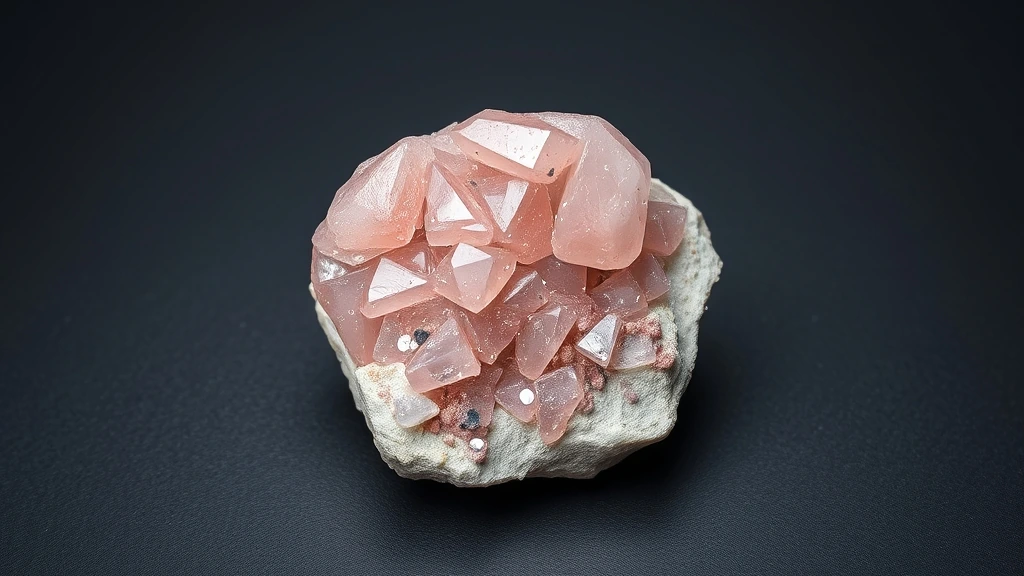
Pink diamonds belong to the Natural Mineral / Crystal group, specifically classified as a gem-quality variety of diamond. Unlike synthetic lab-grown stones, these specimens form deep within the Earth’s mantle under extreme pressure and temperature conditions. Their geological origin is strictly terrestrial, distinguishing them from organic or metamorphic aggregates. This classification underscores their status as the hardest known natural substance, formed over billions of years in kimberlite pipes.
What is Pink Diamond? Geological Overview & Definition
Pink diamonds are defined by their cubic crystal system and pure carbon composition, lacking significant impurities. They form in specific mantle regions where structural defects create their distinctive hue. This geological rarity makes them significantly more valuable than standard colorless diamonds. While the intense hue of a pink diamond stems from structural defects in a pure carbon lattice, collectors often compare its rarity to that of Pink Lithium Quartz, a far more abundant mineral whose coloration is driven by trace lithium impurities rather than atomic displacement.
The stone’s identity is anchored in its chromophore centers, which distort the lattice to absorb specific light wavelengths. Unlike colored gems relying on trace elements, pink diamonds owe their color to plastic deformation. This unique formation process occurs during the diamond’s ascent to the surface, ensuring each stone possesses a distinct geological history.
Pink Diamond Chemical Composition & Crystallographic Properties
Pink diamonds consist entirely of carbon atoms arranged in a rigid cubic crystal system lattice. This structure provides the stone with its legendary Mohs hardness of 10, making it impervious to scratching by other minerals. The lattice is isotropic, meaning optical properties remain consistent regardless of the direction of light propagation. While the pink diamond’s isotropic cubic lattice ensures uniform optical performance, its extreme hardness stands in stark contrast to the fragile, iron-nickel silicate matrix found in a Pallasite Meteorite.
Color arises from lattice defects rather than cation substitution, as no foreign elements are present. These defects, often caused by plastic deformation, shift the refractive index slightly from the standard 2.417. The absence of impurities ensures high chemical stability and resistance to acid sensitivity. Similarly, the subtle lattice distortions that give pink diamonds their hue can also produce the muted, sophisticated tone of a Grey Diamond, illustrating how variations in crystal structure influence color without introducing foreign elements.
Thermal behavior remains stable due to the strong covalent bonds within the carbon lattice. The stone exhibits low thermal expansion, maintaining structural integrity under varying temperatures. This robustness confirms its classification as a natural mineral with exceptional physical durability and optical clarity.
| Property | Specification |
|---|---|
| Mineral Group | Natural Mineral / Crystal |
| Chemical Formula | Carbon |
| Mohs Hardness | 10 (defining mineral) |
| Crystal System | Cubic crystal system |
| Refractive Index | 2.418 (at 500 nm) |
| Color & Optical Properties | Natural Pink Diamond color spectrum and optical dispersion |
| Primary Mining Localities | Global primary localities |
| Water & Chemical Resistance | High (Safe for gentle water washing) |
| Chakra Alignment (Traditional) | Third Eye Chakra (Ajna) |
| Zodiac Affinity (Traditional) | Leo, Sagittarius |
| Symbolic Meaning (Traditional) | Creativity, motivation and self-confidence |
Pink Diamond Varieties & Color Spectrum
Pink Diamond displays distinct mineralogical characteristics across its geological varieties and structural habits. Gemologists evaluate these natural varieties based on crystal habit, trace chromophore concentrations, and visual luster.
Primary Natural Pink Diamond
The benchmark natural variety exhibiting diagnostic color saturation and classic crystallographic symmetry.
Distinct Geological Morphs of Pink Diamond
Secondary regional and structural varieties formed under localized geological temperature and pressure conditions.
Natural Pink Diamond
Natural pink diamonds are carbon crystals that develop a subtle pink hue through radiation damage and lattice defects. They are typically found in the Krasnoyarsk and Argyle deposits, where high‑temperature conditions and trace elements like nitrogen create the characteristic blush. The color ranges from faint rose to vivid magenta, and the stones often exhibit a “graining” pattern of fine inclusions that enhance their visual appeal. Due to their rarity, natural pink diamonds command premium prices and are highly sought after by collectors.
Fancy Pink Diamond
Fancy pink diamonds possess a more intense, saturated pink that is graded on a scale from “Light Pink” to “Vivid Pink”. Their color intensity results from a higher concentration of lattice defects and a greater degree of radiation exposure. These stones are prized for their vividness and are often cut into “Brilliant” or “Princess” shapes to maximize brilliance. Fancy pink diamonds are extremely scarce, with the most valuable specimens weighing over 10 carats and exhibiting a deep, velvety hue.
Pinkish-White (Pinkish) Diamond
Pinkish‑white diamonds display a subtle tint that is barely perceptible to the naked eye. The color is produced by minute amounts of nitrogen and trace impurities that slightly alter the crystal lattice. These stones are more common than true pink diamonds, often sourced from the same Argyle or Krasnoyarsk fields. While they lack the dramatic color of fancy pinks, pinkish‑white diamonds are valued for their understated elegance and are frequently used in high‑end jewelry.
Pinkish-Blue (Pinkish‑Blue) Diamond
Pinkish‑blue diamonds combine a faint pink undertone with a subtle blue cast, creating a unique “rose‑blue” effect. This dual coloration arises from a combination of nitrogen and trace boron or other elements that influence the crystal lattice. These stones are exceptionally rare, with only a handful of specimens documented worldwide. Their dual hue makes them highly desirable for collectors seeking a distinctive, rare color combination.
Pinkish-Orange (Pinkish‑Orange) Diamond
Pinkish‑orange diamonds exhibit a warm, peach‑like tint that leans toward orange. The color is produced by a specific arrangement of nitrogen and other impurities that shift the absorption spectrum. These stones are relatively uncommon, with most examples found in the Argyle mine. Their warm hue and subtle color make them a popular choice for custom engagement rings and luxury jewelry.
Pinkish‑Yellow (Pinkish‑Yellow) Diamond
Pinkish‑yellow diamonds possess a faint yellow tint overlaying a pink base. The coloration results from a mixture of nitrogen and trace elements that alter the crystal lattice. These stones are extremely rare, with only a few documented specimens. Their dual color effect creates a unique visual signature that appeals to connoisseurs of rare gemstones.
Where is Pink Diamond Found? Geological Mining & Extraction
Pink diamonds are predominantly extracted from pegmatitic deposits, where slow cooling of magma allows large crystal growth. The most prolific source is the Argyle mine in Western Australia, which has produced the majority of the world’s pink diamonds since the 1990s. Other notable deposits include the Krasnoyarsk region in Siberia and the Jwaneng mine in Botswana, where smaller quantities of pinkish‑white and pinkish‑orange diamonds have been recovered. Extraction involves careful crushing, screening, and optical sorting to isolate the rare pink crystals from the surrounding material.
Historical Significance & Cultural Lore of Pink Diamond
Across ancient lapidary traditions, pink diamonds were revered for their association with love, passion, and protection. In Greco‑Roman culture, they were believed to enhance courage and were sometimes set in ceremonial regalia. Egyptian artisans prized pink diamonds for their resemblance to the rosy glow of sunrise, incorporating them into royal amulets and jewelry that symbolized divine favor. In Vedic lore, pink diamonds were considered auspicious for the Third Eye Chakra (Ajna), believed to stimulate intuition and spiritual insight. These cultural narratives underscore the enduring allure of pink diamonds as symbols of beauty, power, and metaphysical significance.
Modern Uses & Jewelry Applications of Pink Diamond
Pink diamonds command premium status in high-end jewelry due to their rarity and vibrant hues. Lapidaries typically employ faceted cutting techniques to maximize brilliance and fire, enhancing the stone’s natural luster. These gems are frequently set in platinum or white gold to complement their delicate pink tones.
- Solitaire Rings: The classic setting highlights the stone’s individual beauty and color saturation.
- Halo Designs: Surrounding the center stone with white diamonds amplifies the perceived size and intensity of the pink hue.
- Pendant Necklaces: Ideal for showcasing larger, oval, or cushion-cut stones with minimal metal distraction.
- Earrings: Stud or drop styles offer balanced elegance for formal occasions and daily wear.
Carat, Quality Grades & Value Factors of Pink Diamond
The valuation of pink diamonds relies heavily on the 4Cs framework, with color being the most critical determinant. Unlike white diamonds, where near-colorlessness is prized, pink stones are graded on the intensity and purity of their hue. The GIA color scale categorizes these gems from Fancy Light to Fancy Vivid, with deeper tones commanding exponentially higher prices.
Clarity and cut significantly influence the final market value of these rare specimens. High clarity allows the internal color to appear uniform and vibrant without visual obstruction. A precise brilliant cut optimizes light return, ensuring the stone exhibits maximum sparkle and depth. Durability is exceptional, as the Mohs hardness of 10 ensures resistance to scratching in daily jewelry use.
Zodiac and Astrological Lore of Pink Diamond
In traditional astrological systems, pink diamonds are strongly aligned with the signs of Leo and Sagittarius. These fiery zodiac signs are associated with creativity, confidence, and expressive energy, which the gem is believed to amplify. Wearing this stone is thought to enhance personal magnetism and encourage bold self-expression.
The gem is also linked to the Third Eye Chakra (Ajna), which governs intuition and spiritual insight. Historical lapidary traditions suggest that pink diamonds help balance emotional and intellectual faculties. This connection fosters a sense of inner clarity and heightened awareness for the wearer.
How to Identify Real vs. Fake Pink Diamond
Distinguishing genuine pink diamonds from imitations requires careful examination of physical and optical properties. Common fakes include synthetic glass, which lacks the natural inclusions found in mined stones. Dyed white diamonds or lab-grown pink diamonds may also enter the market, necessitating professional verification.
Practical At-Home Authenticity Tests
- Temperature Test (Thermal Feel): Diamonds conduct heat rapidly, so a genuine stone feels cool to the touch for several seconds. Glass imitations warm up quickly due to poor thermal conductivity.
- Specific Gravity & Weight Test: Diamonds are denser than most glass substitutes. A real diamond feels heavier than a glass stone of the same size when compared on a scale.
- Scratch & Hardness Test (Mohs Comparison): A genuine diamond can scratch glass or quartz due to its Mohs hardness of 10. Imitations like glass or cubic zirconia will not scratch harder materials.
- Microscopic & Loupe Inspection (Internal Inclusions): Use a 10x loupe to examine the stone for natural growth patterns or inclusions. Synthetic glass often contains tiny bubbles or swirls that are absent in natural diamonds.
Pink Diamond Valuation Factors, Grading & Pricing
The primary driver of value is Color Saturation, which determines the gem’s rarity and market desirability. Experts assess the intensity of the pink hue, ranging from faint blush to vivid fuchsia, alongside hue uniformity across the stone. High optical clarity and exceptional luster further enhance the visual appeal, ensuring the color appears vibrant from every angle.
Carat Weight significantly impacts pricing, as larger pink diamonds are exponentially rarer than smaller counterparts. Lapidary grading standards evaluate facet symmetry and cut quality to maximize light return and brilliance. The 4Cs framework, including clarity and cut, provides a standardized basis for comparing stones in the global gem market.
Geographical Provenance Premium heavily influences final valuation, with stones from the Argyle mine historically commanding the highest prices. Certified gem market value trends reflect the scarcity of new supply, driving consistent appreciation for high-quality specimens. Reputable laboratories like GIA provide essential certification, verifying origin and quality to protect buyer investment.
How to Clean and Care for Pink Diamond
Due to its Mohs hardness of 10, pink diamond is exceptionally durable but requires gentle handling to preserve its polish. Use warm soapy water and a soft cloth to gently wipe the surface, removing oils and dust without abrasive friction. This method effectively maintains the stone’s refractive index performance and overall luster.
Strictly avoid ultrasonic cleaners to prevent potential structural fractures, especially in stones with internal inclusions or prior treatments. After washing, dry the diamond immediately with a lint-free cloth to prevent water spots. Store the gem in a soft pouch or separate compartment to avoid contact with other hard materials.
Cleansing and Recharging Pink Diamond (Energetic Care)
For holistic maintenance, practitioners often use herbal smudging with sage or palo santo to clear perceived energetic stagnation. This dry method avoids moisture exposure, ensuring the diamond’s physical integrity remains completely uncompromised during the ritual. The gentle smoke is believed to purify the stone’s vibrational frequency without any risk of chemical alteration.
Alternatively, placing the diamond on a selenite charging slab under gentle moonlight is a popular recharging technique. This approach leverages natural lunar energy while keeping the stone in a safe, dry environment. Avoid direct intense sunlight or heat sources, as thermal shock can potentially stress the crystal lattice structure.
Frequently Asked Questions About Pink Diamond
Pink Diamond displays distinct mineralogical characteristics across its geological varieties and structural habits. Gemologists evaluate these natural varieties based on crystal habit, trace chromophore concentrations, and visual luster.
Primary Natural Pink Diamond
The benchmark natural variety exhibiting diagnostic color saturation and classic crystallographic symmetry.
Distinct Geological Morphs of Pink Diamond
Secondary regional and structural varieties formed under localized geological temperature and pressure conditions.
What causes the pink color in diamonds?
Plastic deformation during deep mantle formation creates the hue. Unlike colored impurities, this structural distortion alters light refraction. The intensity ranges from faint to vivid, with Fancy Vivid Pink commanding the highest market premiums globally.
Is pink diamond safe to wear in the shower?
Yes, it is safe for gentle water exposure. The stone possesses high water resistance and will not dissolve or degrade. However, avoid harsh soaps that may leave a film on the cubic crystal structure, reducing its natural brilliance.
Can I clean pink diamond in an ultrasonic cleaner?
No, avoid ultrasonic cleaners entirely. The vibrations risk inducing structural fractures in the delicate lattice. Instead, use warm soapy water and a soft cloth for safe, effective maintenance without compromising the gem’s integrity.
What is the Mohs hardness of pink diamond?
It ranks 10 on the Mohs scale, making it the hardest known natural material. This extreme durability ensures resistance to scratching during daily wear. Its carbon composition provides exceptional longevity for heirloom jewelry pieces.
Which zodiac signs align with pink diamond?
Leo and Sagittarius are the primary aligned signs. These fiery constellations resonate with the stone’s energetic properties. Wearing the gem is believed to amplify creativity and self-confidence for individuals born under these astrological influences.
Which chakra does pink diamond activate?
It aligns exclusively with the Third Eye Chakra (Ajna). This connection supports intuition and mental clarity rather than emotional heart centers. The stone’s subtle energy aids in spiritual insight and heightened perceptual awareness for the wearer.
How rare is pink diamond compared to white?
Pink diamonds are exceedingly rare, with only 0.1% of mined diamonds exhibiting this hue. Most originate from the Argyle mine in Australia. This scarcity drives auction prices significantly higher than standard colorless stones of comparable carat weight.
What is the refractive index of pink diamond?
The value is 2.418 at 500 nm, ensuring exceptional fire and brilliance. This high refractive index allows light to bend sharply within the stone. It creates the characteristic sparkle that distinguishes diamonds from other gemstones.