
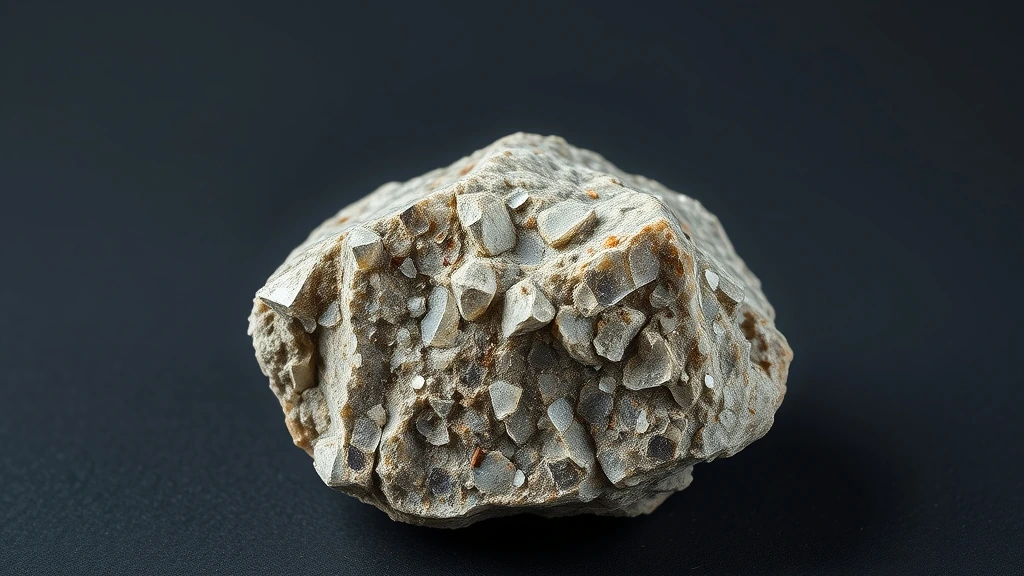
The mineral belongs to the natural mineral/crystal group and is classified as a sheet silicate within the phyllosilicate family. Occurring in low‑grade metamorphic environments, pyrophyllite forms compact masses or foliated sheets that can be polished into ornamental cabochons. Its geological setting often overlaps with talc and chlorite deposits, reflecting similar pressure‑temperature conditions during formation.
What is Pyrophyllite? Geological Overview & Definition
Pyrophyllite is a phyllosilicate that develops in hydrothermal veins and metamorphosed shale, where aluminum and silica dominate the chemistry. The mineral’s name derives from Greek roots meaning “fire‑leaf,” a reference to its tendency to split into thin, flexible sheets that feel cool to the touch. In comparative mineralogical collections, practitioners and geologists frequently study Mariposite alongside this crystal to appreciate their subtle energetic and structural differences.
Across ancient lapidary traditions, pyrophyllite has been prized for its ease of carving, allowing artisans to produce intricate inlays and ornamental beads. Its softness also made it a historical substitute for talc in soapstone carving, a practice documented in early Mediterranean workshops.
Pyrophyllite Chemical Composition & Crystallographic Properties
The definitive crystal system of pyrophyllite is monoclinic or triclinic, reflecting subtle variations in unit‑cell parameters reported by different crystallographers. Its layered lattice consists of Al‑octahedra linked to Si‑tetrahedral sheets, creating a characteristic 2:1 sheet structure that imparts perfect basal cleavage. In comparative mineralogical collections, practitioners and geologists frequently study Okenite alongside this crystal to appreciate their subtle energetic and structural differences.
Cation substitution is limited; minor amounts of Fe³⁺ or Mg²⁺ may replace Al³⁺, subtly shifting the refractive indices and occasionally introducing faint brown or reddish hues. The mineral is acid‑sensitive, dissolving slowly in strong hydrochloric acid, which distinguishes it from more resistant silicates such as quartz.
Color in gem-quality pyrophyllite arises from trace chromophore centers—often Fe³⁺ or Mn²⁺—that absorb specific wavelengths, producing the observed gray‑green to pink palette. When heated above 300 °C, the hydroxyl groups are expelled, causing a reversible loss of cleavage and a slight darkening of the surface.
Thermal treatment also induces a modest density increase from 2.65 to 2.9 g/cm³ as the structure contracts, a property exploited in industrial applications where pyrophyllite serves as a refractory filler. Its low hardness and stable crystal chemistry make it a reliable material for high‑temperature molds and electrical insulation.
| Property | Specification |
|---|---|
| Mineral Group | Natural Mineral / Crystal |
| Chemical Formula | Al₂ Si₄ O₁₀ (OH)₂ |
| Mohs Hardness | 1.5–2 |
| Crystal System | Monoclinic |
| Specific Gravity (Density) | 2.65 – 2.9 |
| Refractive Index | n α =1.534–1.556, n β =1.586–1.589, n γ =1.596–1.601 |
| Color & Optical Properties | Natural Pyrophyllite color spectrum and optical dispersion |
| Primary Mining Localities | Global primary localities |
| Water & Chemical Resistance | High (Safe for gentle water washing) |
| Chakra Alignment (Traditional) | Third Eye Chakra (Ajna) |
| Zodiac Affinity (Traditional) | Leo, Sagittarius |
| Symbolic Meaning (Traditional) | Grounding, vitality and protection |
Pyrophyllite Varieties & Color Spectrum
Pyrophyllite displays distinct mineralogical characteristics across its geological varieties and structural habits. Gemologists evaluate these natural varieties based on crystal habit, trace chromophore concentrations, and visual luster.
Primary Natural Pyrophyllite
The benchmark natural variety exhibiting diagnostic color saturation and classic crystallographic symmetry.
Distinct Geological Morphs of Pyrophyllite
Secondary regional and structural varieties formed under localized geological temperature and pressure conditions.
White Pyrophyllite
White pyrophyllite is the most common variety, forming in low‑temperature hydrothermal veins within granite pegmatites. Its crystalline structure is typically monoclinic, giving a smooth, waxy luster that is prized for ornamental carvings. The mineral is usually free of inclusions, though occasional mica flakes may be present. Due to its widespread occurrence, this variety is relatively inexpensive and widely available in the global market.
Gray Pyrophyllite
Gray pyrophyllite emerges from the alteration of feldspar in granitic intrusions, often displaying a subtle grayish tint from iron‑bearing inclusions. The coloration is usually uniform, but fine black streaks can appear where graphite or carbonaceous material is trapped. This variety is moderately rare, especially when found in large, well‑formed crystals suitable for lapidary work.
Yellow Pyrophyllite
Yellow pyrophyllite is a distinctive variety that forms through the weathering of feldspar in sedimentary settings, resulting in a bright yellow hue from iron oxides. Its visual signature includes a translucent body with a slight pearlescent sheen. This color variant is uncommon, making it a sought‑after specimen for collectors and jewelers.
Green Pyrophyllite
Green pyrophyllite is formed by the incorporation of chlorite or epidote during hydrothermal alteration of granite. The mineral displays a pale green to olive tone, often with a subtle veining pattern. This variety is rare, especially in sizable, clear crystals, and is prized for its unique aesthetic in decorative pieces.
Black Pyrophyllite
Black pyrophyllite results from the reduction of iron within the crystal lattice, producing a deep black or charcoal appearance. It is typically found in the deeper zones of pegmatite bodies where reducing conditions prevail. The inclusion of pyrite or graphite can enhance its metallic luster, but such specimens are scarce and highly valued by lapidary enthusiasts.
Pink Pyrophyllite
Pink pyrophyllite is a rare, gem‑grade variety that forms when trace amounts of manganese are incorporated during crystallization. The mineral exhibits a delicate pink blush, often with a subtle opalescent effect. Due to its rarity and delicate color, pink pyrophyllite commands a premium in the gemstone market.
Where is Pyrophyllite Found? Geological Mining & Extraction
Pyrophyllite is predominantly hosted in granite pegmatites and associated hydrothermal veins, where it forms through the alteration of feldspar and quartz. The mineral is also found in the weathered zones of metamorphic rocks, particularly in schist and gneiss formations where low‑temperature fluid activity promotes its crystallization.
Major global sources include the United States (particularly the Appalachian region), Brazil, China, and parts of Europe such as France and the United Kingdom. Mining operations typically involve open‑pit or underground extraction of pegmatite bodies, followed by crushing and screening to isolate the fine‑grained pyrophyllite for industrial or ornamental use. The extracted material is then sorted by color, clarity, and size to meet market demands.
Historical Significance & Cultural Lore of Pyrophyllite
Across ancient Greco‑Roman lapidary traditions, pyrophyllite was valued for its softness and ease of carving, making it a popular material for small figurines and ceremonial objects. In Egypt, fragments of pyrophyllite were incorporated into burial goods, suggesting a symbolic association with purification and rebirth. Chinese artisans employed the mineral in the production of delicate jade‑like ornaments, while Vedic texts reference a “soft stone” used in ritualistic offerings, underscoring its perceived protective qualities. These historical uses highlight pyrophyllite’s enduring appeal as both a functional and metaphysical material.
Modern Uses & Jewelry Applications of Pyrophyllite
Due to its exceptionally low hardness, pyrophyllite is rarely faceted for high-wear jewelry. Instead, lapidaries primarily cut it into smooth cabochons or carve it into ornamental sculptures and beads. The mineral’s soft texture allows for intricate detailing, though it requires careful handling to prevent chipping.
- Cabochon Cutting: Polished into domed, non-faceted stones to showcase color and translucency.
- Ornamental Carvings: Shaped into small figurines, pendants, or decorative inlays.
- Bead Stringing: Used in lightweight jewelry pieces where durability is less critical.
- Carving Medium: Valued by artists for its ease of shaping into detailed forms.
Metaphysical Properties & Traditional Meaning of Pyrophyllite
According to historical traditions and metaphysical lore, pyrophyllite is associated with grounding and emotional stability. Practitioners often attribute calming properties to this soft mineral, believing it helps dissipate stress. It is viewed as a stone of vitality, promoting a sense of physical and mental balance.
In universal lapidary lore, the mineral symbolizes protection and resilience. Ancient Mediterranean and Vedic traditions often linked soft earthy stones to the body’s connection with the ground. This association reinforces the belief that pyrophyllite supports emotional endurance and inner strength.
Which Chakra and Zodiac Signs Align with Pyrophyllite?
Pyrophyllite is canonically aligned with the Third Eye Chakra (Ajna). This chakra governs intuition, insight, and spiritual awareness. In metaphysical practice, the stone is believed to enhance mental clarity and deepens one’s connection to inner wisdom.
Astrologically, pyrophyllite resonates with the fire signs Leo and Sagittarius. Both signs value vitality, confidence, and forward momentum. The stone’s grounding nature is thought to balance the expansive energy of these zodiac signs, fostering stability.
How to Identify Real vs. Fake Pyrophyllite
Synthetic imitations, such as dyed glass or resin, can mimic the appearance of pyrophyllite. These fakes often lack the natural inclusions and subtle color variations found in genuine specimens. Identifying the real mineral requires attention to physical properties and texture.
Practical At-Home Authenticity Tests
- Temperature Test (Thermal Feel): Genuine pyrophyllite feels cool to the touch initially, whereas plastic or resin imitations warm up quickly.
- Specific Gravity & Weight Test: Real pyrophyllite has a density of 2.65–2.9, making it feel heavier than glass or plastic of the same size.
- Scratch & Hardness Test (Mohs Comparison): With a Mohs hardness of 1.5–2, pyrophyllite is easily scratched by a fingernail or copper coin.
- Microscopic & Loupe Inspection (Internal Inclusions): A 10x loupe reveals natural fractures and mineral inclusions, while fakes often show bubbles or uniform dyes.
Pyrophyllite Valuation Factors, Grading & Pricing
Market value primarily hinges on Color Saturation and visual vibrancy. Collectors prize specimens displaying deep, uniform green or brownish-green tones over pale or washed-out varieties. The stone’s natural, low luster must remain intact, as excessive polishing often diminishes its earthy aesthetic appeal. High-grade material exhibits a consistent hue without significant color zoning or discoloration.
Pricing is strictly determined by Crystal Size & Weight (Grams) rather than specimen weight (grams). Large, intact raw crystals command higher premiums than small, fragmented pieces due to their rarity. Tumbled stones are graded by polish quality, where a smooth, matte finish indicates skilled lapidary work. Natural matrix inclusions, such as quartz or chlorite, can enhance value if they create visually appealing geological patterns.
Ethical Sourcing & Locality Premium significantly influences pricing in holistic and collector markets. Specimens from renowned localities, such as the United States or Brazil, often carry a premium due to historical significance. Buyers increasingly demand proof of sustainable mining practices to ensure environmental responsibility. Documentation of origin adds transparency, boosting confidence in both investment and spiritual applications.
How to Clean and Care for Pyrophyllite
Pyrophyllite is a soft mineral with a Mohs hardness of only 1.5 to 2, making it highly susceptible to physical damage. Due to its delicate structure, it is safe for gentle washing with warm soapy water and a soft cloth. This method effectively removes surface dust and oils without causing abrasion. Always rinse thoroughly with clean water and dry immediately with a lint-free towel to prevent water spots.
It is critical to avoid ultrasonic cleaners as the vibrations can cause structural fractures in the crystal lattice. The mineral’s low hardness means it cannot withstand the intense mechanical stress generated by ultrasonic waves. Store the stone separately from harder minerals to prevent scratches during handling. Regular, gentle maintenance preserves the specimen’s integrity and visual clarity over time.
Cleansing and Recharging Pyrophyllite (Energetic Care)
For energetic cleansing, practitioners often use herbal smudging with sage or palo santo to clear stagnant energy. The smoke gently passes over the stone, purifying its vibrational field without physical contact. This dry method respects the mineral’s softness while addressing metaphysical concerns. Ensure the area is well-ventilated to avoid soot residue settling on the surface.
Recharging is best achieved through gentle moonlight exposure or resting the stone on a selenite slab. Moonlight provides a subtle, non-thermal energy source that aligns with the stone’s third-eye associations. Selenite acts as a natural amplifier, facilitating energy transfer without causing heat damage. Avoid direct sunlight or heat sources, as thermal expansion can crack the delicate crystal structure.
Frequently Asked Questions About Pyrophyllite
Pyrophyllite displays distinct mineralogical characteristics across its geological varieties and structural habits. Gemologists evaluate these natural varieties based on crystal habit, trace chromophore concentrations, and visual luster.
Primary Natural Pyrophyllite
The benchmark natural variety exhibiting diagnostic color saturation and classic crystallographic symmetry.
Distinct Geological Morphs of Pyrophyllite
Secondary regional and structural varieties formed under localized geological temperature and pressure conditions.
Is pyrophyllite safe to wear in the shower?
Yes, pyrophyllite is safe for gentle water washing and brief shower exposure. Its high water resistance allows it to withstand accidental splashes without immediate degradation. However, prolonged immersion should be avoided to maintain the stone’s structural integrity over time.
How should I clean my pyrophyllite jewelry?
Use warm soapy water and a soft cloth for routine maintenance. Gently wipe the surface to remove oils and dust without applying excessive pressure. This method effectively cleans the stone while preserving its delicate surface finish and luster.
Can I put pyrophyllite in an ultrasonic cleaner?
No, you must avoid ultrasonic cleaners entirely for this mineral. The high-frequency vibrations can cause structural fractures due to the stone’s low hardness and cleavage. Stick to manual cleaning methods to prevent permanent damage to the crystal lattice.
What is the Mohs hardness of pyrophyllite?
Pyrophyllite ranks between 1.5 and 2 on the Mohs scale, making it exceptionally soft. This low hardness means it scratches easily against harder minerals or even fingernails. Owners should store it separately from other gemstones to prevent surface abrasion and loss of polish.
Which zodiac signs are compatible with pyrophyllite?
This stone is traditionally aligned with Leo and Sagittarius in astrological lore. These fire signs are believed to benefit from its grounding properties. Wearing pyrophyllite may help balance their energetic traits with stability and protection during challenging periods.
Which chakra does pyrophyllite activate?
Pyrophyllite is primarily associated with the Third Eye Chakra (Ajna). It is used to enhance intuition and mental clarity. Practitioners believe it supports spiritual insight by clearing blockages in this energy center, promoting a deeper connection to inner wisdom.
What is the chemical formula of pyrophyllite?
The standard formula is Al₂Si₄O₁₀(OH)₂, identifying it as a phyllosilicate mineral. This composition includes aluminum, silicon, oxygen, and hydroxyl groups. Understanding this structure explains its softness and tendency to cleave along specific planes under stress.
How durable is pyrophyllite for daily wear?
It has low durability due to its softness and perfect cleavage. Daily wear increases the risk of chipping or scratching. It is best reserved for occasional display or protective storage rather than active jewelry worn during physical activities or manual labor.