
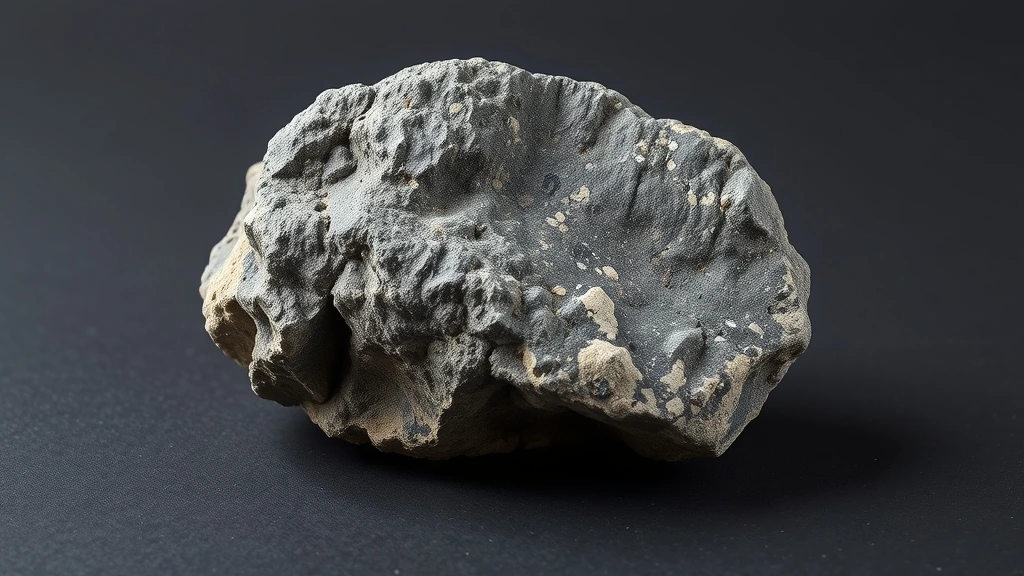
Rainforest Rhyolite belongs to the Natural Mineral / Crystal group, specifically classified as a volcanic igneous rock. It forms from the rapid cooling of silica-rich magma, resulting in a dense, glassy texture. This geological origin distinguishes it from crystalline gemstones, as it lacks large, well-formed crystals. Instead, it presents as a massive aggregate of microscopic mineral grains.
What is Rainforest Rhyolite? Geological Overview & Definition
Rainforest Rhyolite is an extrusive igneous rock formed when viscous, silica-rich lava cools rapidly on the Earth’s surface. This quick solidification prevents the growth of large crystals, creating a fine-grained or aphanitic texture. The stone typically appears as a massive, non-crystalline aggregate rather than a single crystal. In comparative mineralogical collections, practitioners and geologists frequently study Que Sera Galaxy Rhyolite alongside this crystal to appreciate their subtle energetic and structural differences.
The name “Rainforest” refers to its distinct green coloration, often caused by trace iron impurities. Geologically, it shares its parentage with obsidian and other volcanic glass rocks. Its formation is linked to high-viscosity eruptions in continental volcanic arcs. This specific mineralogical context defines its unique physical and aesthetic properties.
Rainforest Rhyolite Chemical Composition & Crystallographic Properties
As a volcanic rock, Rainforest Rhyolite lacks a single stoichiometric chemical formula. Instead, it consists of an aggregate of quartz, feldspar, and glassy volcanic material. The Trigonal crystal system applies to the constituent quartz grains within the matrix. These microscopic crystals align randomly due to rapid cooling, creating a complex internal lattice structure.
The green coloration arises from chromophore centers, primarily involving iron ions in various oxidation states. These trace elements substitute into the silicate lattice, altering light absorption properties. The rock exhibits moderate acid sensitivity, as its glassy components can react with strong acids over time. Thermal behavior is stable under normal conditions, though rapid temperature changes may cause fracturing. In comparative mineralogical collections, practitioners and geologists frequently study Lava Rock alongside this crystal to appreciate their subtle energetic and structural differences.
| Property | Specification |
|---|---|
| Mineral Group | Natural Mineral / Crystal |
| Chemical Formula | Rhyolite (Volcanic rock: >65% SiO₂, dominated by Quartz, Orthoclase, Sanidine, Plagioclase feldspar, with minor Biotite, Hornblende, and Magnetite) |
| Mohs Hardness | 6.5 – 7.0 |
| Crystal System | Trigonal |
| Specific Gravity (Density) | 2.60 – 2.75 |
| Refractive Index | 1.545 – 1.620 |
| Color & Optical Properties | Natural Rainforest Rhyolite color spectrum and optical dispersion |
| Primary Mining Localities | Global primary localities |
| Water & Chemical Resistance | High (Safe for gentle water washing) |
| Chakra Alignment (Traditional) | Solar Plexus Chakra (Manipura) |
| Zodiac Affinity (Traditional) | Cancer, Pisces |
| Symbolic Meaning (Traditional) | Creativity, motivation and self-confidence |
Rainforest Rhyolite Varieties & Color Spectrum
Rainforest Rhyolite presents a diverse palette derived from varying iron oxide concentrations within its volcanic matrix. The primary distinction lies in the intensity of green hues, ranging from pale sage to deep forest tones. Each morph reflects specific cooling rates and mineral impurities trapped during rapid lava solidification.
Classic Deep Forest Green
This dominant variety features a rich, saturated green coloration often compared to dense tropical foliage. The hue stems from high concentrations of iron-rich chlorite and serpentine inclusions dispersed throughout the rhyolitic glass. Such intense pigmentation is relatively rare, making high-grade specimens highly sought after by collectors.
Pale Sage and Mint Morphs
Lighter specimens exhibit a delicate, almost translucent sage green appearance with subtle white veining. These stones form in cooler lava flows where volcanic glass remains partially unaltered by secondary minerals. Their softer aesthetic appeals to lapidaries seeking gentle, calming visual textures for jewelry.
Banded and Swirled Variations
Some deposits display distinct banding patterns created by layered lava flows during eruption events. These flow structures create dynamic, swirling designs that mimic organic rainforest canopies. The interplay of light and shadow across these bands enhances their visual complexity significantly.
Inclusive Matrix Specimens
Certain pieces contain visible crystals of quartz or feldspar embedded within the green matrix. These phenocryst inclusions add textural depth and sparkle, distinguishing them from homogeneous glassy stones. Such specimens are prized for their geological storytelling and tactile interest.
Where is Rainforest Rhyolite Found? Geological Mining & Extraction
Rainforest Rhyolite originates from volcanic regions where rapid cooling of silica-rich lava produces fine-grained igneous rocks. These deposits typically occur in volcanic necks or flow fields associated with ancient eruption sites. The stone’s formation requires specific pressure and temperature conditions that preserve its distinctive green coloration.
Primary extraction occurs in small-scale mining operations within volcanic terrains, often in Central and South American regions. Miners carefully extract blocks from rhyolite domes to preserve the integrity of the stone’s banding and color. Sustainable practices are increasingly emphasized to protect these fragile geological formations from over-extraction.
Historical Significance & Cultural Lore of Rainforest Rhyolite
Ancient civilizations across the Americas utilized rhyolite for ceremonial tools and ornamental beads due to its durability and vibrant appearance. Archaeological findings reveal finely carved rhyolite artifacts used in ritualistic contexts by pre-Columbian cultures. These objects highlight the stone’s early recognition as a material of spiritual and practical value.
In broader historical lapidary traditions, green volcanic stones were often associated with growth, renewal, and vitality. While specific lore for this variety is modern, its visual connection to nature aligns with ancient Vedic and Greco-Roman beliefs in earth-based healing. This enduring symbolism continues to influence contemporary metaphysical practices and jewelry design.
Modern Uses & Jewelry Applications of Rainforest Rhyolite
Lapidaries typically process this volcanic rock into polished cabochons due to its opaque to translucent nature and moderate hardness. The stone’s earthy tones and organic flow patterns make it ideal for carving into ornamental beads, pendants, and decorative inlays. Its durability allows for standard jewelry settings without excessive wear during daily use.
- Cabochon Polishing: Smooth, domed surfaces highlight the stone’s internal banding and color variations effectively.
- Carved Ornaments: Skilled artisans shape the material into figurines, bowls, and decorative tiles for interior design.
- Beaded Jewelry: Uniformly cut beads are strung into bracelets and necklaces, emphasizing the stone’s natural texture.
- Lapidary Tumbling: Rough fragments are tumbled to reveal the stone’s glossy finish and intricate mineral patterns.
Metaphysical Properties & Traditional Meaning of Rainforest Rhyolite
According to historical traditions and metaphysical lore, this stone is associated with grounding energy and emotional stability. Practitioners often believe it helps anchor the spirit during times of significant change or uncertainty. The stone’s volcanic origin symbolizes resilience and the transformative power of natural forces.
In ancient Mediterranean and Vedic lapidary lore, volcanic rocks were revered for their connection to the earth’s core. These traditions suggest that such stones promote self-confidence and creative motivation by stabilizing the wearer’s emotional baseline. The material is thought to facilitate a deeper connection to one’s inner strength and personal agency.
Which Chakra and Zodiac Signs Align with Rainforest Rhyolite?
Rainforest Rhyolite is canonically aligned with the Solar Plexus Chakra (Manipura), which governs personal power, will, and self-esteem. This energy center is located in the upper abdomen and is associated with the element of fire. The stone’s grounding properties are believed to support the activation and balancing of this specific chakra.
Astrologically, the stone resonates strongly with the water signs Cancer and Pisces. These zodiac signs often seek stability and emotional security, which the stone’s earthy energy is thought to provide. The combination of water sign sensitivity and earth stone grounding creates a harmonious energetic balance for these individuals.
How to Identify Real vs. Fake Rainforest Rhyolite
Artificial imitations of rhyolite often include synthetic glass, dyed sandstone, or polymer composites designed to mimic the stone’s color and texture. These fakes may lack the natural mineral inclusions and subtle color variations found in genuine specimens. Understanding the physical properties of the real stone is essential for distinguishing it from these manufactured alternatives.
Practical At-Home Authenticity Tests
- Temperature Test (Thermal Feel): Genuine rhyolite feels cool to the touch initially and warms slowly, whereas plastic or glass imitations often feel neutral or warm immediately.
- Specific Gravity & Weight Test: Real rhyolite has a noticeable heft for its size; if the stone feels surprisingly light, it may be a lightweight composite material.
- Scratch & Hardness Test (Mohs Comparison): With a Mohs hardness of 6.5 to 7.0, genuine rhyolite should not be easily scratched by a steel knife or coin.
- Microscopic & Loupe Inspection (Internal Inclusions): Use a 10x loupe to look for natural mineral inclusions or flow lines; glass imitations often contain tiny air bubbles or swirl marks.
Rainforest Rhyolite Valuation Factors, Grading & Pricing
The market value of Rainforest Rhyolite hinges first on Color Saturation. A deep, vivid hue with minimal undertones signals superior chromatic integrity, while subtle variations can indicate mineral impurities or weathering. Collectors prize specimens that maintain a natural, energetic luster, reflecting the stone’s inherent vibrancy.
Second, Crystal Size & Weight (Grams) plays a decisive role. Larger, heavier pieces are generally more desirable, as they convey a sense of presence and durability. Raw, unpolished specimens are valued for their raw aesthetic, whereas tumbled polish enhances surface smoothness without altering the stone’s fundamental character. Natural matrix inclusions, when balanced, can add visual interest and authenticity, but excessive inclusions may detract from overall appeal.
Finally, Ethical Sourcing & Locality Premium influences both price and market perception. Stones sourced from responsibly managed deposits command a premium in holistic and collector circles, reflecting a commitment to environmental stewardship. Provenance from renowned localities can also elevate a specimen’s desirability, as historical and geological significance intertwine to create a narrative that resonates with discerning buyers.
How to Clean and Care for Rainforest Rhyolite
Gentle cleaning of Rainforest Rhyolite is achieved by rinsing the stone in warm soapy water and wiping it with a soft cloth. This method removes surface dust and oils without compromising the mineral’s structural integrity. After cleaning, allow the stone to air‑dry completely, ensuring no moisture remains that could induce surface damage.
Cleansing and Recharging Rainforest Rhyolite (Energetic Care)
Energetic cleansing can be performed by placing the stone in a gentle, ambient environment, such as a softly lit room under moonlight. This exposure allows the stone to absorb natural lunar energy without subjecting it to heat or direct sunlight, which could alter its crystalline lattice.
Alternatively, the stone may rest on a selenite charging slab for several hours, permitting subtle electromagnetic resonance to recharge its energetic field. Herbal smudging with sage or palo santo can also be employed, provided the smoke is kept at a safe distance and the stone is never exposed to direct flame or heat.
Frequently Asked Questions About Rainforest Rhyolite
Rainforest Rhyolite displays distinct mineralogical characteristics across its geological varieties and structural habits. Gemologists evaluate these natural varieties based on crystal habit, trace chromophore concentrations, and visual luster.
Primary Natural Rainforest Rhyolite
The benchmark natural variety exhibiting diagnostic color saturation and classic crystallographic symmetry.
Distinct Geological Morphs of Rainforest Rhyolite
Secondary regional and structural varieties formed under localized geological temperature and pressure conditions.
Is Rainforest Rhyolite safe to wear in the shower?
Yes, it tolerates gentle water exposure. The stone’s high water resistance allows brief contact with lukewarm water, such as a shower rinse, without surface damage. However, prolonged soaking or harsh detergents can weaken natural fractures, so limit exposure to brief, gentle washes.
How should I clean Rainforest Rhyolite at home?
Clean with warm soapy water and a soft cloth. Immerse the gemstone briefly in mild soap, then gently rub with a lint‑free cloth to lift grime. Avoid abrasive pads; the trigonal crystal structure can develop micro‑cracks if scrubbed aggressively.
Can I use an ultrasonic cleaner on Rainforest Rhyolite?
No, ultrasonic cleaning is not recommended. The high‑frequency vibrations may induce structural fractures within the stone’s lattice, especially along natural cleavage planes. Stick to manual cleaning methods to preserve its integrity and vivid coloration.
What hardness does Rainforest Rhyolite exhibit?
It rates 6.5–7 on the Mohs scale. This makes the gemstone suitable for most jewelry settings, though it can still be scratched by harder minerals like quartz or topaz. Regular polishing helps maintain its rich, forest‑green luster.
Which zodiac signs are associated with Rainforest Rhyolite?
Cancer and Pisces are the aligned signs. In astrological tradition, the stone is believed to amplify the intuitive and emotional qualities of these water signs, fostering a deeper connection to the creative currents of the cosmos.
Which chakra does Rainforest Rhyolite activate?
It resonates with the Solar Plexus Chakra (Manipura). Placement on the upper abdomen is said to stimulate self‑confidence, motivation, and personal power, aligning the wearer’s inner fire with the stone’s vibrant green energy.
Is Rainforest Rhyolite suitable for everyday wear?
Yes, with mindful care it can be worn daily. Its moderate hardness and water‑resistant nature make it durable for rings, pendants, or bracelets, provided the wearer avoids hard impacts and harsh chemicals that could erode its surface.
Does Rainforest Rhyolite have any known metaphysical properties?
It is linked to creativity, motivation, and self‑confidence. Practitioners claim the stone channels energetic flow to the Solar Plexus, helping individuals overcome self‑doubt and tap into artistic inspiration, especially when paired with meditation or intention‑setting rituals.