
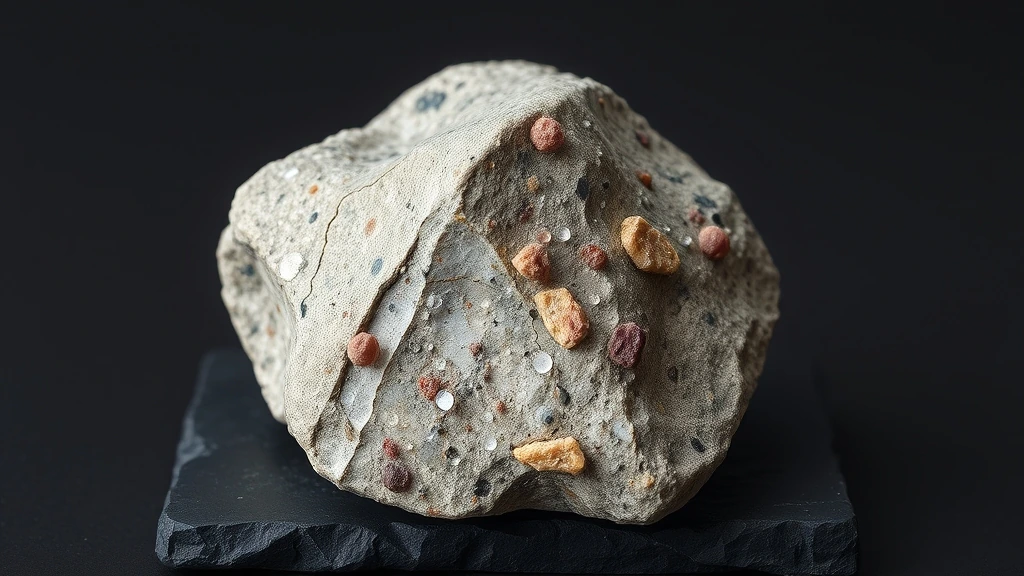
Sanidine belongs to the plagioclase-potassium feldspar solid solution series, classifying it as a natural silicate mineral. As a primary igneous mineral, it crystallizes directly from high-temperature magma during the final stages of volcanic activity. Its geological significance lies in its role as a key indicator of rapid cooling environments, distinguishing it from slower-cooling plutonic varieties.
What is Sanidine? Geological Overview & Definition
Sanidine is a high-temperature variety of potassium feldspar, forming exclusively in volcanic and subvolcanic igneous rocks. It crystallizes at temperatures exceeding 700°C, making it a critical marker for rapid magma cooling rates. Unlike its slower-cooling counterparts, sanidine preserves a high-silica structure that resists immediate inversion to lower-temperature phases.
Geologically, this mineral is frequently found in rhyolites, trachytes, and obsidian flows worldwide. Its presence indicates a high-potassium magmatic source, often associated with continental rift zones or hotspots. In metamorphic contexts, sanidine can persist in high-grade gneisses, though it is more commonly destroyed during retrograde metamorphism.
Sanidine Chemical Composition & Crystallographic Properties
The crystal structure of sanidine is strictly monoclinic, characterized by a single oblique axis and two right angles. This lattice arrangement allows for the ordered distribution of potassium and aluminum ions within the silicate framework. The unit cell parameters reflect a high-temperature stability field, distinguishing it from triclinic microcline or orthoclase.
Chemically, sanidine features cation substitution where potassium (K⁺) occupies the large cation site, balancing the aluminum-silicon tetrahedra. This specific stoichiometry results in a density of approximately 2.52 g/cm³. The mineral exhibits acid sensitivity, dissolving readily in hydrochloric acid, a property useful for distinguishing it from quartz in field identification.
Optical properties include a refractive index range of 1.518–1.531, contributing to its vitreous luster and moderate brilliance. Color variations arise from trace chromophore impurities, such as iron, which create subtle yellow to brown hues. Thermal behavior shows that sanidine remains stable only above specific inversion temperatures, below which it transforms into lower-temperature feldspar polymorphs.
| Property | Specification |
|---|---|
| Mineral Group | Natural Mineral / Crystal |
| Chemical Formula | K(AlSi₃ O₈ ) |
| Mohs Hardness | 6 |
| Crystal System | Monoclinic |
| Specific Gravity (Density) | 2.52 |
| Refractive Index | ”n” α = 1.518–1.525 ”n” β = 1.523–1.530 ”n” γ = 1.525–1.531 |
| Color & Optical Properties | Natural Sanidine color spectrum and optical dispersion |
| Primary Mining Localities | Global primary localities |
| Water & Chemical Resistance | High (Safe for gentle water washing) |
| Chakra Alignment (Traditional) | Third Eye Chakra (Ajna) |
| Zodiac Affinity (Traditional) | Capricorn, Taurus |
| Symbolic Meaning (Traditional) | Spiritual awareness and universal harmony |
Sanidine Varieties & Color Spectrum
Sanidine displays distinct mineralogical characteristics across its geological varieties and structural habits. Gemologists evaluate these natural varieties based on crystal habit, trace chromophore concentrations, and visual luster.
Primary Natural Sanidine
The benchmark natural variety exhibiting diagnostic color saturation and classic crystallographic symmetry.
Distinct Geological Morphs of Sanidine
Secondary regional and structural varieties formed under localized geological temperature and pressure conditions.
White Sanidine
White sanidine crystallizes in monoclinic pegmatites, often forming transparent to translucent crystals with a subtle silvery sheen. Inclusions of mica or quartz give a delicate lattice effect, while the absence of color centers makes it prized for its clarity. Though common in many alkali feldspar deposits, the pure white variant is relatively rare in commercial markets due to competition from more colorful feldspars.
Yellow Sanidine
Yellow sanidine derives its hue from trace amounts of potassium and iron impurities that create a warm, buttery tone. These crystals typically appear in granite pegmatites where the feldspar crystallizes slowly, allowing iron to incorporate into the lattice. The yellow variant is moderately sought after for ornamental use, yet its scarcity in high‑grade form limits widespread trade.
Pink Sanidine
Pink sanidine owes its blush to chromium or vanadium inclusions, giving a subtle rose tint that is highly prized in jewelry. The crystals often display a birefringent effect under polarized light, making them attractive to collectors. Due to the limited concentration of these trace elements, pink sanidine is considered a premium variety, especially in the fine gemstone market.
Green Sanidine
Green sanidine is a rare occurrence, formed by the incorporation of chromium or cobalt into the feldspar lattice. The resulting emerald‑green hue is often accompanied by inclusion zones of mica, producing a distinctive speckled appearance. Its scarcity and striking color make it a coveted specimen among lapidary enthusiasts, though it remains a niche product in the gemstone trade.
Blue‑Grey Sanidine
Blue‑grey sanidine is produced by trace amounts of titanium and iron, which create a muted, slate‑like coloration. These crystals are typically found in high‑grade pegmatites where slow cooling allows for the diffusion of these elements. The subtle color and high refractive index give blue‑grey sanidine a unique visual signature, but its limited supply keeps it out of mainstream commerce.
Brown Sanidine
Brown sanidine results from the presence of iron and magnesium within the crystal lattice, producing a warm, earthy tone. The crystals often exhibit a grainy texture due to the inclusion of small quartz fragments. While brown sanidine is more common than its colorful counterparts, its muted appearance makes it less desirable for high‑end jewelry, though it remains popular in decorative carvings.
Where is Sanidine Found? Geological Mining & Extraction
Sanidine is predominantly hosted in alkali‑rich pegmatite bodies that form within granitic intrusions. These pegmatites, characterized by large crystal sizes and high potassium content, are typically found in continental crust settings where slow cooling allows feldspar growth. Major global deposits include the Boulder, Colorado region in the United States, the Kola Peninsula in Russia, and the Sierra Nevada in Spain, each offering distinct mineral assemblages that influence sanidine coloration.
Extraction of sanidine follows conventional open‑pit or underground mining techniques, depending on the depth and size of the pegmatite. Once quarried, the feldspar is processed through crushing, sieving, and flotation to separate sanidine from other feldspars and quartz. The resulting product is then sorted by color, clarity, and crystal size before being shipped to lapidaries and gemstone markets worldwide.
Historical Significance & Cultural Lore of Sanidine
Across ancient Greco‑Roman lapidary traditions, sanidine was valued for its bright, translucent appearance and used in small ornamental carvings and inlays. In Egyptian artifacts, fragments of sanidine feldspar appear in burial goods, suggesting a symbolic association with the afterlife due to its purity and reflective qualities. Chinese historical records from the Han dynasty note the use of feldspar varieties, including sanidine, in decorative panels and ceremonial objects, highlighting its aesthetic appeal in early Chinese craftsmanship. In Vedic lore, feldspar minerals were sometimes linked to the Ajna or third‑eye chakra, symbolizing spiritual insight and universal harmony.
Modern Uses & Jewelry Applications of Sanidine
Sanidine is prized for its moderate hardness and subtle refractive qualities, making it suitable for a range of ornamental works. Skilled lapidaries cut it into cabochons that highlight its slight pleochroism, or facet it for use in rings, pendants, and earrings where a muted, earthy tone is desired. The stone’s durability also allows it to be carved into small decorative pieces such as cameos or ornamental plaques.
- Cabochon polishing for subtle sheen
- Faceted cuts for rings and earrings
- Carved cameo or ornamental plaques
Metaphysical Properties & Traditional Meaning of Sanidine
According to historical traditions and metaphysical lore, Sanidine is believed to enhance spiritual awareness and foster universal harmony. Across ancient Mediterranean and Vedic lapidary practices, the stone is associated with the Third Eye Chakra (Ajna), encouraging intuition and inner vision. Its earthy hue is thought to ground emotional energy, helping wearers maintain balance during periods of change.
Which Chakra and Zodiac Signs Align with Sanidine?
Sanidine aligns with the Third Eye Chakra (Ajna), the center of intuition and higher consciousness. This alignment is reflected in its use in meditation tools and spiritual jewelry designed to open the mind.
The stone is also associated with the zodiac signs Capricorn and Taurus. In astrological lore, these signs value stability and practicality, qualities that Sanidine is said to reinforce through its grounding energies.
How to Identify Real vs. Fake Sanidine
Synthetic imitations of Sanidine often appear as dyed glass or low‑index synthetic crystals. These replicas lack the subtle pleochroism and characteristic refractive indices of natural Sanidine, and they may exhibit a different hardness profile.
Practical At-Home Authenticity Tests
- Temperature Test (Thermal Feel): Hold the stone in your hand; natural Sanidine feels cool to the touch, whereas glass feels warmer due to its higher thermal conductivity.
- Specific Gravity & Weight Test: Weigh the stone against a known sample of similar size; Sanidine’s density of 2.52 g/cm³ will be noticeably lighter than glass or other denser minerals.
- Scratch & Hardness Test (Mohs Comparison): Use a standard Mohs hardness kit; Sanidine should scratch materials softer than 6 and be scratched by harder ones, matching its 6‑point hardness.
- Microscopic & Loupe Inspection (Internal Inclusions): Under a loupe, natural Sanidine often shows fine, fibrous inclusions or pleochroic streaks, while synthetic versions appear uniformly clear or display artificial striations.
Sanidine Valuation Factors, Grading & Pricing
The market places premium on Color Saturation, with deep, golden‑yellow to amber hues commanding the highest prices. Vibrancy is assessed under natural light, and stones that display a uniform, luminous sheen are considered more desirable. Collectors also value the subtle energetic luster that appears when the crystal is gently rotated, interpreting it as a sign of high‑quality material.
Crystal Size & Weight (Grams) is the next decisive factor, as larger specimens with minimal fractures fetch significantly more. Raw sanidine is priced lower than tumbled pieces that exhibit a polished, glassy surface, because polishing enhances visual appeal without altering the mineral’s composition. Natural matrix inclusions, such as feldspar intergrowths, can either add character or reduce value depending on their visibility and impact on overall clarity.
Ethical Sourcing & Locality Premium influences both holistic and collector markets, especially when the stone originates from renowned volcanic deposits in the Andes or the Tertiary basalts of the Pacific Northwest. Provenance documentation that confirms responsible mining practices adds a moral premium, appealing to buyers who prioritize sustainability. In niche circles, stones from historically significant locales may command a further price uplift due to their cultural resonance.
How to Clean and Care for Sanidine
Gentle cleaning of sanidine should be performed with warm soapy water and a soft cloth, taking care to avoid any abrasive motion that could scratch the surface. After rinsing, pat the stone dry with a clean microfiber towel, ensuring no moisture remains in crevices. Ultrasonic cleaners must be avoided, as the rapid vibrations can cause micro‑fractures in the monoclinic crystal lattice. Store the specimen in a low‑humidity environment, away from direct sunlight, to preserve its natural luster.
Cleansing and Recharging Sanidine (Energetic Care)
For holistic maintenance, sanidine can be lightly smudged with sage or cedar, allowing the aromatic smoke to drift over the stone without saturating it. This practice is believed to clear lingering energetic residues while respecting the mineral’s physical integrity.
Another safe method is to place the stone on a clean selenite charging slab or expose it to gentle moonlight for a few hours, allowing ambient lunar energy to refresh its vibrational field. Avoid any direct heat sources, as intense temperature changes can compromise the crystal structure.
Frequently Asked Questions About Sanidine
Sanidine displays distinct mineralogical characteristics across its geological varieties and structural habits. Gemologists evaluate these natural varieties based on crystal habit, trace chromophore concentrations, and visual luster.
Primary Natural Sanidine
The benchmark natural variety exhibiting diagnostic color saturation and classic crystallographic symmetry.
Distinct Geological Morphs of Sanidine
Secondary regional and structural varieties formed under localized geological temperature and pressure conditions.
Is sanidine safe to wear while washing hands or in the shower?
Yes, sanidine tolerates gentle water exposure. Its monoclinic crystal structure and moderate hardness (Mohs 6) allow safe cleaning with mild water, but prolonged soaking should be avoided to prevent surface wear. Use lukewarm, soapy water and a soft cloth for routine care.
How should I clean sanidine jewelry without damaging it?
Clean with warm soapy water and a soft cloth, avoiding ultrasonic devices. The mineral’s K‑feldspar composition makes it susceptible to micro‑fractures under high‑frequency vibrations. Gently wipe the surface, rinse, and pat dry to maintain its luster and structural integrity.
Can ultrasonic cleaners be used on sanidine gemstones?
No, ultrasonic cleaning is not recommended for sanidine. The rapid cavitation can create internal stresses that may fracture the monoclinic lattice. Stick to manual cleaning methods to preserve clarity and prevent hidden cracks that could compromise durability.
What zodiac signs are traditionally associated with sanidine?
Sanidine aligns with Capricorn and Taurus. In astrological gem lore, these earth signs are linked to the stone’s grounding energy, complementing its spiritual awareness qualities. Wearing sanidine is thought to enhance perseverance and practical ambition for individuals born under these signs.
Which chakra does sanidine correspond to in metaphysical practice?
Sanidine is connected to the Third Eye Chakra (Ajna). This chakra governs intuition and inner vision, and the stone’s high refractive index is believed to stimulate mental clarity. Meditative use may aid in accessing deeper insight and aligning personal perception with universal patterns.
How does sanidine’s hardness affect its suitability for everyday wear?
With a Mohs hardness of 6, sanidine is moderately durable for daily use. It resists scratches from common materials like copper but can be abraded by harder substances such as quartz. Regular gentle cleaning and avoiding contact with abrasive surfaces help maintain its optical brilliance.
What is the typical density of sanidine and why does it matter for setting design?
Sanidine has a density of about 2.52 g/cm³, relatively light for a feldspar. This low specific gravity allows for larger cuts without excessive weight, making it favorable for pendant or chandelier settings. Designers consider this property to balance visual impact with wearer comfort.
Are there any special considerations when storing sanidine gemstones?
Store sanidine separately in a soft pouch or lined compartment. Its K‑feldspar framework can be scratched by harder minerals, and prolonged exposure to moisture may affect surface polish. Keeping it in a dry, cushioned environment preserves both its physical and metaphysical qualities.