
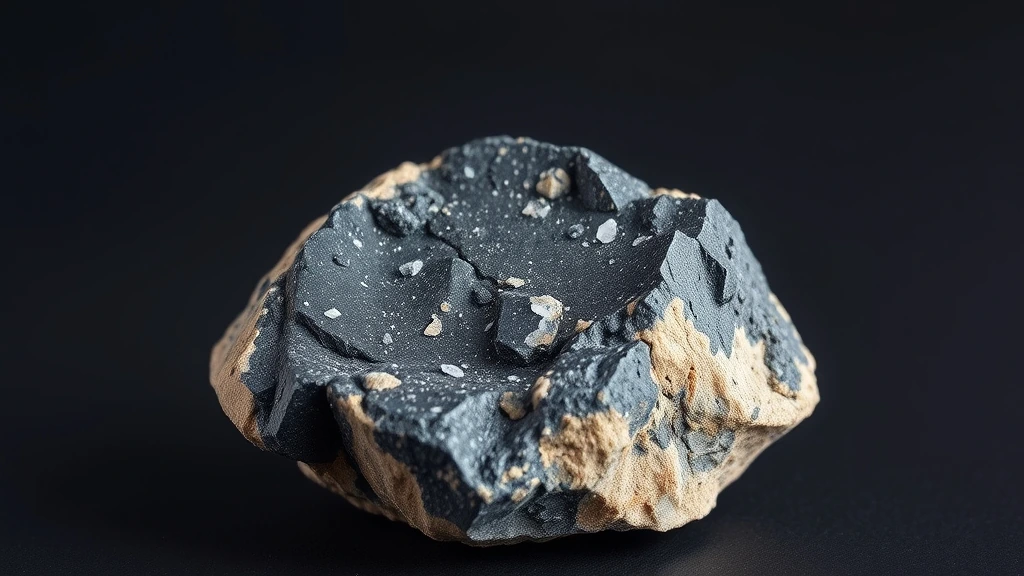
Smithsonite belongs to the Natural Mineral / Crystal group, forming primarily in the oxidized zones of zinc deposits. It often occurs alongside calcite, dolomite, and other secondary minerals in weathered environments. This mineral is significant for its role in understanding zinc ore genesis. Its formation is closely linked to the oxidation of primary sulfide ores. Understanding its context helps geologists map mineralization trends effectively.
What is Smithsonite? Geological Overview & Definition
Smithsonite is a secondary mineral that forms through the oxidation of primary zinc sulfide ores. It typically appears in the supergene enrichment zone of hydrothermal deposits. This process occurs when groundwater interacts with exposed sulfides over millions of years. The resulting carbonate precipitates in open spaces or replaces original minerals.
The mineral is frequently found in association with calcite, dolomite, and smithsonite. These associations help geologists identify specific types of zinc deposits. Smithsonite can also form in metamorphic environments under specific conditions. Its presence indicates a history of chemical weathering and fluid movement. This makes it a valuable indicator mineral in exploration geology.
Smithsonite Chemical Composition & Crystallographic Properties
Smithsonite crystallizes in the Trigonal crystal system, sharing structural similarities with calcite. Its lattice consists of zinc ions coordinated by carbonate groups. This arrangement creates a stable, rhombohedral crystal habit. The trigonal symmetry is a defining characteristic of its crystallography.
The mineral exhibits a refractive index ranging from 1.619 to 1.850. This high birefringence contributes to its distinct optical properties. Smithsonite is sensitive to acids, dissolving readily in dilute hydrochloric acid. This reaction is a standard identification test for carbonate minerals. The acid sensitivity confirms its carbonate composition.
Color variations in smithsonite arise from cation substitution and trace impurities. Iron and manganese can introduce yellow or brown hues. The base color is often white or pale blue. These chromophore centers influence the stone’s visual appeal. Thermal behavior shows that smithsonite decomposes at high temperatures. It releases carbon dioxide and forms zinc oxide. This thermal decomposition is a key property in mineral processing.
| Property | Specification |
|---|---|
| Mineral Group | Natural Mineral / Crystal |
| Chemical Formula | ZnCO₃ |
| Mohs Hardness | 4.5 |
| Crystal System | Trigonal |
| Specific Gravity (Density) | 4.4–4.5 |
| Refractive Index | n ω = 1.842 – 1.850 n ε = 1.619 – 1.623 |
| Color & Optical Properties | Natural Smithsonite color spectrum and optical dispersion |
| Primary Mining Localities | Global primary localities |
| Water & Chemical Resistance | Sensitive (Avoid prolonged water soaking) |
| Chakra Alignment (Traditional) | Solar Plexus Chakra (Manipura) |
| Zodiac Affinity (Traditional) | Leo, Sagittarius |
| Symbolic Meaning (Traditional) | Mental clarity, focus and heightened intuition |
Smithsonite Varieties & Color Spectrum
Smithsonite exhibits a remarkable chromatic diversity driven by trace elemental impurities within its lattice structure. The most commercially significant forms range from pale pastel hues to intense saturated tones. Trace impurities such as iron, manganese, or nickel dictate the specific shade observed in cut specimens.
Blue Smithsonite
This variety is prized for its vivid azure to cobalt blue coloration, typically resulting from nickel substitution within the zinc carbonate matrix. Specimens often display a vitreous luster and high transparency when cut into cabochons or faceted stones. High-grade blue material is exceptionally rare and commands premium prices in the gem market.
Green Smithsonite
Emerald and mint green tones arise primarily from iron impurities integrated into the crystal structure during formation. These stones frequently exhibit a soft, pastel appearance that distinguishes them from more vibrant synthetic alternatives. Green smithsonite is commonly found in oxidized zinc ore deposits across several continents.
White Smithsonite
Pure white specimens indicate minimal trace element contamination, reflecting the base zinc carbonate composition without significant chromophores. This variety often appears milky or translucent, making it suitable for beadwork and ornamental carvings. White smithsonite is the most abundant form, though high-clarity crystals remain collectible among mineralogists.
Pink Smithsonite
Delicate rose and salmon pink hues are attributed to manganese or copper traces within the trigonal crystal lattice. These stones often possess a subtle, ethereal quality that appeals to lapidaries seeking unique pastel gemstones. Pink smithsonite is less common than its blue or white counterparts, adding to its desirability.
Yellow Smithsonite
Golden and lemon yellow varieties result from specific iron oxidation states interacting with the carbonate framework. This color morph is relatively uncommon and often found in association with other zinc-bearing minerals like sphalerite. Yellow smithsonite offers a warm, inviting aesthetic that contrasts sharply with cooler-toned varieties.
Purple Smithsonite
Rare violet and lavender tones are occasionally observed, likely due to complex trace element interactions or radiation effects. These stones are highly sought after by collectors due to their scarcity and unusual chromatic presentation. Purple smithsonite is rarely found in gem-quality sizes, making large specimens a significant find.
Where is Smithsonite Found? Geological Mining & Extraction
Smithsonite primarily forms in the oxidized zones of zinc ore deposits, where zinc-bearing fluids interact with carbonates in the earth’s crust. It frequently occurs alongside minerals such as sphalerite, calcite, and quartz in sedimentary or metamorphic host rocks. The mineral’s softness necessitates careful extraction methods to preserve crystal integrity and clarity.
Major global sources include the Mojave Desert in the United States, the Congo Basin in Africa, and various sites in Australia and China. These regions host extensive zinc deposits where secondary mineralization has produced high-quality gem material. Mining operations focus on recovering large, well-formed crystals for both industrial and gemological purposes.
Historical Significance & Cultural Lore of Smithsonite
Although named after James Smithson in the 19th century, the mineral’s presence in ancient zinc smelting residues suggests early human interaction with its parent ores. Archaeological evidence from ancient India and China reveals sophisticated zinc extraction techniques that likely encountered smithsonite as a byproduct. These early civilizations valued zinc compounds for their medicinal and metallurgical properties.
In Greco-Roman lapidary texts, zinc-bearing minerals were associated with healing and purification rituals. Vedic traditions recognized the spiritual potency of zinc ores, linking them to mental clarity and vitality. The mineral’s modern gemstone status reflects a renewed appreciation for its historical and metaphysical significance.
Modern Uses & Jewelry Applications of Smithsonite
Smithsonite is primarily valued for its vibrant coloration and distinct luster, making it a popular choice for collectors and jewelry designers. Due to its moderate Mohs hardness of 4.5, it is best suited for protective settings that minimize impact and abrasion during daily wear. Lapidaries often cut this mineral into cabochons to showcase its smooth surface and optical properties, though faceted cuts are occasionally used for smaller specimens.
- Cabochon Cutting: The most common lapidary form, highlighting the stone’s waxy to vitreous luster and deep blue-green hues.
- Faceted Jewelry: Used in earrings and pendants where the stone is protected by bezel settings to prevent chipping.
- Ornamental Carving: Larger, high-quality specimens are sometimes carved into decorative objects or paperweights for display purposes.
- Collector Specimens: Unmounted crystals are highly prized by mineralogists for their trigonal prismatic habit and crystal clarity.
Metaphysical Properties & Traditional Meaning of Smithsonite
According to historical traditions and metaphysical lore, Smithsonite is revered for its ability to enhance mental clarity and sharpen focus. Practitioners often associate this stone with heightened intuition, believing it helps the wearer distinguish between truth and illusion in complex situations. The mineral’s energetic signature is described as stabilizing, offering a sense of calm during periods of mental stress or confusion.
In broader lapidary traditions, including ancient Mediterranean and Vedic practices, stones with high zinc content were sometimes linked to intellectual pursuits and communication. Smithsonite is thought to resonate with the Solar Plexus Chakra, supporting personal power and self-confidence. Its symbolic meaning centers on the integration of mind and spirit, encouraging users to trust their inner wisdom while maintaining logical reasoning.
Which Chakra and Zodiac Signs Align with Smithsonite?
Smithsonite is canonically aligned with the Solar Plexus Chakra (Manipura), which governs personal power, will, and self-esteem. This energetic connection supports the stone’s reputation for boosting confidence and mental discipline. By stimulating this chakra, Smithsonite is believed to help individuals assert their boundaries and maintain a strong sense of identity in challenging environments.
Astrologically, Smithsonite resonates most strongly with the fire signs Leo and Sagittarius. These zodiac signs share a dynamic, expressive energy that complements the stone’s vibrant color and stimulating properties. For Leos, it enhances leadership qualities, while for Sagittarians, it supports their quest for knowledge and philosophical insight.
How to Identify Real vs. Fake Smithsonite
The market for Smithsonite includes various imitations, ranging from synthetic glass to dyed quartz or other carbonate minerals. Because the stone is relatively soft, sellers may substitute harder, clearer materials to mimic its appearance. Understanding the physical properties of genuine Smithsonite is essential for distinguishing it from these artificial or natural look-alikes.
Practical At-Home Authenticity Tests
- Temperature Test (Thermal Feel): Genuine Smithsonite feels cool to the touch initially due to its high density of 4.4–4.5. Glass imitations often warm up faster when held in the hand, lacking the same thermal mass as the natural mineral.
- Specific Gravity & Weight Test: When held, real Smithsonite feels noticeably heavier than its size would suggest compared to lighter imitations like dyed quartz. This weight difference is a reliable indicator of the stone’s specific gravity and internal structure.
- Scratch & Hardness Test (Mohs Comparison): With a Mohs hardness of 4.5, Smithsonite will be scratched by a steel knife (hardness 5.5) but will scratch glass (hardness 5.5) only with difficulty or not at all. Softer imitations will scratch easily, while harder fakes like quartz will not be scratched by the stone.
- Microscopic & Loupe Inspection (Internal Inclusions): Using a 10x loupe, look for natural inclusions such as fluid bubbles or mineral traces common in Smithsonite. Synthetic glass often contains swirling patterns or spherical bubbles that are uniform and unnatural, indicating a manufactured origin.
Smithsonite Valuation Factors, Grading & Pricing
The most sought‑after Smithsonite specimens exhibit Color Saturation that ranges from deep, vivid greens to translucent emerald hues. A saturated color not only signals mineral purity but also enhances the stone’s natural energetic luster, making it highly prized among collectors who value visual vibrancy. The intensity of the green is often a direct indicator of the zinc content and the degree of crystal perfection within the specimen.
Crystal Size & Weight (Grams) remains the primary metric for market valuation. Larger crystals, measured in grams, command higher prices, especially when they retain a natural, unaltered matrix. Raw specimens that have been left in their native matrix are typically valued more than tumbled, polished pieces, as the latter may lose subtle inclusions that add character. The overall weight, coupled with the crystal’s dimensional integrity, provides a reliable gauge for grading Smithsonite without resorting to carat or tumbled polish and natural crystal geometry.
Ethical Sourcing & Locality Premium drives the holistic and collector markets. Specimens sourced from responsibly managed mines, such as those in the United States, Brazil, or the Czech Republic, receive a premium due to their traceable provenance and compliance with environmental standards. Locality prestige—especially from renowned deposits like the Franklin Mine—adds an additional layer of desirability, reflecting both geological uniqueness and cultural heritage.
How to Clean and Care for Smithsonite
When cleaning Smithsonite, the safest approach is to wipe briefly with a damp cloth and dry the stone immediately with a soft, lint‑free towel. This gentle method removes surface dust without allowing moisture to linger, which could otherwise compromise the crystal’s structural integrity. Avoid ultrasonic cleaners or any prolonged exposure to water, as these can induce microfractures in the delicate zinc carbonate lattice.
Cleansing and Recharging Smithsonite (Energetic Care)
To cleanse and recharge Smithsonite’s energetic properties, place the stone in a quiet, shaded area and expose it to gentle moonlight for a few hours. This natural light source subtly revitalizes the crystal’s vibration without subjecting it to heat. Alternatively, resting the stone on a selenite charging slab allows it to absorb the selenite’s purifying energy, fostering a balanced, clear aura. Both methods are safe, dry, and respect the mineral’s sensitivity to thermal and mechanical stress.
Frequently Asked Questions About Smithsonite
Smithsonite displays distinct mineralogical characteristics across its geological varieties and structural habits. Gemologists evaluate these natural varieties based on crystal habit, trace chromophore concentrations, and visual luster.
Primary Natural Smithsonite
The benchmark natural variety exhibiting diagnostic color saturation and classic crystallographic symmetry.
Distinct Geological Morphs of Smithsonite
Secondary regional and structural varieties formed under localized geological temperature and pressure conditions.
What is the chemical composition of smithsonite?
Smithsonite is zinc carbonate, ZnCO₃. This trigonal mineral forms through the oxidation of sphalerite and is prized for its high density (4.4–4.5 g/cm³) and distinctive refractive indices that give it a warm, honey‑yellow to greenish hue when cut as a gemstone.
How hard is smithsonite on the Mohs scale?
It rates about 4.5 on the Mohs hardness scale. This moderate hardness means smithsonite is suitable for pendants and earrings but should be protected from scratches, especially when worn against harder stones or metals, to preserve its luster and surface polish.
Is smithsonite safe to wear in water or the shower?
No, smithsonite is water‑sensitive and should avoid prolonged soaking. Prolonged exposure to moisture can weaken its crystal lattice, leading to micro‑fractures; brief contact is permissible, but drying immediately is essential to maintain structural integrity.
How should I clean a smithsonite?
Wipe it briefly with a damp cloth and dry immediately; avoid ultrasonic cleaners. Because ultrasonic vibrations can cause internal stress, a soft, lint‑free microfiber cloth or a gentle brush is the safest method, preserving the stone’s clarity and surface finish.
Can smithsonite be used in jewelry for daily wear?
Yes, but with care due to its moderate hardness and water sensitivity. Ideal settings are protective bezels or prongs that shield the stone from impact, and owners should remove the piece before activities involving water, chemicals, or heavy abrasion to prevent damage.
Which zodiac signs are associated with smithsonite?
Leo and Sagittarius are the aligned zodiac signs. In astrological tradition, these fire signs are believed to resonate with smithsonite’s energetic warmth, enhancing confidence and personal power for those born under these constellations.
Which chakra does smithsonite correspond to?
It aligns with the Solar Plexus Chakra (Manipura). This chakra governs personal will and self‑esteem, and smithsonite is thought to amplify mental clarity, focus, and heightened intuition, supporting confidence in decision‑making.
What are the typical colors and visual characteristics of smithsonite?
Smithsonite displays a range from pale yellow to deep green, often with a silky luster. Its trigonal crystal habit can produce botryoidal or massive aggregates, and when faceted, the stone reveals a subtle play of light that enhances its appeal as a collector’s gem.