
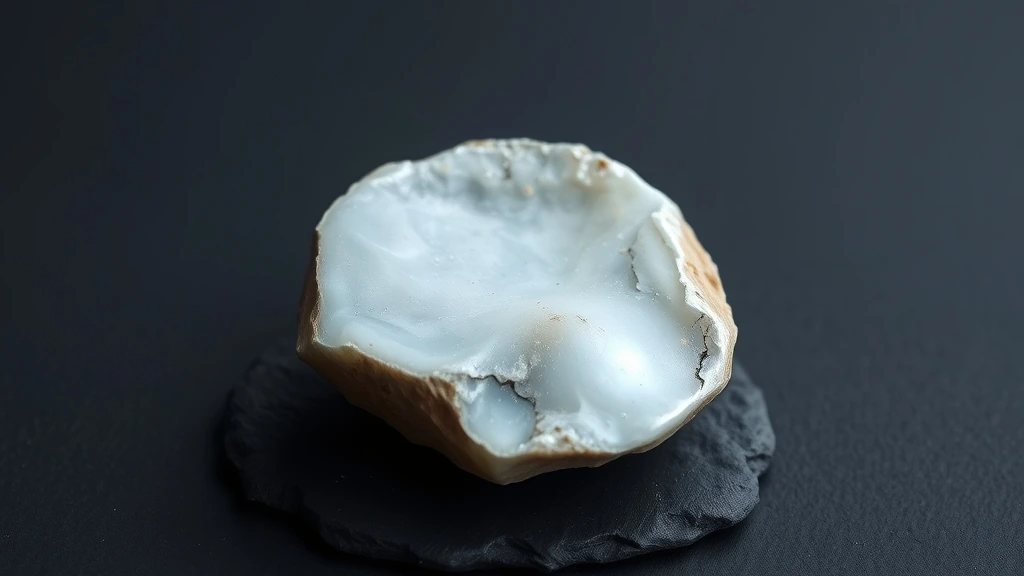
Tahitian pearls belong to the broader category of natural minerals and crystals, even though their origin is biological. The nacreous layers are composed of microscopic aragonite crystals interleaved with conchiolin, a protein matrix that imparts resilience and luster. This composite structure classifies the pearl as an organic‑inorganic aggregate, aligning it with the natural mineral group while retaining distinct biogenic characteristics. Their formation in warm Pacific waters adds a geological context tied to marine sedimentary environments.
What is Tahitian Pearl? Geological Overview & Definition
Tahitian pearls are cultured gems harvested from *Pinctada margaritifera*, the black-lipped pearl oyster endemic to French Polynesia. Across ancient lapidary traditions, these pearls were prized for their mysterious iridescent play of color, a phenomenon rooted in light interference within the nacre layers. Their classification as a gemstone stems from the mineralogical nature of the aragonite crystals that constitute the pearl’s core.
In historical metaphysical lore, Tahitian pearls are linked to the Solar Plexus Chakra (Manipura), believed to foster emotional balance and inner peace. Astrological associations connect them to Cancer and Pisces, reflecting the oceanic origins of the gem. These cultural dimensions complement the scientific understanding of the pearl as a living mineral artifact.
Tahitian Pearl Chemical Composition & Crystallographic Properties
The nacreous component of Tahitian pearls is primarily aragonite, a polymorph of calcium carbonate that crystallizes in the trigonal system. Within the lattice, calcium ions occupy octahedral sites while carbonate groups align along the c‑axis, creating a tightly packed, layered structure. Minor cation substitution, such as magnesium or strontium, can occur, subtly influencing hardness and optical response.
Because the pearl is an organic–inorganic composite, it lacks a single stoichiometric formula; instead, it comprises an aggregate of aragonite platelets bound by conchiolin protein. This matrix renders the pearl sensitive to strong acids, which can dissolve the calcium carbonate while leaving the organic matrix partially intact. The iridescent colors arise from chromophore color centers where trace metal ions alter light scattering.
Thermally, Tahitian pearls exhibit stability up to about 150 °C, beyond which the organic conchiolin degrades and the aragonite may transform to calcite, a hexagonal polymorph. This phase change can diminish luster and alter the characteristic play of color. Proper care therefore avoids extreme heat, preserving both the mineral integrity and the cultural heritage embedded in each pearl.
| Property | Specification |
|---|---|
| Mineral Group | Natural Mineral / Crystal |
| Mohs Hardness | 6.5 – 7.0 |
| Crystal System | Trigonal |
| Color & Optical Properties | Natural Tahitian Pearl color spectrum and optical dispersion |
| Primary Mining Localities | Global primary localities |
| Water & Chemical Resistance | High (Safe for gentle water washing) |
| Chakra Alignment (Traditional) | Solar Plexus Chakra (Manipura) |
| Zodiac Affinity (Traditional) | Cancer, Pisces |
| Symbolic Meaning (Traditional) | Emotional balance, compassion and inner peace |
Tahitian Pearl Varieties & Color Spectrum
Tahitian pearls exhibit a unique chromatic range derived from the black-lipped oyster (*Pinctada margaritifera*). Unlike cultured white pearls, these gems possess a natural dark overtone that serves as a canvas for iridescent hues. The primary coloration stems from organic nacre layers rather than external dyeing processes.
The most coveted variety is the Peacock Green, characterized by vibrant green overtones on a deep black base. This specific morph results from precise light interference within the aragonite crystal structure. Its rarity makes it the benchmark for high-end Tahitian pearl valuation in global gemological markets.
Peacock Green
This variety displays a striking interplay of emerald and teal iridescence against a dark background. The visual signature is defined by a high luster and minimal surface blemishes. Collectors prize this color for its dynamic shift under varying light conditions.
Geologically, the intensity of the green overtone correlates with the thickness and uniformity of the nacre layers. Oysters in the Tuamotu archipelago often produce the most saturated examples. This specific hue commands a significant premium in the international luxury jewelry sector.
Chocolate Brown
Chocolate brown pearls feature warm, earthy overtones that resemble rich cocoa or mahogany wood. These stones often exhibit a subtle orient that enhances their depth and warmth. They are frequently paired with gold settings to accentuate their natural richness.
The formation of this color morph involves specific mineral impurities within the calcium carbonate matrix. While less rare than peacock green, high-quality chocolate brown pearls remain highly desirable. Their versatility allows them to complement both warm and cool skin tones effectively.
Purple and Violet
Purple Tahitian pearls range from soft lavender to deep royal violet, creating a regal aesthetic. The iridescence in these stones often appears as a halo around the pearl’s surface. This variety is particularly popular in bridal jewelry and formal evening wear.
The violet hue is a result of complex light refraction through the trigonal crystal system of the nacre. Consistency in color saturation across the entire surface is a key indicator of quality. These pearls are often selected for their ability to convey elegance and sophistication.
Silver and Gray
Silver-gray pearls offer a neutral, sophisticated appearance with cool, metallic overtones. They are prized for their luster and ability to pair seamlessly with platinum and white gold. This variety is often considered the most versatile in the Tahitian spectrum.
The gray base color provides a neutral backdrop that highlights the nacre quality. High-grade silver pearls exhibit a mirror-like reflectivity that distinguishes them from lower-quality imitations. They are a staple in contemporary minimalist jewelry design.
Blue and Teal
Blue and teal Tahitian pearls display cool, aquatic overtones that evoke the ocean depths. The color is often described as petrol or turquoise, depending on the specific light interaction. These stones are highly sought after for their unique and refreshing visual appeal.
The formation of blue overtones is linked to the specific arrangement of aragonite platelets. This variety is less common than gray or chocolate, adding to its desirability. Jewelers often use these pearls in statement pieces to create a bold visual impact.
Where is Tahitian Pearl Found? Geological Mining & Extraction
Tahitian pearls are exclusively harvested from the black-lipped oyster (*Pinctada margaritifera*), which thrives in the warm, nutrient-rich waters of the South Pacific. The primary extraction regions include the Tuamotu, Gambier, and Austral archipelagos within French Polynesia. These lagoons provide the ideal salinity and temperature conditions for optimal nacre secretion.
Unlike solid rock mining, pearl extraction involves careful aquaculture practices rather than traditional geological prospecting. Oysters are cultivated on ropes suspended in the water, allowing for controlled growth and harvest. The host environment must remain free from excessive sediment to ensure the clarity and luster of the resulting pearls.
Historical Significance & Cultural Lore of Tahitian Pearl
Ancient Polynesian cultures revered the black-lipped oyster as a sacred entity, often associating it with the god of the sea. Archaeological evidence suggests that these pearls were used as currency and status symbols in pre-European contact societies. Their dark hue was believed to embody the power and mystery of the ocean depths.
In broader historical context, the global appreciation for dark pearls grew significantly after European explorers documented their unique beauty. Unlike the white pearls favored in Greco-Roman and Egyptian antiquity, Tahitian pearls offered a distinct aesthetic alternative. This cultural shift highlighted the diversity of natural gemstones available across different maritime regions.
Modern Uses & Jewelry Applications of Tahitian Pearl
Tahitian pearls are prized for their natural luster and unique color palette, ranging from silver to peacock green. Unlike cultured freshwater pearls, they require minimal treatment to enhance their inherent beauty. Jewelers often set them in platinum or white gold to complement their dark tones.
- Cabochon Polishing: The nacre is polished to a high shine to maximize the orient effect, which creates a rainbow-like sheen on the surface.
- Faceted Gemstones: Rarely, high-quality Tahitian pearl nacre is cut into faceted cabochons for use in high-end cocktail rings and earrings.
- Ornamental Carving: Master lapidaries carve intricate floral or geometric designs into thick nacre sheets for decorative boxes and inlays.
- Minimalist Settings: Modern designs favor simple bezel settings that allow the pearl’s natural shape and color to remain the focal point.
Metaphysical Uses & Origins of Tahitian Pearl
In historical metaphysical lore, pearls were revered as tears of the moon, symbolizing purity and emotional clarity. Practitioners often use Tahitian pearls in meditation to promote emotional balance and soothe turbulent mental states. Their dark, iridescent surface is believed to absorb negative energy and reflect inner peace.
These gems are frequently incorporated into grounding practices, where their organic origin connects the wearer to natural cycles. In architectural and lapidary arts, Tahitian pearl nacre is used in decorative inlays to add a sense of depth and tranquility to sacred spaces. The nacreous structure is thought to harmonize the wearer’s energy field with the surrounding environment.
Which Chakra and Zodiac Signs Align with Tahitian Pearl?
Tahitian pearls are traditionally aligned with the Solar Plexus Chakra (Manipura), which governs personal power, confidence, and self-esteem. This alignment stems from the pearl’s ability to stabilize emotional fluctuations, thereby strengthening the core energy center. By balancing the Manipura, the pearl helps the wearer maintain a steady sense of identity and purpose.
Astrologically, these pearls resonate strongly with the water signs of Cancer and Pisces. Both signs are known for their deep emotional sensitivity and intuitive nature. The pearl’s calming influence supports these signs by providing a protective shield against emotional overwhelm. It encourages them to channel their intuition into creative and compassionate actions.
How to Identify Real vs. Fake Tahitian Pearl
Artificial imitations often use synthetic glass, plastic, or dyed freshwater pearls to mimic the appearance of genuine Tahitian pearls. These fakes may lack the natural nacre layering and subtle color variations found in authentic specimens. Dyed replicas often show unnatural color saturation, particularly in the core areas where the dye penetrates unevenly.
Practical At-Home Authenticity Tests
- Temperature Test (Thermal Feel): Genuine pearls feel cool to the touch initially and warm up slowly due to their thermal conductivity. Glass imitations, however, often feel warmer immediately or remain cold for a longer period without warming up naturally.
- Specific Gravity & Weight Test: Real Tahitian pearls have a higher specific gravity than plastic or glass substitutes of the same size. Hold the pearl in your palm; if it feels unexpectedly light for its diameter, it may be a hollow or synthetic imitation.
- Scratch & Hardness Test (Mohs Comparison): With a Mohs hardness of 6.5 to 7.0, genuine nacre can be scratched by a steel knife tip if pressed hard, but it will not scratch glass. Gently rub the pearl against another pearl; real nacre may show minor abrasion, while plastic will not.
- Microscopic & Loupe Inspection (Internal Inclusions): Use a 10x loupe to examine the surface for nacre growth lines and natural irregularities. Glass imitations often appear too perfect and may contain tiny air bubbles or swirls, which are absent in genuine organic pearls.
Tahitian Pearl Valuation Factors, Grading & Pricing
The primary determinant of value is Color Variations, with deep peacock, aubergine, and green tones commanding the highest premiums in the global market. Natural surface texture and subtle iridescent banding significantly enhance aesthetic appeal, distinguishing high-quality specimens from uniform, machine-produced alternatives. Gemologists assess these visual characteristics under standardized lighting to ensure accurate color grading and market positioning.
Specimen Mass & Size (Grams/Kilograms) directly correlates with rarity, as larger pearls require extended cultivation periods and higher biological risk for the oyster. Carving craftsmanship and structural block integrity are critical for ornamental pieces, ensuring the nacre withstands physical stress without cracking. Light diffusion through the nacre layers creates a unique luster that elevates the perceived value of each individual stone.
Geographical Origin & Authenticity remains a vital factor, with French Polynesia being the most recognized and trusted source for genuine Tahitian pearls. Wholesale ornamental and wellness market trends often favor certified authenticity, as synthetic imitations can erode consumer trust and long-term investment value. Reputable dealers provide detailed provenance documentation to verify origin and support premium pricing in competitive international markets.
How to Clean and Care for Tahitian Pearl
Maintain the integrity of the nacre by using warm soapy water and a soft cloth to gently remove surface oils and dust. Avoid ultrasonic cleaners entirely, as high-frequency vibrations can cause structural fractures within the delicate organic layers of the pearl. After cleaning, rinse thoroughly with lukewarm water and pat dry with a lint-free microfiber cloth to prevent water spots.
Store pearls separately from harder gemstones to prevent abrasion, as the Mohs hardness of 6.5 to 7.0 makes them susceptible to scratching. Avoid exposure to harsh chemicals, perfumes, or hairsprays, which can degrade the nacre surface over time. Regular inspection for loose settings or string wear ensures the longevity and aesthetic preservation of the jewelry piece.
Cleansing and Recharging Tahitian Pearl (Energetic Care)
For holistic maintenance, practitioners often employ herbal smudging with sage or palo santo to clear perceived energetic stagnation around the pearl. This dry method avoids moisture exposure, preserving the structural stability of the organic material while addressing spiritual cleansing intentions. The gentle smoke circulation is believed to restore the stone’s natural vibrancy without physical contact or chemical interaction.
Alternatively, placing the pearl on a selenite charging slab during a full moon allows for passive energetic recharging through ambient lunar exposure. This method avoids direct intense sunlight or domestic heating, which can cause thermal shock and damage the crystal lattice structure. Resting the pearl in a cool, dry environment overnight ensures safe energetic renewal while maintaining its physical integrity.
Frequently Asked Questions About Tahitian Pearl
Tahitian Pearl displays distinct mineralogical characteristics across its geological varieties and structural habits. Gemologists evaluate these natural varieties based on crystal habit, trace chromophore concentrations, and visual luster.
Primary Natural Tahitian Pearl
The benchmark natural variety exhibiting diagnostic color saturation and classic crystallographic symmetry.
Distinct Geological Morphs of Tahitian Pearl
Secondary regional and structural varieties formed under localized geological temperature and pressure conditions.
What makes Tahitian pearls different from other pearls?
Tahitian pearls are naturally formed in black or dark‑colored oysters, giving them a unique iridescent sheen. Their trigonal crystal structure and Mohs hardness of 6.5–7.0 provide a slightly firmer feel than freshwater pearls, while the dark nacre offers a striking contrast in jewelry.
Are Tahitian pearls safe to wear in the shower?
Yes, Tahitian pearls are water‑resistant and can be gently washed in a shower. They tolerate mild water exposure, but prolonged soaking or high pressure can cause surface wear. A quick rinse with lukewarm water keeps them clean without compromising their integrity.
How should I clean my Tahitian pearl jewelry?
Use warm soapy water and a soft cloth, avoiding ultrasonic cleaners. The pearl’s delicate nacre can fracture under ultrasonic vibration, so gentle wiping with a microfiber cloth after a mild wash preserves its luster and structural stability.
Can I use an ultrasonic cleaner on Tahitian pearls?
No, ultrasonic cleaners should be avoided for Tahitian pearls. The high‑frequency vibrations can crack the pearl’s surface, especially where the trigonal crystal lattice is most vulnerable. Stick to manual cleaning methods instead.
Which zodiac signs are associated with Tahitian pearls?
Tahitian pearls are linked to the Cancer and Pisces zodiac signs. These signs are believed to resonate with the pearl’s calming and protective energies, enhancing emotional balance and intuition in wearers.
Which chakra does the Tahitian pearl correspond to?
The Tahitian pearl aligns with the Solar Plexus Chakra (Manipura). This chakra governs personal power and confidence, and the pearl’s radiant glow is thought to support emotional balance and inner strength.
How durable are Tahitian pearls compared to other gemstones?
Tahitian pearls have a Mohs hardness of 6.5–7.0, making them moderately durable. While they resist scratching better than softer gems, they still require careful handling to avoid dents or surface damage, especially during rough wear.
What care tips should I follow to maintain the pearl’s shine?
Store Tahitian pearls separately in a soft pouch and dust them with a dry microfiber cloth. Avoid contact with harsh chemicals, perfumes, or extreme temperature changes, as these can dull the pearl’s natural iridescence and compromise its structural integrity.