
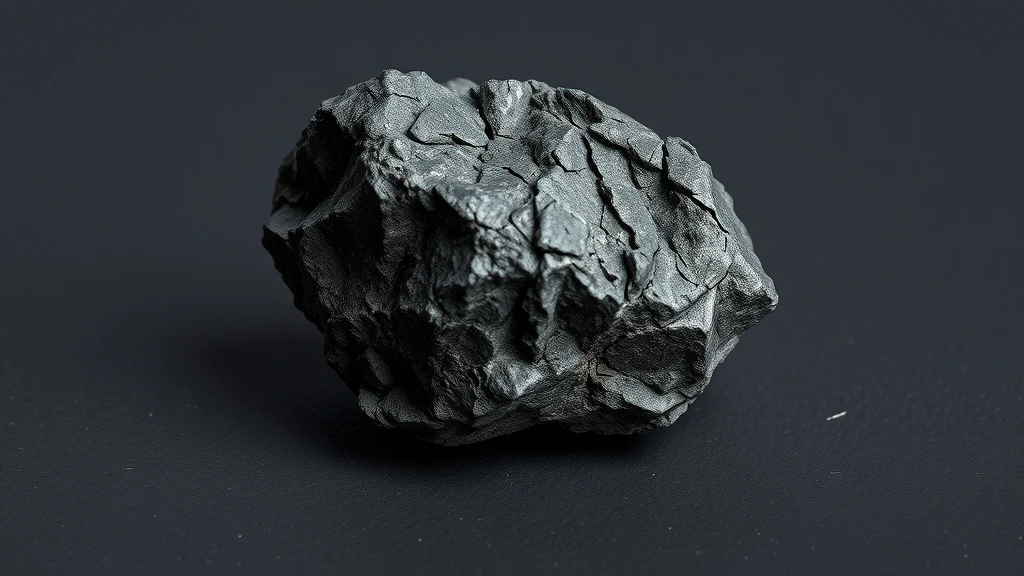
Thulite belongs to the natural mineral / crystal category and is classified as a manganese‑rich member of the zoisite group. Its orthorhombic crystal system yields prismatic crystals that often occur as massive aggregates rather than well‑formed individual gems. Formed in metamorphic environments, thulite commonly replaces calc‑silicate rocks and can be found in marble‑like nodules that are cut for ornamental use. The stone’s pink coloration, combined with its moderate hardness, has made it a favored ornamental material across cultures for centuries.
What is Thulite? Geological Overview & Definition
Thulite is the pink, manganese‑colored variety of zoisite, a calcium aluminum silicate that crystallizes in the orthorhombic system. It typically appears as massive, fibrous aggregates rather than distinct crystals, giving it a marble‑like texture prized by lapidaries. Across ancient lapidary traditions, thulite was valued for its soothing hue and used in cameos, intaglios, and decorative panels.
The mineral forms in low‑ to medium‑grade metamorphic zones where manganese‑rich fluids infiltrate calcium‑silicate host rocks. These fluids replace portions of the original mineral lattice, introducing Mn²⁺ ions that generate the characteristic pink to rose coloration. In modern gem markets, thulite is cut into cabochons, beads, and ornamental tiles, often polished to a high sheen. Similarly, the manganese‑rich metamorphic environments that produce thulite can also yield the rare pink variety of Pyroxmangite, offering another striking option for cabochon and bead designs.
Thulite Chemical Composition & Crystallographic Properties
Thulite’s composition is best expressed as (Ca,Mn)₂Al₃(SiO₄)(Si₂O₇)O(OH), reflecting Mn²⁺ substitution for Ca²⁺ within the zoisite framework. Because the manganese content varies, no single stoichiometric formula can be assigned; instead, the mineral is described as a solid‑solution series between zoisite and its manganese‑rich endmember. This substitution is the primary chromophore, absorbing specific wavelengths and imparting the pink hue. While thulite’s distinct pink hue stems from its manganese-rich zoisite framework, its soft, translucent appearance often draws comparisons to the fibrous, pale-green Chrysotile Serpentine, a mineral prized for its own gentle calming properties.
The crystal lattice is orthorhombic, belonging to the space group Pnma, with three mutually perpendicular axes of unequal length. Unit‑cell parameters typically range around a = 8.5 Å, b = 7.0 Å, and c = 12.5 Å, producing prismatic crystals that may exhibit perfect cleavage on {010}. The orthorhombic symmetry governs the mineral’s optical properties, yielding a biaxial positive refractive index of 1.69–1.70.
Thulite is moderately sensitive to acidic environments; exposure to dilute acids can leach manganese and calcium, gradually fading the pink coloration. This acid sensitivity is a key consideration for cleaning and setting the stone in jewelry. Thermal treatment at temperatures above 400 °C can cause dehydroxylation, altering the crystal structure and potentially darkening the color, a process sometimes employed to enhance stability.
Despite its relative softness, thulite’s density of 3.10–3.38 g/cm³ and hardness of 6.5 make it a durable ornamental material when handled with care. Its orthorhombic framework remains stable under typical wear conditions, ensuring that the gemstone retains its distinctive hue and luster over decades of use.
| Property | Specification |
|---|---|
| Mineral Group | Natural Mineral / Crystal |
| Mohs Hardness | 6.5 |
| Crystal System | Orthorhombic |
| Specific Gravity (Density) | 3.10–3.38 |
| Refractive Index | 1.69–1.70 |
| Color & Optical Properties | Natural Thulite color spectrum and optical dispersion |
| Primary Mining Localities | Global primary localities |
| Water & Chemical Resistance | High (Safe for gentle water washing) |
| Chakra Alignment (Traditional) | Root Chakra (Muladhara) |
| Zodiac Affinity (Traditional) | Aquarius, Gemini |
| Symbolic Meaning (Traditional) | Mental clarity, focus and heightened intuition |
Thulite Varieties & Color Spectrum
Thulite is a rare variety of spodumene distinguished by its distinctive pink to rose hue, a coloration derived from trace amounts of manganese. Unlike common spodumene varieties that appear green or colorless, thulite’s chromophore creates a soft, pastel aesthetic highly prized in lapidary arts. The mineral typically forms in pegmatite deposits, where slow cooling allows for the development of large, well-formed crystals.
Classic Pink Thulite
The most widely recognized form exhibits a uniform, translucent pink color ranging from pale blush to medium rose. This variety often contains minor inclusions of quartz or feldspar, which can slightly affect clarity but rarely diminish its visual appeal. Found primarily in Canada and Russia, classic pink thulite is valued for its consistent hue and moderate transparency. Its orthorhombic crystal structure allows for excellent faceting, making it a popular choice for high-end jewelry.
Deep Rose Thulite
Rare specimens display a deeper, more saturated rose coloration, often attributed to higher concentrations of manganese impurities. These stones may exhibit subtle internal zoning, where color intensity varies across the crystal lattice. Deep rose thulite is significantly rarer than its lighter counterparts, commanding premium prices in the gem market. Collectors seek these pieces for their rich saturation and potential for displaying pleochroism under polarized light.
Pale Lavender Thulite
Some thulite specimens show a faint lavender or lilac tint, resulting from complex trace element interactions within the crystal structure. This color morph is less common and often mistaken for other pinkish feldspars or tourmalines by untrained observers. The pale hue offers a delicate, ethereal quality that appeals to designers seeking understated elegance. Its refractive index remains consistent with standard spodumene, ensuring brilliant light return when cut properly.
Inclusive Thulite
Certain deposits yield thulite with visible inclusions of hematite or other silicate minerals, creating unique internal patterns. These inclusions can range from microscopic specks to larger, eye-visible features that add character to the stone. While purists prefer eye-clean specimens, inclusive thulite is appreciated for its geological storytelling and natural uniqueness. The presence of these inclusions can sometimes enhance the stone’s specific gravity, distinguishing it from synthetic imitations.
Commercial Grade Thulite
Lower-grade material often exhibits cloudiness or significant internal fractures, limiting its use to cabochons or carvings. This variety is more abundant and accessible, making it popular for mass-produced jewelry and decorative objects. Despite its lower clarity, commercial grade thulite retains the characteristic pink hue and Mohs hardness of 6.5. It serves as an entry point for collectors and enthusiasts exploring the broader spodumene family.
Where is Thulite Found? Geological Mining & Extraction
Thulite occurs exclusively in pegmatite dikes, which are coarse-grained igneous rocks formed from the final stages of magma crystallization. These geological formations are typically found in regions with significant tectonic activity, where mineral-rich fluids infiltrate surrounding rock. The slow cooling process within these dikes allows spodumene crystals to grow large enough for gem-quality extraction.
Primary mining regions include the Ottawa Valley in Canada and the Kola Peninsula in Russia, both known for rich pegmatite deposits. Smaller occurrences have been documented in Brazil and Madagascar, though these sites yield limited commercial quantities. Extraction involves careful blasting and hand-picking to preserve crystal integrity, as thulite’s moderate hardness makes it susceptible to breakage.
Historical Significance & Cultural Lore of Thulite
Historical records indicate that pink spodumene varieties were likely known to ancient civilizations, though they were often categorized broadly under rose-colored feldspars or tourmalines. In Greco-Roman lore, pink stones were associated with Aphrodite and Venus, symbolizing love, beauty, and emotional healing. Archaeological findings in Mediterranean regions reveal carved pink gemstones used in amulets and jewelry, suggesting early recognition of their aesthetic and symbolic value.
In Vedic traditions, pink minerals were linked to the heart chakra and emotional balance, often incorporated into ritualistic jewelry. Chinese dynastic records mention rose-colored stones used in imperial adornments, signifying prosperity and harmony. These cross-cultural references highlight the enduring appeal of thulite’s soft hue in historical lapidary practices.
Modern Uses & Jewelry Applications of Thulite
Thulite is primarily valued for its soft, pastel pink hue, which makes it a favored material for cabochon cutting in contemporary jewelry design. Lapidaries typically polish these stones into smooth, domed shapes to maximize their gentle luster without risking fracture during faceting. Due to its moderate hardness, this mineral is ideal for pendants, earrings, and rings that do not endure heavy daily impact.
- Cabochon Pendants: The most common cut, showcasing the stone’s uniform color and smooth surface.
- Carved Ornaments: Skilled artisans carve thulite into small figurines, beads, and ornamental inlays for decorative boxes.
- Gemstone Beads: Polished spheres and irregular tumbled stones are widely used in bracelet and necklace crafting.
- Lapidary Projects: Its workability makes it a popular choice for hobbyists practicing basic cutting and polishing techniques.
Metaphysical Properties & Traditional Meaning of Thulite
According to historical traditions and metaphysical lore, thulite is revered as a stone of emotional balance and inner peace. Practitioners believe it helps dissolve feelings of anxiety and promotes a state of mental clarity during challenging life transitions. In ancient lapidary practices, soft-pink stones were often associated with the heart’s ability to heal and forgive.
This mineral is said to enhance heightened intuition, allowing users to access deeper spiritual insights with greater ease. It is frequently recommended for meditation sessions aimed at calming the mind and fostering self-compassion. By grounding the user’s energy, thulite supports a steady connection between the physical body and the spiritual realm.
Which Chakra and Zodiac Signs Align with Thulite?
In esoteric crystal healing systems, thulite is specifically aligned with the Root Chakra (Muladhara). This energy center governs feelings of safety, stability, and physical survival. By resonating with this chakra, the stone is believed to anchor the user’s energy, providing a sense of security and grounded presence.
Astrologically, thulite is considered a powerful ally for individuals born under the signs of Aquarius and Gemini. For Aquarius, it supports intellectual clarity and humanitarian ideals, while for Gemini, it aids in balancing mental chatter and enhancing communication. These alignments suggest that the stone’s energy complements the intellectual and social nature of these air signs.
How to Identify Real vs. Fake Thulite
Because genuine thulite is relatively rare and affordable, it is frequently imitated by synthetic glass, dyed quartz, or other pink-colored minerals. These fakes often lack the natural inclusions and subtle color variations found in authentic specimens. Understanding the physical properties of the real mineral is essential for distinguishing it from these artificial replicas.
Practical At-Home Authenticity Tests
- Temperature Test (Thermal Feel): Hold the stone in your palm for thirty seconds; genuine thulite will feel cool to the touch initially, whereas plastic imitations warm up quickly.
- Specific Gravity & Weight Test: Compare the stone’s weight to a similarly sized piece of glass; thulite has a density of 3.10–3.38, making it feel slightly heavier than standard glass.
- Scratch & Hardness Test (Mohs Comparison): Gently rub the stone against a steel knife blade; thulite, with a Mohs hardness of 6.5, will not scratch the steel, while softer fakes may leave marks.
- Microscopic & Loupe Inspection (Internal Inclusions): Examine the stone under a 10x loupe; natural thulite often displays tiny mineral inclusions or cloudiness, while synthetic glass is typically perfectly clear or contains bubble-like imperfections.
Thulite Valuation Factors, Grading & Pricing
The foremost determinant of thulite value is color saturation. Deep, uniform pink to rose hues that display a vivid, lively glow command premium prices, while pale or uneven tones are priced lower. Collectors also prize a natural, energetic luster that appears to shimmer without artificial enhancement, adding to market desirability.
Next, crystal size & weight (grams) play a critical role in pricing. Larger, well‑formed orthorhombic masses that weigh several grams fetch higher offers, especially when the surface is polished to a smooth, glassy finish. Raw, unpolished specimens with visible matrix inclusions are valued less, though they may appeal to niche collectors seeking natural texture.
Finally, ethical sourcing & locality premium influences both holistic and collector markets. Thulite sourced from responsibly managed mines, with documented labor standards and minimal environmental impact, commands a price premium. Additionally, material originating from historically renowned regions, such as the Austrian Alps, often carries an added cultural cachet that boosts its market appeal.
How to Clean and Care for Thulite
Cleaning thulite is straightforward: immerse the stone in warm soapy water, gently rub with a soft cloth, and rinse with clean water before patting dry. This method removes surface grime without compromising the mineral’s orthorhombic lattice. Ultrasonic cleaners should be avoided, as the vibrations can induce micro‑fractures in the crystal structure.
After cleaning, store thulite in a low‑humidity environment, preferably wrapped in a soft, lint‑free pouch to prevent scratches. Avoid exposure to harsh chemicals, acids, or prolonged contact with solvents, which could alter its refractive index and diminish its characteristic pink brilliance. Regular gentle cleaning maintains both its aesthetic and metaphysical qualities.
Cleansing and Recharging Thulite (Energetic Care)
For energetic maintenance, place thulite on a clean selenite charging slab and allow it to rest for several hours under ambient light. The selenite’s neutral vibration gently clears residual energies without introducing heat that could stress the crystal lattice. This dry method respects the mineral’s physical integrity while revitalizing its metaphysical properties.
Alternatively, a brief session of herbal smudging with sage or cedar can be performed, ensuring the smoke passes lightly over the stone without saturating it. Follow with a short exposure to moonlight, ideally during a waning phase, to harmonize the stone’s mental clarity and focus attributes. Both practices are safe, non‑thermal, and align with traditional holistic traditions.
Frequently Asked Questions About Thulite
Thulite displays distinct mineralogical characteristics across its geological varieties and structural habits. Gemologists evaluate these natural varieties based on crystal habit, trace chromophore concentrations, and visual luster.
Primary Natural Thulite
The benchmark natural variety exhibiting diagnostic color saturation and classic crystallographic symmetry.
Distinct Geological Morphs of Thulite
Secondary regional and structural varieties formed under localized geological temperature and pressure conditions.
What is the chemical composition of thulite?
Thulite is a variety of pink tourmaline containing manganese. It belongs to the complex borosilicate mineral group rather than being a distinct chemical species. This specific trace element imparts its characteristic rosy hue to the crystal lattice.
How hard is thulite on the Mohs scale?
Thulite rates 6.5 on the Mohs hardness scale. This makes it durable enough for everyday jewelry use but vulnerable to scratches from harder minerals like quartz or topaz. Wearers should remove pieces during heavy manual labor to preserve the surface finish.
Can I wear thulite in the shower?
Yes, thulite possesses high water resistance and is safe for gentle washing. It does not dissolve or degrade when exposed to moisture during daily hygiene routines. However, avoid harsh soaps that may leave a film on the stone’s surface over time.
Is thulite safe for ultrasonic cleaning?
No, you should avoid ultrasonic cleaners for this gemstone. The high-frequency vibrations can induce structural fractures within the crystal lattice. Instead, use warm soapy water and a soft cloth for safe and effective maintenance.
Which zodiac signs are aligned with thulite?
Thulite is traditionally aligned with Aquarius and Gemini. These air signs resonate with the stone’s energetic properties of mental clarity and communication. Many practitioners believe it enhances intellectual focus for individuals born under these constellations.
What chakra does thulite correspond to?
Thulite is primarily associated with the Root Chakra (Muladhara). This energy center governs stability, security, and physical grounding. Practitioners use the stone to anchor higher mental states into the physical body.
What is the crystal system of thulite?
Thulite crystallizes in the orthorhombic system. This geometric arrangement influences its cleavage patterns and optical properties. Understanding this structure helps gemologists identify inclusions and assess the stone’s internal integrity.
How should I store thulite jewelry?
Store thulite in a soft pouch or lined jewelry box. This prevents contact with harder gemstones that could scratch its surface. Keeping it separate from other minerals ensures long-term preservation of its luster and color.