
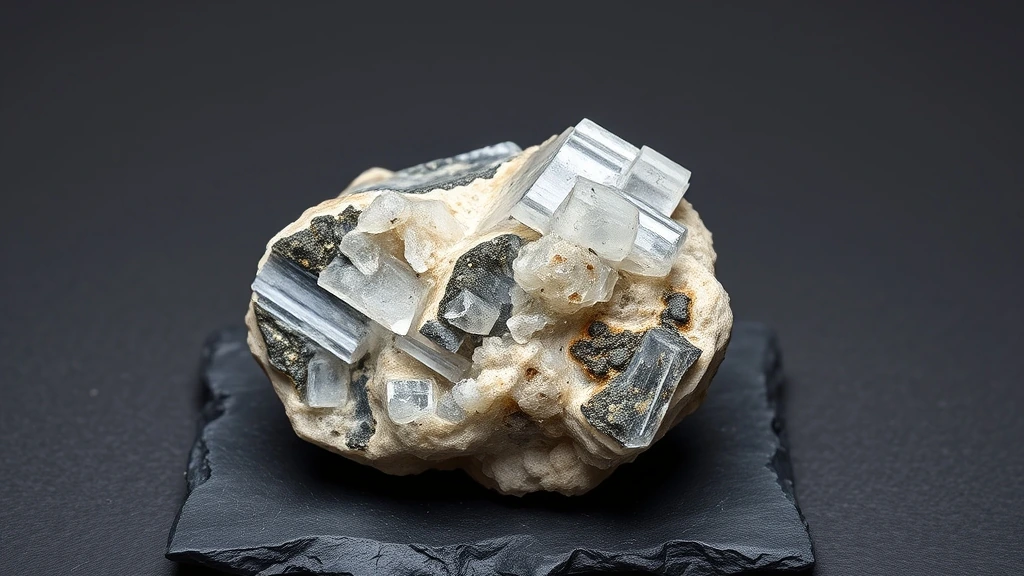
Spodumene belongs to the natural mineral family of silicate crystals, specifically the monoclinic subgroup of the pyroxene group. Formed in lithium‑rich pegmatites and high‑temperature hydrothermal veins, it crystallizes as well‑formed prismatic aggregates that can reach several meters in size. Its robust lattice accommodates lithium and aluminium cations, while trace transition metals generate the gemstone’s characteristic colors. The mineral’s density ranges from 3.03 to 3.23 g/cm³, reflecting its tightly packed silicate framework.
What is Spodumene? Geological Overview & Definition
Spodumene is a monoclinic silicate that occurs primarily in granitic pegmatites, where slow cooling allows large, transparent crystals to develop. These crystals are typically tabular to prismatic, displaying perfect cleavage on {010} and a distinctive conchoidal fracture that aids gem cutters.
In the broader classification, spodumene is a member of the pyroxene group, sharing structural similarities with minerals such as augite and diopside, yet distinguished by its high lithium content. Its formation is often associated with other lithium‑bearing minerals like lepidolite and petalite, indicating a geochemical environment enriched in incompatible elements.
Spodumene Chemical Composition & Crystallographic Properties
The definitive formula LiAl(SiO₃)₂ reflects a framework of SiO₄ tetrahedra linked into chains, with lithium and aluminium occupying distinct octahedral sites. This arrangement yields a monoclinic unit cell (space group C2/c) where the a, b, and c axes are unequal and the β angle deviates from 90°, producing the characteristic prismatic habit.
Cation substitution is limited; however, small amounts of Fe²⁺, Mn²⁺, or Cr³⁺ can replace aluminium, creating the chromophore centers responsible for emerald‑green (kunzite) or pink (hiddenite) hues. These trace elements alter the absorption spectrum without disrupting the overall lattice stability.
Spodumene is acid‑sensitive; exposure to strong hydrochloric or sulfuric acids can leach lithium, gradually weakening the crystal surface. Nonetheless, it remains resistant to weathering under neutral pH conditions, which explains its preservation in ancient pegmatite exposures.
Thermally, spodumene undergoes a reversible phase transition near 900 °C, shifting from the α‑monoclinic to a high‑temperature β‑monoclinic form. This transformation affects its refractive indices (nα = 1.648–1.661, nβ = 1.655–1.670, nγ = 1.662–1.679) and can be exploited in controlled heat‑treatment to enhance color saturation in gemstone applications.
| Property | Specification |
|---|---|
| Mineral Group | Natural Mineral / Crystal |
| Chemical Formula | lithium aluminium silicate, LiAl(SiO₃ )₂ |
| Mohs Hardness | 6.5–7 |
| Crystal System | Monoclinic |
| Specific Gravity (Density) | 3.03–3.23 |
| Refractive Index | n α = 1.648–1.661 n β = 1.655–1.670 n γ = 1.662–1.679 |
| Color & Optical Properties | Natural Spodumene color spectrum and optical dispersion |
| Primary Mining Localities | Global primary localities |
| Water & Chemical Resistance | High (Safe for gentle water washing) |
| Chakra Alignment (Traditional) | Heart Chakra |
| Zodiac Affinity (Traditional) | Virgo, Libra |
| Symbolic Meaning (Traditional) | Emotional balance, clarity of thought, and protection against negative energy |
Spodumene Varieties & Color Spectrum
Spodumene exhibits a diverse range of color morphs driven by trace element substitution within its crystal lattice. The most commercially significant varieties are distinguished by specific chromophores that alter the stone’s visual appeal. Understanding these geological nuances is essential for accurate gemological identification and valuation.
Green Spodumene (Saxonite)
This variety derives its distinct green hue from trace amounts of chromium or vanadium impurities. It typically forms in pegmatite deposits where lithium-rich fluids interact with iron-bearing minerals. Saxonite is the most common gem-quality spodumene found in commercial markets worldwide.
The stone often displays a translucent to semi-transparent body with a vitreous luster. Inclusions of mica or quartz may be present, affecting overall clarity. Its moderate rarity makes it an accessible option for collectors seeking lithium-bearing silicates.
Pink Spodumene (Kunzite)
Kunzite is prized for its pale pink to lilac coloration, caused by trace manganese ions. This variety is named after George Frederick Kunz, a prominent American gemologist. It is considered the most valuable gem variety of the spodumene group.
The crystal structure often exhibits strong pleochroism, showing different shades when viewed from various angles. High-quality kunzite is rare, with significant deposits found in Brazil and Afghanistan. Its delicate color palette appeals to collectors seeking soft, pastel-toned gemstones.
Yellow Spodumene (Hiddenite)
Hiddenite features a vibrant yellow to orange color, attributed to iron impurities within the silicate structure. It is named after Hiddenite, North Carolina, where the first significant deposit was discovered. This variety is less common than its green or pink counterparts.
The stone often contains needle-like inclusions that can create a cat’s-eye effect. These inclusions are a result of slow crystal growth in specific geological conditions. Hiddenite is highly sought after for its unique hue and optical phenomena.
Blue Spodumene
Rare blue spodumene is characterized by a cool, steel-blue tone resulting from complex trace element interactions. This color morph is exceptionally scarce in the global gem trade. It is often found in association with other lithium-bearing minerals.
The stone typically exhibits a high refractive index, contributing to its bright luster. Blue spodumene is rarely cut into faceted gems due to its limited availability. Collectors value this variety for its rarity and distinctive chromatic signature.
Colorless Spodumene
Colorless spodumene lacks significant chromophores, resulting in a transparent, glassy appearance. It is the most abundant form of the mineral in many pegmatite deposits. This variety is often used in industrial applications rather than the gem trade.
Its clarity and lack of color make it a baseline for assessing other colored varieties. The stone can be cut into beads or cabochons for decorative purposes. Its widespread occurrence makes it the most accessible form of spodumene.
Where is Spodumene Found? Geological Mining & Extraction
Spodumene primarily occurs in lithium pegmatites, which are coarse-grained igneous rocks formed from silica-rich magma. These deposits are typically associated with large, complex geological structures that formed during the late stages of granite intrusion. The mineral often crystallizes in large, elongated prisms within the pegmatite matrix.
Major mining regions include Australia, Brazil, and the United States, where large-scale operations extract spodumene for industrial use. Gem-quality material is rarer and often sourced from smaller, artisanal mines in regions like the Himalayas. Extraction methods vary from open-pit mining for industrial ore to careful hand-picking for gem specimens.
Historical Significance & Cultural Lore of Spodumene
Historically, spodumene was not widely recognized as a gemstone until the late 19th century. Early mineralogists classified it as a variety of other feldspar or pyroxene minerals due to its similar physical properties. Its identification as a distinct lithium-bearing silicate came with advances in chemical analysis.
In modern esoteric traditions, spodumene is associated with the Heart Chakra, promoting emotional balance and clarity of thought. It is believed to offer protection against negative energy and enhance mental focus. These metaphysical attributes have increased its popularity among crystal healing practitioners.
Modern Uses & Jewelry Applications of Spodumene
Spodumene serves as a versatile gem material, prized for its distinctive color palette ranging from deep green to translucent white. Lapidaries typically cut high-quality specimens into faceted gems to maximize brilliance, while lower-grade material is polished into smooth cabochons for organic designs. The stone’s moderate hardness allows for intricate ornamental carving, making it suitable for sculptural pieces and architectural accents.
- Faceted Cuts: Emerald and oval cuts are popular for enhancing the stone’s natural green hues.
- Cabochon Polishing: Used for milky or translucent varieties where internal inclusions create a soft, glowing effect.
- Ornamental Carvings: Dense, opaque spodumene is carved into figurines, beads, and decorative tiles.
- Industrial Applications: High-purity lithium spodumene is processed for battery-grade lithium carbonate production.
Carat, Quality Grades & Value Factors of Spodumene
The primary determinant of spodumene value is color saturation, with vivid, uniform green tones commanding the highest premiums in the market. Pale or washed-out shades significantly reduce commercial appeal, while intense emerald-like hues are rare and highly sought after by collectors. The 4Cs framework applies strictly here, where color intensity outweighs other factors in determining the final retail price of a gemstone.
Clarity and cut quality further refine the stone’s market position, as eye-clean specimens with precise facet alignment reflect light more effectively. Carat weight influences value exponentially, given the scarcity of large, high-quality crystals suitable for jewelry. Durability is also a critical consideration, as the stone’s Mohs hardness of 6.5–7 makes it suitable for rings but requires careful handling to prevent chipping.
Zodiac and Astrological Lore of Spodumene
In traditional gemology and astrological practice, spodumene is canonically aligned with the zodiac signs of Virgo and Libra. These earth and air signs benefit from the stone’s grounding properties, which are believed to enhance analytical precision and emotional equilibrium. The mineral’s association with lithium adds a modern scientific resonance to its historical reputation for stabilizing mental states.
The stone is also linked to the Heart Chakra, symbolizing emotional balance and protection against negative energy. Cultural heritage views it as a stone of clarity, aiding in decision-making and fostering harmonious relationships. This duality of scientific utility and esoteric significance ensures its enduring popularity in both therapeutic and decorative contexts.
How to Identify Real vs. Fake Spodumene
Artificial imitations of spodumene often involve synthetic glass, dyed quartz, or lab-created beryl, which can mimic the stone’s visual appearance. These replicas may lack the natural inclusions and specific gravity of genuine spodumene, making careful inspection essential for buyers. Understanding the physical properties of the real mineral helps distinguish authentic gems from deceptive alternatives.
Practical At-Home Authenticity Tests
- Temperature Test (Thermal Feel): Genuine spodumene feels cool to the touch initially and warms slowly, whereas glass imitations may feel warmer or change temperature more rapidly due to different thermal conductivity.
- Specific Gravity & Weight Test: Real spodumene has a density of 3.03–3.23, making it feel heavier than glass of the same size, which typically weighs less due to lower specific gravity.
- Scratch & Hardness Test (Mohs Comparison): Spodumene rates 6.5–7 on the Mohs scale, meaning it can scratch glass (hardness 5.5) but will not scratch quartz (hardness 7), helping to differentiate it from softer imitations.
- Microscopic & Loupe Inspection (Internal Inclusions): Use a 10x loupe to look for natural inclusions like silk or fractures; synthetic glass often contains tiny bubbles or swirls, while dyed stones show color concentration in cracks.
Spodumene Valuation Factors, Grading & Pricing
Color saturation drives the highest premiums for spodumene, especially the vivid greens of kunzite and the deep pinks of hiddenite. Uniform hue across the stone enhances perceived rarity, while a high degree of optical clarity and a bright, glassy luster reduce the need for extensive cutting. Gemologists assess these visual traits under standardized lighting to assign a market tier that can double the price of a comparable, less saturated specimen.
Carat weight remains a pivotal metric, yet it interacts closely with facet symmetry and the traditional 4Cs (cut, color, clarity, carat). Larger stones that retain flawless internal structure command exponential price jumps, while precise, symmetrical facets maximize brilliance and fire. When a spodumene meets the strict lapidary grading standards, its value often outpaces other lithium silicates of comparable size.
Geographical provenance adds a distinct premium, with deposits from Afghanistan, Brazil, and Madagascar recognized for superior crystal quality. Certified gems from these locales command higher auction prices, reflecting both rarity and traceable mining ethics. Market trends show a steady rise in demand for ethically sourced, certified spodumene, especially as the gemstone gains popularity in high‑end jewelry collections.
How to Clean and Care for Spodumene
Cleaning spodumene is straightforward: gently wash the stone in warm soapy water, then dry it with a soft cloth to remove any residue. This method safely eliminates surface oils without compromising the mineral’s structural integrity. Ultrasonic cleaners should be avoided, as the vibrations can cause micro‑fractures in the crystal lattice. Regular cleaning maintains the stone’s luster and protects it from buildup that could obscure its natural brilliance.
Cleansing and Recharging Spodumene (Energetic Care)
For energetic renewal, place the gemstone in a bowl of dried herbs such as sage or lavender and allow the aromatic smoke to drift over it for a few minutes, ensuring the stone remains dry. This gentle smudging method is believed to clear lingering negative energies while respecting the mineral’s physical stability.
Alternatively, expose the stone to soft moonlight overnight or rest it on a clean selenite slab for several hours, allowing the subtle lunar or selenite energy to recharge the crystal. Both practices avoid heat and moisture, preserving the spodumene’s structural integrity while promoting its metaphysical qualities.
Frequently Asked Questions About Spodumene
Is spodumene safe to wear in the shower or while swimming?
Yes, spodumene tolerates gentle water exposure. Its high water resistance allows brief contact with water, but prolonged immersion should be avoided to prevent surface wear. After exposure, dry the stone with a soft cloth to maintain its luster.
How should I clean my spodumene jewelry?
Clean with warm soapy water and a soft cloth, avoiding ultrasonic machines. The mild solution removes oils without stressing the crystal lattice, while ultrasonic vibrations can cause micro‑fractures in the monoclinic structure. Pat dry gently after cleaning.
Can ultrasonic cleaners be used on spodumene?
No, ultrasonic cleaning is not recommended for spodumene. The high‑frequency vibrations may induce internal stresses that lead to structural fractures. Stick to manual cleaning methods to preserve the stone’s integrity.
What is the hardness of spodumene and how does it affect everyday wear?
Spodumene ranks 6.5–7 on the Mohs scale. This makes it relatively hard, suitable for rings and pendants, yet it can still be scratched by harder minerals like quartz or topaz. Regular care and avoiding contact with abrasive surfaces will keep it looking its best.
Which zodiac signs are associated with spodumene?
Spodumene aligns with Virgo and Libra. Those born under these signs are said to benefit from the stone’s ability to promote emotional balance and mental clarity, enhancing decision‑making and interpersonal harmony.
Which chakra does spodumene resonate with?
The Heart Chakra is the primary energy center for spodumene. When placed over the chest, the stone is believed to amplify love, compassion, and emotional healing, supporting a sense of inner peace.
Does spodumene have any notable optical properties?
Its refractive indices range from nα = 1.648–1.661 to nγ = 1.662–1.679. This high birefringence gives spodumene a brilliant sparkle, especially in its gem‑quality varieties like kunzite and hiddenite, making it prized in fine jewelry.
What is the typical density of spodumene and why does it matter?
Spodumene’s density falls between 3.03 and 3.23 g/cm³. Knowing this helps gemologists differentiate it from visually similar minerals and assess its specific gravity during identification, ensuring accurate grading and valuation.