
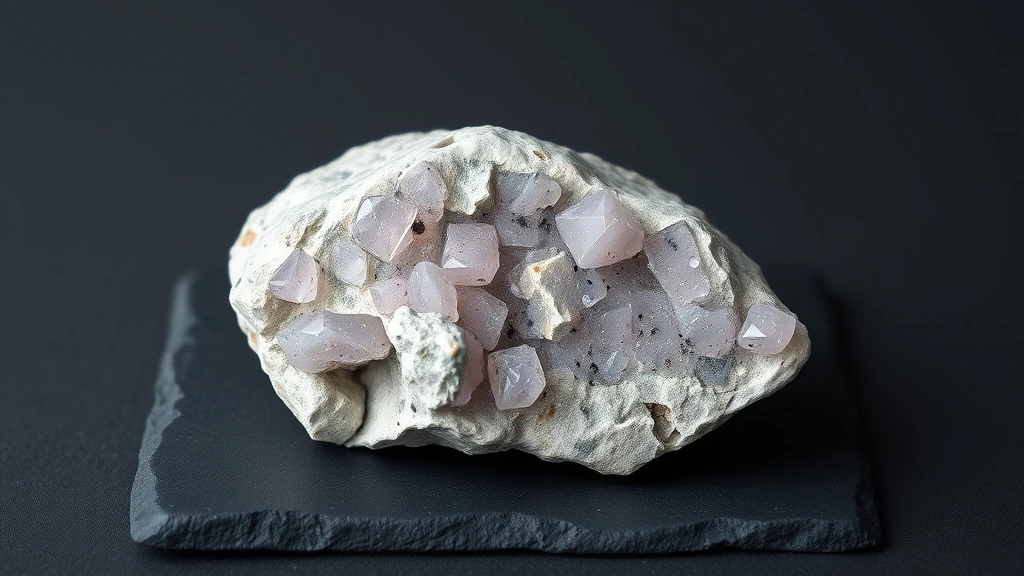
Lepidolite belongs to the mica subgroup of sheet silicates and is classified as a natural mineral/crystal rather than a rock or organic aggregate. Formed in lithium‑bearing granitic pegmatites, its monoclinic symmetry yields flexible, platy crystals that readily split into thin sheets, a hallmark of its parent mineral group. In comparative mineralogical collections, practitioners and geologists frequently study Talc Schist Soapstone alongside this crystal to appreciate their subtle energetic and structural differences.
What is Lepidolite ? Geological Overview & Definition
Lepidolite is a monoclinic mica that occurs chiefly in late‑stage pegmatitic environments, where lithium, potassium, and aluminum are abundant. Its characteristic lavender coloration arises from trace manganese and iron, which substitute into the crystal lattice, creating subtle chromophore centers. The same lithium‑rich pegmatites that yield vibrant Lepidolite also often produce fine‑grained Lepidolite Mica, a related mineral prized for its subtle shimmer and complementary calming energies.
The mineral is prized in jewelry for its delicate hue and pleochroic sheen, yet its low hardness limits it to designs that avoid abrasion. Because it forms in thin, flexible sheets, lapidaries often cut it into cabochons or use it as a decorative inlay rather than faceted stones. In comparative mineralogical collections, practitioners and geologists frequently study Astrophyllite alongside this crystal to appreciate their subtle energetic and structural differences.
Lepidolite Chemical Composition & Crystallographic Properties
The definitive formula K(Li,Al)₃(Al,Fe,Mn)₂Si₄O₁₀(OH)₂ reflects extensive cation substitution, where lithium and aluminum dominate the octahedral sites while iron and manganese introduce color. This solid‑solution behavior allows the mineral to accommodate varying trace elements without altering its fundamental structure.
Lepidolite crystallizes in the monoclinic system, producing a layered lattice of silicate tetrahedra linked by octahedral sheets. The resulting sheet‑like architecture yields perfect basal cleavage, enabling the mineral to split easily along its {001} plane, a key diagnostic property for gemologists.
Its refractive indices (nα = 1.525–1.548, nβ = 1.551–1.580, nγ = 1.554–1.586) give a modest birefringence that contributes to its soft luster. The presence of hydroxyl groups makes lepidolite sensitive to acidic environments, which can leach potassium and alter surface coloration over time.
Thermally, lepidolite is stable up to about 600 °C, beyond which dehydroxylation occurs, releasing water and potentially transforming the structure into a more amorphous silica‑rich residue. This thermal behavior is important for heat‑treatment considerations in gemstone enhancement.
| Property | Specification |
|---|---|
| Mineral Group | Natural Mineral / Crystal |
| Chemical Formula | K(Li,Al)₃(Al,Fe,Mn)₂Si₄O₁₀(OH)₂ |
| Mohs Hardness | 2.5–3 |
| Crystal System | Monoclinic |
| Specific Gravity (Density) | 2.8–2.9 |
| Refractive Index | n α =1.525–1.548, n β =1.551–1.58, n γ =1.554–1.586 |
| Color & Optical Properties | Natural Lepidolite Gemstone color spectrum and optical dispersion |
| Primary Mining Localities | Global primary localities |
| Water & Chemical Resistance | High (Safe for gentle water washing) |
| Chakra Alignment (Traditional) | Crown Chakra, Heart Chakra |
| Zodiac Affinity (Traditional) | Pisces, Cancer |
| Symbolic Meaning (Traditional) | Spiritual connection, emotional balance, and inner peace |
Lepidolite Varieties & Color Spectrum
Lepidolite exhibits a remarkable range of hues driven by trace element substitutions within its complex silicate structure. The most common shades include soft lilac, pale pink, and deep violet, though rare green and yellow morphs also occur. These color variations are primarily dictated by the specific ratios of lithium, aluminum, and manganese present in the crystal lattice.
Classic Lilac & Violet Lepidolite
This is the most commercially prevalent variety, characterized by a delicate lavender to deep purple hue. The color intensity correlates directly with the concentration of manganese ions substituting for aluminum in the crystal structure. Specimens from Brazil and the United States often display this signature violet tone with a distinct pearly luster.
Pink & Rose Lepidolite
Often mistaken for rhodochrosite, this variety features a soft, pastel pink to salmon coloration. The pinkish tint arises from lower manganese content and higher lithium concentrations, resulting in a gentler visual appearance. These stones are frequently cut into cabochons to enhance their subtle, ethereal glow and translucency.
Green & Yellowish-Green Lepidolite
Rare and highly sought after, this morph displays distinct green or olive-yellow tones due to iron impurities. The presence of ferrous iron alters the light absorption spectrum, shifting the hue away from the standard violet range. Such specimens are exceptionally rare in the gem market and command premium prices for their unique color.
White & Grey Lepidolite
These varieties appear as pale, translucent, or opaque stones with a chalky or pearly finish. The lack of strong coloration indicates minimal trace element interference, allowing the base silicate framework to dominate the visual profile. They are often used in carvings and ornamental objects rather than faceted gemstones.
Bicolor & Zoned Lepidolite
Some specimens exhibit distinct zoning where different colors appear in separate bands or layers. This geological phenomenon occurs due to fluctuating chemical conditions during the crystallization process of the host pegmatite. Collectors prize these stones for their dramatic contrast and the story they tell about ancient geological environments.
Where is Lepidolite Found? Geological Mining & Extraction
Lepidolite primarily forms within pegmatite deposits, which are coarse-grained igneous rocks rich in volatile elements. These minerals crystallize from the final, lithium-rich fluids of cooling magma, often associated with granitic intrusions. The host rock provides the necessary chemical environment for the formation of complex lithium-aluminum silicates.
Major commercial sources include the United States, particularly the Black Hills of South Dakota and the Eastern States. Significant deposits are also found in Brazil, Namibia, and the United Kingdom, where mining operations target both industrial lithium extraction and gem-quality specimens. The extraction process involves careful hand-picking to preserve the delicate cleavage planes of the mineral.
Historical Significance & Cultural Lore of Lepidolite
While not widely documented in ancient texts compared to quartz or jade, lepidolite has been valued for its distinctive luster and color. Archaeological evidence suggests that pre-Columbian cultures in the Americas used similar lithium-bearing minerals in ceremonial contexts. Its soft, pearly appearance likely contributed to its association with spiritual purity and emotional healing in early mineral lore.
In modern times, the stone has gained prominence in alternative healing practices, specifically linked to the Crown Chakra and Heart Chakra. Believers attribute its calming properties to the presence of lithium, a metal known for its mood-stabilizing effects in medical contexts. This fusion of geological science and esoteric tradition continues to drive its popularity in the contemporary gemstone market.
Modern Uses & Jewelry Applications of Lepidolite
Lapidaries primarily cut lepidolite into smooth cabochons to showcase its unique luster and pleochroic color shifts, as its low hardness makes faceting risky. The stone’s soft, lilac-to-pink hues are ideal for organic, free-form jewelry designs that emphasize natural beauty over brilliance.
- Cabochon Setting: The most common cut, preserving the stone’s integrity while highlighting its silky surface finish.
- Ornamental Carving: Used in small figurines and decorative objects where intricate detail is less critical than color.
- Beads and Pendants: Polished into uniform shapes for necklaces, bracelets, and earrings in contemporary bohemian styles.
- Lapidary Polishing: Requires gentle pressure and fine abrasives to prevent chipping during the finishing process.
Metaphysical Properties & Traditional Meaning of Lepidolite
According to historical traditions and metaphysical lore, lepidolite is revered as a stone of spiritual connection and profound emotional healing. Practitioners believe its gentle energy helps calm the mind, reducing anxiety and promoting a state of inner peace. This mineral is often associated with the element of spirit, bridging the gap between the physical and ethereal realms.
The stone’s name derives from the Greek *lepis*, meaning scale, reflecting its layered structure which symbolizes peeling away emotional layers. In traditional healing circles, it is used to facilitate emotional balance, helping individuals release past traumas and foster self-compassion. Its soft violet tones are thought to resonate with the higher self, encouraging intuition and spiritual awareness.
Which Chakra and Zodiac Signs Align with Lepidolite ?
Lepidolite is canonically aligned with the Crown Chakra, the energy center associated with higher consciousness and spiritual insight. This connection stems from the stone’s ability to open the mind to universal wisdom and divine guidance. Meditating with lepidolite is believed to enhance clarity and facilitate a deeper sense of purpose.
Additionally, the stone resonates strongly with the Heart Chakra, promoting love, compassion, and emotional healing. This dual alignment allows lepidolite to bridge spiritual understanding with emotional well-being. It is particularly beneficial for those seeking to harmonize their spiritual aspirations with their daily emotional experiences.
In astrological practice, lepidolite is specifically associated with the zodiac signs Pisces and Cancer. Both are water signs known for their emotional depth and intuitive nature, making this stone a natural complement to their energy. Pisceans may find it aids in grounding their dreamy nature, while Cancers use it to strengthen their protective emotional boundaries.
How to Identify Real vs. Fake Lepidolite
Artificial imitations of lepidolite often involve dyed quartz, synthetic glass, or plastic replicas designed to mimic the stone’s distinctive lilac hue. These fakes may lack the natural inclusions and subtle color variations found in genuine specimens. Understanding the physical properties of real lepidolite is essential for distinguishing it from these manufactured alternatives.
Practical At-Home Authenticity Tests
- Temperature Test (Thermal Feel): Real lepidolite feels cool to the touch initially, similar to other minerals, whereas plastic or glass imitations may warm up faster in the hand.
- Specific Gravity & Weight Test: Genuine lepidolite has a density of 2.8–2.9 g/cm³, making it feel slightly heavier than similarly sized glass or plastic stones.
- Scratch & Hardness Test (Mohs Comparison): With a Mohs hardness of 2.5–3, real lepidolite can be scratched by a copper coin or fingernail, while harder imitations like quartz will not.
- Microscopic & Loupe Inspection (Internal Inclusions): Use a 10x loupe to look for natural inclusions, such as mica flakes or mineral veins, which are absent in synthetic glass or uniform plastic fakes.
Lepidolite Valuation Factors, Grading & Pricing
The primary driver of market value is Color Saturation, where deep, uniform violet hues command the highest premiums. Gemologists assess tone uniformity to ensure the stone lacks muddy or uneven patches. Additionally, optical clarity and a distinct pearly luster significantly enhance the gemstone’s overall visual appeal.
Specimen Size & Weight directly influences pricing, as larger, clean specimens are increasingly rare in the global market. tumbled polish and natural geometry is critical for cut stones, ensuring light reflection maximizes the stone’s inherent brilliance. The presence of matrix or heavy inclusions typically reduces value, though some collectors prefer natural, uncut pieces.
Geographical Provenance Premium often elevates prices for stones from renowned deposits like Brazil or the Democratic Republic of Congo. Wholesale prices generally remain modest, but retail margins increase for certified, high-quality specimens. Market trends show steady demand for lepidolite in both jewelry and metaphysical sectors.
How to Clean and Care for Lepidolite
Due to its low Mohs Hardness of 2.5–3, lepidolite is susceptible to scratches and structural damage. You must use warm soapy water and a soft cloth to gently remove surface dust and oils. Avoid abrasive materials that could dull the delicate surface or cause micro-fractures in the crystal lattice.
It is strictly necessary to avoid ultrasonic cleaners, as the vibrations can induce structural fractures in this soft mineral. Never use steam cleaners or harsh chemical solvents, which may degrade the stone’s integrity. Regular, gentle maintenance preserves the gemstone’s luster and ensures long-term durability for your collection.
Cleansing and Recharging Lepidolite (Energetic Care)
For energetic maintenance, utilize dry methods that respect the mineral’s physical fragility and solubility characteristics. Smoke smudging with sage or palo santo is an effective traditional practice for clearing negative energy. This method avoids direct water contact, ensuring the stone remains structurally intact during the process.
Alternatively, place the gemstone on a selenite plate or expose it to moonlight for gentle recharging. These passive techniques align with the stone’s association with spiritual connection and inner peace. Always handle the stone with care to prevent accidental chipping or abrasion during these rituals.
Frequently Asked Questions About Lepidolite
Is lepidolite safe to wear in water or rain?
Yes, lepidolite is water‑resistant for gentle washing. Its layered mica structure tolerates brief exposure, so a light rinse or shower won’t damage the stone, but prolonged soaking should be avoided. Use warm, soapy water and a soft cloth for routine cleaning to maintain its luster.
Can I clean lepidolite with an ultrasonic cleaner?
No, ultrasonic cleaning is not recommended for lepidolite. The high‑frequency vibrations can cause micro‑fractures in its delicate monoclinic mica sheets, leading to loss of polish or even breakage. Stick to manual cleaning with warm, mild soap and a plush cloth.
What zodiac signs are associated with lepidolite?
Lepidolite aligns with Pisces and Cancer. These water‑sign energies are said to resonate with the stone’s emotional‑balancing properties, enhancing intuition and nurturing qualities. Wear it during astrological events for Pisces or Cancer to amplify its metaphysical influence.
Which chakras does lepidolite activate?
It primarily works on the Crown and Heart Chakras. The stone’s violet‑lavender hue is believed to open the Crown, fostering spiritual connection, while the Heart benefits from its calming, emotional‑balancing energy, promoting inner peace.
How hard is lepidolite compared to other gemstones?
Lepidolite rates 2.5–3 on the Mohs scale. This makes it softer than quartz or amethyst and more prone to scratches, so treat it like a delicate mica. Store it separately, avoid contact with harder stones, and consider protective settings for jewelry.
What is the typical density of lepidolite and why does it matter?
Lepidolite’s density ranges from 2.8 to 2.9 g/cm³. This relatively low density reflects its mica‑type layered structure, influencing how it feels in the hand—light yet substantial. Knowing the density helps gemologists confirm authenticity and differentiate it from heavier silicates.
How does lepidolite’s refractive index affect its appearance?
Its refractive indices are nα = 1.525–1.548, nβ = 1.551–1.58, nγ = 1.554–1.586. These values produce a soft, vitreous to pearly luster with subtle internal reflections, giving the stone its characteristic gentle sparkle without the brilliance of high‑RI gems like diamond.
Is lepidolite suitable for everyday jewelry?
Yes, but with care due to its softness and cleavage. The stone’s monoclinic crystal system creates natural planes that can split under impact. Choose protective settings—such as bezel or channel settings—and avoid wearing it during heavy physical activity to preserve its beauty.