
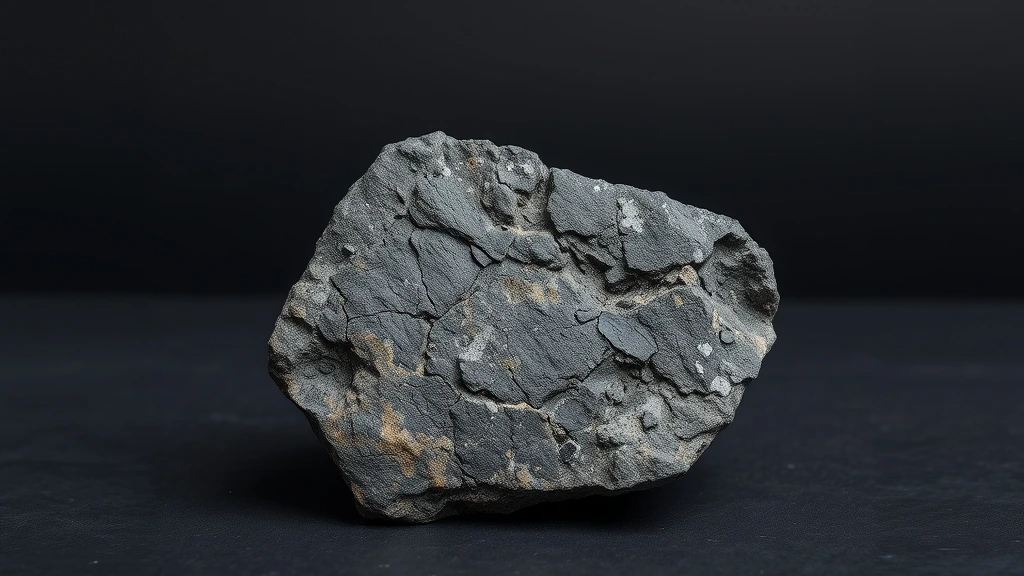
Tiger Iron belongs to the broad category of natural mineral aggregates, formed when parallel bands of tiger’s eye (a chatoyant quartz), hematite, and sometimes rutile intertwine during sedimentary cementation. Its genesis is linked to iron‑rich hydrothermal fluids that infiltrate silica‑rich sandstones, precipitating the characteristic layered fabric. Though not a single crystal, the composite retains the trigonal symmetry of its quartz component, while the hematite layers contribute a metallic luster and magnetic response.
What is Tiger Iron? Geological Overview & Definition
Tiger Iron is an aggregate rock composed chiefly of tiger’s eye quartz, hematite, and occasional rutile inclusions, giving it a distinctive striped appearance reminiscent of a tiger’s coat. The formation occurs in iron‑bearing sedimentary basins where silica‑rich solutions replace iron oxides, producing alternating bands of chatoyant quartz and metallic hematite.
Historically, the stone has been prized across cultures for its visual drama and purported metaphysical properties, featuring in ancient lapidary traditions from the Mediterranean to the Andes. Its name derives from the visual analogy to a tiger’s fur, while the iron content imparts a subtle magnetic quality that has fascinated collectors for centuries.
Tiger Iron Chemical Composition & Crystallographic Properties
The quartz component of Tiger Iron is pure silicon dioxide (SiO₂), crystallizing in the trigonal crystal system with a continuous hexagonal lattice. Hematite, Fe₂O₃, intergrows as laminar plates, aligning parallel to the quartz layers and contributing the dark metallic bands. No single stoichiometric formula describes the aggregate; instead, it is a heterogeneous mixture of SiO₂ and Fe₂O₃ with minor rutile (TiO₂) inclusions.
Within the quartz lattice, cation substitution of Fe³⁺ for Si⁴⁺ occurs at trace levels, creating color‑center complexes that enhance the stone’s golden chatoyancy. These Fe‑related chromophores absorb specific wavelengths, producing the characteristic brown‑gold sheen of tiger’s eye and the deep red of hematite.
Tiger Iron is acid‑sensitive; exposure to strong acids can dissolve the quartz matrix while leaving hematite residues, altering the visual pattern. Thermal treatment above 500 °C can induce dehydration of hematite, darkening its hue and potentially modifying the chatoyant effect of the quartz.
Overall, the aggregate’s trigonal symmetry is inherited from the quartz framework, while the hematite layers impose a pseudo‑planar orientation that influences both mechanical hardness and magnetic response. This duality underpins Tiger Iron’s durability (Mohs 6.5–7.0) and its enduring appeal in ornamental applications.
| Property | Specification |
|---|---|
| Mineral Group | Natural Mineral / Crystal |
| Chemical Formula | SiO₂ |
| Mohs Hardness | 6.5 – 7.0 |
| Crystal System | Trigonal |
| Color & Optical Properties | Natural Tiger Iron color spectrum and optical dispersion |
| Primary Mining Localities | Global primary localities |
| Water & Chemical Resistance | High (Safe for gentle water washing) |
| Chakra Alignment (Traditional) | Throat Chakra (Vishuddha) |
| Zodiac Affinity (Traditional) | Sagittarius, Pisces |
| Symbolic Meaning (Traditional) | Creativity, motivation and self-confidence |
Tiger Iron Varieties & Color Spectrum
Tiger Iron displays distinct mineralogical characteristics across its geological varieties and structural habits. Gemologists evaluate these natural varieties based on crystal habit, trace chromophore concentrations, and visual luster.
Primary Natural Tiger Iron
The benchmark natural variety exhibiting diagnostic color saturation and classic crystallographic symmetry.
Distinct Geological Morphs of Tiger Iron
Secondary regional and structural varieties formed under localized geological temperature and pressure conditions.
Classic Tiger Iron
Formed in silica-rich sedimentary layers where iron oxide and goethite replace portions of quartz, Classic Tiger Iron displays a striking banded pattern of brown, gold, and black. The trigonal crystal habit of the quartz host creates a subtle sheen, while the iron inclusions give a metallic luster. This variety is common in the United States, particularly in the Appalachian region, and is considered the baseline for commercial grading.
Red Tiger Iron
Red Tiger Iron originates from oxidizing environments where hematite replaces goethite, imparting a deep crimson hue to the brown bands. The mineral forms in hydrothermal veins that intersect quartzite, producing thin, parallel layers of red and gold. Its vivid coloration makes it a favorite among lapidary artists, yet true red specimens are relatively scarce, found mainly in Brazil’s Minas Gerais province.
Blue‑Green Tiger Iron
In rare locales such as the Kalahari of South Africa, trace amounts of copper substitute into the iron oxide lattice, yielding a blue‑green iridescence alongside the typical brown and gold. The copper‑bearing inclusions create a subtle turquoise sheen when the stone is polished, distinguishing it from more common varieties. Because copper‑rich deposits are limited, Blue‑Green Tiger Iron commands a premium among collectors.
White Tiger Iron
White Tiger Iron exhibits a pale, milky background where quartz dominates and iron oxides are minimally present, resulting in soft, pastel bands of cream and gold. It forms in low‑temperature sedimentary basins where silica precipitation outpaces iron oxidation. This gentle palette is prized for jewelry that seeks a subtle, earthy elegance, though the variety is less abundant than its darker counterparts.
Black‑Striped Tiger Iron
The Black‑Striped form displays bold, jet‑black veins that cut through the golden matrix, caused by concentrated magnetite inclusions aligning along fracture planes. These magnetite-rich bands give the stone a dramatic, high‑contrast appearance favored in ornamental carving. Such specimens are chiefly mined in the Czech Republic’s Bohemian Massif, where tectonic stresses promote the formation of elongated magnetite seams.
Polished Tiger Iron (Trade‑Grade)
Commercially, Polished Tiger Iron refers to any variety that has been cut and polished to enhance its banded luster for market sale. The trade‑grade often blends multiple color morphs, creating a kaleidoscopic effect that appeals to a broad consumer base. While not a distinct geological type, its popularity drives much of the global extraction and distribution network.
Where is Tiger Iron Found? Geological Mining & Extraction
Tiger Iron occurs primarily within silicified sandstones and quartzite that have undergone iron oxide replacement during diagenesis. These host rocks are typically found in ancient fluvial deposits where groundwater transports dissolved iron, precipitating as goethite or hematite along quartz grain boundaries. The resulting banded ore is extracted via open‑pit mining or selective quarrying, preserving the delicate lamination essential for lapidary work.
Major extraction centers include the Appalachian foothills of the United States, Brazil’s Minas Gerais state, South Africa’s Kalahari region, and the Bohemian Massif of the Czech Republic. In each locale, miners employ careful blasting and hand‑sorting to separate the banded ore from surrounding matrix, then transport the raw blocks to processing facilities where they are cut, polished, and graded for the gemstone market.
Historical Significance & Cultural Lore of Tiger Iron
Across ancient lapidary traditions, Tiger Iron was prized for its striped appearance, symbolizing the duality of strength and vitality. In Greco‑Roman antiquity, the stone was set into signet rings and amulets believed to protect warriors, while Egyptian artisans incorporated it into funerary jewelry to guide the soul through the afterlife.
In Vedic and early Chinese texts, Tiger Iron was associated with the Throat Chakra (Vishuddha), thought to enhance communication and self‑confidence. Artifacts such as carved pendants and ritual vessels from the Indus Valley and Han dynasties demonstrate its longstanding metaphysical reputation, linking the mineral’s bold bands to the flow of creative energy in the human spirit.
Modern Uses & Jewelry Applications of Tiger Iron
Lapidaries prize this stone for its striking banded patterns, which are best showcased through cabochon cutting to preserve the natural flow of the layers. Unlike high-refractive-index gems, Tiger Iron relies on its unique silica composition and polished surface luster to captivate the eye. This makes it ideal for bold, statement jewelry pieces that emphasize texture and color contrast over brilliance.
- Cabochon Rings & Pendants: Smooth, domed cuts highlight the swirling “tiger” stripes without risking chipping on sharp facets.
- Beaded Bracelets: Polished spheres and barrel beads are strung to create vibrant, rhythmic accessories.
- Ornamental Carvings: Skilled carvers use the stone for decorative boxes, paperweights, and architectural accents.
- Inlay Work: Thin slices are often inlaid into wooden or metal surfaces for high-end interior design elements.
Metaphysical Properties & Traditional Meaning of Tiger Iron
According to historical traditions and metaphysical lore, Tiger Iron is revered as a stone of grounding energy and personal empowerment. Ancient Mediterranean and Vedic lapidary practices often associated banded silicates with stability, suggesting they anchor the wearer’s spirit to the earth. This connection fosters a sense of emotional resilience, helping individuals navigate life’s fluctuations with steady confidence and clarity.
In contemporary spiritual contexts, the stone is believed to stimulate creative motivation and self-assurance. Practitioners suggest that its fiery red and golden hues activate the body’s vital force, encouraging proactive behavior. By balancing the earth element with dynamic energy, Tiger Iron serves as a talisman for those seeking to overcome hesitation and manifest their goals.
Which Chakra and Zodiac Signs Align with Tiger Iron?
Tiger Iron is canonically aligned with the Throat Chakra (Vishuddha), which governs communication, self-expression, and truth. The stone’s vibrant, layered appearance is thought to unblock this energy center, facilitating clear and authentic speech. By resonating with the throat, it encourages the wearer to articulate their creative vision without fear of judgment or external criticism.
Astrologically, this gemstone resonates most strongly with Sagittarius and Pisces. For Sagittarius, the fire sign, Tiger Iron amplifies innate adventurousness and intellectual curiosity, fueling the drive to explore new horizons. For Pisces, the water sign, it provides necessary structural grounding, helping to transform fluid intuition into tangible, actionable creative projects.
How to Identify Real vs. Fake Tiger Iron
The market is saturated with low-cost imitations designed to mimic the distinctive banding of genuine Tiger Iron. Common fakes include synthetic glass composites, dyed quartz, or reconstituted silica pressed under high pressure. These replicas often lack the natural depth and subtle color variations found in authentic specimens, appearing overly uniform or artificially saturated.
Practical At-Home Authenticity Tests
- Temperature Test (Thermal Feel): Genuine Tiger Iron feels cool to the touch initially and warms slowly, whereas plastic or resin imitations warm up almost instantly due to lower thermal conductivity.
- Specific Gravity & Weight Test: Real silica-based stones have a higher specific gravity than glass or plastic; a genuine piece will feel noticeably heavier for its size compared to a lightweight synthetic lookalike.
- Scratch & Hardness Test (Mohs Comparison): With a Mohs hardness of 6.5 to 7.0, authentic Tiger Iron can scratch glass but will not be scratched by a steel knife blade, distinguishing it from softer resin or dyed materials.
- Microscopic & Loupe Inspection (Internal Inclusions): Using a 10x loupe, look for natural internal inclusions and irregular banding patterns; fakes often reveal air bubbles, mold lines, or perfectly repetitive, unnatural stripe patterns.
Tiger Iron Valuation Factors, Grading & Pricing
Market value is primarily driven by Color Saturation and the intensity of the stone’s natural banding. High-grade specimens exhibit deep, contrasting hues of rust, gold, and purple that create a striking visual rhythm. This vibrant chromatic interplay enhances the stone’s inherent luster, making it highly desirable for both jewelry and raw collection.
Pricing is determined by Crystal Size & Weight (Grams) alongside the quality of the surface finish. Large, unpolished raw chunks command different premiums than precision-tumbled stones with smooth, mirror-like surfaces. Collectors often seek out pieces with distinct natural matrix inclusions that highlight the rock’s geological complexity without compromising structural integrity.
Ethical Sourcing & Locality Premium significantly influences pricing in holistic and collector markets. Stones traced to reputable, environmentally responsible mines in South Africa or Australia often carry a higher market value. Provenance documentation assures buyers of the material’s authenticity and supports sustainable mining practices within the global gemstone trade.
How to Clean and Care for Tiger Iron
Tiger Iron is robust enough to withstand gentle water exposure due to its high water resistance. To maintain its luster, wash the stone using warm soapy water and a soft, lint-free cloth. This method effectively removes oils and dust without damaging the surface or altering the mineral’s appearance.
It is critical to avoid ultrasonic cleaners when maintaining these specimens. The high-frequency vibrations can induce structural fractures within the layered silicate structure. After washing, dry the stone thoroughly with a clean towel to prevent any potential water spots or mineral residue buildup.
Cleansing and Recharging Tiger Iron (Energetic Care)
For holistic energetic maintenance, practitioners often employ dry methods to preserve the stone’s physical integrity. Resting the specimen on a selenite charging slab allows for gentle energy transfer without the risk of moisture or thermal shock. This passive approach is preferred by many collectors who wish to maintain the stone’s natural aesthetic while aligning its vibrational properties.
Alternatively, gentle moonlight exposure serves as a safe and effective recharging technique. Place the stone in a secure location where it can receive indirect lunar light overnight. This method avoids the risks associated with direct intense sunlight or heat, which can potentially destabilize the mineral’s crystal lattice over time.
Frequently Asked Questions About Tiger Iron
Tiger Iron displays distinct mineralogical characteristics across its geological varieties and structural habits. Gemologists evaluate these natural varieties based on crystal habit, trace chromophore concentrations, and visual luster.
Primary Natural Tiger Iron
The benchmark natural variety exhibiting diagnostic color saturation and classic crystallographic symmetry.
Distinct Geological Morphs of Tiger Iron
Secondary regional and structural varieties formed under localized geological temperature and pressure conditions.
What is Tiger Iron and how does it differ from other quartz varieties?
Tiger Iron is a banded quartz with distinctive orange‑brown and black streaks that resemble a tiger’s stripes. The mineral’s chemical formula is SiO₂, and it crystallizes in the trigonal system. Its banding results from variations in iron oxide content, giving it a unique aesthetic compared to clear or milky quartz.
Is Tiger Iron safe to wear in the shower or during swimming?
Yes, Tiger Iron is water‑resistant and can be gently washed with water. Its durability (Mohs hardness 6.5–7.0) allows it to withstand normal moisture exposure. Avoid prolonged soaking or harsh chemicals that could dull its surface or affect the banding.
How should I clean a Tiger Iron to preserve its appearance?
Use warm soapy water and a soft cloth, then dry with a lint‑free towel. Avoid ultrasonic cleaners, as the vibration can cause micro‑fractures in the banded structure. Gentle cleaning keeps the banding and overall clarity intact.
Can I use Tiger Iron in jewelry that will be exposed to high temperatures, such as a hot grill or a candle flame?
Tiger Iron can tolerate moderate heat but should not be exposed to direct flame or extreme temperatures. High heat can cause the iron oxide bands to darken or crack. Keep the stone away from direct heat sources to preserve its crystal integrity.
What zodiac signs are associated with Tiger Iron, and how does this affect its metaphysical use?
Tiger Iron is linked to the zodiac signs Sagittarius and Pisces. In metaphysical traditions, it is believed to enhance creativity, motivation, and self‑confidence, aligning with the adventurous spirit of Sagittarius and the intuitive nature of Pisces.
Which chakra is Tiger Iron said to influence, and what benefits does it provide?
Tiger Iron is associated with the Throat Chakra (Vishuddha). This chakra governs communication and self‑expression, so the stone is thought to aid in clear speaking, confidence, and creative expression, supporting the vibrational energy of the throat.
Is Tiger Iron suitable for children’s jewelry or everyday wear?
Yes, Tiger Iron is suitable for children’s jewelry and everyday wear. Its hardness and durability make it resistant to scratches and daily handling. However, parents should still supervise to prevent accidental drops that could crack the stone.
Can Tiger Iron be used in a humid or damp environment, such as a bathroom or greenhouse?
Tiger Iron can be used in humid environments, but it should be kept dry when possible. While it is water‑resistant, prolonged exposure to moisture can lead to surface staining or mineral growth. Store the stone in a dry case or wrap it in a soft cloth when not in use.