
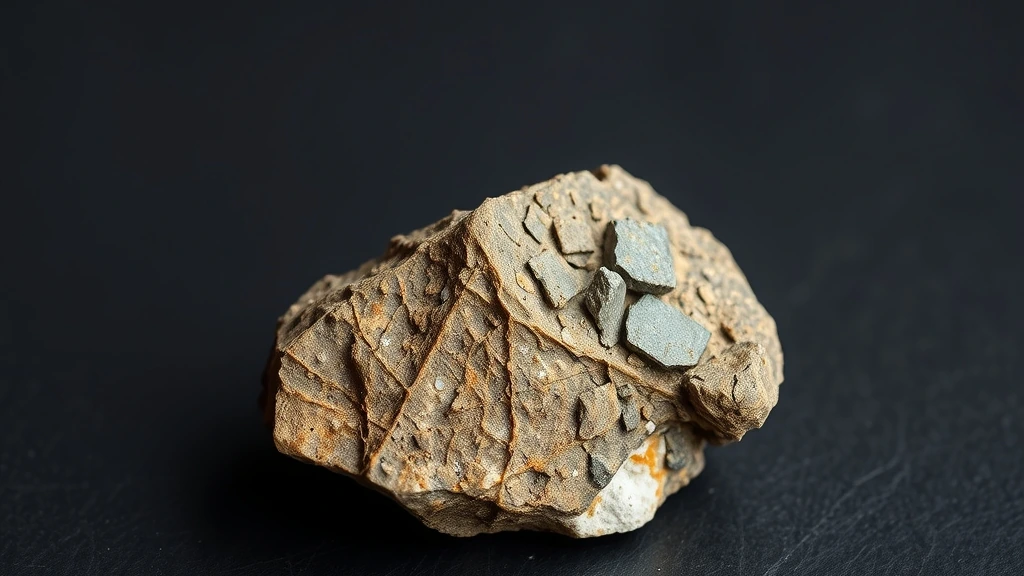
Rutile belongs to the Natural Mineral / Crystal group, characterized by its distinct crystalline habit and stoichiometric consistency. It forms primarily in igneous and metamorphic environments where titanium-rich fluids interact with host rocks. This geological context dictates its occurrence alongside minerals like quartz and feldspar. Understanding its parent group is essential for accurate identification and valuation in gemological contexts.
What is Rutile? Geological Overview & Definition
Rutile is defined as the most common and stable polymorph of titanium dioxide in Earth’s crust. It frequently appears as needle-like inclusions within quartz, creating the visually striking phenomenon known as “rutilated quartz.” These inclusions often align parallel to the host crystal’s c-axis, reflecting the tetragonal symmetry of both minerals.
The mineral forms in diverse geological settings, including granite pegmatites, schists, and marble veins. Its presence indicates high-temperature metamorphic conditions or late-stage magmatic crystallization. Gemologists value rutile for its intense refractive index and distinctive luster. These characteristics distinguish it from other titanium-bearing minerals like ilmenite or anatase.
Rutile Chemical Composition & Crystallographic Properties
Rutile crystallizes in the Tetragonal crystal system, featuring a body-centered tetragonal lattice structure. The unit cell consists of titanium cations surrounded by oxygen anions in a specific coordination geometry. This arrangement allows for high density, typically measuring 4.23 g/cm³, which increases with niobium and tantalum content. The structural stability makes rutile the thermodynamically preferred phase at high temperatures. In comparative mineralogical collections, practitioners and geologists frequently study Columbite Niobite alongside this crystal to appreciate their subtle energetic and structural differences.
Cation substitution plays a significant role in modifying rutile’s physical properties. Trace elements such as iron, vanadium, and chromium can replace titanium within the lattice. These substitutions often introduce chromophore color centers, responsible for the mineral’s vibrant yellow, red, or brown hues. The optical anisotropy is extreme, with a refractive index ranging from 2.613 to 2.909. In comparative mineralogical collections, practitioners and geologists frequently study Cat S Eye Chrysoberyl alongside this crystal to appreciate their subtle energetic and structural differences.
Thermal behavior in rutile is complex, involving phase transitions at elevated temperatures. Under specific heating conditions, rutile can transform into less stable polymorphs like anatase or brookite. However, natural rutile remains stable under standard geological conditions. Its resistance to acid dissolution further aids in laboratory identification, distinguishing it from softer or more reactive minerals.
| Property | Specification |
|---|---|
| Mineral Group | Natural Mineral / Crystal |
| Chemical Formula | Titanium |
| Mohs Hardness | 6.0–6.5 |
| Crystal System | Tetragonal crystal system |
| Specific Gravity (Density) | 4.23 increasing with Nb–Ta content |
| Refractive Index | ”n” ω = 2.613, ”n” ε = 2.909 (589 nm) |
| Color & Optical Properties | Natural Rutile color spectrum and optical dispersion |
| Primary Mining Localities | Global primary localities |
| Water & Chemical Resistance | High (Safe for gentle water washing) |
| Chakra Alignment (Traditional) | Solar Plexus Chakra, Root Chakra |
| Zodiac Affinity (Traditional) | Leo, Aries, Sagittarius |
| Symbolic Meaning (Traditional) | Confidence, self-worth, and personal power |
Rutile Varieties & Color Spectrum
Rutile exhibits a remarkably diverse chromatic range, driven primarily by trace element substitutions and structural defects. The most commercially significant forms display distinct hues that collectors and lapidaries prize for their unique optical properties. While rutile’s color variations stem from trace impurities, collectors often compare its vibrant inclusions to the striking green fluorescence of Ludwigite, another mineral prized for its distinct optical character.
Golden Needle Rutile
This variety features dense, acicular inclusions of rutile needles suspended within a transparent quartz matrix. The needle inclusion density creates a striking metallic luster that catches light from multiple angles. Found predominantly in Sri Lanka and Brazil, this form is highly sought after for its aesthetic appeal.
Red and Pink Rutile
These specimens derive their warm tones from minor iron impurities and specific crystal lattice distortions. The iron oxide content shifts the absorption spectrum, resulting in vibrant crimson or soft rose hues. This color morph is rarer than the golden variety and commands a premium in the gem market.
Black and Brown Rutile
Dark-colored rutile often contains high concentrations of titanium dioxide with minor manganese or vanadium traces. The opaque texture of these crystals limits light transmission, giving them a deep, earthy appearance. They are frequently found in metamorphic schists and gneisses across various global mining districts.
Blue and Green Rutile
Rare blue and green specimens result from complex irradiation effects or specific trace element combinations. The anomalous coloration is exceptionally uncommon, making these stones highly collectible among mineral enthusiasts. Such hues are typically observed in high-pressure metamorphic environments.
Where is Rutile Found? Geological Mining & Extraction
Rutile primarily occurs in pegmatite dikes and metamorphic rocks such as schist and gneiss, where it forms during regional metamorphism. It is also abundant in placer deposits, where heavy mineral sands accumulate due to the mineral’s high specific gravity. These geological settings provide the primary sources for industrial and gem-grade material.
Major extraction regions include South Africa, Brazil, and Sri Lanka, each offering distinct mineralogical characteristics. South African deposits yield high-purity industrial feedstock, while Sri Lankan alluvial deposits produce the finest gem-quality inclusions. Mining operations focus on separating rutile from associated minerals like ilmenite and zircon.
Historical Significance & Cultural Lore of Rutile
Ancient civilizations valued rutile for its metallic luster and durability, often incorporating it into jewelry and ritual objects. Archaeological evidence suggests its use in Mesopotamian and Egyptian artifacts, where it symbolized strength and divine protection. The mineral’s reflective quality likely contributed to its association with celestial bodies in early mythologies.
In modern gemology, rutile has gained renewed interest for its unique inclusion aesthetics within quartz hosts. Collectors prize these specimens for their intricate internal landscapes, which serve as geological records of crystal growth. This enduring appeal bridges ancient symbolic traditions with contemporary mineralogical appreciation.
Modern Uses & Jewelry Applications of Rutile
Rutile’s high refractive index and strong pleochroism make it a prized accent stone in contemporary lapidary work. Artisans often cut it into thin cabochons to showcase its silky luster, while skilled faceters exploit its tetragonal symmetry for brilliant facets. Ornamental carving also thrives, producing intricate beads and inlays for high‑end jewelry.
- Cabochon pendants highlighting golden‑brown to reddish hues
- Faceted rings that emphasize birefringence and fire
- Carved cameos, intarsia, and decorative beads for couture pieces
Safety & Mineral Profile of Rutule
Handling rutile requires standard gemstone safety: wear gloves to avoid skin abrasion from sharp edges and use eye protection when cutting, as fine dust can be irritating. Chemically, rutile is stable; it does not react with acids or moisture, but prolonged exposure to strong alkalis may etch its surface. Collectors treat rutile primarily as a scientific specimen, valued for its crystal structure and optical properties rather than any crystal‑healing claims; historical metaphysical lore links it to confidence and personal power, yet such beliefs lack empirical support.
Mineralogical Group and Planetary Lore of Rutile
Rutile belongs to the titanium oxide mineral group, characterized by a tetragonal crystal system and a density that rises with niobium‑tantalum substitution. Its composition (TiO₂) places it among the most refractory oxides, contributing to its use in industrial pigments and high‑temperature ceramics.
In planetary symbolism, rutile has been associated with the Sun due to its fiery luster, aligning with the Solar Plexus Chakra and zodiac signs Leo, Aries, and Sagittarius. Traditional folklore regarded the stone as a talisman for self‑worth and personal power, but modern mineralogy treats these attributions as cultural narratives rather than scientific facts.
How to Identify Real vs. Fake Rutile
Artificial imitations of rutile include high‑index glass, synthetic rutile crystals grown in labs, and dyed quartz that mimics its color range. These substitutes often lack the characteristic birefringence and internal needle‑like inclusions of natural rutile, making careful testing essential for authentication.
Practical At-Home Authenticity Tests
- Temperature Test (Thermal Feel): Natural rutile feels noticeably cooler to the touch than glass or plastic because of its higher thermal conductivity; a quick hand‑press can reveal this difference.
- Specific Gravity & Weight Test: With a density of ~4.23 g/cm³, genuine rutile is heavier than quartz (2.65 g/cm³) or glass; weighing the stone in water and calculating its specific gravity helps confirm authenticity.
- Scratch & Hardness Test (Mohs Comparison): Rutile’s hardness of 6.0–6.5 allows it to scratch glass (hardness ~5.5) but not quartz; a discreet scratch on an inconspicuous area can demonstrate this property.
- Microscopic & Loupe Inspection (Internal Inclusions): Under 10×–30× magnification, natural rutile displays fine, needle‑like inclusions and characteristic birefringent striations, whereas synthetic or glass imitations appear uniformly clear or show bubble patterns.
Rutile Valuation Factors, Grading & Pricing
The primary driver of market value is Specimen Aesthetic Quality, which encompasses the clarity and luster of the titanium dioxide needles. Collectors prioritize specimens exhibiting perfect crystal habit perfection with sharp, well-defined terminations and minimal surface imperfections. The visual appeal significantly increases when the rutile forms striking geometric patterns, such as starbursts or dense, orderly clusters.
Rarity & Specimen Dimensions (Centimeters/Grams) directly influence the final price, as larger, intact crystal clusters are increasingly scarce in the global market. High-value specimens must demonstrate the absence of handling damage, such as broken tips or chipped edges, which severely diminish structural integrity. The physical mass and length of the crystals serve as tangible metrics for assessing the specimen’s overall completeness and desirability.
Mineralogical Provenance & Locality Value plays a critical role in the scientific and museum collector markets, where origin dictates historical and geological significance. Specimens from renowned localities, such as the Ural Mountains or specific Brazilian sites, often command premium prices due to their documented scientific importance. Accurate provenance certification ensures the specimen’s authenticity and enhances its standing within institutional collections.
How to Clean and Care for Rutile
Due to its tetragonal crystal system and potential for internal stress, rutile requires gentle handling to maintain its structural integrity. The recommended cleaning method involves using warm soapy water and a soft cloth to remove surface dust and oils without causing abrasion. This approach effectively cleans the specimen while respecting the mineral’s physical properties and visual clarity.
It is essential to avoid ultrasonic cleaners entirely, as the high-frequency vibrations can induce structural fractures in the delicate needle-like crystals. Rutile’s Mohs hardness of 6.0–6.5 makes it susceptible to micro-cracking under intense mechanical stress from sonic waves. Always dry the specimen thoroughly with a lint-free cloth after washing to prevent water spots or residue buildup.
Cleansing and Recharging Rutile (Energetic Care)
For holistic maintenance, practitioners often employ herbal smudging to clear perceived energetic stagnation from the mineral surface. This dry method involves passing the specimen through the smoke of sage or palo santo, ensuring no moisture contacts the crystal lattice. The process is gentle and respects the physical stability of the titanium dioxide structure while addressing metaphysical intentions.
Alternatively, placing the specimen on a selenite charging slab allows for passive energetic renewal without physical manipulation. Gentle exposure to moonlight is another safe practice that avoids the thermal risks associated with direct sunlight or artificial heat sources. These methods ensure the mineral remains physically intact while aligning with traditional beliefs regarding personal power and confidence.
Frequently Asked Questions About Rutile
Is rutile safe to wear in the shower or while swimming?
Yes, rutile tolerates gentle water exposure. Its high water resistance allows routine cleaning with warm, soapy water, but prolonged immersion or harsh detergents can dull the surface. For daily wear, rinse briefly and dry with a soft cloth to maintain brilliance.
How should I clean a rutile at home?
Clean rutile with warm soapy water and a soft cloth. Avoid ultrasonic cleaners, as the rapid vibrations may cause micro‑fractures in the tetragonal crystal lattice. Gently rub the stone, rinse, and pat dry; this preserves both luster and structural integrity.
Can ultrasonic cleaners be used on rutile jewelry?
No, ultrasonic cleaning is not recommended for rutile. The intense cavitation can create stress points that lead to structural fractures in the mineral. Stick to manual cleaning methods to protect the gemstone’s refractive index and overall durability.
What is the hardness of rutile on the Mohs scale?
Rutile ranks 6.0–6.5 on the Mohs hardness scale. This moderate hardness means it scratches more easily than quartz but resists everyday wear when set securely. Protective settings and careful handling reduce the risk of surface abrasion.
Which zodiac signs are associated with rutile?
Rutile aligns with Leo, Aries, and Sagittarius. These fire signs are believed to resonate with the stone’s energetic qualities, enhancing confidence and personal power. Wearing rutile may amplify the assertive traits traditionally linked to these astrological signs.
Which chakras does rutile balance?
Rutile is linked to the Solar Plexus Chakra and the Root Chakra. Activation of these energy centers is said to foster self‑worth and grounded stability. Incorporating the stone in meditation can help focus intention on personal empowerment.
Does rutile contain any trace elements that affect its density?
Yes, niobium (Nb) and tantalum (Ta) increase rutile’s density. Pure titanium rutile has a density of about 4.23 g/cm³, but the presence of Nb–Ta can raise this value slightly. These trace elements also influence the stone’s optical dispersion and color intensity.
What are the key optical properties that make rutile valuable in jewelry?
Rutile exhibits a high refractive index (nω = 2.613, nε = 2.909) and strong birefringence. These properties generate vivid luster and striking pleochroism, especially in cut stones. The combination of brilliance and durability makes rutile a sought‑after gemstone for high‑end designs.