
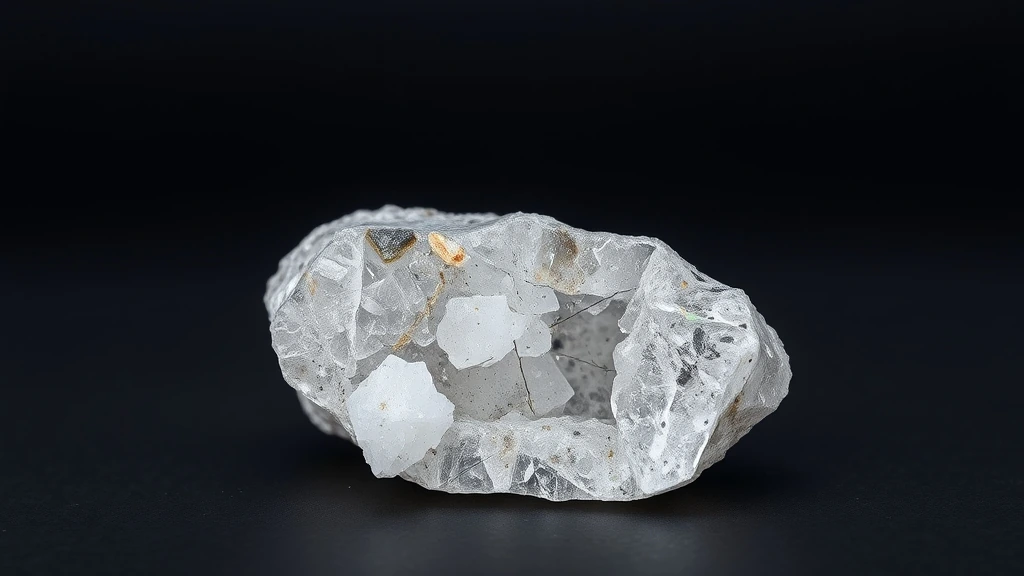
Rutilated quartz belongs to the silicate mineral family, specifically within the tectosilicate subclass. It is a variety of the quartz group, defined by its framework structure. The host crystal forms a continuous three-dimensional network of silicon-oxygen tetrahedra. This structural arrangement provides exceptional chemical stability and mechanical strength. The inclusion of titanium dioxide needles creates its unique visual identity.
What is Rutilated Quartz? Geological Overview & Definition
Rutilated quartz forms when rutile needles grow within the quartz crystal lattice. These inclusions are composed of titanium dioxide, which penetrates the host stone. The process occurs during the final stages of hydrothermal crystallization. This creates a striking visual contrast between the clear matrix and the metallic needles. In comparative mineralogical collections, practitioners and geologists frequently study Moss Agate alongside this crystal to appreciate their subtle energetic and structural differences.
The geological origin typically involves granitic intrusions or metamorphic schists. The host quartz crystallizes from silica-rich fluids in the Earth’s crust. The rutile inclusions align along specific crystallographic planes. This alignment results from the shared trigonal symmetry of both minerals. The resulting gemstone exhibits remarkable optical complexity and structural integrity. Similarly, the banded patterns of Botswana Agate, formed under comparable pressure-temperature conditions, showcase complementary crystal habits that echo the trigonal symmetry observed in rutilated quartz.
Rutilated Quartz Chemical Composition & Crystallographic Properties
The host mineral crystallizes in the trigonal system, specifically rhombohedral or trapezohedral forms. Its lattice consists of corner-sharing silicon-oxygen tetrahedra forming a rigid framework. The rutile inclusions possess a tetragonal structure, creating a distinct crystallographic mismatch. This difference in symmetry influences the optical properties of the composite gemstone.
The primary chemical composition is silicon dioxide, with trace impurities affecting color. Chromophore centers arise from lattice defects or trace elements like iron. These defects absorb specific wavelengths of light, producing smoky or purple tints. The rutile needles contribute their own golden or black coloration.
Thermal behavior reveals the stability of the tectosilicate framework. The quartz host remains stable at high temperatures without structural collapse. However, the rutile inclusions may exhibit different thermal expansion rates. This differential expansion can occasionally cause micro-fractures in the host crystal.
Acid sensitivity is low due to the strong covalent bonding in the lattice. The silicon-oxygen bonds resist dissolution in most common acids. The rutile component is also chemically inert under standard conditions. This combined resistance ensures long-term preservation of the gemstone’s physical integrity.
| Property | Specification |
|---|---|
| Mineral Group | Silicates (Tectosilicates / Quartz Group) |
| Chemical Formula | SiO₂ (Silicon Dioxide) |
| Mohs Hardness | 7.0 |
| Crystal System | Trigonal (Rhombohedral / Trapezohedral) |
| Specific Gravity (Density) | 2.65 |
| Refractive Index | 1.544 – 1.553 |
| Color & Optical Properties | Natural Rutilated Quartz color spectrum and optical dispersion |
| Primary Mining Localities | Brazil, Madagascar, USA (Arkansas), Swiss Alps |
| Water & Chemical Resistance | High (Fully resistant to water and moisture) |
| Chakra Alignment (Traditional) | All Chakras (Universal Harmonizer) |
| Zodiac Affinity (Traditional) | All Zodiac Signs (Especially Leo and Aries) |
| Symbolic Meaning (Traditional) | Master energy amplifier, clarity, purification, and focus |
Rutilated Quartz Varieties & Color Spectrum
Rutilated quartz exhibits a diverse palette driven by the specific oxidation states of its titanium-rich inclusions. The visual character of each variety depends heavily on the density and orientation of the rutile needles within the host crystal. Collectors often categorize these stones by the interplay between the clear quartz matrix and the metallic luster of the internal filaments.
Golden Needle Quartz
This classic variety features distinct, gold-colored rutile inclusions suspended in transparent or smoky quartz. The rutile needles typically align parallel to the c-axis of the host crystal, creating a striking linear aesthetic. High-quality specimens display well-defined, unbroken filaments that catch light with a brilliant metallic sheen.
Black Rutilated Quartz
Distinguished by dense, dark inclusions, this variety often contains higher concentrations of iron or manganese within the rutile structure. The dark titanium dioxide filaments create a dramatic contrast against the lighter quartz matrix, resembling fine black threads. Such specimens are highly sought after for their bold, high-contrast visual impact in jewelry settings.
Red Rutilated Quartz
Rare red varieties arise from specific oxidation conditions during the slow crystallization of the host mineral. The hematite-impregnated rutile inclusions produce a deep crimson or rust hue that stands out against the clear background. This coloration is significantly rarer than golden or black morphs, commanding premium prices in the gem market.
Smoky Rutilated Quartz
This variety combines the brownish tint of irradiated quartz with the presence of rutile inclusions. The smoky coloration results from natural radiation exposure, which alters the crystal lattice structure of the silicon dioxide. When paired with golden or black needles, it creates a complex, earthy aesthetic favored by lapidaries.
White Rutilated Quartz
Occasionally, rutile inclusions appear as pale, whitish, or silver-toned filaments within the quartz host. These silver rutile varieties are less common and often associated with specific geological environments. Their subtle, ethereal appearance offers a softer alternative to the more vibrant golden or black counterparts.
Where is Rutilated Quartz Found? Geological Mining & Extraction
Rutilated quartz primarily forms in granitic pegmatites and hydrothermal veins where titanium-rich fluids interact with silica. The rutile inclusions precipitate as the host quartz crystal grows, trapping the metallic filaments within the lattice structure. This process requires specific pressure and temperature conditions that favor the co-crystallization of these two minerals.
Major commercial deposits are located in Brazil, Madagascar, and the United States, particularly in Arkansas and California. Brazilian specimens are renowned for their high clarity and dense, well-formed needle clusters. Madagascar also yields exceptional material, often featuring large, unfractured crystals suitable for high-end jewelry production.
Historical Significance & Cultural Lore of Rutilated Quartz
Ancient civilizations valued rutilated quartz for its perceived ability to channel and amplify spiritual energy. Archaeological evidence suggests that Neolithic cultures used these crystals in ritualistic contexts, believing the internal structures held special power. The distinctive needle-like inclusions were often interpreted as divine symbols or conduits for cosmic forces.
In medieval Europe, the stone was associated with clarity of thought and purification of the mind. Alchemists and early gemologists documented its properties in various treatises, linking it to the element of air. This enduring legacy continues to influence modern metaphysical practices and collector interest today.
Modern Uses & Jewelry Applications of Rutilated Quartz
Rutilated quartz is prized by lapidaries for its dramatic needle‑like inclusions, which can be highlighted through both cabochon and faceted cuts. Artisans often orient the rutile strands parallel to the pavilion to maximize visual depth, while preserving the stone’s natural brilliance. In addition to rings and pendants, the material is carved into ornamental objects such as figurines and decorative bowls, where the golden needles create a striking contrast against the transparent matrix.
- Cabochon settings showcase the needle clusters in a smooth, reflective dome.
- Faceted cuts align rutile strands with the table for a glittering, star‑like effect.
- Ornamental carvings exploit the stone’s translucency for illuminated art pieces.
Metaphysical Properties & Traditional Meaning of Rutilated Quartz
According to historical traditions and metaphysical lore, rutilated quartz is regarded as a master energy amplifier, capable of intensifying intentions and clearing mental fog. Practitioners believe the stone channels clarity, purification, and focus, helping users navigate complex emotional landscapes with heightened insight. Its shimmering inclusions are thought to mirror the soul’s inner light, fostering resilience and a sense of purpose.
Which Chakra and Zodiac Signs Align with Rutilated Quartz?
Rutilated quartz resonates with all chakras, acting as a universal harmonizer that balances each energy center from root to crown. By circulating vital force throughout the subtle body, it supports holistic well‑being and amplifies meditation practices across the entire chakra system.
Astrologically, the stone is aligned with all zodiac signs, with particular emphasis on Leo and Aries. These fire signs are said to benefit most from its invigorating properties, which reinforce confidence, leadership, and dynamic action while still offering supportive energy to every other sign.
How to Identify Real vs. Fake Rutilated Quartz
Artificial imitations of rutilated quartz include synthetic glass rods, resin‑filled composites, and dyed quartz that mimic the golden needles but lack the natural crystalline structure. These replicas often exhibit uniform coloration, excessive clarity, or a plastic feel that distinguishes them from authentic specimens. Recognizing genuine rutilated quartz requires careful observation of its physical and optical characteristics.
Practical At-Home Authenticity Tests
- Temperature Test (Thermal Feel): Real quartz feels cool to the touch and retains that coolness longer than glass or plastic, which quickly warm to skin temperature.
- Specific Gravity & Weight Test: With a density of 2.65 g/cm³, authentic rutilated quartz feels heavier than glass (≈2.5 g/cm³) when held for a few seconds.
- Scratch & Hardness Test (Mohs Comparison): Quartz rates 7 on the Mohs scale; a steel nail (≈5.5) will not scratch it, whereas glass or resin will show surface marks.
- Microscopic & Loupe Inspection (Internal Inclusions): Under 10× magnification, natural rutile appears as sharp, needle‑like crystals intersecting the matrix, while synthetic imitations display smooth, uniform fibers or bubbles.
Rutilated Quartz Valuation Factors, Grading & Pricing
The market first assesses color saturation, judging how vivid the quartz appears against the golden‑yellow rutiles. Deep, uniform hues and a bright, natural luster raise desirability, while muted tones lower price. Collectors also note the clarity of the host crystal, as any cloudiness can diminish perceived vibrancy.
Next, crystal size & weight (grams) dominate pricing, with larger, heavier specimens commanding premium rates. Raw, unpolished stones are valued for their natural form, whereas tumbled pieces receive higher offers when the polish reveals a glassy surface without obscuring the rutile needles. Natural matrix inclusions that enhance the “starburst” effect add value, but fractures or heavy polishing that removes needles reduce it.
Finally, ethical sourcing & locality premium influences both holistic and collector markets. Stones mined responsibly in regions with transparent labor practices attract higher bids, especially when provenance links to famed quartz belts such as Brazil or Madagascar. Provenance certificates and fair‑trade assurances can add a noticeable surcharge, reflecting growing consumer demand for responsibly obtained gemstones.
How to Clean and Care for Rutilated Quartz
Rutilated quartz tolerates water well; gently wash the stone in warm water mixed with a mild soap to remove surface grime. Use a soft brush or cloth to reach crevices where rutiles may trap dust, then rinse thoroughly with clean lukewarm water. The piece may also be placed in an ultrasonic cleaner for a few seconds, provided it is not heavily fractured, to dislodge stubborn particles without damaging the crystal lattice. After cleaning, pat dry with a lint‑free microfiber cloth and store in a stable, low‑humidity environment to preserve its brilliance.
Cleansing and Recharging Rutilated Quartz (Energetic Care)
For energetic maintenance, hold the quartz in clean hands and pass it through a gentle stream of herbal smudge smoke, allowing the fragrant vapor to clear residual negative imprint without exposing the stone to heat. Alternatively, position the crystal on a selenite charging slab for several hours; the selenite’s neutral energy subtly renews the quartz’s vibrational field while leaving the mineral structure intact.
A second method involves placing the stone under soft moonlight during a clear night, letting the lunar glow infuse the quartz with calm, balanced energy. Ensure the piece rests on a non‑conductive surface to avoid scratches, and retrieve it before sunrise to prevent prolonged exposure to direct sunlight, which can fade the vividness of the rutiles over time.
Frequently Asked Questions About Rutilated Quartz
Is rutilated quartz safe to wear in the shower?
Yes, it is fully resistant to water and moisture. The silicon dioxide matrix of quartz is chemically inert, meaning it does not dissolve or degrade when exposed to humidity. You can safely wear this stone during daily activities, including bathing, without risking structural damage or altering its natural luster.
How should I clean my rutilated quartz jewelry?
Use warm water and mild soap for effective cleaning. This gentle method removes oils and dirt without harming the delicate rutile needles trapped inside. Rinse thoroughly and dry with a soft cloth to maintain the stone’s brilliance and prevent water spots from forming on the surface.
Can I put rutilated quartz in an ultrasonic cleaner?
Yes, it is suitable for ultrasonic cleaning unless heavily fractured. The Mohs hardness of 7.0 allows the quartz to withstand the vibrations of standard ultrasonic devices. However, exercise caution if the specimen contains significant internal fractures, as intense vibrations could potentially expand existing cracks over time.
What is the chemical composition of rutilated quartz?
The primary host mineral is silicon dioxide (SiO₂). This transparent or translucent matrix contains inclusions of rutile, which is titanium dioxide (TiO₂). The combination creates a unique visual effect where golden, red, or black needles appear suspended within the clear crystal structure.
Which zodiac signs are best aligned with this stone?
It resonates with all zodiac signs, especially Leo and Aries. As a universal energy amplifier, it supports the fiery energy of these signs while benefiting others. Its clarity and focus properties help balance emotional fluctuations, making it a versatile accessory for any astrological profile seeking enhanced mental sharpness.
Which chakras does rutilated quartz activate or balance?
It serves as a universal harmonizer for all chakras. This stone does not target a single energy center but instead promotes flow throughout the entire body. Its master energy amplifier quality helps clear blockages, ensuring that spiritual and physical energy moves freely from the root to the crown.
How hard is rutilated quartz on the Mohs scale?
It rates a 7.0 on the Mohs hardness scale. This makes it durable enough for everyday jewelry use, resisting scratches from most common materials. However, the rutile inclusions can sometimes create weak points, so you should still avoid dropping the stone on hard surfaces to prevent chipping.
Does rutilated quartz require special storage conditions?
Store it separately to prevent scratches from harder gems. While durable, the refractive index of 1.544–1.553 means it can still be scratched by diamonds or sapphires. Keep it in a soft pouch or lined jewelry box to preserve the integrity of both the quartz matrix and the delicate internal needles.