
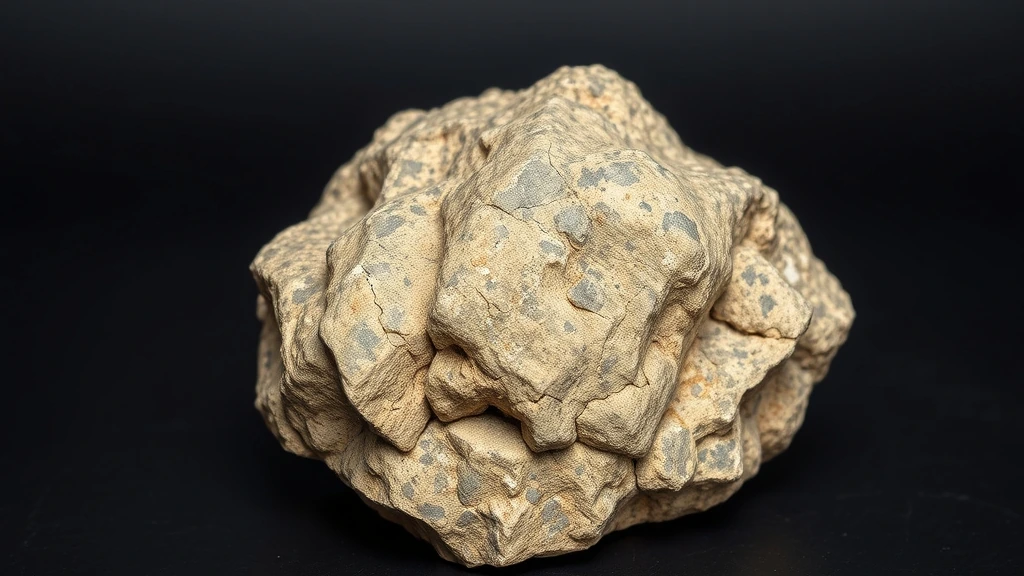
Tuff belongs to the Natural Mineral / Crystal parent group, though it is an aggregate rather than a single mineral species. Formed from rapid deposition of volcanic ejecta, it consolidates into a polycrystalline mass that retains the textures of its source magma. This rock is classified as a composite (polycrystalline) material, meaning its internal structure is a mosaic of intergrown mineral grains rather than a uniform lattice. Its geological identity bridges igneous processes and sedimentary reworking, making it a unique specimen for both gemological and scientific study.
What is Tuff? Geological Overview & Definition
Tuff is a volcanic lithic aggregate produced when explosive eruptions expel fine ash, lapilli, and pumice that later lithify. The resulting rock records the eruption’s chemistry, preserving a snapshot of the magma’s mineralogy and volatile content. Its texture can range from loosely cemented to densely welded, influencing both durability and aesthetic appeal.
In gemological contexts, tuff is valued for its earthy color palette and the way it can be cut to highlight internal banding or vesicular patterns. Because it is an aggregate, its physical properties such as hardness and density vary locally, reflecting the proportion of constituent minerals like feldspar, quartz, pyroxene, amphibole, and biotite.
Tuff Chemical Composition & Crystallographic Properties
The crystal system of tuff is Composite (Polycrystalline), meaning it lacks a single, repeating unit cell and instead comprises interlocked grains of multiple mineral phases. Each constituent mineral retains its own lattice parameters, creating a heterogeneous mosaic that governs the rock’s overall mechanical behavior.
Mineralogically, tuff typically contains feldspar, quartz, pyroxene, amphibole, and biotite, with proportions dictated by the parent magma’s composition. Cation substitution within these minerals—such as Na⁺ ↔ K⁺ in feldspar—introduces subtle variations in density (1.8–2.7 g/cm³) and refractive index (1.54–1.65). These substitutions also affect the rock’s response to acidic environments, where silica-rich phases may dissolve faster than silicate-rich ones.
Color in tuff arises from chromophore centers associated with iron oxides and trace transition metals embedded in the mineral grains. Oxidation states of Fe²⁺/Fe³⁺ generate reds, browns, and greens, while the presence of volcanic glass can impart a translucent sheen. Thermal exposure can cause devitrification, altering the glassy matrix into crystalline phases and subtly shifting both hardness and color.
Across temperature gradients, tuff exhibits thermal stability up to several hundred degrees Celsius, beyond which the welded matrix may fracture or recrystallize. This behavior is crucial for lapidary work, as controlled heating can enhance clarity without compromising structural integrity.
| Property | Specification |
|---|---|
| Mineral Group | Natural Mineral / Crystal |
| Chemical Formula | Composite volcanic rock (typically >75% volcanic ash, lapilli, and pumice; mineralogy varies by source magma, commonly feldspar, quartz, pyroxene, amphibole, and biotite) |
| Mohs Hardness | 3.0 – 6.5 |
| Crystal System | Composite (Polycrystalline) |
| Specific Gravity (Density) | 1.8 – 2.7 |
| Refractive Index | 1.54 – 1.65 |
| Color & Optical Properties | Natural Tuff color spectrum and optical dispersion |
| Primary Mining Localities | Global primary localities |
| Water & Chemical Resistance | Sensitive (Avoid prolonged water soaking) |
| Chakra Alignment (Traditional) | Root Chakra |
| Zodiac Affinity (Traditional) | Capricorn, Virgo |
| Symbolic Meaning (Traditional) | Grounding, stability, and connection to the earth |
Tuff Varieties & Color Spectrum
Tuff is a heterogeneous volcanic rock composed primarily of volcanic ash and lapilli, resulting in a wide spectrum of visual appearances. Its coloration is dictated by the specific mineralogy of the source magma and subsequent weathering processes.
Feldspar content often imparts pinkish or reddish hues, while iron oxidation creates distinct orange and brown tones. The polycrystalline nature of the rock ensures that no two specimens are identical, offering unique textural diversity for collectors.
Red Tuff
Red tuff derives its vibrant hue from high concentrations of iron oxides within the volcanic ash matrix. This variety is commonly associated with oxidized pyroclastic flows that have undergone significant weathering over geological time.
The Mohs hardness of red tuff typically ranges between 3.0 and 4.5, making it susceptible to abrasion. Its porous structure often reveals visible pumice fragments, adding textural complexity to the stone’s surface.
Green Tuff
Green tuff features a distinctive verdant coloration caused by the presence of chlorite and other iron-magnesium silicate minerals. This variety forms in specific volcanic environments where hydrothermal alteration modifies the original ash composition.
The refractive index of the constituent minerals in green tuff generally falls between 1.54 and 1.65. Its moderate density of approximately 2.2 to 2.5 allows for easy carving while maintaining structural integrity for lapidary work.
Black Tuff
Black tuff is characterized by a dark, charcoal appearance resulting from high carbon content and unaltered volcanic glass. This variety often contains abundant pumice fragments that create a speckled, vesicular texture throughout the rock.
The crystal system of the individual mineral grains within black tuff varies, but the overall rock remains polycrystalline. Its low density, often below 2.0, makes it lightweight and suitable for large-scale architectural applications.
White Tuff
White tuff exhibits a pale, creamy coloration due to high quartz and feldspar content with minimal iron impurities. This variety is prized for its clean aesthetic and ability to reflect light effectively in architectural settings.
The chemical formula of the mineral components in white tuff is dominated by silicates. Its relatively high Mohs hardness compared to other tuffs makes it more durable for detailed carving and sculptural work.
Lavender Tuff
Lavender tuff displays a rare, soft purple hue resulting from trace amounts of manganese and other transition metals. This coloration is often enhanced by specific weathering conditions that alter the surface minerals.
The esoteric keywords associated with lavender tuff include grounding and stability, reflecting its earthy origins. Its rarity makes it a sought-after variety among collectors of unusual volcanic stones.
Banded Tuff
Banded tuff features distinct layers of varying colors and textures, formed by successive volcanic eruptions. These stratified layers provide a dynamic visual pattern that is highly valued in decorative applications.
The density of banded tuff can vary significantly between layers, affecting its overall weight and handling. This variety showcases the complex geological history of the volcanic region where it was deposited.
Where is Tuff Found? Geological Mining & Extraction
Tuff is extracted from pyroclastic deposits formed by explosive volcanic eruptions that eject ash and lapilli into the atmosphere. These deposits often form thick sequences in volcanic calderas and surrounding basins, providing substantial resources for mining.
Primary extraction regions include Turkey, Italy, and the United States, where extensive volcanic fields have produced large quantities of tuff. Mining operations typically involve open-pit methods to access the relatively shallow deposits of this lightweight rock.
The host rock environments for tuff are often associated with other volcanic products such as lava flows and ignimbrites. These geological settings provide context for understanding the formation and distribution of tuff resources globally.
Extraction techniques are tailored to the specific porosity and hardness of the tuff, ensuring minimal damage to the stone. Careful handling is required to preserve the integrity of the rock for both construction and lapidary purposes.
Historical Significance & Cultural Lore of Tuff
Ancient civilizations, particularly the Romans and Etruscans, utilized tuff extensively for architectural construction due to its lightweight and workable nature. The city of Rome itself was largely built using tuff quarried from the Alban Hills, demonstrating its historical importance.
Archaeological artifacts carved from tuff, including statues and reliefs, provide insights into the artistic and cultural practices of ancient societies. These objects highlight the material’s versatility and the skill of ancient craftsmen in working with volcanic stone.
Cultural lore often associates tuff with grounding and stability, reflecting its deep connection to the earth. This symbolism has persisted through centuries, influencing its use in modern spiritual and decorative contexts.
The esoteric keywords of tuff, such as stability and connection to the earth, continue to resonate with contemporary audiences. This enduring cultural significance underscores the material’s role beyond mere geological utility.
Modern Uses & Jewelry Applications of Tuff
Due to its porous and relatively soft nature, tuff is rarely cut into high-faceted gems for fine jewelry. Instead, lapidaries primarily shape it into smooth cabochons or intricate sculptural pieces that highlight its unique volcanic textures. The stone’s lightweight quality makes it ideal for creating large, comfortable pendants and architectural ornaments.
- Sculptural Carving: Artists favor tuff for detailed relief work and small statues due to its ease of carving.
- Porous Cabochons: Polished domes often retain a matte finish to showcase the volcanic ash matrix and embedded pumice fragments.
- Architectural Inlays: Thin slices are used in decorative flooring and wall panels for their earthy aesthetic.
Metaphysical Uses & Origins of Tuff
Practitioners value tuff for its profound connection to the earth, utilizing it in grounding practices to stabilize energy and reduce anxiety. Its porous structure is believed to absorb negative vibrations, acting as a natural filter for the wearer’s aura. Meditators often hold tuff stones to enhance focus and foster a sense of unshakeable stability during sessions.
In architectural and lapidary arts, tuff serves as a symbolic bridge between the human realm and geological time. Its rough, unpolished appearance reminds users of the raw power of volcanic forces, encouraging humility and resilience. This material is frequently incorporated into sacred spaces to promote earth energy and physical well-being.
Which Chakra and Zodiac Signs Align with Tuff?
Tuff is intrinsically linked to the Root Chakra, which governs survival, security, and physical grounding. This alignment stems from the stone’s origin as solidified volcanic ash, representing the literal foundation of the earth. Working with tuff helps anchor the wearer, alleviating feelings of instability or disconnection from the physical world.
Astrologically, tuff resonates strongly with Capricorn and Virgo, two earth signs known for their practicality and discipline. Capricorns appreciate the stone’s enduring strength, while Virgos value its ability to bring order to chaotic energies. This connection reinforces the stone’s role as a tool for achieving tangible goals and maintaining mental clarity.
How to Identify Real vs. Fake Tuff
Artificial imitations of tuff are common, often involving synthetic glass or dyed porous rocks designed to mimic volcanic textures. These fakes may lack the natural mineral variations and specific porosity patterns found in genuine volcanic ejecta. Collectors must remain vigilant, as surface treatments can easily deceive the untrained eye.
Practical At-Home Authenticity Tests
- Temperature Test (Thermal Feel): Genuine tuff feels cool to the touch initially but warms up quickly in the hand due to its low thermal conductivity. Synthetic glass imitations tend to retain their initial temperature longer and feel denser.
- Specific Gravity & Weight Test: Real tuff is notably lightweight, with a density ranging from 1.8 to 2.7 g/cm³. If the stone feels unexpectedly heavy for its size, it is likely a dense glass or ceramic replica.
- Scratch & Hardness Test (Mohs Comparison): Tuff has a variable Mohs hardness between 3.0 and 6.5, meaning a steel knife (hardness 5.5) may scratch softer varieties. Glass fakes, typically harder than 5.5, will resist scratching from a steel blade.
- Microscopic & Loupe Inspection (Internal Inclusions): Use a 10x loupe to examine the surface for natural volcanic inclusions like pumice bubbles or feldspar crystals. Uniform, bubble-free interiors or artificial dye pooling in pores indicate a synthetic origin.
Tuff Valuation Factors, Grading & Pricing
Market value is primarily driven by Color Variations and the distinct aesthetic appeal of natural textures. Collectors prize specimens exhibiting vibrant mineral veining, such as iron oxide staining or calcite deposits, which create striking visual contrast. The presence of well-preserved pumice bubbles or lapilli fragments adds geological interest and enhances the rock’s ornamental desirability.
Commercial pricing heavily depends on Specimen Mass & Size (Grams/Kilograms) and the integrity of the structural block. Larger, unfractured pieces command higher premiums due to their suitability for detailed carving and architectural applications. Craftsmanship quality also influences cost, as intricate carvings require dense, uniform material that withstands tool pressure without crumbling.
Geographical Origin & Authenticity significantly impact wholesale pricing in the ornamental and wellness sectors. Specimens from renowned volcanic regions, such as the Aegean coast or the American Southwest, often carry a premium due to historical significance. Market trends favor authentic, unaltered stones, with verified provenance documentation increasing buyer confidence and resale value.
How to Clean and Care for Tuff
Due to its porous and fragile nature, tuff requires gentle handling to prevent permanent structural damage. Wipe the surface briefly with a damp cloth to remove dust and light debris, then dry it immediately with a soft towel. This quick moisture contact prevents liquid from penetrating deep into the volcanic ash matrix, which could cause internal swelling or cracking.
Never submerge tuff in water or use ultrasonic cleaners, as the intense vibrations can shatter the delicate polycrystalline bonds holding the rock together. Avoid abrasive scrubbing or chemical solvents, which may erode the surface and diminish its natural aesthetic appeal. Store the specimen in a dry, stable environment to maintain its physical integrity and visual clarity over time.
Cleansing and Recharging Tuff (Energetic Care)
For holistic maintenance, place the tuff specimen in a moonlight exposure spot overnight to gently restore its energetic balance. This passive method avoids any physical stress or temperature fluctuations that could compromise the rock’s structural stability. The soft, indirect light is believed to clear stagnant energy without interacting with the mineral lattice in a destructive manner.
Alternatively, use herbal smudging with sage or palo santo to purify the stone’s surrounding space. Hold the burning bundle at a safe distance, allowing the smoke to pass over the specimen without direct contact. This dry, non-invasive technique respects the material’s fragility while aligning with traditional practices for grounding and stability.
Frequently Asked Questions About Tuff
What is tuff and how does it form?
Tuff is a composite volcanic rock formed from consolidated ash, lapilli, and pumice. It originates when explosive eruptions eject fine-grained volcanic material that settles and lithifies over time, incorporating minerals such as feldspar, quartz, pyroxene, amphibole, and biotite, resulting in a polycrystalline matrix with variable hardness.
Is tuff suitable for everyday jewelry wear?
Yes, tuff can be set in jewelry but its durability varies widely. With a Mohs hardness ranging from 3.0 to 6.5, softer pieces may scratch or chip under impact, so designers often reserve tuff for pendants or earrings where protective settings minimize mechanical stress.
Can tuff be worn in the shower or while swimming?
No, tuff is water‑sensitive and should avoid prolonged soaking. Extended exposure to water can weaken the bonded ash matrix, leading to micro‑fractures; a brief wipe with a damp cloth followed by immediate drying is acceptable, but immersion is discouraged.
How should I clean a tuff safely?
Wipe tuff briefly with a damp cloth and dry it immediately; avoid ultrasonic cleaners. The porous nature of the rock makes it prone to structural fractures under vibration, so a soft microfiber cloth or gentle brush is the safest method to remove surface dust without compromising integrity.
Does tuff have any astrological associations?
Tuff is linked to the zodiac signs Capricorn and Virgo. These earth‑signs are thought to resonate with tuff’s grounding energy, reinforcing themes of stability and practicality that align with the stone’s natural origin from solidified volcanic ash.
Which chakra is tuff connected to?
Tuff is associated with the Root Chakra. This alignment supports feelings of grounding and security, helping wearers feel more anchored to the earth, which mirrors the stone’s formation deep within volcanic deposits.
What is the typical refractive index range for tuff?
Tuff exhibits a refractive index between 1.54 and 1.65. This moderate range contributes to a subtle brilliance that is less fire‑like than true gemstones, making its visual appeal depend more on color, texture, and pattern than on high optical dispersion.
How dense is tuff compared to other gemstones?
Tuff’s density falls between 1.8 and 2.7 g/cm³. This relatively low specific gravity means it feels lighter than many traditional gems, a characteristic that can influence design choices such as larger pendant sizes without excessive weight.