
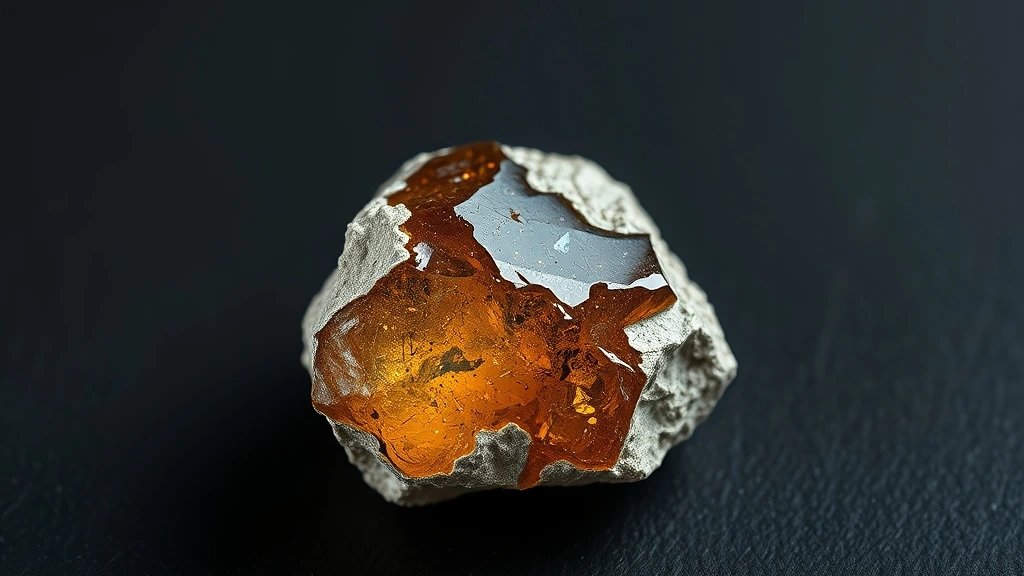
Zircon belongs to the natural mineral family of silicate crystals, classified specifically as a tetragonal silicate of the nesosilicate group. Formed in igneous and metamorphic rocks, it often survives geological cycles, preserving ancient isotopic signatures that aid geochronology. Its robust crystal lattice and resistance to chemical weathering have allowed zircon to persist from the Earth’s earliest crustal formations to modern jewelry settings.
What is Zircon? Geological Overview & Definition
Zircon is a nesosilicate mineral composed of isolated SiO₄ tetrahedra linked to zirconium cations, crystallizing in the tetragonal system. It occurs as euhedral prisms, often displaying well‑developed striations and a characteristic high luster that ranges from adamantine to sub‑adamantine.
Across ancient lapidary traditions, zircon was valued for its brilliance and durability, appearing in early Egyptian amulets and medieval European reliquaries. Its resistance to weathering makes it a common detrital grain in sedimentary sands, where it serves as a reliable indicator of provenance in sedimentary petrology.
Zircon Chemical Composition & Crystallographic Properties
The ideal formula ZrSiO₄ defines a tetragonal lattice with space group I4₁/amd, where zirconium occupies the 8a sites and silicon the 4b sites. Minor cation substitution—such as hafnium (Hf), uranium (U), and thorium (Th)—occurs without disrupting the overall symmetry, influencing both density and radiometric dating potential.
Zircon is chemically stable in most environments but dissolves slowly in strong hydrofluoric or hot concentrated acids, a property exploited in laboratory separation techniques. Its chromophore color centers arise from trace rare‑earth elements and radiation‑induced defects, producing hues of yellow, red, brown, and blue.
Thermal treatment can anneal radiation damage, restoring clarity and sometimes altering color by mobilizing these defect centers. When heavily metamict, the refractive index drops to about 1.75, reflecting a loss of long‑range order, yet the crystal can recrystallize upon heating, regaining its original tetragonal symmetry and optical properties.
| Property | Specification |
|---|---|
| Mineral Group | Natural Mineral / Crystal |
| Chemical Formula | ZrSiO₄ |
| Mohs Hardness | 7.5 |
| Crystal System | Tetragonal |
| Specific Gravity (Density) | 4.6–4.7 |
| Refractive Index | n ω = 1.925–1.961 n ε = 1.980–2.015, 1.75 when metamict |
| Color & Optical Properties | Natural Zircon color spectrum and optical dispersion |
| Primary Mining Localities | Global primary localities |
| Water & Chemical Resistance | High (Safe for gentle water washing) |
| Chakra Alignment (Traditional) | Crown Chakra, Third Eye Chakra |
| Zodiac Affinity (Traditional) | Virgo, Libra, Sagittarius |
| Symbolic Meaning (Traditional) | Clarity, wisdom, and spiritual insight |
Zircon Varieties & Color Spectrum
Zircon displays distinct mineralogical characteristics across its geological varieties and structural habits. Gemologists evaluate these natural varieties based on crystal habit, trace chromophore concentrations, and visual luster.
Primary Natural Zircon
The benchmark natural variety exhibiting diagnostic color saturation and classic crystallographic symmetry.
Distinct Geological Morphs of Zircon
Secondary regional and structural varieties formed under localized geological temperature and pressure conditions.
Red‑Brown Zircon
Formed in high‑temperature granitic pegmatites, red‑brown zircon acquires its hue from trace uranium and thorium that cause radiation‑induced color centers. Inclusions often display minute rutile needles, giving a subtle silk‑like sheen. This variety is relatively common in Sri Lanka and Brazil, yet high‑clarity stones command premium prices.
Blue Zircon
Blue zircon originates in metamorphic schists where hafnium substitutes for zirconium in the crystal lattice, producing a vivid sapphire‑like tint. Characteristic internal fractures may host fluid‑filled cavities that enhance its pleochroism. Fine specimens are rare, with notable deposits in Myanmar and Tanzania supplying the most coveted gems.
Green Zircon
The green hue results from trace chromium or iron within the tetragonal structure, frequently occurring in alluvial gravels derived from weathered pegmatites. Its surface often exhibits a faint adamantine luster and occasional iridescent flashes. High‑grade green zircon is scarce, with notable sources in Madagascar and the United States (Colorado).
Yellow‑Orange Zircon
Yellow‑orange zircon forms in sedimentary sandstones where radiation damage creates color centers that absorb blue light. The stones display a characteristic high dispersion, producing fire comparable to diamond. Large, eye‑clean crystals are most frequently mined from the alluvial deposits of Cambodia and Mozambique.
Colorless (Clear) Zircon
Colorless zircon, prized for its brilliance, crystallizes in pristine granitic environments with minimal impurity content. Its high refractive index (nω ≈ 1.93–1.96) yields exceptional sparkle, while internal growth zones can reveal concentric zoning patterns. The most transparent stones emerge from the Kimberley region of Australia and the Ural Mountains of Russia.
Metamict Zircon
When intense radioactive decay disrupts the crystal lattice, zircon becomes metamict, lowering its refractive index to about 1.75 and rendering it more glassy. These altered stones often retain a muted amber tone and are sought after by collectors for their geological history. Metamict specimens are primarily sourced from ancient placer deposits in Sri Lanka.
Where is Zircon Found? Geological Mining & Extraction
Zircon crystals crystallize chiefly within granite‑derived pegmatites and high‑grade metamorphic schists, where slow cooling permits well‑formed tetragonal prisms. In these host rocks, zircon is commonly associated with mica, feldspar, and monazite, and is extracted by selective hand‑sorting or mechanized crushing followed by heavy‑media separation.
Major mining districts include the Ural Mountains (Russia), Maharashtra (India), Northern Queensland (Australia), and the Rift Valley deposits of Tanzania. In each region, miners exploit both primary in‑situ pegmatite veins and secondary alluvial placers, employing gravity‑concentration and flotation to isolate the dense zircon grains for gem‑cutting or industrial use.
Historical Significance & Cultural Lore of Zircon
Across ancient lapidary traditions, zircon was prized for its brilliance and durability, appearing in Egyptian burial caches as inlays within gold funerary masks dating to the New Kingdom. Greco‑Roman writers such as Pliny the Elder described “jacinth” stones, likely referring to the reddish varieties of zircon used in mosaics and signet rings.
In Vedic astrology, zircon is linked to the Crown Chakra and is believed to foster clarity, wisdom, and spiritual insight, a belief echoed in Chinese metaphysical texts that associate the stone with longevity and protective energy. Throughout early archaeological records, zircon beads and cabochons have been uncovered in Silk Road trade caches, underscoring its long‑standing role as a cross‑cultural talisman.
Modern Uses & Jewelry Applications of Zircon
Zircon is prized for its high refractive index and fire, making it a versatile gemstone in contemporary design. Skilled lapidaries often cut it into brilliant facets that rival diamond sparkle, while cabochon styles showcase its silky luster. Ornamental carving also exploits its durability for intricate cameos and decorative inlays.
- Brilliant faceted rings, earrings, and pendants
- Cabochon beads for necklaces and bracelets
- Cameo and intaglio carvings for heirloom pieces
Carat, Quality Grades & Value Factors of Zircon
The market evaluates zircon primarily through the 4Cs—Color, Clarity, Cut, and Carat weight. Vivid hues ranging from golden yellow to deep red command premium prices, especially when the stone exhibits strong dispersion and minimal inclusions. A well‑executed cut maximizes brilliance, while larger carat weights amplify rarity and investment appeal.
Durability is anchored by a Mohs hardness of 7.5, allowing zircon to withstand daily wear when set in protective settings. Grading laboratories apply strict criteria for clarity (often noting “metamict” zones) and color saturation, with transparent, color‑free stones fetching the highest valuations.
Zodiac and Astrological Lore of Zircon
Across ancient lapidary traditions, zircon has been linked to the zodiac signs Virgo, Libra, and Sagittarius, believed to enhance analytical insight and balanced judgment. In historical metaphysical lore, the stone is said to amplify the Crown and Third Eye Chakras, fostering spiritual clarity and wisdom.
Cultural heritage records from Greco‑Roman and early Indian sources describe zircon as a talisman for travelers and scholars, attributing protective qualities that align with its astrological affinities. These timeless associations continue to influence modern gemstone selection for both aesthetic and symbolic purposes.
How to Identify Real vs. Fake Zircon
Synthetic zircon, glass, and dyed quartz are common imitations that can mimic the stone’s brilliance but lack its characteristic density and dispersion. Recognizing these substitutes requires careful observation of optical behavior, weight, and internal features that differ from natural zircon’s crystal structure.
Practical At-Home Authenticity Tests
- Temperature Test (Thermal Feel): Natural zircon feels cool to the touch and retains that coolness longer than glass or cubic zirconia, which warm quickly in the hand.
- Specific Gravity & Weight Test: Weigh the stone on a precise scale; zircon’s density (4.6–4.7 g/cm³) makes it noticeably heavier than glass (≈2.5 g/cm³) of the same size.
- Scratch & Hardness Test (Mohs Comparison): Using a steel file (hardness ~6.5), zircon resists scratching, whereas glass or cubic zirconia may show surface marks.
- Microscopic & Loupe Inspection (Internal Inclusions): Under 10× magnification, natural zircon often displays minute, irregular inclusions or metamict zones, while synthetic glass appears uniformly clear.
Zircon Valuation Factors, Grading & Pricing
Market valuation heavily depends on Color Saturation and hue uniformity across the stone’s entire surface. High-quality specimens exhibit vivid, consistent tones without zoning or muddy undertones. Optical clarity and luster further enhance desirability, as inclusions can significantly diminish brilliance.
Carat Weight influences pricing exponentially, with larger, flawless stones commanding premium rates. Facet symmetry and precise cutting angles are critical for maximizing light return and fire. Adherence to the 4Cs lapidary grading standards ensures objective assessment of these physical attributes.
Geographical Provenance Premium often elevates the market value of certified gemstones from renowned deposits. Specific origins, such as those from Myanmar or Australia, carry historical prestige. Current gem market trends reflect steady demand for high-grade, ethically sourced zircons.
How to Clean and Care for Zircon
Zircon possesses high water resistance, making it safe for gentle washing in warm soapy water. A soft cloth should be used to gently remove oils and dirt without scratching the surface. This method effectively maintains the stone’s natural luster and optical performance.
The mineral is also safe for ultrasonic cleaning, which can dislodge stubborn debris from facet junctions. Ensure the ultrasonic setting is appropriate for hard gemstones to prevent any potential stress. Regular maintenance preserves the structural integrity and visual appeal of the zircon.
Cleansing and Recharging Zircon (Energetic Care)
For holistic energetic maintenance, practitioners often employ herbal smudging with sage or palo santo to clear stagnant energies. This dry method avoids moisture exposure while respecting the mineral’s physical stability. Gentle moonlight exposure is another popular technique for recharging the stone’s vibrational frequency.
Resting the zircon on a selenite charging slab allows for passive energy renewal without physical handling. These dry, low-stress methods align with the mineral’s crystal lattice stability. Avoiding heat sources ensures the structural integrity of the tetragonal crystal system remains uncompromised.
Frequently Asked Questions About Zircon
Zircon displays distinct mineralogical characteristics across its geological varieties and structural habits. Gemologists evaluate these natural varieties based on crystal habit, trace chromophore concentrations, and visual luster.
Primary Natural Zircon
The benchmark natural variety exhibiting diagnostic color saturation and classic crystallographic symmetry.
Distinct Geological Morphs of Zircon
Secondary regional and structural varieties formed under localized geological temperature and pressure conditions.
What is the chemical composition of zircon?
Zircon is composed of zirconium silicate, with the formula ZrSiO₄. This robust mineral belongs to the tetragonal crystal system and exhibits a density of 4.6–4.7 g/cm³, making it a durable choice for both jewelry and industrial applications. Its high refractive indices (nω ≈ 1.925–1.961, nε ≈ 1.980–2.015) contribute to its brilliant sparkle.
How hard is zircon compared to other gemstones?
Zircon ranks 7.5 on the Mohs hardness scale. This places it just below corundum and above topaz, allowing it to resist scratches from most everyday wear. Its hardness also makes it suitable for use in precision instruments and as a gemstone in high‑wear settings.
Is zircon safe to clean with water or in the shower?
Zircon is water‑resistant and safe for gentle water washing. It can be cleaned with warm soapy water and a soft cloth, or even placed in an ultrasonic cleaner. The mineral’s durability ensures it will not be damaged by routine exposure to moisture.
Can zircon be cleaned with an ultrasonic cleaner?
Yes, zircon can be safely cleaned in an ultrasonic bath using warm soapy water. The ultrasonic vibrations help remove surface grime without affecting the stone’s integrity. After cleaning, a soft cloth should be used to dry the piece thoroughly.
Which zodiac signs are associated with zircon?
Zircon is linked to the zodiac signs Virgo, Libra, and Sagittarius. These associations are rooted in historical astrological traditions that attribute specific personality traits and life influences to gemstones. Collectors often choose zircon to align with these celestial energies.
Which chakras does zircon correspond to?
Zircon corresponds to the Crown Chakra and the Third Eye Chakra. In metaphysical practice, it is believed to enhance spiritual insight and clarity of thought. These chakra associations are frequently cited in holistic healing circles.
Is zircon suitable for everyday jewelry wear?
Yes, zircon’s hardness and durability make it ideal for daily wear. Its resistance to scratching and high refractive index give it a lasting brilliance, while its water resistance ensures it can withstand daily exposure to moisture and cleaning.
Does zircon contain any radioactive elements?
Zircon can contain trace amounts of uranium and thorium, but it is generally safe for jewelry use. The natural radioactivity is minimal and poses no significant health risk under normal wear conditions. Regular cleaning and inspection are recommended to maintain its appearance.