
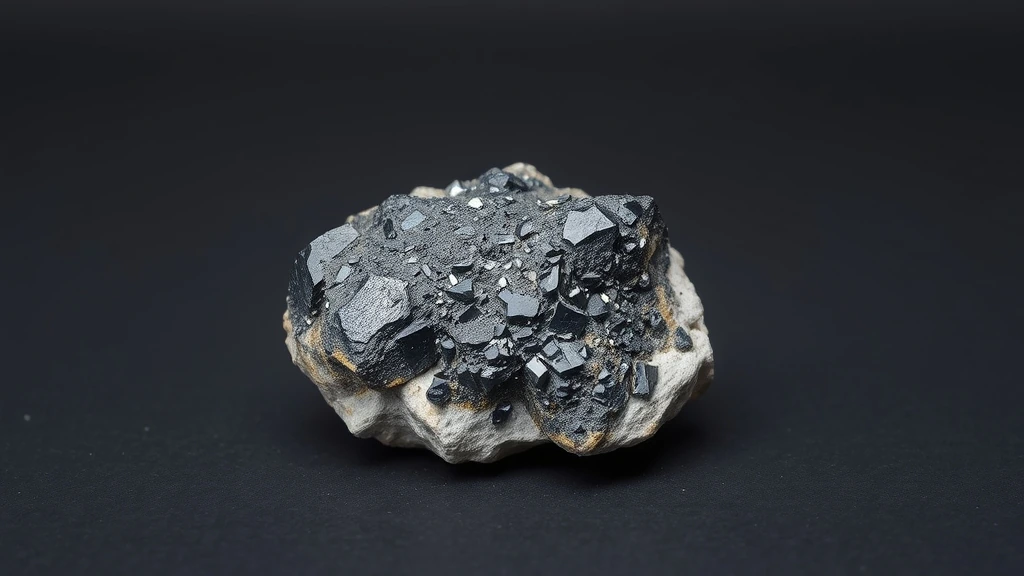
Zultanite belongs to the natural mineral family of oxides and hydroxides, crystallizing as a single‑crystal gem rather than an aggregate or rock. Found primarily in the alluvial deposits of Turkey’s Anatolian plateau, it forms in metamorphic environments where aluminum‑rich fluids precipitate diaspore in the trigonal crystal system. The gemstone’s unique pleochroism and thermal color change have made it a prized material since its commercial introduction in the early 2000s, bridging scientific intrigue and market demand.
What is Zultanite (diaspore)? Geological Overview & Definition
Zultanite is the gem‑cut, heat‑treated form of diaspore, an aluminum oxide‑hydroxide mineral that occurs as prismatic crystals in metamorphic schists and quartzite veins. The name “Zultanite” was coined for the marketing of stones from the Maden district, where the mineral exhibits a distinctive color‑change phenomenon that intensifies with temperature.
Across ancient lapidary traditions, diaspore’s translucency and rarity were noted, but it was only in modern gemology that its thermochromic properties were harnessed for jewelry. The stone’s rarity, combined with its appealing hue range, positions it alongside other celebrated color‑change gems such as alexandrite.
Zultanite (diaspore) Chemical Composition & Crystallographic Properties
The ideal chemical formula of Zultanite is AlO(OH), reflecting its status as an aluminum oxide‑hydroxide. Minor Fe³⁺ and Cr³⁺ substitutions for Al³⁺ create the chromophore centers responsible for the stone’s green‑to‑pink color shift. These trace elements occupy octahedral sites within the crystal lattice, subtly altering the electronic transitions that absorb visible light.
Diaspore crystallizes in the trigonal system, specifically in space group *R*‑3*m*, with lattice parameters that produce elongated, rhombohedral prisms. The structure consists of edge‑sharing AlO₆ octahedra stacked along the c‑axis, linked by hydroxyl groups that confer modest acid sensitivity; prolonged exposure to strong acids can dissolve surface layers.
Thermally, Zultanite exhibits a reversible color change: heating to approximately 350 °C drives the greenish‑yellow component toward a warm pink‑orange hue, while cooling restores the original tone. This behavior is attributed to temperature‑dependent changes in the crystal field around Fe³⁺/Cr³⁺ ions, which modify the wavelength of light absorbed.
The gemstone’s refractive index ranges from 1.680 to 1.820, and its specific gravity falls between 3.1 and 3.5, values that aid gemologists in distinguishing Zultanite from visually similar stones such as kunzite or topaz. Its hardness of 6–7 on the Mohs scale ensures durability for everyday wear, though protective settings are recommended to guard against scratches.
| Property | Specification |
|---|---|
| Mineral Group | Natural Mineral / Crystal |
| Chemical Formula | AlO(OH) |
| Mohs Hardness | 6.0 – 7.0 |
| Crystal System | Trigonal |
| Specific Gravity (Density) | 3.1 – 3.5 |
| Refractive Index | 1.680 – 1.820 |
| Color & Optical Properties | Natural Zultanite (diaspore) color spectrum and optical dispersion |
| Primary Mining Localities | Global primary localities |
| Water & Chemical Resistance | High (Safe for gentle water washing) |
| Chakra Alignment (Traditional) | Heart Chakra |
| Zodiac Affinity (Traditional) | Taurus, Libra |
| Symbolic Meaning (Traditional) | Emotional balance, compassion, and harmonious relationships |
Zultanite (diaspore) Varieties & Color Spectrum
Zultanite (diaspore) displays distinct mineralogical characteristics across its geological varieties and structural habits. Gemologists evaluate these natural varieties based on crystal habit, trace chromophore concentrations, and visual luster.
Primary Natural Zultanite (diaspore)
The benchmark natural variety exhibiting diagnostic color saturation and classic crystallographic symmetry.
Distinct Geological Morphs of Zultanite (diaspore)
Secondary regional and structural varieties formed under localized geological temperature and pressure conditions.
Light‑Pink Zultanite
Formed in low‑temperature hydrothermal veins within trigonal diaspore, this variety displays a delicate pastel hue that intensifies under incandescent light. Minute inclusions of quartz and calcite create a subtle veil, enhancing its translucency. The light‑pink shade is among the most sought after, yet its limited occurrence in the Marmara region of Turkey makes it relatively rare.
Golden‑Yellow Zultanite
Developed in oxidizing environments where iron-bearing fluids percolate through aluminium‑hydroxide matrices, the golden‑yellow variant exhibits a warm, sun‑lit glow. Fine hematite specks scatter light, producing a honeyed sparkle that distinguishes it from other diaspore colors. This hue is predominantly mined in the Kütahya province and commands premium prices due to its vivid chromatic shift.
Violet‑Blue Zultanite
Rarely encountered, the violet‑blue form originates in deep‑seated metamorphic zones where fluorine‑rich fluids alter the crystal lattice. The presence of trace vanadium imparts a cool, sapphire‑like tint that deepens under daylight. Limited to a handful of pockets in the Sakarya massif, its scarcity fuels collector demand.
Color‑Changing Zultanite (Classic)
The hallmark of Zultanite is its thermochromic property: shifting from a soft peach under artificial light to a rich amber in sunlight. This effect arises from charge transfer between Al³⁺ and OH⁻ groups within the crystal structure. While primarily sourced from the Marmara region, the phenomenon is consistent across all deposits, making it the signature variety for jewelry.
Green‑Tinted Zultanite
Occurring in pockets where chromium substitutes for aluminium, the green‑tinted morph displays a subtle olive hue that becomes more pronounced after prolonged exposure to UV radiation. Microscopic rutile needles often accompany the green tint, adding a faint luminescence. This variety is exceptionally uncommon, reported only from isolated veins in western Turkey.
Deep‑Red Zultanite
Formed under high‑pressure conditions in serpentinized ultramafic rocks, the deep‑red variant owes its color to elevated concentrations of manganese. Its intense scarlet tone is accentuated by a high specific gravity (up to 3.5), giving the stone a weighty feel. Only a few specimens have been documented from the Aegean coastal deposits, rendering it a collector’s rarity.
Where is Zultanite (diaspore) Found? Geological Mining & Extraction
Zultanite occurs chiefly in trigonal diaspore crystals embedded within metamorphic schist and marble host rocks, often associated with quartz, calcite, and rutile. The mineral forms in low‑temperature hydrothermal veins where aluminium‑rich fluids interact with hydroxyl‑bearing solutions, producing the characteristic color‑changing lattice.
Commercial extraction is concentrated in western Turkey, especially the Marmara, Kütahya, and Sakarya provinces, where open‑pit and underground mining techniques recover the gem‑grade material. Small‑scale artisanal operations still dominate, employing careful hand‑sorting to preserve the delicate thermochromic quality while minimizing fracture risk.
Historical Significance & Cultural Lore of Zultanite (diaspore)
Across ancient lapidary traditions, Zultanite’s mutable hue captivated artisans in the Greco‑Roman world, where it was set into intaglio seals symbolizing adaptability and truth. Egyptian tombs from the New Kingdom have yielded diaspore beads, indicating its use as a protective talisman for the afterlife.
In Vedic texts, the stone is linked to the Heart Chakra, believed to foster emotional balance, compassion, and harmonious relationships, a notion echoed in Chinese metaphysical writings that associate its color shift with the cycles of yin and yang. Throughout early archaeological records, Zultanite served both ornamental and amuletic functions, underscoring its enduring cross‑cultural allure.
Modern Uses & Jewelry Applications of Zultanite (diaspore)
Zultanite is prized for its exceptional dispersion, which creates a fiery brilliance often compared to diamond. Lapidaries typically cut this gemstone into faceted shapes to maximize its optical performance and sparkle. Due to its moderate hardness, it is best suited for rings and earrings rather than heavy-duty pendants.
- Faceted Cuts: Standard brilliant and mixed cuts enhance the stone’s high refractive index.
- Cabochons: Smooth, polished domes are used for intimate jewelry pieces where durability is less critical.
- Ornamental Carving: Rarely carved, but used in bespoke art jewelry for its unique color shifts.
Metaphysical Properties & Traditional Meaning of Zultanite (diaspore)
According to historical traditions and metaphysical lore, diaspore is associated with emotional balance and deep compassion. Ancient Mediterranean lapidary texts often linked this mineral to the harmonization of interpersonal relationships. It is believed to foster a sense of inner peace and encourage open communication between partners.
In broader esoteric practices, the stone is viewed as a tool for resolving emotional conflicts. Practitioners suggest that wearing Zultanite helps align the wearer’s energy with harmonic vibrations. This alignment is thought to promote empathy and reduce feelings of isolation or misunderstanding.
Which Chakra and Zodiac Signs Align with Zultanite (diaspore)?
Zultanite is canonically aligned with the Heart Chakra, the energy center governing love and connection. This alignment supports the stone’s reputation for enhancing emotional resonance and compassion. By balancing this chakra, the gem is believed to facilitate deeper, more authentic emotional bonds.
Astrologically, the stone resonates strongly with Taurus and Libra. Both signs value stability and harmony, traits that mirror the gemstone’s balanced energy. Taurus appreciates the stone’s grounding nature, while Libra connects with its relational focus.
How to Identify Real vs. Fake Zultanite (diaspore)
Artificial imitations of Zultanite are rare due to the stone’s specific optical properties. However, synthetic glass and dyed replicas may occasionally appear in the market. These fakes often lack the natural birefringence and subtle color shifts of genuine diaspore.
Practical At-Home Authenticity Tests
- Temperature Test (Thermal Feel): Genuine Zultanite feels cool to the touch initially, unlike plastic imitations which warm up quickly.
- Specific Gravity & Weight Test: The stone has a density of 3.1 – 3.5 g/cm³, making it feel heavier than glass of the same size.
- Scratch & Hardness Test (Mohs Comparison): With a hardness of 6.0 – 7.0, it can scratch glass but may be scratched by quartz.
- Microscopic & Loupe Inspection (Internal Inclusions): Look for natural inclusions or fluid bubbles; synthetic glass often shows perfect clarity or curved bubbles.
Zultanite (diaspore) Valuation Factors, Grading & Pricing
Market valuation primarily hinges on Color Saturation and the stone’s inherent visual vibrancy. High-grade specimens exhibit a pale pink to lilac hue with exceptional clarity, enhancing their natural energetic luster. Collectors prize stones that display a subtle, ethereal glow without excessive inclusions or color zoning. This optical quality directly influences the premium assigned in both retail and wholesale gemological assessments.
Pricing is further determined by Crystal Size & Weight (Grams) and the quality of the surface finish. Raw specimens are evaluated by their dimensional integrity, while tumbled stones are graded based on the smoothness of their polish. Natural matrix inclusions can add unique character, though they may reduce the overall value for high-end jewelry applications. Precise measurement in grams ensures accurate comparison across different geological sources and cutting styles.
The Ethical Sourcing & Locality Premium significantly impacts pricing in holistic and collector markets. Stones from verified, environmentally responsible mines command higher prices due to their traceable provenance. Specific localities with a history of producing exceptional clarity often carry a distinct market premium. Buyers increasingly prioritize documentation that confirms sustainable extraction practices and fair labor standards.
How to Clean and Care for Zultanite (diaspore)
To maintain the stone’s integrity, use warm soapy water and a soft cloth for gentle cleaning. The mineral’s moderate hardness allows for safe exposure to mild moisture, but harsh chemicals must be avoided. Dampening a soft microfiber cloth with a mild detergent solution effectively removes surface oils and dust. This method preserves the natural luster without risking damage to the crystal structure.
It is critical to avoid ultrasonic cleaners to prevent structural fractures within the stone. The internal lattice of diaspore can be susceptible to high-frequency vibrations, leading to micro-cracks that compromise durability. After washing, rinse the stone thoroughly with clean water and dry it immediately with a lint-free cloth. Store the specimen in a padded jewelry box to protect it from physical impacts.
Cleansing and Recharging Zultanite (diaspore) (Energetic Care)
For energetic maintenance, practitioners often employ herbal smudging to clear perceived stagnation from the stone. Passing the crystal through the smoke of sage or palo santo is a traditional, dry method that requires no moisture. This practice aligns with the stone’s association with emotional balance and compassionate energy. Ensure the area is well-ventilated to disperse the smoke safely and effectively.
Alternatively, place the stone on a selenite charging slab during a full moon for gentle recharging. This method leverages ambient lunar light without exposing the mineral to intense heat or direct sunlight. Avoid any domestic heating methods, as thermal shock can destabilize the crystal lattice. Resting the stone in a cool, dark environment overnight allows it to absorb subtle energetic frequencies safely.
Frequently Asked Questions About Zultanite (diaspore)
Zultanite (diaspore) displays distinct mineralogical characteristics across its geological varieties and structural habits. Gemologists evaluate these natural varieties based on crystal habit, trace chromophore concentrations, and visual luster.
Primary Natural Zultanite (diaspore)
The benchmark natural variety exhibiting diagnostic color saturation and classic crystallographic symmetry.
Distinct Geological Morphs of Zultanite (diaspore)
Secondary regional and structural varieties formed under localized geological temperature and pressure conditions.
Is Zultanite safe to wear in the shower?
Yes, Zultanite is safe for gentle water washing. Its high water resistance allows it to withstand occasional exposure to water without losing color or structural integrity, though prolonged soaking should still be avoided to preserve its delicate surface.
Can I clean Zultanite with an ultrasonic cleaner?
No, avoid ultrasonic cleaners for Zultanite. Use warm soapy water and a soft cloth instead, as ultrasonic vibration can cause microfractures in the trigonal crystal lattice, potentially compromising the stone’s clarity and durability.
What is the best way to clean a Zultanite jewelry piece?
Wash with warm soapy water and a soft cloth, then dry with a microfiber towel. This gentle method removes oils and debris while protecting the refractive index and preserving the stone’s vibrant color without risking surface damage.
Does Zultanite change color when exposed to light?
Zultanite’s color shift is minimal under normal lighting. The mineral’s AlO(OH) composition provides stable chromatic properties, though prolonged exposure to intense UV light can slightly fade the hue over many years.
Which zodiac signs are associated with Zultanite?
Zultanite is linked to Taurus and Libra. These signs are believed to resonate with the stone’s balanced energy, enhancing harmony and emotional equilibrium in accordance with traditional astrological beliefs.
Which chakra does Zultanite correspond to?
Zultanite aligns with the Heart Chakra. This association is thought to promote emotional balance, compassion, and harmonious relationships, reflecting the stone’s gentle yet powerful vibrational qualities.
What is the typical hardness range of Zultanite?
Zultanite’s Mohs hardness ranges from 6.0 to 7.0. This moderate hardness makes it suitable for everyday wear, though it should still be protected from hard impacts to prevent scratches or fractures.
Is Zultanite suitable for children’s jewelry?
Yes, Zultanite can be used in children’s jewelry. Its moderate hardness and water-resistant nature make it a practical choice, but parents should still supervise use to avoid accidental drops that could damage the stone.