
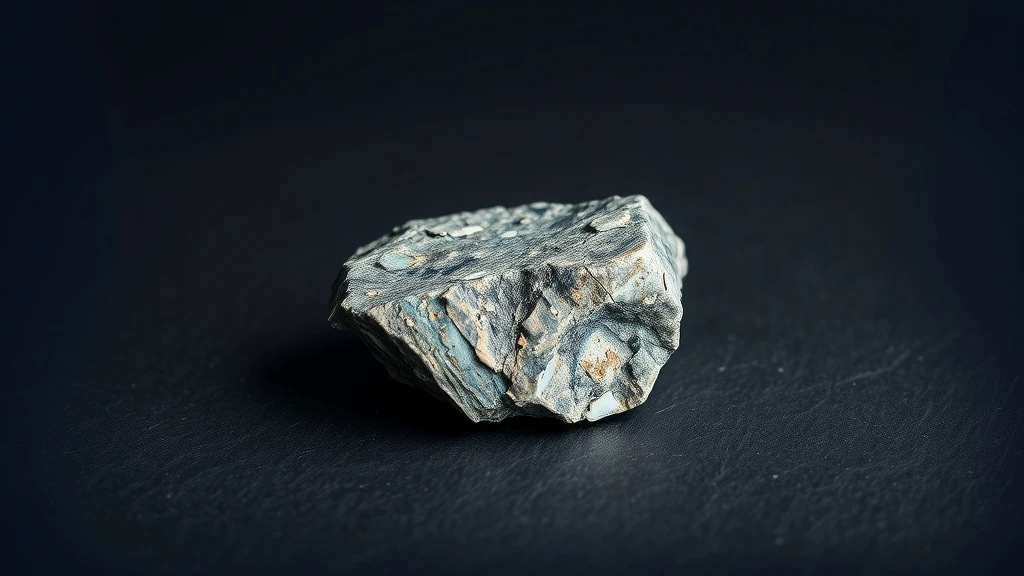
Andesine belongs to the vast feldspar group, which constitutes the most abundant mineral family in Earth’s crust. As a natural mineral crystal, it forms through the cooling of magma or lava in igneous rocks. Its geological significance lies in its role as a primary constituent of many volcanic and plutonic formations. Understanding its classification helps geologists interpret the thermal history of rock bodies.
What is Andesine Gemstone? Geological Overview & Definition
Andesine is a specific member of the plagioclase feldspar series, characterized by intermediate sodium and calcium content. It frequently appears in igneous rocks like andesite, basalt, and diorite. Its presence often indicates moderate to high-temperature crystallization conditions. This mineral serves as a crucial indicator for petrologists studying volcanic activity.
In gemology, andesine is valued for its subtle iridescence, known as labradorescence. This optical phenomenon arises from light interference within the crystal structure. While common in geological samples, gem-quality specimens are rarer. The stone’s durability makes it suitable for various jewelry applications.
Andesine Gemstone Chemical Composition & Crystallographic Properties
Andesine crystallizes in the triclinic system, featuring a complex, non-orthogonal lattice structure. Its chemical formula is (Ca,Na)(Al,Si)₄O₈, reflecting a solid solution series. The specific ratio of sodium to calcium determines its position within the plagioclase spectrum. This structural arrangement dictates its physical and optical properties.
The mineral exhibits cation substitution, where sodium and calcium ions replace each other in the lattice. This substitution influences the refractive index, which ranges from 1.543 to 1.562. The crystal’s density remains consistent between 2.66 and 2.68 g/cm³. These parameters are critical for accurate gemological identification.
Color in andesine often stems from chromophore color centers or structural imperfections. These defects trap electrons, altering how light is absorbed and transmitted. The stone is generally stable but can be sensitive to strong acids. Prolonged exposure to harsh chemicals may degrade its surface luster.
Thermal behavior shows that andesine is stable under normal jewelry conditions. It does not undergo significant phase changes at ambient temperatures. However, extreme heat can potentially alter its optical properties. Proper care ensures the longevity of its aesthetic appeal.
| Property | Specification |
|---|---|
| Mineral Group | Natural Mineral / Crystal |
| Chemical Formula | (Ca,Na)(Al,Si)₄ O₈ (Na:Ca = 50:50 to 70:30) |
| Mohs Hardness | 6 – 6.5 |
| Crystal System | Triclinic |
| Specific Gravity (Density) | 2.66 – 2.68 |
| Refractive Index | n α = 1.543 – 1.554 n β = 1.547 – 1.559 n γ = 1.552 – 1.562 |
| Color & Optical Properties | Natural Andesine Gemstone color spectrum and optical dispersion |
| Primary Mining Localities | Global primary localities |
| Water & Chemical Resistance | High (Safe for gentle water washing) |
| Chakra Alignment (Traditional) | Heart Chakra |
| Zodiac Affinity (Traditional) | Taurus |
| Symbolic Meaning (Traditional) | Emotional balance, compassion, and protection from negative energy |
Andesine Gemstone Varieties & Color Spectrum
Andesine exhibits a diverse palette driven by trace elements and structural imperfections within its feldspar lattice. The most common hues range from pale gray to deep blue, often displaying a characteristic iridescence known as labradorescence. This optical phenomenon arises from light interference caused by internal lamellar structures, creating flashes of blue, green, or gold.
Blue Andesine
This variety is prized for its deep, oceanic tones that shift subtly under varying light conditions. The color intensity depends on the thickness and spacing of the exsolution lamellae within the crystal structure. High-quality specimens from Madagascar often display a uniform, velvety blue without visible zoning or cloudiness.
Green Andesine
Green andesine features a distinct olive or emerald tint, frequently accompanied by strong iridescent flashes. These stones often contain microscopic inclusions of chlorite or other green minerals that enhance their chromatic depth. The interplay between the base color and the spectral sheen makes this variety highly sought after for cabochon cuts.
Gray Andesine
Gray andesine serves as the foundational color for many commercial feldspar jewelry pieces. Its muted appearance is often due to high levels of turbidity and fine-grained crystalline structures that scatter light diffusely. While less vibrant than blue or green counterparts, it offers excellent durability and affordability for large-scale jewelry production.
White Andesine
White andesine appears as a translucent to opaque stone with a soft, milky luster. This variety is typically found in pegmatite deposits where slow crystal growth allows for larger, cleaner formations. It is often used as a base material for carving or as a backdrop for more colorful inclusions.
Where is Andesine Gemstone Found? Geological Mining & Extraction
Andesine primarily forms in granitic pegmatites and volcanic rocks, where rapid cooling traps the mineral in coarse-grained textures. Major deposits are located in Madagascar, India, and the United States, particularly in the pegmatite fields of Maine and New Hampshire. These regions provide consistent access to high-quality, gem-grade material for the global market.
Extraction methods vary from open-pit mining in large deposits to hand-picking in smaller, remote sites. In Madagascar, artisanal miners often extract raw feldspar from weathered alluvial deposits, where erosion has concentrated the gem-quality crystals. This accessible mining technique allows for the efficient recovery of stones suitable for faceting and polishing.
Historical Significance & Cultural Lore of Andesine Gemstone
Ancient civilizations valued andesine for its protective qualities and association with spiritual clarity. In Native American cultures, the stone was believed to enhance intuition and facilitate communication with the spirit world. Archaeological evidence suggests that polished feldspar beads were traded extensively across North America for thousands of years.
In European gemology, andesine was often confused with other feldspars until modern spectroscopic analysis clarified its distinct composition. Its iridescent properties inspired artistic movements in the 19th century, where it was used in decorative arts and architectural elements. Today, it remains a symbol of balance and emotional stability in contemporary metaphysical practices.
Modern Uses & Jewelry Applications of Andesine Gemstone
Andesine is primarily valued for its distinctive blue-gray to lavender hue and subtle iridescence, making it a popular choice for contemporary jewelry. Lapidaries often cut these stones into cabochons to maximize their play-of-color, though faceted cuts are also common for smaller pieces. The stone’s moderate hardness allows for intricate ornamental carving, where its unique optical properties create a mesmerizing visual effect in decorative arts.
- Cabochon Cutting: The dominant style, showcasing the stone’s labradorescence or schiller effect.
- Faceted Jewelry: Used in rings and pendants where the refractive index provides gentle brilliance.
- Ornamental Carvings: Ideal for intaglio work and decorative inlays due to its workability.
- Beads and Pendants: Frequently used in artisanal jewelry for its calming, earthy aesthetic.
Safety & Mineral Profile of Andesine
Safe Handling and Physical Stability
Andesine is a member of the plagioclase feldspar series and is chemically composed of a solid solution between albite (NaAlSi₃O₈) and anorthite (CaAl₂Si₂O₈). It is a moderately hard mineral, with a Mohs hardness of 6–6.5, and is mechanically robust under normal handling conditions. However, the mineral can release fine dust when fractured or ground, and inhalation of such dust may irritate the respiratory tract; therefore, specimens should be handled with gloves and, when cutting or polishing, performed in a well‑ventilated area or with a dust mask. Andesine contains no significant amounts of toxic heavy metals, and its chemical composition is stable under neutral to mildly acidic conditions, though prolonged exposure to strong acids can cause surface dissolution. Because of its relatively high hardness and lack of precious metal content, it is generally treated as a collector display mineral rather than a suitable material for jewelry, where wearability, durability, and aesthetic appeal are paramount.
Scientific and Educational Significance
Andesine serves as a key indicator in petrogenetic studies of igneous and metamorphic rocks. Its composition reflects the degree of partial melting and the source of the magma, making it valuable for reconstructing tectonic histories. In museum collections, Andesine specimens are often displayed alongside other plagioclase feldspars to illustrate the solid‑solution series and the concept of crystal chemistry. Educationally, Andesine is frequently used in classroom demonstrations of mineral identification techniques such as streak testing, cleavage observation, and X‑ray diffraction, providing a tangible example of how subtle compositional variations influence physical properties.
Mineralogical Group and Planetary Lore of Andesine
Andesine belongs to the plagioclase feldspar group, a series of tectosilicate minerals that constitute a major component of the Earth’s continental crust. Historically, the name “andesine” was coined in the 19th century by German mineralogist Johann Friedrich Ludwig to describe a plagioclase variety found in the Andes mountains, reflecting its geographic provenance. According to early mineralogists, the mineral was distinguished by its intermediate color and its position between albite and anorthite in the plagioclase series. In lapidary texts, Andesine has occasionally been associated with the planet Mars, symbolizing the “red” hues that can appear in certain specimens, though such associations are largely symbolic rather than based on planetary geology. In contemporary mineralogical literature, Andesine remains a standard reference point for studies of feldspar crystallography and geochemical zoning.
How to Identify Real vs. Fake Andesine Gemstone
Identifying genuine andesine requires distinguishing it from common imitations such as synthetic glass, dyed chalcedony, or lab-created feldspar. Glass imitations often lack the natural crystal structure and may contain tiny air bubbles, whereas natural andesine exhibits specific optical phenomena. Dyed replicas may show color concentration in fractures, a hallmark of artificial treatment that differs from the stone’s inherent, uniform iridescence.
Practical At-Home Authenticity Tests
- Temperature Test (Thermal Feel): Hold the stone in your palm for a minute; genuine andesine feels cooler than glass or plastic, which warm up quickly due to lower thermal conductivity.
- Specific Gravity & Weight Test: Compare the stone’s weight to a similar-sized piece of glass; andesine has a density of 2.66–2.68, making it slightly heavier than most glass imitations.
- Scratch & Hardness Test (Mohs Comparison): Use a steel knife (Mohs 5.5); andesine (Mohs 6–6.5) should not be scratched by the knife, whereas glass may show minor abrasions.
- Microscopic & Loupe Inspection (Internal Inclusions): Examine the stone under a 10x loupe for natural inclusions like mineral crystals or fluid inclusions; glass is typically flawless or contains round bubbles.
Andesine Gemstone Valuation Factors, Grading & Pricing
Market value hinges primarily on Color Saturation, where deep, uniform lavender or violet hues command the highest premiums. Tonal consistency across the stone’s surface is critical for achieving a premium grade. Additionally, high optical clarity and a distinct vitreous luster significantly enhance the gemstone’s visual appeal.
The Carat Weight of the specimen directly influences its price, with larger, flawless stones being exponentially rarer. Precise facet symmetry maximizes light return, while the presence of matrix or inclusions can either detract from value or add unique character. Buyers should inspect for internal fractures that may compromise structural integrity.
Geographical Provenance Premium often elevates prices for stones from renowned deposits like Mexico or Sri Lanka. Wholesale markets typically offer lower entry points, while retail prices reflect higher margins for certified pieces. Current trends show steady demand for mid-range andesine in fashion jewelry settings.
How to Clean and Care for Andesine Gemstone
To maintain the stone’s integrity, use warm soapy water and a soft cloth for gentle cleaning. This method effectively removes oils and dust without risking damage to the crystal structure. Always dry the gemstone thoroughly with a lint-free cloth after washing.
It is crucial to avoid ultrasonic cleaners entirely, as vibrations can induce structural fractures in the triclinic lattice. Steam cleaning is also discouraged due to potential thermal shock risks. Regular inspection for loose settings ensures long-term preservation of the stone.
Cleansing and Recharging Andesine Gemstone (Energetic Care)
For energetic maintenance, place the andesine on a selenite plate overnight to facilitate gentle energy exchange. This dry method respects the mineral’s physical properties while aligning with metaphysical practices. Ensure the stone is completely dry before storage to prevent any moisture-related issues.
Alternatively, use smoke smudging with sage or palo santo to clear perceived negative energies. Hold the stone at a safe distance from the smoke to avoid soot accumulation. Moonlight exposure is another safe, dry option for recharging the gemstone’s vibrational frequency.
Frequently Asked Questions About Andesine Gemstone
Is Andesine safe to wear in the shower?
Yes, Andesine is safe for gentle water exposure. With a Mohs hardness of 6 to 6.5, it withstands brief contact with shower water without damage. However, avoid prolonged soaking or harsh soaps that may degrade metal settings. Always dry the stone thoroughly after exposure to maintain its luster.
Can I clean Andesine in an ultrasonic cleaner?
No, you should avoid ultrasonic cleaners for Andesine. The vibrations can cause structural fractures in the triclinic crystal structure. Instead, use warm soapy water and a soft cloth for safe cleaning. This gentle method preserves the stone’s integrity and prevents micro-cracks from forming.
What is the chemical formula of Andesine?
Andesine is a feldspar with the formula (Ca,Na)(Al,Si)₄O₈. It specifically contains a sodium-to-calcium ratio of 50:50 to 70:30. This precise chemical composition distinguishes it from other feldspar varieties. Understanding this formula helps identify authentic specimens in the market.
Which zodiac signs are compatible with Andesine?
Andesine is aligned with Taurus, Gemini, and Leo. These signs benefit from the stone’s grounding and balancing energies. Wearing it may enhance personal traits associated with these zodiacal alignments. Many wearers report improved confidence and emotional stability during their birth months.
Which chakras does Andesine activate?
Andesine primarily activates the Root and Heart Chakras. This dual alignment supports both physical grounding and emotional well-being. It helps balance energy between the Root Chakra and Heart Chakra. This connection fosters a sense of stability and compassionate connection in daily life.
How hard is Andesine on the Mohs scale?
Andesine rates between 6 and 6.5 on the Mohs scale. This moderate hardness makes it suitable for jewelry but requires care. It is softer than quartz but harder than calcite. Proper storage prevents scratches from harder minerals during daily wear.
What is the refractive index of Andesine?
Andesine has a refractive index ranging from 1.543 to 1.562. This optical property contributes to its characteristic iridescence and play-of-color. The refractive index varies slightly based on its specific chemical composition. Gemologists use this metric to verify authenticity in laboratory settings.
What is the specific gravity of Andesine?
Andesine has a density of 2.66 to 2.68. This specific gravity helps distinguish it from other feldspars. It is lighter than many silicate minerals but denser than some organic gems. Precise density measurements confirm the stone’s identity during professional appraisal processes.