
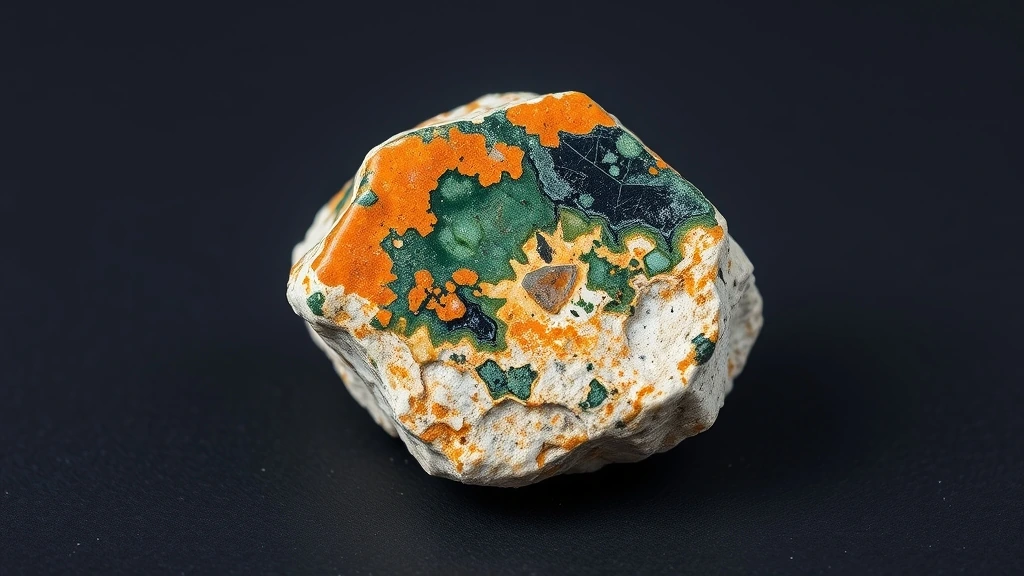
Arizona Pietersite belongs to the natural mineral and crystal family, specifically classified as a cryptocrystalline quartz aggregate. It forms within volcanic tuff and basaltic rocks, where silica-rich fluids interact with host minerals. This unique geological setting allows for the incorporation of secondary minerals during the chalcedony’s growth phase. The resulting stone is not a single crystal but a complex polycrystalline aggregate with distinct optical properties.
What is Arizona Pietersite? Geological Overview & Definition
Arizona Pietersite is defined by its distinctive chatoyancy, a shimmering optical effect caused by aligned fibrous inclusions. These inclusions, primarily actinolite and hornblende, create a dynamic, eye-like appearance within the translucent matrix. The stone typically displays a background of blue, gray, or brown hues, punctuated by bright blue or green flashes. This visual complexity distinguishes it from standard pietersite varieties found in other regions.
Geologically, this gemstone forms in the volcanic tuff deposits of Arizona, specifically near the town of Payson. The interaction between silica-rich hydrothermal fluids and cooling basaltic lava creates the ideal environment for chalcedony precipitation. As the chalcedony grows, it traps fine fibers of amphibole, which align parallel to the flow of the magma. This specific paragenetic association results in the unique structural and aesthetic qualities of Arizona Pietersite.
Arizona Pietersite Chemical Composition & Crystallographic Properties
The primary matrix of Arizona Pietersite is chalcedony, which crystallizes in the trigonal system. This cryptocrystalline structure consists of microscopic interlocking quartz crystals, giving the stone its characteristic waxy luster. The inclusion of fibrous amphibole introduces a secondary mineral phase with a different crystal symmetry. This composite nature means the stone does not exhibit a single, uniform crystal lattice throughout its volume.
The chemical composition is dominated by silicon dioxide (SiO₂), with minor trace elements contributing to the color variations. The fibrous inclusions contain iron and magnesium, which act as chromophores responsible for the blue and green hues. The overall density ranges from 2.60 to 2.65 g/cm³, reflecting the mixed mineral content. The refractive index of the chalcedony matrix falls between 1.530 and 1.544, influencing the stone’s brilliance.
Thermal stability is moderate, with the stone capable of withstanding standard jewelry temperatures without significant alteration. However, extreme heat may cause fracturing due to differential thermal expansion between the quartz matrix and amphibole inclusions. The stone is generally resistant to weak acids, a property inherited from the silica-rich chalcedony component. Care should be taken with strong alkaline solutions, which can etch the surface over time.
| Property | Specification |
|---|---|
| Mineral Group | Natural Mineral / Crystal |
| Chemical Formula | Chalcedony (SiO₂) with intergrowths of fibrous amphibole (actinolite/hornblende) and feldspar |
| Mohs Hardness | 6.5 – 7.0 |
| Crystal System | Trigonal (Chalcedony matrix) |
| Specific Gravity (Density) | 2.60 – 2.65 |
| Refractive Index | 1.530 – 1.544 |
| Color & Optical Properties | Natural Arizona Pietersite color spectrum and optical dispersion |
| Primary Mining Localities | Global primary localities |
| Water & Chemical Resistance | High (Safe for gentle water washing) |
| Chakra Alignment (Traditional) | Crown Chakra, Third Eye Chakra |
| Zodiac Affinity (Traditional) | Sagittarius, Aquarius |
| Symbolic Meaning (Traditional) | Intuition, spiritual awakening, and mental clarity |
Arizona Pietersite Varieties & Color Spectrum
Arizona Pietersite displays distinct mineralogical characteristics across its geological varieties and structural habits. Gemologists evaluate these natural varieties based on crystal habit, trace chromophore concentrations, and visual luster.
Primary Natural Arizona Pietersite
The benchmark natural variety exhibiting diagnostic color saturation and classic crystallographic symmetry.
Distinct Geological Morphs of Arizona Pietersite
Secondary regional and structural varieties formed under localized geological temperature and pressure conditions.
Blue-Grey Pietersite
This variety features a dominant blue-grey chalcedony matrix interspersed with shimmering fibrous inclusions. The chatoyancy effect creates a striking optical play that shifts from steel blue to deep charcoal. It represents the most commercially recognized morph in global gem trade.
Green Pietersite
Characterized by a distinct greenish-grey hue, this type often contains higher concentrations of actinolite fibers. The interplay between the green matrix and reflective inclusions produces a unique, earthy luster. It is slightly rarer than the standard blue-grey variety.
Brown Pietersite
This morph exhibits a brownish-grey base tone resulting from iron oxide impurities. The fibrous amphibole inclusions appear as lighter, silvery streaks against the darker background. It is valued for its warm, grounded aesthetic appeal.
White Pietersite
Rarely found, this variety displays a pale grey to off-white matrix with high-contrast inclusions. The optical flash is exceptionally bright due to the light background color. Collectors prize this type for its ethereal, moonstone-like appearance.
Where is Arizona Pietersite Found? Geological Mining & Extraction
Arizona Pietersite forms within pegmatite dikes and altered volcanic rocks in the southwestern United States. The primary extraction sites are located in Pima County, where specific geological conditions favored fibrous growth. These deposits are typically found in association with other cryptocrystalline silica minerals.
Mining operations in this region focus on hand-cutting to preserve the delicate optical structure of the stone. The host rock matrix often requires careful removal to reveal the polished gem quality. Yields are limited due to the narrow geological window required for formation.
Historical Significance & Cultural Lore of Arizona Pietersite
While the specific Arizona deposit is a modern discovery, the broader pietersite phenomenon has roots in ancient lapidary traditions. Historical texts from Greco-Roman civilizations reference stones with similar fibrous optical effects, often associated with divine insight. These early records highlight the enduring human fascination with chatoyant minerals.
In Vedic metaphysical lore, stones exhibiting strong light play were revered for enhancing spiritual intuition. Archaeological findings suggest that ancient cultures valued such materials for ritualistic purposes rather than mere ornamentation. This enduring legacy underscores the stone’s deep connection to human mental clarity practices.
Modern Uses & Jewelry Applications of Arizona Pietersite
Arizona Pietersite is prized for its swirling fibrous amphibole patterns, making it a favorite for cabochon pendants that showcase its “storm” effect. Artisans also facet select stones to highlight the contrast between chalcedony and actinolite, though cabochons remain most common. Ornamental carving into beads, figurines, and decorative plaques leverages its vivid color play for both high‑end and artisanal markets.
- Cabochon pendants and earrings emphasizing the “eye‑of‑the‑storm” motif
- Faceted rings that accentuate refractive contrast and sparkle
- Carved beads, mini‑sculptures, and inlay pieces for luxury accessories
Metaphysical Properties & Traditional Meaning of Arizona Pietersite
According to historical traditions and metaphysical lore, Arizona Pietersite is associated with intuition and spiritual awakening, resonating with seekers of mental clarity. Across ancient Mediterranean and Vedic lapidary practices, the stone was believed to sharpen perception, dissolve mental fog, and support visionary insight during meditation. Its dynamic energy is said to align the mind with higher consciousness, fostering confidence in personal truth.
Which Chakra and Zodiac Signs Align with Arizona Pietersite?
The stone is linked to the Crown Chakra, the portal for divine connection, encouraging expanded awareness and transcendence. Simultaneously, it activates the Third Eye Chakra, enhancing inner vision, psychic receptivity, and the ability to discern subtle energies.
In astrological tradition, Arizona Pietersite corresponds specifically to Sagittarius and Aquarius. Sagittarius draws on the stone’s adventurous spirit and quest for truth, while Aquarius benefits from its innovative, forward‑thinking vibration, both reinforcing the stone’s themes of insight and mental expansion.
How to Identify Real vs. Fake Arizona Pietersite
Artificial imitations of Arizona Pietersite often use dyed glass, resin, or synthetic composites that mimic its swirling colors but lack the genuine fibrous inclusions. Synthetic glass may display uniform clarity and a glassy luster, while dyed replicas can show uneven coloration that fades under prolonged light exposure. Recognizing these differences is essential for collectors and buyers.
Practical At-Home Authenticity Tests
- Temperature Test (Thermal Feel): Natural Pietersite feels cool to the touch and retains its temperature longer than glass, which quickly warms in the hand.
- Specific Gravity & Weight Test: With a density of 2.60‑2.65 g/cm³, genuine Pietersite feels heavier than glass of similar size, which typically measures around 2.4 g/cm³.
- Scratch & Hardness Test (Mohs Comparison): Using a steel nail (hardness ~5.5) will leave a faint mark on glass but not on authentic Pietersite, which rates 6.5‑7.0 on the Mohs scale.
- Microscopic & Loupe Inspection (Internal Inclusions): Under 10× magnification, real Pietersite reveals fibrous amphibole intergrowths and a chalcedony matrix, whereas fakes show uniform bubbles or absent fibrous texture.
Arizona Pietersite Valuation Factors, Grading & Pricing
The market value of Arizona Pietersite hinges first on Color Saturation. A specimen with deep, saturated hues of blue‑green and turquoise, free from dulling or fading, commands a premium. The visual vibrancy of the intergrown amphibole and feldspar within the chalcedony matrix is often the primary draw for collectors and jewelers alike, as it enhances the stone’s natural energetic luster and perceived metaphysical potency.
Second, Crystal Size & Weight (Grams) is the decisive metric for grading. Larger, well‑formed crystals that retain a substantial mass—typically measured in grams—are favored over smaller fragments. Whether the piece is raw or has undergone gentle tumbling and polishing, the overall weight and dimensions, coupled with the presence of natural matrix inclusions, dictate the stone’s market placement. A heavier, smoothly polished sample will fetch a higher price than a lighter, rougher counterpart of similar color.
Finally, Ethical Sourcing & Locality Premium plays a critical role in the holistic and collector markets. Arizona Pietersite sourced from responsibly managed quarries, with transparent supply chains and minimal environmental impact, earns a premium. Provenance from renowned localities within Arizona adds an extra layer of desirability, as collectors often seek stones that carry a tangible connection to their geological origins.
How to Clean and Care for Arizona Pietersite
Cleaning Arizona Pietersite should be performed with warm soapy water and a soft cloth. Gently wipe the surface to remove dust and oils, ensuring that the water temperature remains moderate to avoid stressing the mineral’s structure. After cleaning, allow the stone to air dry completely before storage. Avoid ultrasonic cleaners, as the vibration can induce microfractures in the delicate chalcedony matrix.
Cleansing and Recharging Arizona Pietersite (Energetic Care)
For energetic recharging, place the stone under gentle moonlight for several hours, allowing the natural lunar energy to cleanse and replenish its vibrational field. Alternatively, resting the Pietersite on a selenite charging slab can facilitate the transfer of positive, cleansing energies without exposing the crystal to heat or direct sunlight, which could compromise its structural integrity. These dry, holistic methods preserve both the physical and metaphysical qualities of the stone.
Frequently Asked Questions About Arizona Pietersite
Arizona Pietersite displays distinct mineralogical characteristics across its geological varieties and structural habits. Gemologists evaluate these natural varieties based on crystal habit, trace chromophore concentrations, and visual luster.
Primary Natural Arizona Pietersite
The benchmark natural variety exhibiting diagnostic color saturation and classic crystallographic symmetry.
Distinct Geological Morphs of Arizona Pietersite
Secondary regional and structural varieties formed under localized geological temperature and pressure conditions.
What is Arizona Pietersite composed of?
It is a chalcedony (SiO₂) matrix intergrown with fibrous amphibole fibers such as actinolite or hornblende and occasional feldspar inclusions. This unique combination creates the characteristic swirling, “eye‑like” pattern, while the trigonal crystal system of the chalcedony imparts a vitreous luster and a Mohs hardness of 6.5‑7.
How durable is Arizona Pietersite for everyday wear?
With a hardness of 6.5‑7 and a specific gravity of 2.60‑2.65, it resists scratches from most metals but can chip if struck sharply. Its interlocked fibrous structure gives good fracture resistance, yet setting in protective bezels and avoiding hard impacts prolongs its brilliance.
Can I wash Arizona Pietersite jewelry in water?
Yes, it is water‑resistant and safe for gentle water washing. Use warm, soapy water and a soft cloth to remove residues, then rinse and pat dry. Harsh detergents or prolonged soaking are unnecessary, as the quartz‑based matrix does not dissolve.
Should I use an ultrasonic cleaner on Arizona Pietersite?
No, ultrasonic cleaning is discouraged because the amphibole fibers can fracture under vibration. Instead, clean with warm, mildly soapy water and a soft cloth, taking care to reach crevices without applying pressure that could separate the delicate inclusions.
Which zodiac signs are associated with Arizona Pietersite?
The stone aligns with Sagittarius and Aquarius. In astrological tradition, these signs benefit from Pietersite’s ability to sharpen intuition and promote mental clarity, complementing the adventurous spirit of Sagittarius and the innovative mindset of Aquarius.
Which chakras does Arizona Pietersite activate?
It resonates with the Crown Chakra and the Third Eye Chakra. By stimulating these energy centers, the gem is believed to enhance spiritual awakening, expand consciousness, and support intuitive insight during meditation or contemplative practices.
How should I store Arizona Pietersite to prevent damage?
Keep the stone in a padded jewelry box or a soft‑lined pouch, away from harder minerals like quartz or topaz. Separate pieces prevent the fibrous inclusions from rubbing against each other, reducing the risk of micro‑fractures that could compromise the visual pattern.
Is Arizona Pietersite suitable for setting in rings?
Yes, provided the setting offers adequate protection, such as a bezel or channel that shields the edges. The stone’s moderate hardness makes it suitable for rings, but designers should avoid thin prongs that could stress the fibrous inclusions during daily wear.