
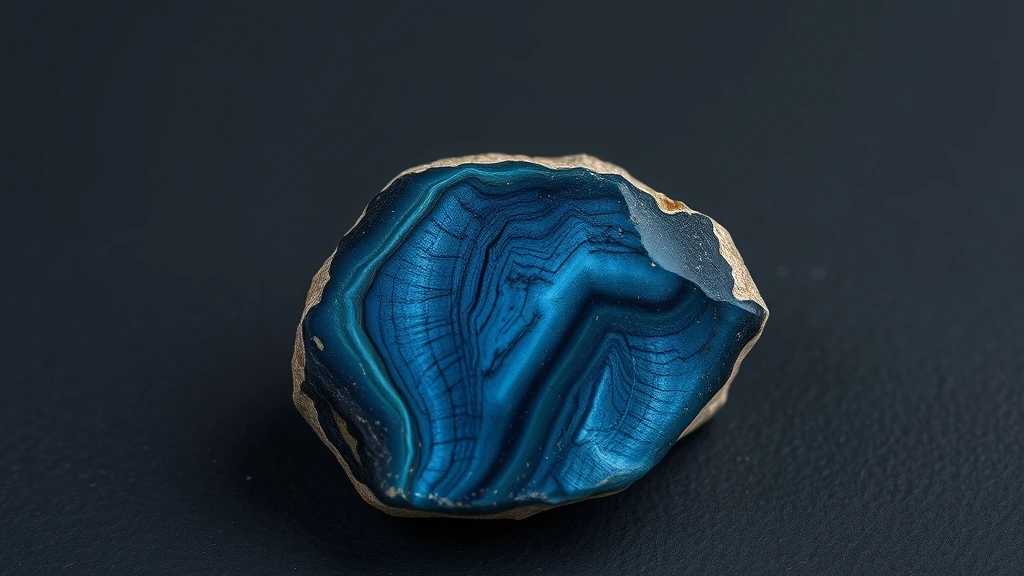
Blue Tiger Eye belongs to the Natural Mineral / Crystal group, specifically within the silica-based chalcedony family. It forms through the replacement of crocidolite asbestos fibers by silica gel in metamorphic rocks. This geological process preserves the fibrous structure, resulting in the unique optical phenomenon known as chatoyancy. The stone is not a single crystal but an aggregate of microcrystalline quartz and iron oxide fibers.
What is Blue Tiger Eye? Geological Overview & Definition
Blue Tiger Eye is a rare variant of tiger eye, distinguished by its blue-grey chatoyant bands. It forms when crocidolite asbestos fibers are replaced by silica while retaining their original orientation. This specific mineralogical alignment allows light to reflect off the fibers, creating a shimmering, eye-like effect. The stone is primarily found in South Africa and India, where tectonic activity created the necessary conditions for formation. The complementary counterpart, **Red Tiger Eye**, shares the same fibrous structure but with a warm crimson hue that amplifies its grounding and protective energies.
The term “Tiger Eye” refers to the chatoyancy effect, which resembles the eye of a tiger. In the blue variety, the coloration stems from the specific wavelength of light reflected by the fibrous hematite inclusions. Unlike standard tiger eye, which is golden-brown, this variety exhibits cooler tones due to the oxidation state of the iron. It is valued for its visual depth and the play of light across its polished surface. In comparative mineralogical collections, practitioners and geologists frequently study Green Tiger Eye alongside this crystal to appreciate their subtle energetic and structural differences.
Blue Tiger Eye Chemical Composition & Crystallographic Properties
The primary constituent of Blue Tiger Eye is SiO₂, existing as microcrystalline quartz within the trigonal crystal system. The lattice structure consists of silicon-oxygen tetrahedra linked in a helical arrangement, characteristic of chalcedony. This trigonal symmetry dictates the physical properties of the host mineral, including its cleavage and fracture patterns. The microcrystalline nature means individual crystals are too small to be resolved by the naked eye.
Coloration arises from chromophore centers within the fibrous inclusions, primarily hematite (Fe₂O₃). The blue-grey hue results from the specific scattering of light by these iron-rich fibers. Cation substitution is minimal in the silica matrix but significant in the inclusions, where iron replaces other elements. This chromophore interaction is responsible for the stone’s distinctive cool tones, differentiating it from golden tiger eye.
The stone exhibits moderate thermal behavior, remaining stable under normal environmental conditions. It is generally resistant to acids, though prolonged exposure to strong hydrofluoric acid can dissolve the silica matrix. The fibrous hematite inclusions may be more susceptible to chemical weathering than the surrounding quartz. Proper care is required to maintain the integrity of the chatoyant bands and prevent surface etching.
| Property | Specification |
|---|---|
| Mineral Group | Natural Mineral / Crystal |
| Chemical Formula | SiO₂ (Chalcedony with fibrous hematite inclusions) |
| Mohs Hardness | 6.5 – 7.0 |
| Crystal System | Trigonal |
| Specific Gravity (Density) | 2.60 – 2.65 |
| Refractive Index | 1.530 – 1.543 |
| Color & Optical Properties | Natural Blue Tiger Eye color spectrum and optical dispersion |
| Primary Mining Localities | Global primary localities |
| Water & Chemical Resistance | High (Safe for gentle water washing) |
| Chakra Alignment (Traditional) | Heart Chakra, Throat Chakra |
| Zodiac Affinity (Traditional) | Taurus, Libra |
| Symbolic Meaning (Traditional) | Emotional balance, calm authority, and protection |
Blue Tiger Eye Varieties & Color Spectrum
The visual appeal of this gemstone stems from its unique optical phenomenon, known as chatoyancy, which creates a shimmering band of light across the polished surface. This effect is produced by the alignment of microscopic fibrous hematite inclusions within the translucent chalcedony matrix. The specific hue and intensity of the sheen depend heavily on the oxidation state and density of these internal fibers.
Classic Blue Tiger Eye
This primary variety exhibits a deep, steel-blue to grayish-blue body color with a distinct, sharp chatoyant band. The fibrous structure remains highly organized, reflecting light in a metallic, tiger-like flash that is both subtle and striking. It represents the most commercially recognized form of the stone, prized for its balanced saturation and clarity.
Steel Blue Tiger Eye
Characterized by a cooler, more saturated blue tone, this morph often displays a slightly darker base color than the classic variety. The refractive index of the chalcedony interacts with the hematite fibers to produce a deeper, more intense luster under direct illumination. Collectors value this type for its rich, almost metallic appearance that mimics the eye of a nocturnal predator.
Gray-Blue Tiger Eye
This variety presents a muted, silvery-gray hue that offers a softer, more understated aesthetic compared to its vibrant counterparts. The hematite inclusions are often finer and more densely packed, resulting in a diffuse, gentle sheen rather than a sharp, bright flash. It is frequently chosen for jewelry designs that require a neutral, sophisticated accent rather than a dominant focal point.
Indigo Tiger Eye
Rarer than the standard blue forms, this variety features a profound, dark indigo coloration that appears nearly black in low light. The optical band becomes exceptionally vivid when the stone is rotated, revealing a hidden depth of color. Its scarcity makes it a sought-after item among serious gemologists and collectors seeking unique chromatic expressions.
Mixed-Hue Tiger Eye
Some specimens display a transitional gradient where blue tones blend with subtle hints of brown or green. This occurs when the oxidation levels of the iron-bearing inclusions vary slightly throughout the crystal structure. Such stones are highly valued for their complex, multi-dimensional appearance that changes dynamically with the angle of observation.
Where is Blue Tiger Eye Found? Geological Mining & Extraction
Blue tiger eye is predominantly extracted from specific pegmatite deposits and volcanic tuff formations where chalcedony replaced ancient fibrous asbestos or hornblende. The primary geological mechanism involves the silicification of these fibrous minerals, preserving their structural alignment while transforming the host rock into translucent silica. This process creates the necessary conditions for the distinctive chatoyant effect to develop within the stone.
The most significant commercial sources are located in South Africa and Brazil, where large-scale mining operations yield high-quality material for the global jewelry market. Secondary deposits have also been identified in India and Madagascar, though these regions often produce smaller, lower-grade specimens. Rigorous geological surveys continue to map new sites, ensuring a steady supply of this visually captivating gemstone for lapidaries worldwide.
Historical Significance & Cultural Lore of Blue Tiger Eye
Ancient civilizations revered tiger eye for its perceived protective qualities, often incorporating it into amulets and ceremonial objects. In Greco-Roman antiquity, the stone was believed to ward off evil spirits and enhance the wearer’s courage and authority. Archaeological findings from Egyptian tombs reveal similar uses, where the gemstone was placed with the deceased to ensure safe passage into the afterlife.
Throughout Vedic traditions, blue-hued varieties were associated with the throat and heart chakras, symbolizing clear communication and emotional stability. Historical texts from Mesoamerican cultures also reference similar fibrous stones as conduits for spiritual energy and protection. These cross-cultural parallels highlight the universal human fascination with the stone’s unique optical properties and enduring symbolic significance.
Modern Uses & Jewelry Applications of Blue Tiger Eye
Blue tiger eye is prized for its striking chatoyant blue‑gray luster, making it a favorite in contemporary lapidary work. Artisans typically cut the stone into smooth cabochons to showcase the fiber‑optic effect, though skilled faceting can produce dazzling brilliance for high‑end pieces. Ornamental carving also exploits its natural banding for decorative panels, beads, and small sculptures.
- Cabochon pendants and earrings highlighting the moving “eye” effect
- Faceted rings and cufflinks where precision polishing enhances sparkle
- Carved cameos, intaglios, and decorative inlays for luxury accessories
Metaphysical Properties & Traditional Meaning of Blue Tiger Eye
According to historical traditions and metaphysical lore, blue tiger eye embodies emotional balance and a calm, authoritative presence. Across ancient Mediterranean lapidary records, the stone was worn to ward off negativity and to promote clear communication, while Vedic texts associate its hue with soothing the mind and heart. In general esoteric practice, it is believed to protect the wearer from psychic overload and to foster inner stability.
Which Chakra and Zodiac Signs Align with Blue Tiger Eye?
The stone resonates strongly with the Heart Chakra, encouraging compassion, empathy, and emotional openness. Its cool, reflective tones also stimulate the Throat Chakra, aiding articulate self‑expression and truthful speech. Practitioners often place blue tiger eye over these energy centers during meditation to harmonize feelings and communication.
Aligned with the zodiac signs Taurus and Libra, blue tiger eye is said to reinforce the grounded, sensual nature of Taurus while enhancing Libra’s quest for balance and fairness. The stone’s stabilizing energy mirrors Taurus’s steadfastness and Libra’s diplomatic harmony, making it a favored talisman for individuals born under these signs.
How to Identify Real vs. Fake Blue Tiger Eye
Artificial imitations of blue tiger eye include dyed quartz, synthetic glass, and resin composites that mimic its chatoyancy but lack the characteristic fibrous hematite inclusions. These substitutes often display uniform color without the natural banding, feel lighter, or exhibit a glassy surface under close inspection. Recognizing authentic material relies on a combination of visual cues and simple physical tests.
Practical At-Home Authenticity Tests
- Temperature Test (Thermal Feel): Genuine blue tiger eye feels cool to the touch and retains that coolness longer than glass or plastic, which quickly warm to skin temperature.
- Specific Gravity & Weight Test: With a density of 2.60‑2.65 g/cm³, the stone feels noticeably heavier than synthetic glass (≈2.4 g/cm³) when held for several seconds.
- Scratch & Hardness Test (Mohs Comparison): Using a steel nail (≈5.5 on Mohs), a real specimen will resist scratching, whereas softer imitations will show surface marks.
- Microscopic & Loupe Inspection (Internal Inclusions): A 10× loupe reveals fine, parallel hematite fibers creating the chatoyant effect; fakes typically show bubbles, uniform color, or lack of fibrous structure.
Blue Tiger Eye Valuation Factors, Grading & Pricing
The market first gauges color saturation, looking for a deep, uniform blue that shifts to a golden chatoyancy under light. Stones with vivid, consistent hue command higher prices, as collectors prize the natural energetic luster that distinguishes premium material from faded or uneven examples.
Next, crystal size & weight (grams) dominate pricing, with larger, heavier pieces valued for their visual impact and stability in jewelry settings. Raw, unpolished blocks fetch lower offers than well‑finished, tumbled pieces that showcase a smooth surface, while natural matrix inclusions can either enhance uniqueness or diminish value depending on their visibility.
Finally, ethical sourcing & locality premium influences both holistic and collector markets. Specimens mined responsibly in regions known for high‑quality chalcedony, and accompanied by provenance documentation, attract premium buyers who seek sustainable gems and are willing to pay extra for traceable origins.
How to Clean and Care for Blue Tiger Eye
Cleaning Blue Tiger Eye is straightforward: gently wash the stone in warm soapy water, then dry it with a soft cloth to remove residue. This method respects the mineral’s trigonal structure and avoids the micro‑fractures that ultrasonic vibrations can cause. Store the gem in a low‑humidity pouch when not in use to preserve its luster.
Cleansing and Recharging Blue Tiger Eye (Energetic Care)
For energetic maintenance, place the stone on a clean selenite charging slab and allow the natural phosphorescence to cleanse its field for several hours. This dry method respects the crystal lattice while clearing any absorbed negative energies without introducing moisture.
Alternatively, a brief session of herbal smudging with sage or cedar, followed by exposure to gentle moonlight, can revitalize the stone’s vibrational balance. Ensure the smudge smoke does not dampen the surface and keep the stone out of direct, intense sunlight to prevent thermal stress.
Frequently Asked Questions About Blue Tiger Eye
Blue Tiger Eye displays distinct mineralogical characteristics across its geological varieties and structural habits. Gemologists evaluate these natural varieties based on crystal habit, trace chromophore concentrations, and visual luster.
Primary Natural Blue Tiger Eye
The benchmark natural variety exhibiting diagnostic color saturation and classic crystallographic symmetry.
Distinct Geological Morphs of Blue Tiger Eye
Secondary regional and structural varieties formed under localized geological temperature and pressure conditions.
What is the chemical composition of Blue Tiger Eye?
Blue Tiger Eye is a form of chalcedony, a microcrystalline variety of quartz with the formula SiO₂, containing fibrous hematite inclusions. This composition gives it the characteristic silky sheen and the subtle blue‑tinted bands that distinguish it from other tiger eye varieties. The trigonal crystal system and a density of 2.60–2.65 g/cm³ contribute to its moderate weight and durability.
Is Blue Tiger Eye safe to wear in the shower or during swimming?
Yes, Blue Tiger Eye is highly water resistant and can be safely washed with gentle water. Its quartz matrix resists moisture, so a quick rinse or mild soap solution will not damage the stone. However, avoid prolonged soaking or exposure to harsh chemicals that could alter its surface.
How should I clean a Blue Tiger Eye?
Clean Blue Tiger Eye with warm soapy water and a soft cloth, then dry with a lint‑free towel. Avoid ultrasonic cleaners, as the vibration can cause microfractures in the fibrous inclusions. A gentle wipe removes dust and oils while preserving the stone’s natural luster.
Can I use ultrasonic cleaners on Blue Tiger Eye?
No, ultrasonic cleaners should be avoided for Blue Tiger Eye. The high‑frequency vibrations can crack the delicate fibrous structure, leading to surface damage or loss of the characteristic banding. Stick to manual cleaning methods for best results.
Which zodiac signs are associated with Blue Tiger Eye?
Blue Tiger Eye is traditionally linked to the zodiac signs Taurus and Libra. These signs are said to benefit from the stone’s grounding energy and balanced temperament, helping to harmonize emotional and intellectual pursuits.
Which chakras does Blue Tiger Eye influence?
Blue Tiger Eye is aligned with the Heart Chakra and the Throat Chakra. This alignment supports emotional balance, compassionate communication, and the release of emotional blockages, enhancing both personal well‑being and interpersonal relationships.
Does Blue Tiger Eye have any special metaphysical properties?
Blue Tiger Eye is believed to promote emotional balance, calm authority, and protection. In metaphysical circles, it is used to stabilize mood swings, strengthen confidence, and shield against negative energies, making it a popular choice for meditation and protective talismans.
How durable is Blue Tiger Eye for everyday wear?
Blue Tiger Eye has a Mohs hardness of 6.5–7.0, making it suitable for daily use. Its moderate hardness and resistance to scratching allow it to maintain its appearance over time, though it should still be protected from hard impacts or abrasive surfaces to preserve its natural beauty.