
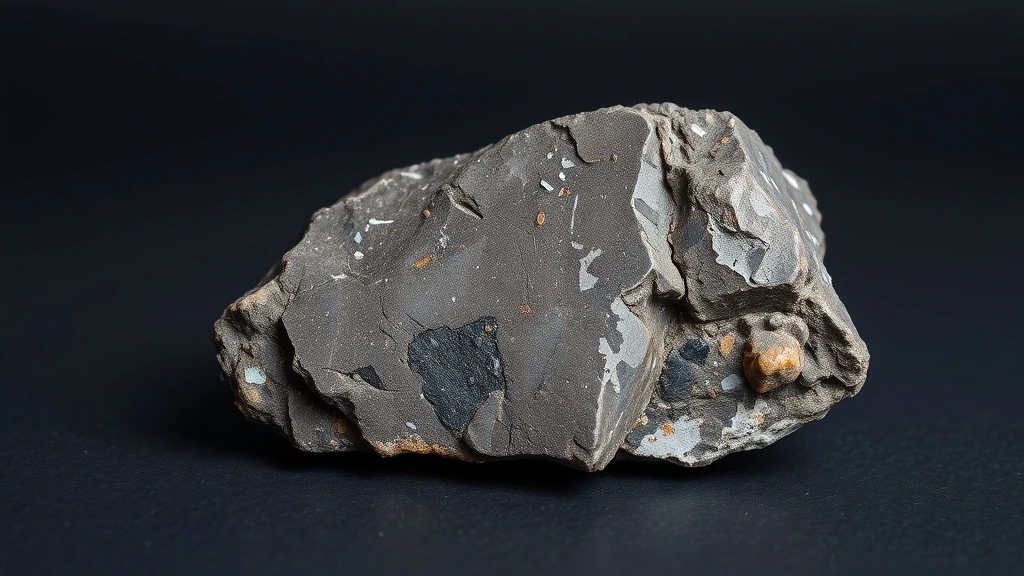
Bronzite belongs to the Natural Mineral group, specifically within the pyroxene supergroup. It forms through the crystallization of magma in igneous environments. This stone is frequently found in cumulate rocks, such as those in the Stillwater complex. Its geological origin ties it directly to high-temperature magmatic processes.
What is Bronzite Gemstone? Geological Overview & Definition
Bronzite is defined by its bronze to reddish-brown coloration, resulting from iron-rich composition. It typically occurs in elongated, blade-like crystals. These formations are common in mafic igneous rocks and meteorites. The mineral serves as a key indicator of specific magmatic conditions.
Its presence in cumulate rocks signifies slow cooling and crystal settling. This process allows for the growth of large, well-formed specimens. Geologists use bronzite to trace the evolution of magma chambers. Understanding its formation helps decode Earth’s deep thermal history.
Bronzite Gemstone Chemical Composition & Crystallographic Properties
The mineral exhibits an Amorphous / Cryptocrystalline texture in many gem-quality specimens. This structure lacks long-range atomic order, creating a dense, uniform appearance. Such textures often result from rapid cooling or fine-grained intergrowth. This characteristic distinguishes it from coarse-grained orthopyroxene varieties.
Cation substitution between magnesium and iron drives its chemical variability. The chromophore responsible for its color is primarily ferrous iron. This element absorbs specific light wavelengths, producing the characteristic bronze hue. Acid sensitivity is low, as the silicate structure remains stable.
Thermal behavior remains stable under standard lapidary conditions. However, extreme heat can alter the lattice structure slightly. The cryptocrystalline nature ensures consistent optical properties. This stability makes it suitable for various jewelry applications.
| Property | Specification |
|---|---|
| Mineral Group | Natural Mineral / Crystal |
| Chemical Formula | Mg,Fe)₂Si₂O₆ |
| Mohs Hardness | 5.5 – 6.5 |
| Crystal System | Monoclinic |
| Specific Gravity (Density) | 3.40 – 3.65 |
| Refractive Index | 1.740 – 1.810 |
| Color & Optical Properties | Natural Bronzite Gemstone color spectrum and optical dispersion |
| Primary Mining Localities | Global primary localities |
| Water & Chemical Resistance | High (Safe for gentle water washing) |
| Chakra Alignment (Traditional) | Solar Plexus Chakra, Root Chakra |
| Zodiac Affinity (Traditional) | Aries, Leo, Virgo |
| Symbolic Meaning (Traditional) | Courage, vitality, and protection |
Bronzite Gemstone Varieties & Color Spectrum
Bronzite exhibits a distinct metallic luster that ranges from deep olive green to rich brownish-bronze hues. This unique appearance is primarily driven by its high iron content and specific crystal habit. The stone often displays a chatoyant effect, resembling a cat’s eye, when cut en cabochon.
Classic Bronzite
This primary variety features a uniform, metallic bronze color with a distinct sheen. It forms within ultramafic rocks where slow cooling allows for large crystal development. The surface often shows parallel striations that enhance its reflective quality.
Green Bronzite
Characterized by a deeper, olive-green tint, this morph results from slight variations in iron oxidation states. It typically occurs in cumulate rocks where mineral segregation is pronounced. The color saturation can vary significantly depending on the local geochemical environment.
Chatoyant Bronzite
This prized variety displays a strong chatoyancy effect, creating a band of light across the surface. It requires precise cutting to align the fibrous crystal structure optimally. Such specimens are highly sought after for their dynamic visual appeal.
Montana Bronzite
Found specifically in the Stillwater igneous complex, this regional variety is noted for its exceptional clarity. It often contains minor inclusions of other silicate minerals that add complexity. Its origin in cumulate rocks ensures a consistent, high-quality metallic luster.
Where is Bronzite Gemstone Found? Geological Mining & Extraction
Bronzite is predominantly extracted from ultramafic and mafic igneous rocks such as gabbro and peridotite. These formations provide the necessary chemical environment for the growth of large, well-formed crystals. Mining operations focus on areas with significant geological activity and ancient crustal formations.
The Stillwater complex in Montana, USA, remains a primary source for high-quality specimens. Other notable deposits exist in Canada, Russia, and parts of Africa. Extraction involves careful quarrying to preserve the integrity of the metallic crystals.
Historical Significance & Cultural Lore of Bronzite Gemstone
Ancient civilizations valued bronzite for its striking metallic appearance, often comparing it to polished bronze artifacts. It was used in ceremonial objects and jewelry, symbolizing strength and durability. The stone’s luster made it a popular choice for decorative inlays in various cultures.
Archaeological findings reveal its use in prehistoric tools and ornamental pieces. Legends often associate the stone with protection and grounding properties. Its enduring appeal lies in the unique intersection of mineralogy and aesthetic beauty.
Modern Uses & Jewelry Applications of Bronzite Gemstone
Lapidaries primarily cut bronzite into cabochons to showcase its distinctive metallic luster and chatoyancy. Due to its brittle nature and high birefringence, faceting is rare and often results in poor clarity. The stone’s unique bronze-to-green coloration makes it a popular choice for ornamental carvings and decorative inlays.
- Cabochon Cutting: Polished domes highlight the silky sheen and iridescent flash typical of the mineral.
- Ornamental Carvings: Used in statues and architectural details where its earthy tones complement natural settings.
- Jewelry Settings: Typically set in silver or gold to accentuate its warm, metallic appearance.
Metaphysical Properties & Traditional Meaning of Bronzite Gemstone
According to historical traditions and metaphysical lore, bronzite is revered as a stone of transformation and courage. Practitioners believe it helps individuals overcome fear and embrace change with confidence. Its energetic signature is often described as grounding yet uplifting, bridging the physical and spiritual realms.
The stone’s deep earthy tones are thought to foster emotional resilience during challenging life transitions. It is frequently recommended for those seeking to strengthen their inner fortitude. By aligning with personal power, bronzite encourages a sense of stability and forward momentum.
Which Chakra and Zodiac Signs Align with Bronzite Gemstone?
Bronzite is canonically aligned with the Root Chakra, providing a sense of security and physical grounding. This connection helps stabilize the wearer’s energy and fosters a deep sense of safety. It anchors the individual to the present moment and the physical world.
The stone also resonates strongly with the Heart Chakra, promoting emotional balance and compassion. This dual alignment allows bronzite to support both physical stability and emotional openness. It encourages a harmonious connection between the body and the heart.
In astrological practice, bronzite is specifically associated with Taurus, Gemini, and Leo. For Taurus, it enhances their natural stability and connection to the earth. For Gemini, it provides the grounding needed to balance their mental agility.
For Leo, bronzite amplifies their inherent confidence and creative expression. It supports their leadership qualities and personal power. This alignment ensures the stone’s energy complements the wearer’s zodiacal traits effectively.
How to Identify Real vs. Fake Bronzite Gemstone
Artificial imitations of bronzite often include synthetic glass or dyed lower-grade minerals. These fakes may mimic the color but lack the natural inclusions and luster of genuine stone. Careful inspection is required to distinguish authentic bronzite from these man-made alternatives.
Practical At-Home Authenticity Tests
- Temperature Test (Thermal Feel): Genuine bronzite feels cool to the touch initially and warms slowly. Synthetic glass tends to warm up much faster due to its lower thermal conductivity.
- Specific Gravity & Weight Test: Real bronzite has a specific gravity of approximately 3.3 to 3.5. It will feel significantly heavier than glass or plastic imitations of the same size.
- Scratch & Hardness Test (Mohs Comparison): Bronzite has a Mohs hardness of 5.5 to 6.5. It can scratch glass (hardness 5.5) but may be scratched by a steel knife (hardness 5.5).
- Microscopic & Loupe Inspection (Internal Inclusions): Use a 10x loupe to look for natural inclusions or fractures. Synthetic glass often contains tiny, perfectly round bubbles that are absent in natural stone.
Bronzite Gemstone Valuation Factors, Grading & Pricing
Color Saturation is the primary driver of value in bronzite specimens. Collectors seek a deep, uniform bronze-green hue without muddy or brownish undertones. High luster and optical clarity further enhance the stone’s visual appeal.
Carat Weight significantly influences pricing, as large, clean crystals are rare in the market. Facet symmetry is critical for maximizing light reflection in cut stones. Visible matrix or inclusions typically reduce the overall grade and value.
Geographical Provenance Premium applies to stones from renowned localities like the Stillwater complex. Wholesale prices remain modest, but retail values rise for certified, high-quality pieces. Market trends favor unique, well-documented specimens over generic material.
How to Clean and Care for Bronzite Gemstone
Use warm soapy water and a soft cloth for routine maintenance. This gentle method effectively removes oils and dust without damaging the surface. Rinse thoroughly with clean water to remove any soap residue.
Avoid ultrasonic cleaners strictly, as vibrations can cause structural fractures in this mineral. Do not use steam cleaners or harsh chemical solutions. Store the gemstone separately to prevent scratches from harder minerals.
Cleansing and Recharging Bronzite Gemstone (Energetic Care)
For energetic cleansing, use smoke smudging with sage or palo santo. Pass the stone through the smoke to clear negative energy. This dry method respects the mineral’s physical structure and solubility.
Place the gemstone on a selenite plate under moonlight for recharging. This passive approach allows the stone to absorb positive energy safely. Ensure the environment is dry to prevent any moisture-related damage.
Frequently Asked Questions About Bronzite Gemstone
Is bronzite safe to wear in the shower?
Yes, bronzite is generally safe for gentle water exposure. Its high water resistance allows it to withstand brief contact with water without immediate degradation. However, prolonged soaking should be avoided to maintain surface luster. Always dry the stone thoroughly after washing.
Can I clean bronzite with an ultrasonic cleaner?
No, you should strictly avoid ultrasonic cleaners. The intense vibrations can cause structural fractures in the mineral’s lattice. Instead, use warm soapy water and a soft cloth for safe cleaning. This gentle method preserves the stone’s integrity and brilliance.
What are the best zodiac signs for bronzite?
Bronzite is most aligned with Taurus, Gemini, and Leo. These earth and fire signs resonate with the stone’s grounding energy. Wearing it may enhance personal stability and creative expression. It is a popular choice for these astrological profiles.
Which chakras does bronzite activate?
Bronzite primarily activates the Solar Plexus Chakra, Root Chakra. This dual connection balances physical stability with emotional openness. It helps ground the wearer while fostering compassion. This unique alignment supports holistic well-being and energetic harmony.
What is the chemical composition of bronzite?
Bronzite is an iron-rich orthopyroxene with the formula (Mg,Fe)₂Si₂O₆. It forms in high-temperature igneous environments, such as the Stillwater complex. The high iron content gives it a distinctive metallic sheen. This composition distinguishes it from other pyroxene minerals.
How should I store my bronzite jewelry?
Store bronzite in a soft pouch or separate compartment. This prevents scratches from harder gemstones like quartz or topaz. Keep it away from direct sunlight to preserve color. Proper storage ensures the stone remains pristine for years.
Is bronzite a durable gemstone for daily wear?
Bronzite has a Mohs hardness of approximately 5.5 to 6. This makes it moderately durable for occasional jewelry use. It is susceptible to scratching by harder materials. Avoid wearing it during heavy physical labor or sports.
Where is bronzite commonly found geologically?
Bronzite occurs in cumulate rocks of igneous complexes. Notable deposits exist in the Stillwater igneous complex of Montana. It forms during the slow cooling of magma chambers. These specific geological settings produce high-quality gem specimens.