
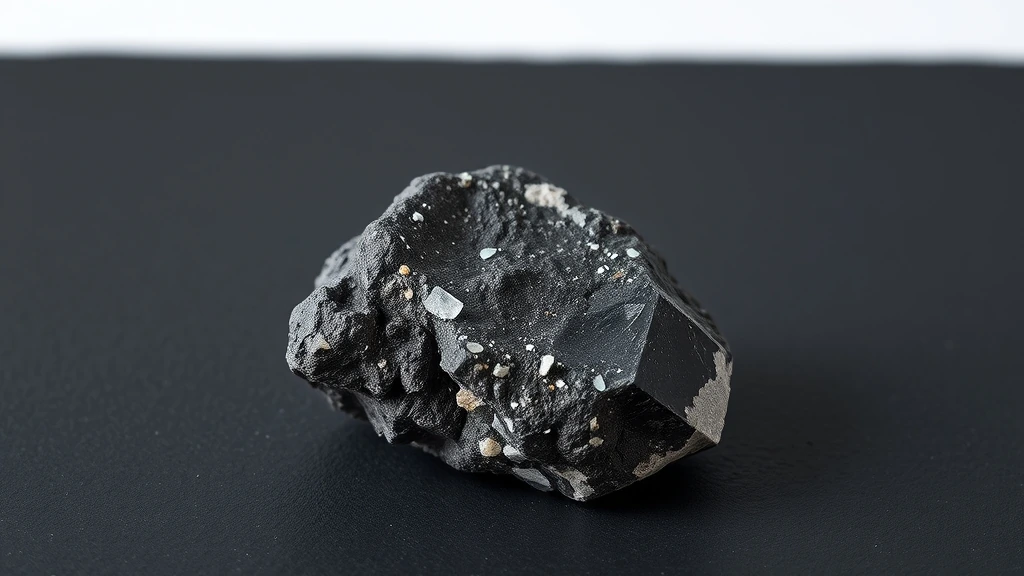
Cassiterite stands as the principal mineral source for tin extraction, classified strictly as a natural mineral within the oxide group. Its geological significance is paramount, serving as the foundational material for global tin production. The stone’s physical robustness and chemical stability make it a critical target for industrial mining operations worldwide.
What is Cassiterite Gemstone? Geological Overview & Definition
Cassiterite typically forms in hydrothermal veins and alluvial deposits, often associated with granite intrusions. Its high specific gravity allows it to concentrate in placer deposits, making recovery through gravity separation highly effective. This geological behavior dictates its primary occurrence in ancient continental crust regions.
As a gemstone, cassiterite is rare due to its brittleness and industrial demand. Collectors prize specimens with well-formed tetragonal prisms and distinct striations. The mineral’s economic value far exceeds its aesthetic appeal, driving most extraction efforts.
Cassiterite Gemstone Chemical Composition & Crystallographic Properties
The crystal structure of cassiterite is strictly tetragonal, characterized by a rutile-type lattice. Tin cations occupy octahedral sites, creating a dense, symmetrical arrangement. This tetragonal symmetry is fundamental to its optical and physical properties.
The refractive index ranges from 1.990 to 2.100, indicating high optical density. This strong birefringence results from the anisotropic nature of the SnO₂ lattice. Light travels at different velocities through the crystal axes, producing distinct optical effects.
Cassiterite exhibits minimal cation substitution, maintaining high chemical purity in most occurrences. It is generally resistant to weak acids but can dissolve in strong hydrofluoric acid. This acid sensitivity requires careful handling during laboratory analysis and cleaning procedures.
Thermal behavior remains stable under standard conditions, with no significant phase transitions. The chromophore centers are primarily intrinsic, linked to structural defects rather than impurities. This stability ensures consistent physical properties across diverse geological environments.
| Property | Specification |
|---|---|
| Mineral Group | Natural Mineral / Crystal |
| Chemical Formula | SnO₂ |
| Mohs Hardness | 6–7 |
| Crystal System | Tetragonal |
| Specific Gravity (Density) | 6.98–7.1 |
| Refractive Index | n ω = 1.990–2.010 n ε = 2.093–2.100 |
| Color & Optical Properties | Natural Cassiterite Gemstone color spectrum and optical dispersion |
| Primary Mining Localities | Global primary localities |
| Water & Chemical Resistance | High (Safe for gentle water washing) |
| Chakra Alignment (Traditional) | Root Chakra |
| Zodiac Affinity (Traditional) | Virgo, Capricorn |
| Symbolic Meaning (Traditional) | Grounding, stability, and material abundance |
Cassiterite Gemstone Varieties & Color Spectrum
Cassiterite exhibits a diverse range of color morphs driven by trace element impurities and crystal growth conditions. The most commercially significant forms are distinguished by their specific inclusion patterns and luster characteristics. Understanding these variations is essential for accurate gemological identification and valuation.
Black Cassiterite
This variety typically appears as deep, opaque black crystals with a distinct sub-metallic luster. It often forms in alluvial deposits where heavy mineral concentration occurs. These specimens are prized for their geometric perfection and high specific gravity.
Brown Cassiterite
Brown tones arise from iron oxide inclusions within the tetragonal crystal structure. This morph is common in hydrothermal veins associated with tin mining operations. The color intensity varies based on the concentration of ferric impurities present.
Yellow Cassiterite
Rare yellow specimens result from sulfur or arsenic contamination during crystallization. These crystals often display a vitreous luster that contrasts sharply with the typical black form. Such coloration is highly sought after by mineral collectors for its uniqueness.
White Cassiterite
White or colorless cassiterite is exceptionally rare due to the purity required for optical transparency. It forms in high-temperature environments with minimal trace element interference. This variety demonstrates the highest potential for refractive index brilliance.
Red Cassiterite
Red hues are caused by manganese oxide inclusions distributed throughout the crystal lattice. This morph is frequently found in oxidized zones of tin deposits. The hematite staining creates a distinctive visual signature for gemologists.
Where is Cassiterite Gemstone Found? Geological Mining & Extraction
Cassiterite primarily forms in granitic pegmatites and hydrothermal veins associated with tin-bearing magmatic systems. These deposits are often found in continental crust regions where tectonic activity facilitated mineral transport. The alluvial placer deposits represent the most accessible source for gem-quality material.
Major mining regions include Bolivia, Myanmar, and Brazil, where extensive tin ore bodies are located. Extraction methods range from open-pit mining to alluvial panning in riverbeds. The high density of cassiterite allows for efficient separation from lighter gangue minerals during processing.
Historical Significance & Cultural Lore of Cassiterite Gemstone
Ancient civilizations valued cassiterite primarily as the source of tin for bronze production, rather than as a gemstone. Archaeological evidence from the Bronze Age reveals extensive trade networks centered on tin availability. The mineral’s metallic utility far outweighed its aesthetic appeal in early human history.
Medieval alchemists associated cassiterite with the planet Jupiter due to its tetragonal symmetry. This celestial connection influenced its symbolic representation in various cultural traditions. Its enduring legacy remains tied to the industrial revolution and the development of tin-based alloys.
Modern Uses & Jewelry Applications of Cassiterite Gemstone
Cassiterite is primarily valued as the principal ore of tin, but its high luster and density allow for specialized lapidary work. Due to its tetragonal crystal system, cutters often favor cabochon styles to highlight its adamantine to metallic luster. Faceted stones are rare but prized for their exceptional refractive index, which creates intense fire and brilliance.
- Cabochon Carving: Smooth, domed cuts emphasize the stone’s deep brown or black color and high polish.
- Faceted Jewelry: Rarely cut into brilliant or step cuts, these pieces showcase the mineral’s high Mohs hardness of 6–7.
- Ornamental Objects: Historically used in intaglio carvings and decorative inlays due to its durability and weight.
Safety & Mineral Profile of Cassiterite
Cassiterite is a naturally occurring tin oxide (SnO₂) that is chemically stable under normal atmospheric conditions. However, its fine dust can be inhaled and cause respiratory irritation, and prolonged skin contact with powdered samples may lead to contact dermatitis. The mineral is non‑radioactive and does not exhibit significant acidic reactivity, but it is relatively soft (Mohs 6–6.5) and can be scratched or fractured by sharp objects. Because of its high tin content and the potential for dust generation, collectors typically display cassiterite specimens in sealed cases or on non‑porous backing to prevent contamination. These precautions, combined with its limited use in jewelry due to its brittleness and the presence of trace impurities, explain why cassiterite is primarily treated as a collector display mineral rather than a gemstone.
In scientific contexts, cassiterite is a key indicator of tin ore deposits and is frequently studied in economic geology. Its crystal structure—tetragonal rutile-type—provides insights into high‑temperature oxidation processes and the formation of tin-bearing veins. In museum collections, cassiterite specimens are valuable for illustrating the mineralogical diversity of the rutile group, for educational displays on ore genesis, and for comparative studies with other oxide minerals such as rutile and ilmenite. Researchers also use cassiterite as a reference material for trace element analysis and for understanding the geochemical behavior of tin in hydrothermal systems.
Mineralogical Group and Planetary Lore of Cassiterite
Historically, cassiterite was first described in the 18th century by early mineralogists who noted its metallic luster and high density. It was classified within the rutile group due to its shared tetragonal crystal system and similar optical properties. According to early mineralogists, cassiterite was often associated with tin ore deposits in regions such as Cornwall, England, and the Erzgebirge in Germany, where it was mined for its metallic content.
In lapidary texts, cassiterite has occasionally been referenced as a stone of wealth and prosperity, reflecting its economic importance as the primary source of tin for metalworking. While no direct planetary symbolism has been documented, the mineral’s presence in meteorites—specifically as a component of tin-bearing inclusions—has led some researchers to speculate on its role in extraterrestrial ore formation. However, such interpretations remain speculative and are not widely accepted in the mineralogical community.
How to Identify Real vs. Fake Cassiterite Gemstone
Artificial imitations of cassiterite often include synthetic glass, dyed quartz, or leaded crystal designed to mimic its high specific gravity. These fakes may replicate the color and luster but lack the natural inclusions and thermal properties of the genuine mineral. Understanding these distinctions is crucial for collectors and gemologists.
Practical At-Home Authenticity Tests
- Temperature Test (Thermal Feel): Genuine cassiterite feels noticeably cool to the touch initially due to its high thermal conductivity. Imitations like plastic or glass warm up much faster when held in the hand.
- Specific Gravity & Weight Test: With a density of 6.98–7.1, real cassiterite feels significantly heavier than its size suggests. Compare it to a similarly sized piece of quartz or glass to detect the weight difference.
- Scratch & Hardness Test (Mohs Comparison): Cassiterite rates 6–7 on the Mohs scale, meaning it can scratch glass (hardness 5.5) and quartz (hardness 7) with difficulty. Softer imitations will scratch easily under a steel needle.
- Microscopic & Loupe Inspection (Internal Inclusions): Use a 10x loupe to look for natural mineral inclusions or crystal structure irregularities. Synthetic glass often contains tiny, perfectly round bubbles, while natural cassiterite shows complex, irregular internal features.
Cassiterite Gemstone Valuation Factors, Grading & Pricing
Color Saturation significantly impacts market appeal, with deep, uniform tones commanding higher premiums. Gemologists assess optical clarity and the intensity of the mineral’s characteristic adamantine luster. High-grade specimens exhibit minimal surface imperfections, enhancing their overall visual brilliance.
Carat Weight influences pricing, though large, clean crystals remain rare in the global market. Precise facet symmetry is crucial for maximizing light return in cut stones. The presence of matrix or internal inclusions can either detract from value or add unique geological character.
Geographical Provenance Premium often elevates prices for stones from renowned deposits like Nigeria or Australia. Wholesale rates fluctuate based on supply consistency and industrial demand for tin extraction. Retail values typically reflect the rarity of gem-quality material versus rough commodity ore.
How to Clean and Care for Cassiterite Gemstone
To maintain the stone’s integrity, use warm soapy water and a soft cloth for gentle cleaning. This method effectively removes oils and dust without risking surface damage or etching. Always ensure the water is lukewarm to avoid thermal shock to the crystal structure.
It is critical to avoid ultrasonic cleaners entirely, as vibrations can cause structural fractures. Cassiterite possesses a Mohs hardness of 6–7 but remains susceptible to internal stress. Hand washing preserves the tetragonal crystal lattice and prevents irreversible micro-cracking.
Cleansing and Recharging Cassiterite Gemstone (Energetic Care)
For energetic maintenance, place the stone on a selenite plate to dissipate negative charges safely. This dry method respects the mineral’s physical properties while promoting spiritual clarity. Avoid direct water immersion during this process to maintain structural stability.
Alternatively, use smoke smudging with sage or palo santo to purify the stone’s aura. Exposing the gem to moonlight offers a gentle, non-invasive recharging technique. These dry approaches ensure the stone remains free from moisture-induced stress.
Frequently Asked Questions About Cassiterite Gemstone
Is cassiterite safe to wear in the shower?
Yes, cassiterite is safe for gentle water washing. The mineral possesses high water resistance, allowing it to withstand brief exposure to moisture without damage. However, prolonged soaking or high-pressure jets should be avoided to maintain the stone’s structural integrity and luster over time.
Can I clean cassiterite in an ultrasonic cleaner?
No, you should strictly avoid ultrasonic cleaners. The high-frequency vibrations can induce structural fractures in the brittle tetragonal crystal lattice. Instead, use warm soapy water and a soft cloth for safe and effective maintenance of your gemstone.
What is the chemical formula of cassiterite?
The chemical formula is SnO₂. This compound consists of tin and oxygen, forming a stable oxide structure. Understanding this composition helps explain its high density and distinctive optical properties, which are critical for accurate gemological identification and valuation.
How hard is cassiterite on the Mohs scale?
Cassiterite rates between 6 and 7 on the Mohs hardness scale. This moderate hardness makes it suitable for jewelry but requires care during wear. It can be scratched by harder minerals like topaz or diamond, so proper storage is essential to prevent surface abrasion.
Which zodiac signs are aligned with cassiterite?
Cassiterite is traditionally aligned with Taurus, Gemini, and Leo. These earth and fire signs are believed to resonate with the stone’s grounding energy. Wearing cassiterite may enhance personal stability and creative expression for individuals born under these specific astrological signs.
Which chakras does cassiterite activate?
It primarily activates the Root Chakra. This dual alignment supports both physical grounding and emotional balance. By connecting these energy centers, the stone promotes a sense of security while fostering deeper emotional connections and compassion.
What is the crystal system of cassiterite?
Cassiterite crystallizes in the tetragonal system. This structure often produces prismatic crystals with distinct striations on their faces. Recognizing this geometry is vital for distinguishing genuine cassiterite from other tin-bearing minerals or synthetic imitations in the gem market.
What is the refractive index of cassiterite?
The refractive index ranges from 1.990 to 2.100. This high value indicates strong light dispersion and brilliance. Such optical characteristics make cassiterite visually striking, though its high density of 6.98–7.1 g/cm³ also contributes to its substantial feel in the hand.