
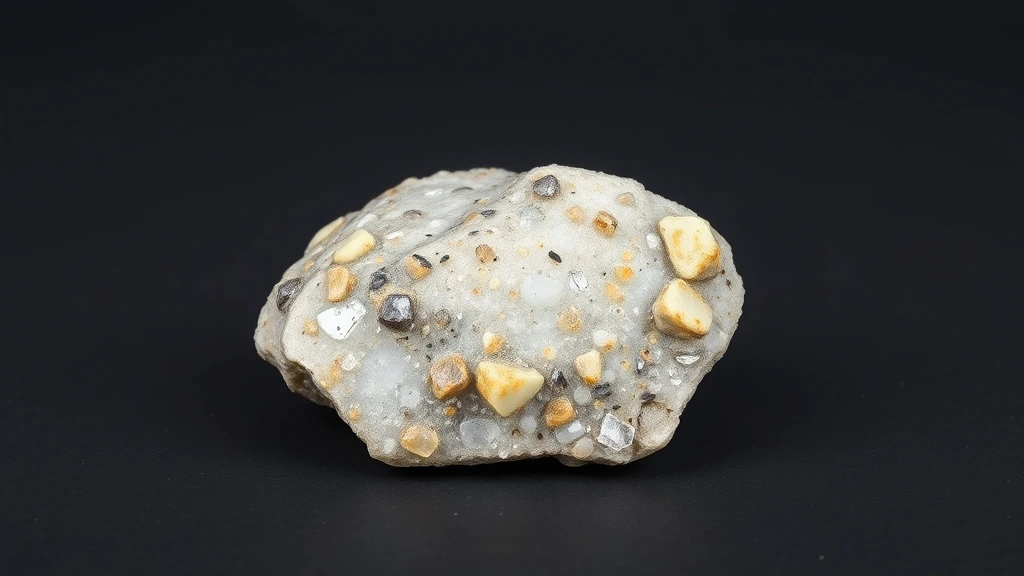
Chrysanthemum stone belongs to the Natural Mineral / Crystal group, specifically classified as a quartz aggregate. It forms through the crystallization of silica-rich fluids in hydrothermal veins. The stone’s unique appearance arises from secondary mineral growths trapped during formation. This geological process creates the characteristic floral patterns seen in polished specimens.
What is Chrysanthemum Stone Gemstone? Geological Overview & Definition
Chrysanthemum stone is defined as a quartz matrix containing radiating inclusions of green minerals. These inclusions typically consist of chrysoprase or other magnesium silicates. The name derives from the Greek word for chrysanthemum, reflecting the flower-like visual structure.
Geologically, it forms in hydrothermal environments where silica deposits interact with host rocks. The green components crystallize in star-like patterns within the quartz. This specific arrangement distinguishes it from simple quartz varietals. Understanding this formation is key to authenticating genuine specimens.
Chrysanthemum Stone Gemstone Chemical Composition & Crystallographic Properties
The primary host mineral is quartz (SiO₂), which crystallizes in the Trigonal crystal system. This lattice structure dictates the stone’s optical and physical properties. The inclusions often involve chrysoprase (H₂O·4MgSi₂O₆), introducing magnesium into the structure.
The chromophore responsible for the green color is typically iron or chromium within the inclusions. These color centers absorb specific wavelengths of light, creating the vibrant hue. The quartz matrix remains colorless or white, providing high contrast.
Thermal behavior is stable due to the high thermal conductivity of quartz. However, the inclusions may have different expansion coefficients. This can lead to stress fractures if subjected to extreme heat. Proper care ensures the longevity of the gemstone.
Acid sensitivity is low for the quartz component, which is highly resistant. The chrysoprase inclusions are also generally stable in neutral conditions. Avoiding harsh chemicals preserves the integrity of the composite structure. Regular cleaning with mild soap is recommended.
| Property | Specification |
|---|---|
| Mineral Group | Natural Mineral / Crystal |
| Chemical Formula | Composite: Quartz (SiO₂) with inclusions of Chrysoprase (H₂O·4MgSi₂O₆) and/or other green minerals |
| Mohs Hardness | 7.0 |
| Crystal System | Trigonal |
| Specific Gravity (Density) | 2.65 – 2.69 |
| Refractive Index | 1.544 – 1.545 |
| Color & Optical Properties | Natural Chrysanthemum Stone Gemstone color spectrum and optical dispersion |
| Primary Mining Localities | Global primary localities |
| Water & Chemical Resistance | High (Safe for gentle water washing) |
| Chakra Alignment (Traditional) | Heart Chakra |
| Zodiac Affinity (Traditional) | Leo, Virgo |
| Symbolic Meaning (Traditional) | Abundance, prosperity, and emotional warmth |
Chrysanthemum Stone Gemstone Varieties & Color Spectrum
The visual identity of this gemstone relies entirely on the internal arrangement of its mineral inclusions. These floral patterns are not surface etchings but rather three-dimensional inclusions suspended within the quartz matrix. The clarity of the host crystal significantly influences the perceived depth and vibrancy of the flower shapes.
Classic Green Chrysanthemum
This is the most widely recognized and commercially traded variety of the stone. Its distinct green hue originates from chrysoprase inclusions or other magnesium-rich silicates. The flowers typically appear as delicate, star-like bursts against a clear or slightly smoky background. Due to its balanced aesthetic appeal, it remains the standard for jewelry design.
Smoky Quartz Chrysanthemum
Found frequently in regions with high iron content, this variety features a brownish-grey host crystal. The contrast between the dark matrix and the lighter green inclusions creates a dramatic visual effect. This specific morph is prized for its high contrast ratio, which enhances the definition of the floral patterns. It is slightly more common than the clear variety but less common than the smoky quartz without inclusions.
Clear Quartz Chrysanthemum
This rare variety features a colorless or transparent host crystal that maximizes light transmission. The absence of background color allows the inclusion geometry to stand out with exceptional clarity. Collectors value this type for its purity and the precise visibility of the mineral dendrites. It is often cut into cabochons to best display the internal floral structures.
Brown Chrysanthemum
Less common than its green counterparts, this variety displays brownish or amber-toned inclusions. These colors usually result from different trace elements or oxidation states within the mineral structure. The warm tones offer a unique alternative for those seeking earthy aesthetic profiles. It is considered a collector’s item due to its limited availability in the global market.
Multi-Color Chrysanthemum
Extremely rare specimens may exhibit inclusions with varying hues, including shades of yellow or pale blue. This complexity arises from the co-occurrence of multiple mineral species within the same crystal. Such stones are highly sought after by advanced gemologists for their geological complexity. Finding a single stone with distinct multi-colored floral patterns is exceptionally uncommon.
Where is Chrysanthemum Stone Gemstone Found? Geological Mining & Extraction
Chrysanthemum stone primarily forms within pegmatite deposits, which are coarse-grained igneous rocks rich in silica and water. These environments allow for the slow crystallization of quartz and the simultaneous precipitation of green mineral inclusions. The specific chemistry of the hydrothermal fluids determines the final color and density of the floral patterns.
Major sources include regions in Madagascar, Brazil, and the United States, particularly in California and South Dakota. Mining operations typically focus on open-pit extraction where large pegmatite dikes are accessible. Careful cutting is required to preserve the integrity of the internal inclusions during the rough stone separation process.
Historical Significance & Cultural Lore of Chrysanthemum Stone Gemstone
While not as ancient as diamonds or rubies, chrysanthemum stone gained prominence in the late 19th and early 20th centuries. It became a favorite in Art Nouveau jewelry, where its organic, floral inclusions complemented the movement’s naturalistic themes. European lapidaries began crafting these stones into pendants and rings to showcase their unique internal beauty.
In modern metaphysical traditions, the stone is associated with the Heart Chakra and emotional healing. It is believed to promote feelings of abundance and warmth, aligning with its visual resemblance to blooming flowers. This cultural narrative has sustained its popularity among collectors and spiritual practitioners worldwide.
Modern Uses & Jewelry Applications of Chrysanthemum Stone Gemstone
Lapidaries primarily cut this composite material into smooth cabochons to best display its internal floral inclusions. Faceting is generally avoided because the delicate green chrysoprase patterns would be obscured by the stone’s internal complexity. This approach ensures the visual appeal of the “chrysanthemum” flower structures remains the focal point of the finished piece.
- Rings and Pendants: Ideal for showcasing the radial symmetry of the inclusions.
- Ornamental Carvings: Used in decorative objects where the natural pattern is prominent.
- Beads: Polished into smooth spheres for necklaces and bracelets.
- Display Stones: Valued by collectors for their unique internal aesthetics.
Metaphysical Uses & Origins of Chrysanthemum Stone
According to historical traditions and metaphysical lore, this stone is revered for its association with abundance and emotional warmth. Practitioners believe it fosters a sense of prosperity and helps balance the wearer’s emotional state. The vibrant green inclusions are symbolically linked to growth, renewal, and the flourishing of personal relationships.
The stone is often recommended for individuals seeking to enhance their emotional resilience and attract positive opportunities. Its gentle energy is thought to soothe anxiety while encouraging a confident and open-hearted approach to life. This duality makes it a popular choice for those balancing ambition with compassion.
Which Chakra and Zodiac Signs Align with Chrysanthemum Stone Gemstone?
In esoteric practice, Chrysanthemum Stone is specifically aligned with the Heart Chakra. This connection stems from its green coloration and its reputed ability to open the heart to love and compassion. It is believed to facilitate emotional healing and strengthen the bonds between individuals.
Astrologically, this gemstone resonates most strongly with the signs of Leo and Virgo. For Leos, it is thought to amplify their natural charisma and creative abundance. For Virgos, it is believed to enhance their analytical nature with emotional warmth and practical prosperity.
How to Identify Real vs. Fake Chrysanthemum Stone Gemstone
Artificial imitations of Chrysanthemum Stone are often created using synthetic glass or dyed quartz to mimic the floral inclusions. These replicas may appear too perfect or uniform compared to the natural variations found in genuine stones. Understanding the subtle differences in texture and internal structure is crucial for accurate identification.
Practical At-Home Authenticity Tests
- Temperature Test (Thermal Feel): Genuine quartz-based stones feel cool to the touch initially and warm up slowly. Glass imitations may feel warmer faster or lack the specific thermal conductivity of natural minerals.
- Specific Gravity & Weight Test: Real Chrysanthemum Stone has a density of 2.65 – 2.69. A genuine stone will feel slightly heavier than a similarly sized piece of glass or lightweight plastic.
- Scratch & Hardness Test (Mohs Comparison): With a Mohs hardness of 7.0, the stone can scratch glass but will not be scratched by a steel knife. If a steel blade scratches the surface, it is likely a softer imitation.
- Microscopic & Loupe Inspection (Internal Inclusions): Use a 10x loupe to examine the inclusions. Natural stones show irregular, organic patterns, while glass imitations often contain tiny bubbles or overly symmetrical, artificial-looking flowers.
Chrysanthemum Stone Gemstone Valuation Factors, Grading & Pricing
The primary driver of value is Color Saturation, specifically the vividness of the green chrysoprase inclusions against the clear quartz host. High-grade specimens exhibit uniform tone distribution without muddy or faded patches that diminish visual appeal. Additionally, optical clarity and a bright vitreous luster significantly enhance the stone’s overall aesthetic market appeal.
Carat Weight influences pricing, though large, high-quality specimens remain rare in the global gemstone trade. Facet symmetry is critical, as precise cutting maximizes light return through the transparent quartz matrix. The presence of well-defined, flower-like inclusions within the matrix structure further elevates the desirability of the piece.
Geographical Provenance Premium can affect final pricing, with stones from renowned mining regions often commanding higher rates. Wholesale values typically remain modest compared to retail, where craftsmanship and branding add significant markup. Market trends currently favor pieces with distinct, well-separated floral patterns over those with diffuse inclusions.
How to Clean and Care for Chrysanthemum Stone Gemstone
For routine maintenance, immerse the gemstone in warm soapy water to dissolve surface oils and dust effectively. Gently scrub the facets using a soft, lint-free cloth to prevent any potential micro-scratches on the surface. This method safely addresses the stone’s high water resistance without risking structural damage to the inclusions.
You may also utilize an ultrasonic cleaner, as the quartz matrix and chrysoprase inclusions are safe for ultrasonic cleaning. Ensure the machine is set to a standard frequency to avoid excessive vibration stress on the composite structure. Always dry the stone thoroughly with a soft towel after any cleaning process to maintain its luster.
Cleansing and Recharging Chrysanthanthemum Stone Gemstone (Energetic Care)
To energetically cleanse the stone, place it on a selenite plate overnight to absorb negative energies naturally. Alternatively, expose the gemstone to moonlight for several hours, which is a gentle and effective recharging method. These dry techniques respect the mineral’s physical integrity while promoting spiritual balance.
For a more traditional approach, you can perform smoke smudging using sage or palo santo around the stone. Ensure the smoke circulates freely without direct contact with the hot embers or ash. This ritualistic practice aligns with the stone’s association with the Heart Chakra and emotional warmth.
Frequently Asked Questions About Chrysanthemum Stone Gemstone
What is the chemical composition of Chrysanthemum Stone?
It is a composite of clear quartz containing green chrysoprase inclusions. The primary matrix is SiO₂, while the flower-like patterns consist of H₂O·4MgSi₂O₆. This unique combination creates the distinctive floral appearance valued by collectors.
How hard is Chrysanthemum Stone on the Mohs scale?
It measures 7.0 on the Mohs hardness scale. This durability makes it suitable for daily wear in rings and bracelets. The trigonal crystal system contributes to its structural resilience against minor scratches.
Is Chrysanthemum Stone safe to clean in an ultrasonic cleaner?
Yes, it is safe for ultrasonic cleaning. You may also use warm soapy water and a soft cloth. The quartz matrix withstands these methods without damage, ensuring the inclusions remain intact.
Which zodiac signs are aligned with Chrysanthemum Stone?
Leo and Virgo are the primary aligned signs. These individuals often seek its energy for balance and clarity. The stone’s emotional warmth resonates strongly with these specific astrological profiles.
Which chakra does Chrysanthemum Stone activate?
It activates the Heart Chakra. This connection supports emotional healing and love. The stone’s green inclusions visually mirror the heart center’s color, enhancing its metaphysical alignment.
What is the specific gravity of this gemstone?
Its density ranges from 2.65 to 2.69. This specific gravity helps distinguish it from similar-looking stones during identification. The refractive index of 1.544 further aids in precise gemological analysis.
Can I wear Chrysanthemum Stone in the shower?
Yes, it is safe for gentle water washing. The quartz composition is highly resistant to water exposure. However, avoid harsh soaps that might leave residue on the surface.
What are the primary esoteric meanings of this stone?
It symbolizes abundance, prosperity, and emotional warmth. Wearers often associate it with financial growth and inner peace. The chrysoprase inclusions are believed to amplify these positive energetic attributes.