
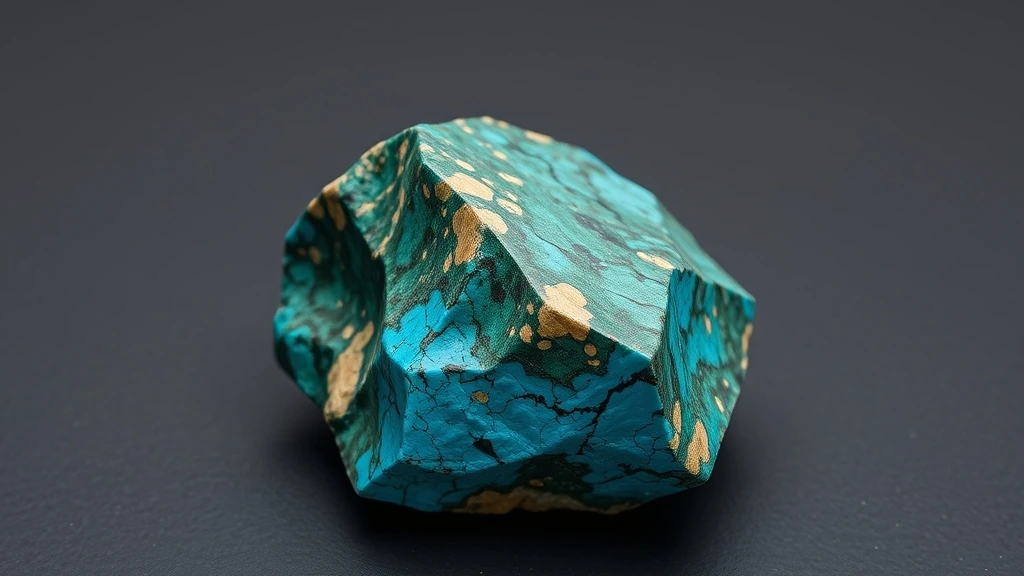
Chrysocolla belongs to the Natural Mineral / Crystal group, forming primarily in the oxidized zones of copper-bearing ore deposits. It is a secondary mineral that precipitates from hydrothermal solutions rich in copper and silica. This geological origin explains its frequent association with malachite and azurite in arid environments. Understanding its parentage is crucial for accurate gemological identification and valuation.
What is Chrysocolla Gemstone? Geological Overview & Definition
Chrysocolla is a secondary copper silicate that forms when copper-rich waters interact with silica-bearing rocks. It typically occurs as massive, botryoidal, or crustose aggregates rather than distinct crystals. This formation process results in a stone with a waxy to vitreous luster and a characteristic resinous fracture.
The mineral is geologically significant as an indicator of copper mineralization in the oxidized zone. It often intergrowths with other copper minerals, creating complex multi-colored specimens. Its soft nature makes it susceptible to abrasion, limiting its use to beads, cabochons, and inlays. Proper identification requires distinguishing it from similar-looking turquoise or malachite.
Chrysocolla Gemstone Chemical Composition & Crystallographic Properties
The canonical crystal system for chrysocolla is orthorhombic, though it is frequently cryptocrystalline or amorphous in gem-quality specimens. The basic chemical structure involves copper ions coordinated with silicate tetrahedra and water molecules. This arrangement allows for variable hydration levels, which directly influence the stone’s physical properties.
The chromophore responsible for the blue-green color is the copper ion (Cu²⁺). Variations in color intensity correlate with the specific arrangement of these ions within the lattice. The mineral exhibits a refractive index ranging from 1.575 to 1.635, contributing to its pleasing luster.
Thermal behavior is critical, as chrysocolla is acid-sensitive and can lose its structural water when heated. This dehydration process can alter the stone’s color and cause fracturing. Consequently, gemologists advise against heat treatment or exposure to strong acids. The density of 1.9–2.4 g/cm³ reflects its porous, hydrated nature.
| Property | Specification |
|---|---|
| Mineral Group | Natural Mineral / Crystal |
| Chemical Formula | CuSiO₃·nH₂O |
| Mohs Hardness | 2.5–3.5 (7 for chrysocolla chalcedony, high-silica content) |
| Crystal System | orthorhombic crystal system |
| Specific Gravity (Density) | 1.9–2.4 |
| Refractive Index | n α = 1.575–1.585 n β = 1.597 n γ = 1.598–1.635 |
| Color & Optical Properties | Natural Chrysocolla Gemstone color spectrum and optical dispersion |
| Primary Mining Localities | Global primary localities |
| Water & Chemical Resistance | High (Safe for gentle water washing) |
| Chakra Alignment (Traditional) | Throat Chakra, Heart Chakra |
| Zodiac Affinity (Traditional) | Taurus, Libra |
| Symbolic Meaning (Traditional) | Emotional balance, communication, and inner peace |
Chrysocolla Gemstone Varieties & Color Spectrum
Chrysocolla exhibits a remarkable range of hues derived from its copper silicate composition. The color intensity directly correlates with the concentration of copper ions within the crystal lattice structure.
Classic Turquoise Chrysocolla
This variety displays a vibrant blue-green hue reminiscent of high-grade turquoise. It forms in arid environments where oxidized copper deposits interact with silica-rich groundwater.
The stone often features distinct veining patterns that create a marbled appearance. Collectors prize specimens with uniform coloration and minimal matrix inclusions for cabochon cutting.
Deep Emerald Green Chrysocolla
Rich green tones indicate a higher proportion of hydrated copper in the mineral structure. These stones typically form in deeper geological strata with reduced oxygen exposure.
The crystal habit in this variety tends to be more massive and compact. It is rarer than blue variants and commands premium prices in the gem market.
Mottled Matrix Chrysocolla
This type is characterized by a chaotic mix of blue, green, and brown spots. The host rock often includes quartz or malachite, adding textural complexity to the surface.
Geologists identify these deposits as secondary mineralization zones near copper ore bodies. The irregular pattern makes each piece unique for lapidary work.
Chrysocolla Chalcedony
This hybrid variety combines chrysocolla with chalcedony, significantly increasing its hardness to 7. The added silica content allows for faceted cuts rather than just cabochons.
The refractive index shifts slightly due to the mixed mineral composition. It is highly valued for its durability and glassy luster in jewelry settings.
Where is Chrysocolla Gemstone Found? Geological Mining & Extraction
Chrysocolla primarily forms in the oxidized zones of copper deposits worldwide. It occurs in host rocks such as limestone, basalt, and granite intrusions.
Major mining regions include Arizona, Nevada, and Mexico in North America. Significant deposits are also found in Peru, Australia, and the Democratic Republic of Congo.
Extraction involves open-pit mining or small-scale artisanal digging near surface outcrops. The ore is processed to separate the copper silicate from surrounding waste rock.
Historical Significance & Cultural Lore of Chrysocolla Gemstone
Ancient civilizations valued chrysocolla for its striking color and spiritual properties. The Aztecs used it in ceremonial masks and jewelry, associating it with the god of rain.
Archaeological findings reveal its use in funerary practices across the American Southwest. It was believed to promote emotional balance and enhance communication abilities.
Modern gemologists recognize its historical continuity in traditional healing practices. The stone remains a symbol of inner peace and creative expression today.
Modern Uses & Jewelry Applications of Chrysocolla Gemstone
Chrysochelle’s vivid turquoise‑blue hue makes it a favorite for cabochon settings, where its silky surface showcases the stone’s natural chatoyancy. Lapidaries also carve it into faceted pieces for rings and pendants, though the relatively low Mohs hardness (2.5–3.5) demands careful handling. Ornamental carving—such as beads, inlays, and decorative plaques—adds a splash of color to high‑end jewelry and interior décor.
- Cabochon pendants and earrings for everyday wear
- Faceted rings and brooches in statement pieces
- Inlaid mosaics and decorative boxes for luxury interiors
- Hand‑carved beads for beaded necklaces and bracelets
Metaphysical Properties & Traditional Meaning of Chrysocolla Gemstone
According to historical traditions and metaphysical lore, chrysocolla is regarded as a stone of emotional balance that soothes anxiety and promotes honest communication. It is said to open the Throat Chakra, encouraging clear self‑expression, while simultaneously nurturing the Heart Chakra to foster compassion and inner peace. Practitioners believe the stone can dissolve old emotional patterns, allowing the wearer to embrace new possibilities with confidence.
Which Chakra and Zodiac Signs Align with Chrysocolla Gemstone?
Chrysocolla resonates most strongly with the Throat Chakra, supporting articulate speech and the free flow of ideas. It also aligns with the Heart Chakra, enhancing empathy, love, and the capacity to give and receive emotional support.
In astrology, chrysocolla is traditionally linked to the Taurus and Libra signs. Taurus benefits from the stone’s grounding, stabilizing energy, while Libra draws on its diplomatic influence to balance relationships and promote harmonious communication. No other zodiac signs are associated with this gemstone.
How to Identify Real vs. Fake Chrysocolla Gemstone
Artificial imitations of chrysocolla include dyed howlite, synthetic glass, and polymer resins that mimic its turquoise color but lack the mineral’s characteristic hydrous copper silicate composition. These substitutes often feel heavier, display uniform coloration, or exhibit a glassy luster that differs from genuine chrysocolla’s earthy translucency.
Practical At-Home Authenticity Tests
- Temperature Test (Thermal Feel): Real chrysocolla feels cool to the touch and retains that coolness longer than glass or plastic imitations, which quickly warm to skin temperature.
- Specific Gravity & Weight Test: With a density of 1.9–2.4 g/cm³, genuine chrysocolla is noticeably lighter than glass (≈2.5 g/cm³); a simple water‑displacement test can reveal the difference.
- Scratch & Hardness Test (Mohs Comparison): Using a steel nail (hardness ~5.5), a genuine stone will be easily scratched, whereas synthetic glass will resist scratching. Record the result carefully to avoid damaging the piece.
- Microscopic & Loupe Inspection (Internal Inclusions): Under 10× magnification, authentic chrysocolla shows fine, irregular micro‑inclusions and a slightly cloudy matrix, while dyed stones appear uniformly clear or exhibit bubble‑like artifacts.
Chrysocolla Gemstone Valuation Factors, Grading & Pricing
The primary driver of value is Color Saturation, specifically deep, uniform azure or turquoise hues. Stones with consistent tone and high optical clarity command premium prices. Dull or patchy coloring significantly diminishes market appeal and desirability.
Carat Weight influences pricing, though large specimens are rare due to the mineral’s fragility. Facet symmetry is critical for maximizing brilliance in cut stones. The presence of matrix or inclusions can either enhance uniqueness or reduce value depending on clarity.
Geographical Provenance Premium often elevates prices for stones from renowned mines like Arizona or Peru. Wholesale costs remain low, but retail margins are substantial for high-quality pieces. Market trends favor untreated, vivid specimens for both collectors and jewelry designers.
How to Clean and Care for Chrysocolla Gemstone
Always use warm soapy water and a soft cloth for routine maintenance. Gently wipe the surface to remove oils and dust without applying pressure. Avoid ultrasonic cleaners strictly to prevent structural fractures in this delicate material.
Never submerge the stone in harsh chemicals or abrasive solutions. Dry the gemstone immediately with a lint-free cloth after washing. Proper handling preserves the natural luster and prevents surface degradation over time.
Cleansing and Recharging Chrysocolla Gemstone (Energetic Care)
For energetic cleansing, utilize safe dry methods that respect the mineral’s low hardness. Smoke smudging with sage or palo santo is an effective traditional practice. Ensure the stone is kept away from direct flame or excessive heat sources.
Moonlight exposure serves as a gentle recharging method for this sensitive gem. Placing the stone on a selenite plate overnight also aids in energy purification. These dry techniques avoid water exposure, maintaining the structural integrity of the chrysocolla.
Frequently Asked Questions About Chrysocolla Gemstone
What is the chemical composition of chrysocolla?
It is a hydrated copper silicate mineral. Chrysocolla’s formula is CuSiO₃·nH₂O, indicating variable water content that gives the stone its characteristic blue‑green hue. The copper ions cause the vivid coloration, while the silicate framework contributes to its relatively low Mohs hardness of 2.5–3.5.
How hard is chrysocolla compared to other gemstones?
Its hardness ranges from 2.5 to 3.5 on the Mohs scale. This makes chrysocolla softer than most traditional gems such as quartz or sapphire, so it should be worn in settings that protect it from scratches. High‑silica varieties like chrysocolla chalcedony can reach about 7, offering greater durability.
Can I wear chrysocolla jewelry while showering or swimming?
Yes, it is safe for gentle water washing. Chrysocolla exhibits high water resistance, so brief exposure to water—such as a shower or light swimming—won’t damage the stone. However, prolonged soaking or harsh detergents should be avoided to preserve its surface luster.
How should I clean my chrysocolla pieces?
Use warm, soapy water and a soft cloth; avoid ultrasonic cleaners. The porous nature of chrysocolla makes it vulnerable to micro‑fractures under ultrasonic vibration. Gently wipe the stone with a damp microfiber cloth after washing, then pat dry to maintain its natural sheen.
Which zodiac signs are associated with chrysocolla?
Taurus and Libra are the aligned zodiac signs. In astrological tradition, chrysocolla is believed to enhance the grounded stability of Taurus and the diplomatic balance of Libra, reinforcing the stone’s reputation for promoting emotional equilibrium and clear communication.
Which chakras does chrysocolla activate?
It resonates with the Throat and Heart Chakras. By stimulating the Throat Chakra, chrysocolla encourages honest expression, while its influence on the Heart Chakra supports compassion and emotional healing, aligning with the stone’s esoteric keywords of inner peace and balance.
Is chrysocolla suitable for everyday wear?
It can be worn daily if protected from impact. Because of its low hardness, chrysocolla should be set in protective mountings—such as bezel or pendant designs—that shield it from knocks. Regular gentle cleaning and avoiding heavy wear will keep the gemstone vibrant.
What is the typical density and refractive index of chrysocolla?
Its density ranges from 1.9 to 2.4 g/cm³, with a refractive index of nα = 1.575–1.585, nβ = 1.597, nγ = 1.598–1.635. These optical properties contribute to the stone’s bright, glassy luster and its ability to display a range of turquoise to deep blue tones, prized by collectors and designers alike.