
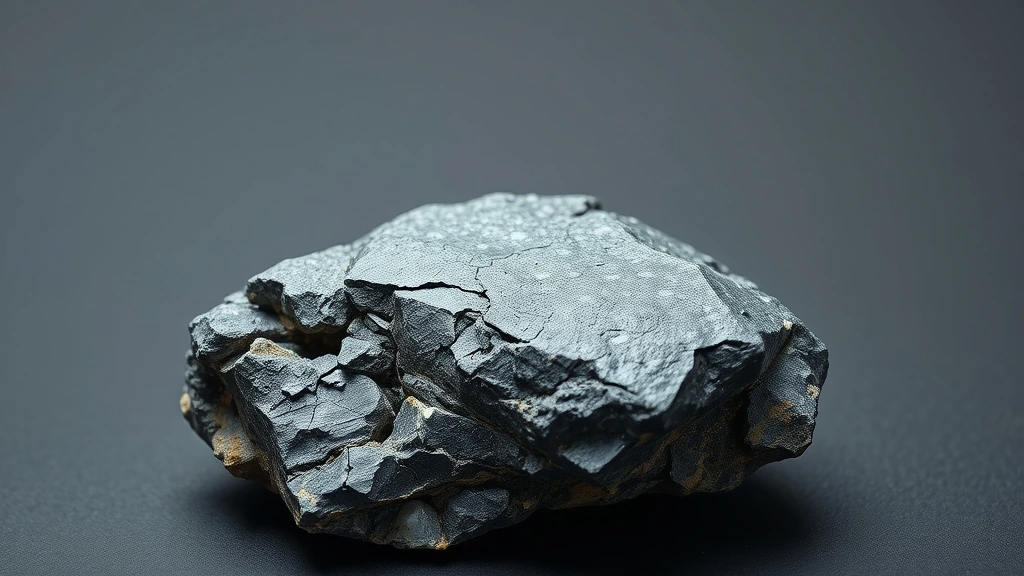
Clinohumite belongs to the natural mineral class, specifically within the olivine group. It forms through slow cooling of magma in igneous environments. This parent mineral group shares structural similarities with forsterite. The stone’s geological origin ensures high purity and distinct crystallographic features.
What is Clinohumite Gemstone? Geological Overview & Definition
Clinohumite is a rare variety of olivine, characterized by its monoclinic crystal system. It typically forms in metamorphic rocks or as xenoliths within basaltic lava. The mineral’s geological classification places it alongside forsterite and fayalite. Its formation requires specific pressure and temperature conditions.
As a gemstone, clinohumite is valued for its unique optical properties. It often appears in small, well-formed crystals. The parent mineral group provides a stable framework for cation substitution. This results in subtle variations in color and density.
Clinohumite Gemstone Chemical Composition & Crystallographic Properties
The chemical formula Mg₂SiO₄ defines its stoichiometric structure. It crystallizes in the monoclinic system, distinct from the orthorhombic olivine group. This structural difference affects its cleavage and fracture patterns. The lattice accommodates minor substitutions without major distortion.
Cation substitution involves trace elements replacing magnesium sites. This process influences the chromophore color centers, altering hue. The mineral exhibits moderate acid sensitivity, reacting slowly to strong acids. Its thermal behavior remains stable under standard gemological conditions.
The refractive index ranges from 1.623 to 1.728, indicating high brilliance. This optical property enhances its visual appeal in faceted cuts. The density of 3.17–3.35 g/cm³ aids in identification. These metrics confirm its status as a distinct silicate mineral.
| Property | Specification |
|---|---|
| Mineral Group | Natural Mineral / Crystal |
| Chemical Formula | Mg₂SiO₄ |
| Mohs Hardness | 6 |
| Crystal System | Monoclinic |
| Specific Gravity (Density) | 3.17–3.35 |
| Refractive Index | n α = 1.623 – 1.702 n β = 1.636 – 1.709 n γ = 1.651 – 1.728 |
| Color & Optical Properties | Natural Clinohumite Gemstone color spectrum and optical dispersion |
| Primary Mining Localities | Global primary localities |
| Water & Chemical Resistance | High (Safe for gentle water washing) |
| Chakra Alignment (Traditional) | Heart Chakra |
| Zodiac Affinity (Traditional) | Taurus, Virgo |
| Symbolic Meaning (Traditional) | Grounding, stability, and emotional balance |
Clinohumite Gemstone Varieties & Color Spectrum
Clinohumite presents a diverse palette driven by trace element substitutions within its Mg₂SiO₄ lattice. These variations create distinct visual identities that gemologists categorize by hue, saturation, and tone. Understanding these morphs is essential for accurate valuation and identification.
Green Clinohumite
This variety exhibits a vibrant, grassy green hue caused by chromium or iron impurities. It often displays high transparency and strong birefringence, creating a distinctive double-image effect. Such specimens are prized for their lively appearance in faceted cuts.
Blue-Green Clinohumite
Featuring a cooler, teal-like tone, this morph results from specific iron oxidation states. The color remains stable under natural light, offering a unique alternative to traditional blue gems. Its rarity makes it a sought-after piece for collectors.
Colorless Clinohumite
Transparent and nearly colorless, this form serves as a benchmark for purity in the olivine group. It lacks significant chromophores, allowing light to pass through with minimal absorption. These stones are often used in scientific calibration due to their optical clarity.
Brownish-Green Clinohumite
Characterized by earthy, olive tones, this variety contains higher concentrations of ferrous iron. The color can appear muted, but it gains depth when cut with precision. It is commonly found in larger crystal sizes than its vivid counterparts.
Pinkish-Orange Clinohumite
This rare morph displays warm, sunset-like hues due to complex trace element interactions. Such colors are extremely uncommon and highly valued in the gem market. Their scarcity limits availability to high-end private collections.
Where is Clinohumite Gemstone Found? Geological Mining & Extraction
Clinohumite primarily forms in ultramafic igneous rocks, such as peridotites and pyroxenites, where high-pressure conditions prevail. It also occurs in metamorphic schists derived from these original rock types. These geological settings provide the necessary magnesium and silicon for crystal growth.
Major deposits are located in Madagascar, Tanzania, and Brazil, where mining operations target gem-quality material. Extraction involves careful blasting and hand-sorting to preserve crystal integrity. These regions remain the primary sources for the global gemstone trade.
Historical Significance & Cultural Lore of Clinohumite
While less documented than diamond or ruby, clinohumite has ancient roots in Mediterranean and Asian civilizations. Archaeological findings suggest its use in ceremonial jewelry and protective amulets. Its monoclinic crystal structure was likely appreciated for its unique optical properties.
In modern esoteric traditions, it is linked to the Heart Chakra, promoting emotional balance and stability. This spiritual association has grown in popularity among contemporary metaphysical practitioners. The stone’s enduring appeal reflects its blend of geological rarity and symbolic meaning.
Modern Uses & Jewelry Applications of Clinohumite Gemstone
Clinohumite is primarily valued as a collector’s mineral rather than a high-end gemstone due to its moderate hardness and optical properties. Lapidaries often cut it into cabochons to showcase its subtle luster and earthy tones, which range from pale green to brownish-yellow. Its monoclinic crystal system allows for unique, irregular shapes that appeal to bespoke jewelry designers seeking organic aesthetics.
- Cabochon Cutting: Smooth, domed cuts are preferred to avoid chipping, highlighting the stone’s waxy to vitreous luster.
- Faceted Jewelry: While possible, faceting is rare due to the Mohs hardness of 6, making it susceptible to scratching in rings.
- Ornamental Carving: Larger specimens are carved into decorative objects, emphasizing its rarity and geological significance over commercial durability.
Safety & Mineral Profile of Clinohumite
Safe handling and physical stability
Clinohumite is a silicate mineral that is mechanically robust, with a Mohs hardness of 5–6 and a specific gravity of 3.0–3.2. It does not exhibit significant chemical reactivity under normal laboratory or museum conditions; however, it can release fine dust that may irritate the respiratory tract if inhaled. The mineral contains trace amounts of heavy metals such as iron and manganese, so handling should be performed with gloves and eye protection to prevent skin contact and accidental ingestion. Because clinohumite is not a precious gemstone and has a relatively high density and moderate hardness, it is typically displayed in museum collections or used as a reference specimen rather than fashioned into jewelry. Its bulk and tendency to fracture under impact make it unsuitable for everyday wear, and collectors prefer to preserve it in a stable, low‑stress environment.
Scientific, educational, and mineralogical significance
Clinohumite occupies an important position in the study of the amphibole group, providing insight into the crystallographic relationships between orthorhombic and monoclinic silicates. Its well‑defined crystal habits and distinct optical properties make it an excellent teaching specimen for crystallography, mineral identification, and petrology courses. In research, clinohumite serves as a key indicator of metamorphic grade and pressure–temperature conditions in granulite facies rocks. Its inclusion in museum collections allows curators to illustrate the diversity of silicate minerals and the geological processes that generate them, while also offering a tangible reference for comparative studies with related amphiboles.
Mineralogical Group and Planetary Lore of Clinohumite
Clinohumite was first described in the late 19th century from a quarry in the Harz Mountains of Germany, where it was noted for its greenish‑brown color and fibrous crystal form. Historically, early mineralogists classified it within the amphibole group based on its chemical composition and crystal structure, although its monoclinic symmetry distinguishes it from the more common orthorhombic amphiboles. According to early mineralogists, clinohumite was occasionally mistaken for chlorite or epidote due to its similar green hue, but detailed optical and X‑ray diffraction analyses clarified its unique identity. In contemporary lapidary literature, clinohumite is rarely referenced outside of academic contexts, and there is no established planetary symbolism or mythological association; its significance remains firmly rooted in geological science rather than cultural lore.
How to Identify Real vs. Fake Clinohumite Gemstone
Distinguishing genuine Clinohumite from imitations requires attention to its specific physical characteristics, as synthetic glass and dyed replicas are common in the market. Synthetic glass often lacks the natural inclusions found in real minerals and may exhibit bubble-like flaws. Dyed stones might show color concentration along cracks, a hallmark of artificial enhancement rather than natural formation.
Practical At-Home Authenticity Tests
- Temperature Test (Thermal Feel): Genuine Clinohumite feels cool to the touch initially and warms slowly, whereas plastic imitations warm up rapidly. This thermal inertia is a key indicator of natural mineral density.
- Specific Gravity & Weight Test: With a density of 3.17–3.35, real Clinohumite feels heavier than glass or plastic of the same size. Compare it against a known reference stone to gauge its specific gravity accurately.
- Scratch & Hardness Test (Mohs Comparison): Using a steel nail (hardness ~5.5) should not scratch genuine Clinohumite, which has a Mohs hardness of 6. However, avoid testing on jewelry to prevent damage; this test is best for loose specimens.
- Microscopic & Loupe Inspection (Internal Inclusions): Examine the stone with a 10x loupe for natural inclusions or crystal structures. Synthetic glass often contains round bubbles, while real Clinohumite may show mineral traces or irregular internal features.
Clinohumite Gemstone Valuation Factors, Grading & Pricing
In the gemological market, Color Saturation serves as the primary determinant of value for clinohumite specimens. Experts prioritize stones exhibiting deep, uniform green or brownish-green tones without zonal banding. High optical clarity and a vitreous luster further enhance desirability, distinguishing premium gems from commercial-grade material.
Carat Weight significantly influences pricing, as larger, well-formed crystals are rarer than smaller fragments. Facet symmetry must be precise to maximize light return through the stone’s monoclinic crystal system. The absence of visible matrix or internal inclusions is critical for achieving higher grade classifications.
Geographical Provenance Premium often elevates the market value of stones from renowned localities. Wholesale prices fluctuate based on supply, while retail values reflect the rarity of high-quality, untreated material. Current trends show steady demand for ethically sourced, transparent specimens in the collector market.
How to Clean and Care for Clinohumite Gemstone
To maintain the integrity of your clinohumite, use warm soapy water and a soft, lint-free cloth for gentle cleaning. This method effectively removes surface oils and dust without risking damage to the stone’s structure. Always dry the gemstone thoroughly with a clean towel after washing.
It is strictly advised to avoid ultrasonic cleaners for this mineral. The vibrations can induce structural fractures due to the stone’s moderate hardness and potential internal stress. Never expose clinohumite to harsh chemicals or extreme temperature changes during maintenance.
Cleansing and Recharging Clinohumite Gemstone (Energetic Care)
For energetic maintenance, utilize safe dry methods that respect the mineral’s physical properties. Smoke smudging with sage or palo santo is an effective way to clear negative energy without moisture exposure. This technique aligns with the stone’s association with grounding and emotional stability.
Alternatively, place the gemstone on a selenite plate or under moonlight for recharging. These methods avoid direct water contact, ensuring the crystal lattice remains undisturbed. Regular energetic cleansing helps maintain the vibrational balance attributed to the Heart Chakra.
Frequently Asked Questions About Clinohumite Gemstone
What is the chemical composition of clinohumite?
Clinohumite is a magnesium silicate mineral with the formula Mg₂SiO₄. It belongs to the olivine group, sharing structural similarities with forsterite. The presence of specific trace elements often influences its coloration. Understanding its crystallographic structure is essential for accurate identification and valuation.
How hard is clinohumite on the Mohs scale?
Clinohumite registers a hardness of 6 on the Mohs scale. This makes it durable enough for most jewelry settings, including rings and bracelets. However, it is softer than sapphire or diamond. You must avoid contact with harder materials to prevent surface abrasion and scratching.
Is clinohumite safe to wear in water?
Yes, clinohumite has high water resistance and is safe for gentle washing. You can wear it during showers or while swimming without immediate concern. The mineral structure remains stable under normal aquatic conditions. Just ensure you dry it thoroughly to maintain its optical clarity and luster.
Can I use an ultrasonic cleaner on clinohumite?
No, you should avoid ultrasonic cleaners to prevent structural fractures. The intense vibrations can exploit natural cleavage planes within the stone. Instead, use warm soapy water and a soft cloth for cleaning. This gentle method preserves the integrity of the monoclinic crystal system.
Which zodiac signs are compatible with clinohumite?
Clinohumite is traditionally aligned with Taurus and Virgo. These earth signs resonate with the stone’s grounding and stabilizing energies. Wearing this gemstone may enhance personal stability for these individuals. It supports their natural affinity for emotional balance and practical stability.
Which chakra does clinohumite activate?
Clinohumite is primarily associated with the Heart Chakra. This connection promotes emotional healing and fosters deep interpersonal connections. It helps align the wearer’s emotional state with their physical reality. The stone encourages compassion and authentic self-expression through this energetic link.
What is the refractive index of clinohumite?
Clinohumite exhibits a refractive index ranging from 1.623 to 1.728. This range indicates a high degree of light dispersion and brilliance. The specific values depend on the exact chemical composition of the sample. High birefringence is a key diagnostic feature for gemologists during identification.
What is the specific gravity of clinohumite?
The density of clinohumite typically ranges from 3.17 to 3.35. This specific gravity helps distinguish it from other similar-looking silicate minerals. Precise measurement can confirm its identity in a laboratory setting. Knowing this value aids in verifying the authenticity of the gemstone.