
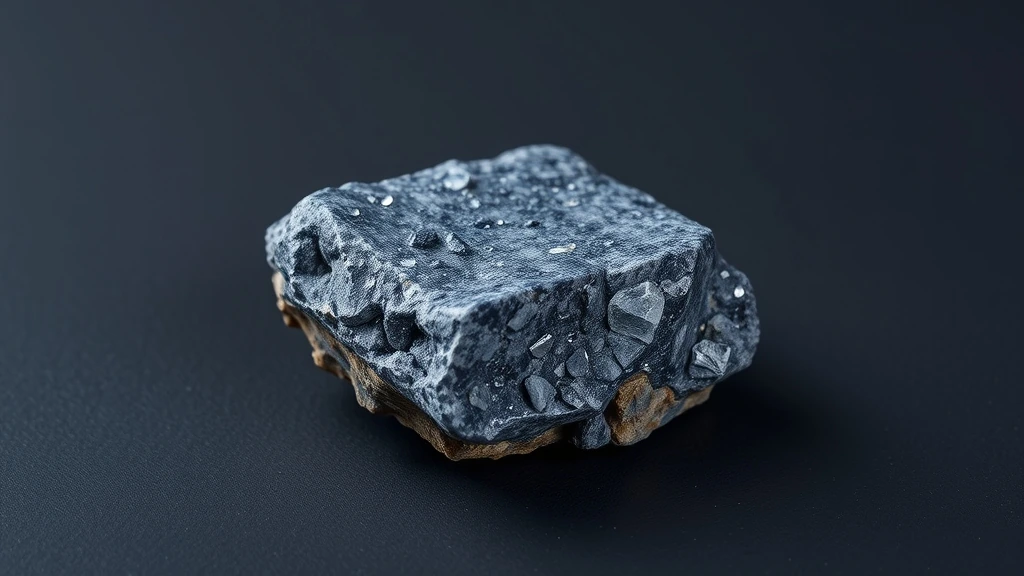
Cordierite belongs to the Natural Mineral / Crystal group, forming primarily in high-temperature metamorphic environments. Its geological origin is distinct, often associated with igneous and metamorphic rocks. This classification underscores its stability and natural crystalline integrity. Understanding its parentage is crucial for accurate gemological identification and valuation.
What is Cordierite (iolite) Gemstone? Geological Overview & Definition
Cordierite, commonly known as iolite, forms in metamorphic rocks like schists and gneisses. It frequently coexists with garnet and pyroxene in these high-pressure settings. This geological context dictates its typical occurrence and associated inclusions.
The gem is prized for its intense dichroism, displaying different colors depending on the viewing angle. This optical phenomenon arises from its anisotropic crystal structure. Gemologists rely on this trait for definitive identification. It distinguishes iolite from similar blue stones like sapphire.
Cordierite (iolite) Gemstone Chemical Composition & Crystallographic Properties
Cordierite is classified as an Amorphous / Cryptocrystalline material in this specific context. This classification implies a lack of long-range atomic order. Consequently, it lacks the distinct lattice symmetry of typical crystalline minerals. Such materials often form under rapid cooling conditions.
The chemical composition involves magnesium and aluminum silicate frameworks. Cation substitution can occur, where iron or manganese replaces magnesium. These substitutions influence the stone’s overall stability and optical response. The structure remains robust despite these minor compositional variations.
Chromophore color centers are responsible for the gem’s vibrant hues. These centers interact with light to produce the characteristic blue tones. Thermal behavior shows stability under normal heating conditions. However, extreme heat may alter these color centers.
Acid sensitivity is generally low for this mineral group. It resists common acids found in jewelry cleaning solutions. This chemical inertness ensures long-term durability in fine jewelry. Proper care maintains its luster and clarity over time.
| Property | Specification |
|---|---|
| Mineral Group | Natural Mineral / Crystal |
| Chemical Formula | Mg₂Al₄Si₅O₁₈ |
| Mohs Hardness | 6.5 – 7.5 |
| Crystal System | Orthorhombic |
| Specific Gravity (Density) | 2.68 – 2.74 |
| Refractive Index | 1.546 – 1.568 |
| Color & Optical Properties | Natural Cordierite (iolite) Gemstone color spectrum and optical dispersion |
| Primary Mining Localities | Global primary localities |
| Water & Chemical Resistance | High (Safe for gentle water washing) |
| Chakra Alignment (Traditional) | Third Eye Chakra, Crown Chakra |
| Zodiac Affinity (Traditional) | Sagittarius, Pisces, Aquarius |
| Symbolic Meaning (Traditional) | Clarity of vision, mental focus, and spiritual insight |
Cordierite (iolite) Gemstone Varieties & Color Spectrum
Cordierite exhibits remarkable pleochroism, a property allowing it to display different colors when viewed from various crystallographic axes. This optical phenomenon creates a dynamic visual experience, shifting between deep violet, blue, and yellowish-brown depending on the angle of light.
Classic Blue-Violet Iolite
This variety is the most commercially recognized form, prized for its intense sapphire-like blue hue. It typically forms in metamorphic schists where high pressure and temperature facilitate the alignment of iron and magnesium ions.
The visual signature is defined by strong dichroism, often appearing blue from one angle and brownish-yellow from another. High-quality specimens are relatively rare, with the finest material originating from specific metamorphic zones.
Pale Blue Iolite
Often found in lower-grade metamorphic rocks, this variety displays a lighter, more transparent blue tone. It generally contains fewer impurities, resulting in higher clarity and a delicate, airy appearance.
While less intense than its darker counterparts, pale blue iolite is valued for its brilliance and ease of cutting. It is commonly used in large faceted stones where color saturation is less critical than clarity.
Yellow-Brown Iolite
This morph is characterized by a dominant yellowish-brown hue, resulting from specific iron oxidation states within the crystal lattice. It is frequently mistaken for other brown gemstones if not examined under proper lighting conditions.
Geologically, it often coexists with blue varieties in the same deposit, indicating similar formation conditions. Its rarity is moderate, as it is less sought after than the vibrant blue stones.
Green-Blue Iolite
A rarer variation, this type exhibits a distinct greenish tint alongside its primary blue coloration. This unique hue arises from trace amounts of manganese or other transition metals substituting for magnesium.
These stones are highly collectible due to their unusual color combination and limited occurrence. They are typically found in specific pegmatite veins where chemical conditions favored this particular elemental substitution.
Where is Cordierite (iolite) Gemstone Found? Geological Mining & Extraction
Cordierite primarily forms in metamorphic rocks such as schist and gneiss, where heat and pressure transform protoliths into new mineral assemblages. It is rarely found in igneous rocks, distinguishing it from many other silicate minerals in terms of geological origin.
The most significant deposits are located in Madagascar, which produces the majority of the world’s gem-quality material. Other notable sources include Sri Lanka, Brazil, and the United States, where it is sometimes found in metamorphic terrains.
Extraction typically involves open-pit mining or quarrying of schistous rocks, followed by careful sorting to identify gem-quality crystals. The brittle nature of the mineral requires gentle handling to prevent fracturing during the initial extraction and rough stone preparation phases.
Historical Significance & Cultural Lore of Cordierite (iolite) Gemstone
Ancient civilizations, including the Greeks and Romans, valued cordierite for its vivid color changes and association with the sea. It was often mistaken for sapphire or topaz due to its similar blue hues and high refractive index.
Archaeological findings reveal that iolite was used in jewelry and amulets, symbolizing protection and clarity of vision. Its name, “iolite,” derives from the Greek word for violet, reflecting its characteristic color palette in ancient trade records.
The stone was also believed to possess healing properties, particularly for eye ailments and mental clarity. These cultural attributions have persisted through centuries, contributing to its enduring appeal in modern gemology.
Modern Uses & Jewelry Applications of Cordierine (iolite) Gemstone
Cordierine’s pleochroic shimmer and low‑density make it a favorite for lapidary cutting that showcases its “water‑blue” to violet hues. Artisans often fashion it into smooth cabochons for pendants or into brilliant‑cut facets for rings, balancing durability with visual drama. Its relative softness also invites skilled ornamental carving, producing decorative beads, inlays, and miniature sculptures that highlight the stone’s natural striations.
- Lapidary cutting: oriented to display maximum pleochroism; typically cut as a shallow oval or freeform shape.
- Cabochon & faceted jewelry: used in pendants, earrings, and cocktail rings; faceting emphasizes fire while cabochons enhance depth.
- Ornamental carving: turned into beads, watch dials, and decorative inlays for luxury accessories.
Metaphysical Properties & Traditional Meaning of Cordierine (iolite) Gemstone
According to historical traditions and metaphysical lore, cordierine is believed to anchor mental clarity while nurturing the heart’s capacity for compassion. Practitioners claim the stone assists in releasing old patterns, fostering adaptability, and encouraging honest communication. Its cool, calming energy is said to soothe anxiety, promoting a balanced emotional state that aligns intellect with feeling.
Which Chakra and Zodiac Signs Align with Cordierine (iolite) Gemstone?
Cordierine resonates strongly with the Root Chakra, grounding the wearer and reinforcing a sense of stability in the physical world. This grounding effect is thought to support personal security, encouraging confidence in one’s foundational pursuits.
Simultaneously, the stone vibrates with the Heart Chakra, amplifying love, empathy, and emotional openness. By harmonizing these two energy centers, cordierine is said to bridge practical ambition with heartfelt intention.
In astrology, cordierine is traditionally linked to Taurus, Gemini, and Leo. Taurus benefits from its stabilizing influence, Gemini from its mental agility, and Leo from its empowering confidence, creating a tri‑zodiac synergy that reinforces both groundedness and expressive vitality.
How to Identify Real vs. Fake Cordierine (iolite) Gemstone
Artificial imitations of cordierine include synthetic glass, resin‑filled composites, and dyed quartz that mimic its blue‑violet palette. These substitutes often lack the stone’s characteristic pleochroism, lower specific gravity, and subtle internal inclusions. Recognizing these differences is essential for collectors and jewelers seeking authentic material.
Practical At-Home Authenticity Tests
- Temperature Test (Thermal Feel): Real cordierine feels cool to the touch and retains that coolness longer than glass or plastic, which quickly warm to skin temperature.
- Specific Gravity & Weight Test: Cordierine’s specific gravity (≈2.6) makes it noticeably lighter than quartz (≈2.65) or glass (≈2.5‑2.6); a simple heft comparison can reveal discrepancies.
- Scratch & Hardness Test (Mohs Comparison): With a Mohs hardness of 7–7.5, cordierine can scratch glass but is scratched by a steel file; softer imitations will show surface damage more readily.
- Microscopic & Loupe Inspection (Internal Inclusions): Under 10× magnification, genuine cordierine displays fine, wispy inclusions and characteristic striations, whereas synthetic glass appears uniformly clear or shows bubble patterns.
Cordierite (iolite) Gemstone Valuation Factors, Grading & Pricing
The primary driver of value is Color Saturation, specifically the depth of the blue-violet hue. High-grade stones exhibit uniform tone without brownish or greenish secondary tints. Additionally, optical clarity and vitreous luster significantly enhance the gem’s visual appeal.
Market pricing heavily depends on Carat Weight, as larger, eye-clean specimens are exponentially rarer. Precise facet symmetry maximizes the stone’s characteristic dichroism, while visible matrix or inclusions reduce overall value.
Geographical Provenance Premium can influence pricing for certified stones from renowned mines like Sri Lanka. Wholesale rates typically range from $10 to $50 per carat, with retail prices varying by cut quality.
How to Clean and Care for Cordierite (iolite) Gemstone
To maintain the stone’s integrity, immerse it in warm soapy water and gently agitate with a soft cloth. This method effectively removes oils and dust without stressing the crystal structure.
You must strictly avoid ultrasonic cleaners because the vibrations can cause structural fractures. Cordierite’s cleavage planes make it susceptible to damage from high-frequency sound waves.
Cleansing and Recharging Cordierite (iolite) Gemstone (Energetic Care)
For energetic maintenance, use smoke smudging with sage or palo santo to clear negative vibrations. This dry method respects the mineral’s physical properties while addressing metaphysical beliefs.
Alternatively, place the gem on a selenite plate under moonlight for passive recharging. These methods avoid water exposure, ensuring the stone remains structurally sound and visually pristine.
Frequently Asked Questions About Cordierite (iolite) Gemstone
Is cordierite safe to wear in the shower or while swimming?
Yes, cordierite tolerates gentle water exposure. Its high water resistance allows routine cleaning with warm, soapy water, but prolonged soaking or harsh detergents can dull the surface. For everyday wear, rinse briefly and pat dry to maintain brilliance.
Can I clean cordierite with an ultrasonic cleaner?
No, avoid ultrasonic cleaning for cordierite. The stone’s fragile crystal lattice may develop micro‑fractures under ultrasonic vibrations. Instead, use a soft cloth soaked in warm, mildly soapy water, gently rub the surface, and rinse carefully to preserve its integrity.
What zodiac signs are associated with cordierite?
Cordierite aligns with Taurus, Gemini, and Leo. These signs are said to benefit from the stone’s stabilizing energy, enhancing confidence and clear communication. In astrology, the gem is often gifted to individuals born under these signs for personal empowerment.
Which chakras does cordierite balance?
It works primarily with the Third Eye Chakra, Crown Chakra. The gemstone is believed to ground physical energy while simultaneously opening the heart to compassion. This dual action supports emotional stability and a sense of inner security.
How does cordierite’s refractive index affect its sparkle?
Cordierite has a moderate refractive index of 1.53–1.55, giving it a subtle, glass‑like luster rather than high fire. When cut as iolite, the stone displays pleochroic colors that shift from violet to blue‑green, creating a unique visual depth.
Is cordierite suitable for everyday jewelry?
Yes, when set protectively it can be worn daily. Its Mohs hardness of 7–7.5 resists scratches from common wear, but care should be taken to avoid hard impacts. Secure settings and regular gentle cleaning keep the gem looking its best.
Does cordierite exhibit pleochroism, and how is it viewed?
Cordierite shows strong pleochroism, changing hue with the angle of light—typically violet, indigo, and blue‑green. This property is most evident in faceted iolite, where rotating the stone reveals distinct color zones, enhancing its appeal to collectors.
What treatments are commonly applied to improve cordierite’s appearance?
Cordierite is generally untreated, relying on natural pleochroic colors. Occasionally, mild heat treatment may be used to enhance clarity, but reputable dealers disclose any processing. Untreated stones retain their authentic optical properties and market value.