
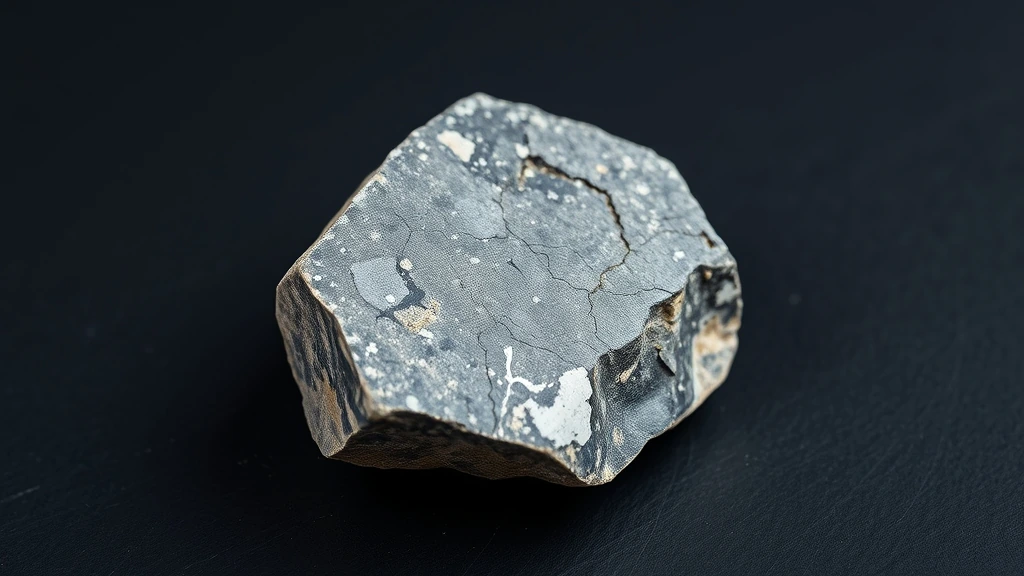
Gneiss is classified as a natural mineral that forms through high‑grade metamorphism of sedimentary or igneous precursors, resulting in a banded, foliated rock. Though often mistaken for a single crystal, it belongs to the Amorphous / Cryptocrystalline family, where microscopic quartz grains are tightly interlocked without long‑range order. This dual identity gives gneiss its distinctive texture and makes it a favored material for both architectural cladding and metaphysical practices.
What is Gneiss Gemstone? Geological Overview & Definition
Gneiss gemstone originates from metamorphic gneiss, a rock characterized by alternating light and dark mineral layers that develop under intense pressure and temperature. The gemstone portion is typically harvested from the lighter quartz‑rich bands, which are prized for their translucency and subtle sheen.
In gemological terms, gneiss is considered a cryptocrystalline aggregate, meaning its constituent quartz crystals are too fine to be resolved even under high magnification. This structure imparts a smooth, sometimes waxy luster that distinguishes it from coarse‑grained quartz varieties.
Gneiss Gemstone Chemical Composition & Crystallographic Properties
The primary chemical constituents of gneiss gemstone are plagioclase feldspar, quartz, muscovite, biotite, garnet, and amphibole, forming a composite rock rather than a single mineral species, but its foliated nature prevents the formation of a uniform, isotropic structure. Instead, the material consists of interlocking mineral grains that create a banded network, classifying it as a metamorphic rock.
Because the structure lacks long‑range order, cation substitution is limited; trace amounts of Al³⁺, Fe²⁺, and Ti⁴⁺ may occupy interstitial sites, subtly influencing color and density. These minor impurities act as chromophore color centers, producing the stone’s characteristic gray to milky hues.
Gneiss is relatively acid‑sensitive; prolonged exposure to strong acids can dissolve surface silica, leading to pitting or loss of polish. However, it remains stable under neutral pH conditions and resists most household chemicals.
Thermally, the gemstone exhibits low thermal expansion, expanding uniformly with heat and contracting without fracturing upon cooling. Rapid temperature changes can induce micro‑cracking due to differential stress within the cryptocrystalline matrix, so gradual heating and cooling are recommended during any treatment.
| Property | Specification |
|---|---|
| Mineral Group | Natural Mineral / Crystal |
| Chemical Formula | Composite rock: Plagioclase feldspar, quartz, muscovite, biotite, garnet, amphibole |
| Mohs Hardness | 5.5 – 7.0 |
| Crystal System | Composite (Polycrystalline) |
| Specific Gravity (Density) | 2.60 – 3.00 |
| Refractive Index | 1.54 – 1.75 |
| Color & Optical Properties | Natural Gneiss Gemstone color spectrum and optical dispersion |
| Primary Mining Localities | Global primary localities |
| Water & Chemical Resistance | High (Safe for gentle water washing) |
| Chakra Alignment (Traditional) | Root Chakra |
| Zodiac Affinity (Traditional) | Taurus, Virgo, Capricorn |
| Symbolic Meaning (Traditional) | Grounding, stability, and ancient wisdom |
Gneiss Gemstone Varieties & Color Spectrum
Gneiss is not a single mineral but a coarse-grained metamorphic rock composed of alternating light and dark bands. This distinctive foliation pattern results from intense heat and pressure deep within the Earth’s crust. Collectors prize these rocks for their unique visual texture rather than gemstone clarity.
Biotite Gneiss
This variety features prominent black mica flakes set against a matrix of quartz and feldspar. The biotite creates a striking contrast that enhances the stone’s visual depth and appeal. It is commonly found in high-grade metamorphic zones worldwide.
Muscovite Gneiss
Characterized by silvery-white mica layers, this type offers a brighter, more reflective aesthetic. The muscovite sheets catch light differently than darker counterparts, creating a shimmering effect. It is often associated with granitic parent rocks.
Garnet Gneiss
Rich in red or pink garnet crystals, this variety adds vibrant color to the standard grey palette. The garnet inclusions indicate specific pressure conditions during metamorphism. High-quality specimens with large, clear garnets are highly sought after.
Amphibole Gneiss
Distinguished by greenish-black hornblende bands, this type provides an earthy, forest-like appearance. The amphibole minerals contribute to the rock’s durability and distinctive green hues. It is frequently found in continental collision zones.
Where is Gneiss Gemstone Found? Geological Mining & Extraction
Gneiss forms in deep metamorphic zones where sedimentary or igneous rocks undergo extreme transformation. These deposits are typically located in ancient cratons and stable continental shields. Mining involves large-scale extraction rather than small-scale gemstone digging.
Major sources include the Canadian Shield, the Fennoscandian Shield, and parts of Africa. These regions expose ancient rock layers ideal for collecting decorative gneiss slabs. Commercial extraction focuses on architectural and ornamental stone markets.
Historical Significance & Cultural Lore of Gneiss Gemstone
Ancient civilizations utilized gneiss for monumental architecture and ceremonial objects due to its durability. Its banded appearance was often interpreted as a symbol of cosmic order and stability. Artifacts from Neolithic sites show early use of polished gneiss tools.
In modern metaphysical practices, gneiss is associated with the Root Chakra and grounding energies. It is believed to offer stability and ancient wisdom to its users. This connection to earthiness reinforces its role in spiritual practices today.
Modern Uses & Jewelry Applications of Gneiss Gemstone
Gneiss is prized by lapidaries for its striking banded texture, which lends itself to both cabochon and faceted settings. Artisans often slice the stone into thin slabs to showcase its natural layers, then polish it to a high sheen for contemporary rings, pendants, and earrings. In addition, skilled carvers create ornamental objects—such as decorative boxes, paperweights, and architectural inlays—where the stone’s visual depth adds a sense of timeless elegance.
- Cabochon cuts emphasize the stone’s swirling bands and are popular in brooches and cufflinks.
- Faceted cuts highlight light play, making gneiss suitable for statement rings and cocktail necklaces.
- Ornamental carving utilizes larger blocks for wall panels, tabletops, and ceremonial artifacts.
Metaphysical Uses & Origins of Gneiss
According to historical traditions and metaphysical lore, gneiss embodies grounding energy that anchors the wearer to the Earth’s core. Its layered structure is thought to symbolize stability, encouraging perseverance during periods of change, while the mineral’s ancient origins invoke a sense of wisdom passed down through ages. Practitioners report that holding gneiss can soothe anxiety, foster confidence, and deepen one’s connection to personal roots.
Which Chakra and Zodiac Signs Align with Gneiss Gemstone?
Gneiss resonates most strongly with the Root Chakra, the energetic center governing survival, security, and physical vitality. When placed on the base of the spine, the stone is believed to reinforce a solid foundation, helping individuals feel more centered and protected in daily life.
Astrologically, gneiss aligns exclusively with the earth‑signs Taurus, Virgo, and Capricorn. These signs share a natural affinity for practicality, endurance, and methodical progress—qualities that mirror the stone’s steadfast, layered character. Wearing gneiss during key planetary transits is said to amplify these innate strengths.
How to Identify Real vs. Fake Gneiss Gemstone
Artificial imitations of gneiss include dyed quartz, synthetic glass, and resin composites that mimic its banded appearance but lack the mineral’s true density and refractive qualities. These substitutes often display overly uniform colors or a glossy surface that feels plastic rather than stone. Recognizing authentic gneiss requires a combination of visual scrutiny and simple physical tests.
Practical At-Home Authenticity Tests
- Temperature Test (Thermal Feel): Natural gneiss absorbs heat slowly; it feels cool to the touch even after handling, whereas glass or resin warms quickly.
- Specific Gravity & Weight Test: Gneiss is relatively heavy for its size (specific gravity ~2.6–2.8); a genuine piece will feel noticeably denser than a synthetic look‑alike.
- Scratch & Hardness Test (Mohs Comparison): With a hardness of 6–7, gneiss can scratch glass but is scratched by a steel file; use a copper coin (hardness 3) to see if it leaves a mark—real gneiss will resist.
- Microscopic & Loupe Inspection (Internal Inclusions): Under 10× magnification, authentic gneiss shows irregular mineral grains and subtle fissures, while fakes often exhibit bubbles, uniform patterns, or a lack of natural inclusions.
Gneiss Gemstone Valuation Factors, Grading & Pricing
Market value hinges primarily on Color Saturation and tone uniformity across the stone’s surface. High-grade specimens exhibit deep, consistent hues without mottled or patchy discoloration. Additionally, optical clarity and a distinct luster significantly enhance the gemstone’s visual appeal and desirability among collectors.
The Carat Weight of the piece directly influences its overall market price and rarity. Precise facet symmetry is crucial for maximizing light reflection and structural integrity in cut pieces. The presence of a clean matrix with minimal intrusive inclusions further elevates the specimen’s grade and potential value.
Geographical Provenance Premium often dictates pricing for rare or historically significant gneiss formations. Wholesale costs typically remain lower than retail prices, which include markup for curation and expertise. Current market trends show steady demand for well-documented, high-quality specimens from established mining regions.
How to Clean and Care for Gneiss Gemstone
To maintain the stone’s integrity, always use warm soapy water and a soft cloth for gentle cleaning. This method effectively removes surface dust and oils without risking damage to the mineral structure. It is essential to avoid ultrasonic cleaners to prevent structural fractures within the rock.
Cleansing and Recharging Gneiss Gemstone (Energetic Care)
For energetic maintenance, utilize safe dry methods that respect the stone’s physical stability. Smoke smudging with sage or palo santo is an effective way to clear stagnant energy. This process requires no water contact, ensuring the mineral remains completely dry and undamaged.
Alternatively, place the gneiss on a selenite plate or under moonlight for recharging. These passive techniques allow the stone to absorb positive vibrations without physical stress. Always ensure the environment is dry to preserve the gemstone’s long-term structural health.
Frequently Asked Questions About Gneiss Gemstone
Is gneiss safe to wear in the shower?
Yes, gneiss is highly water-resistant and safe for gentle water washing. The stone’s robust structure allows it to withstand occasional exposure to water without degradation. However, avoid prolonged soaking to maintain the integrity of any surface treatments. Always dry the piece thoroughly after showering to prevent mineral spotting.
Can I clean gneiss in an ultrasonic cleaner?
No, you should avoid ultrasonic cleaners to prevent structural fractures. Instead, use warm soapy water and a soft cloth for safe maintenance. The stone’s foliated texture can harbor dust, requiring gentle manual scrubbing. Harsh vibrations may exploit natural cleavage planes, leading to irreversible damage over time.
Which zodiac signs are compatible with gneiss?
Gneiss is energetically aligned with Taurus, Virgo, and Capricorn. These earth signs resonate with the stone’s inherent stability and grounding properties. Wearing gneiss can enhance their natural connection to physical well-being. This alignment supports a sense of security and rootedness in daily life.
What chakra does gneiss activate?
Gneiss primarily activates the Root Chakra, promoting a deep sense of security. This energy center governs survival, stability, and physical grounding. The stone’s ancient formation mirrors the earth’s foundational strength. It helps users feel anchored and connected to their physical environment.
Is gneiss a true gemstone or a rock?
Gneiss is a metamorphic rock, not a traditional gemstone. It forms under extreme heat and pressure, creating distinct banding patterns. While not cut like quartz, its aesthetic value is significant. Collectors prize it for its geological history and unique visual texture.
What is the chemical composition of gneiss?
Gneiss is a complex foliated metamorphic rock consisting of multiple silicate phases. It typically contains plagioclase feldspar, quartz, muscovite, biotite, garnet, and amphibole in varying proportions. The specific mineralogy depends on the original source rock. Understanding this composition is crucial for proper identification and care.
How should I store my gneiss jewelry?
Store gneiss in a soft pouch or separate compartment. This prevents scratches from harder gemstones or metal clasps. The stone’s surface can be sensitive to abrasive contact. Proper storage ensures the preservation of its natural luster and structural integrity.
Does gneiss have any metaphysical benefits?
Gneiss is associated with grounding, stability, and ancient wisdom. It is believed to enhance mental clarity and emotional balance. Users often report feeling more centered and resilient. These properties make it a popular choice for meditation and stress relief practices.