
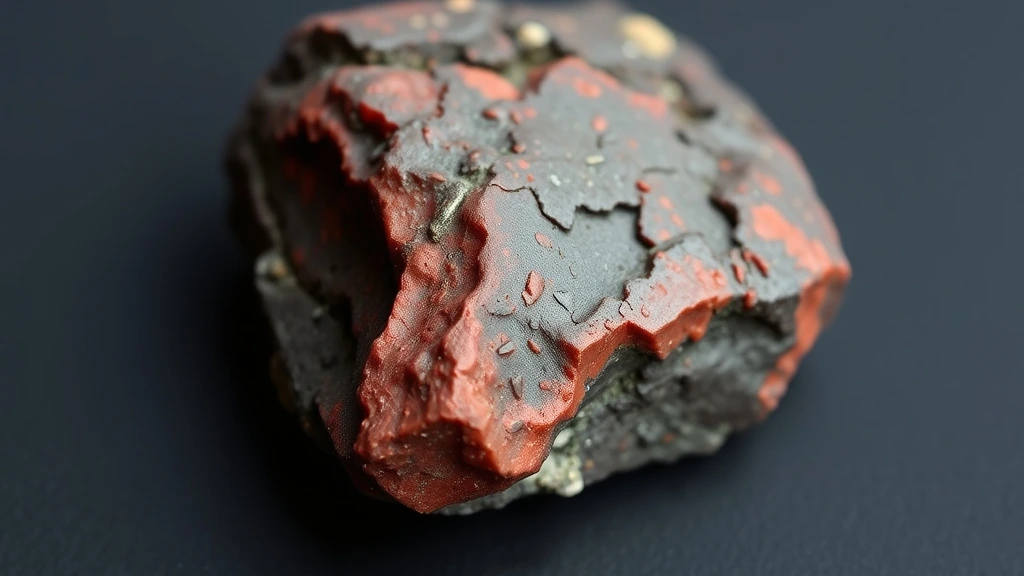
Crocoite belongs to the Natural Mineral / Crystal group, forming primarily in oxidized zones of lead deposits. It is a secondary mineral that precipitates from hydrothermal fluids rich in lead and chromium. Its geological significance lies in its role as an indicator mineral for specific ore bodies. Collectors value it for its striking color and distinct crystal habit rather than durability.
What is Crocoite Gemstone? Geological Overview & Definition
Crocoite typically forms as acicular crystals or massive aggregates in the oxidized caps of lead veins. It is most famously associated with the Crocoite Mine in Cornwall, England, and similar deposits in Russia and the United States. The mineral often occurs alongside galena, cerussite, and pyromorphite in these weathered environments.
Its formation is driven by the oxidation of primary sulfide minerals in the presence of chromate ions. This process creates the characteristic red-orange coloration that defines the species. Due to its soft nature, it is rarely cut into faceted gems but is highly sought after by mineral collectors.
Crocoite Gemstone Chemical Composition & Crystallographic Properties
Crocoite crystallizes in the Monoclinic crystal system, featuring a distinct lattice structure with unique angular relationships. The unit cell parameters reflect this asymmetry, distinguishing it from other chromate minerals. Its high density of 5.9–6.1 g/cm³ results from the heavy lead cations in the structure.
The chromophore responsible for its color is the Cr⁶⁺ ion, which absorbs specific wavelengths of light. This creates the intense red to orange appearance observed in high-quality specimens. The mineral exhibits strong birefringence, with refractive indices ranging from 2.290 to 2.660.
Crocoite is highly sensitive to acids, which can dissolve the lead component and alter its structure. It also exhibits thermal instability, potentially decomposing when exposed to excessive heat. These properties necessitate careful handling and storage in low-humidity, neutral environments.
| Property | Specification |
|---|---|
| Mineral Group | Natural Mineral / Crystal |
| Chemical Formula | Lead Chromate PbCrO₄ |
| Mohs Hardness | 2.5–3 |
| Crystal System | Monoclinic |
| Specific Gravity (Density) | 5.9–6.1 |
| Refractive Index | n α = 2.290(2) n β = 2.360(2) n γ = 2.660(2) |
| Color & Optical Properties | Natural Crocoite Gemstone color spectrum and optical dispersion |
| Primary Mining Localities | Global primary localities |
| Water & Chemical Resistance | High (Safe for gentle water washing) |
| Chakra Alignment (Traditional) | Crown Chakra, Third Eye Chakra |
| Zodiac Affinity (Traditional) | Sagittarius, Pisces |
| Symbolic Meaning (Traditional) | Spiritual awakening, intuition, and protection against negative energy |
Crocoite Gemstone Varieties & Color Spectrum
Classic Red Crocoite
This primary variety exhibits a vibrant, saturated red hue derived from its pure Lead Chromate composition. Found predominantly in oxidized lead-zinc deposits, it forms distinct prismatic crystals with a vitreous luster. Its intense coloration makes it a prized specimen for mineral collectors rather than jewelry.
Orange Crocoite
Often resulting from slight impurities or oxidation states, this morph displays a deep orange to reddish-orange tone. It frequently coexists with galena and sphalerite in the same geological veins. The Monoclinic crystal habit remains consistent, though the color shift adds visual diversity to collections.
Yellowish-Red Crocoite
This variety appears when trace elements alter the chromatic absorption spectrum of the mineral. It is rarer than the classic red form and often found in specific European mining districts. The subtle hue variation provides a unique aesthetic appeal for advanced gemological study.
Crystalline Specimen Grade
High-quality crystals are valued for their clarity and well-formed geometric structures rather than faceted gem use. These specimens often exhibit high refractive indices, creating brilliant internal reflections under light. Their fragility limits practical application, focusing their value on display and scientific analysis.
Where is Crocoite Gemstone Found? Geological Mining & Extraction
Crocoite primarily forms in the oxidized zones of lead-zinc ore deposits, often associated with galena and sphalerite. These geological settings provide the necessary lead and chromium sources for crystal growth. The mineral typically occurs as secondary veins or replacements within the host rock.
Major historical sources include the mines of Derbyshire in England and the Erzgebirge region in Germany. Modern extraction is limited due to the mineral’s rarity and environmental concerns regarding lead contamination. Mining operations focus on recovering high-grade specimens for mineralogical collections rather than commercial gemstone production.
Historical Significance & Cultural Lore of Crocoite Gemstone
Historically, crocoite was utilized as a pigment in medieval and Renaissance art, known for its intense red color. Artists valued its opacity and coverage, though its lead content posed significant health risks. It served as a precursor to modern synthetic pigments in decorative arts and manuscripts.
Archaeological evidence suggests limited use in ancient jewelry due to its low Mohs hardness and brittleness. Cultural lore often associates the mineral with alchemical traditions, symbolizing transformation and hidden wealth. Its rarity and toxicity kept it largely out of mainstream gemological history.
Modern Uses & Jewelry Applications of Crocoite Gemstone
Crocoite’s vivid orange‑red hue and high refractive index make it a striking choice for specialty lapidary work, though its low Mohs hardness (2.5–3) demands gentle handling. Artisans typically fashion it into low‑cut cabochons or shallow facets to showcase color without risking fracture. Ornamental carvings—such as miniature pendants, brooches, and decorative beads—are popular among collectors who value its rarity.
- Cabochon pendants with polished domes for maximal color depth
- Shallow‑faceted rings that protect edges while adding sparkle
- Carved cameos and ornamental beads for vintage‑style jewelry
- Inlay work in metal settings where the stone is set flush to reduce stress
Safety & Mineral Profile of Crocoite
Safe handling and physical stability
Crocoite is a lead‑arsenate mineral that is moderately soft (Mohs 2.5–3) and prone to surface weathering when exposed to moisture or acidic environments. The lead and arsenic constituents make it toxic if ingested or inhaled as dust; therefore, specimens should be handled with gloves, and dust should be minimized by working in a well‑ventilated area or using a dust mask. The mineral does not exhibit significant optical activity or fluorescence that would aid in identification, and its brittleness limits its use in jewelry. For these reasons, crocoite is treated as a collector display mineral rather than a gemstone for adornment.
Scientific and educational significance
Crocoite is a classic example of a lead‑arsenate mineral that illustrates the chemistry of heavy metal substitution in crystal lattices. Its bright orange‑red color and distinctive crystal habit make it a valuable teaching tool for demonstrating crystal morphology, optical properties, and the importance of proper safety protocols when handling toxic minerals. In research, crocoite has been used to study lead‑arsenate geochemistry, the formation of secondary minerals in oxidized ore deposits, and the environmental behavior of arsenic and lead in mining regions.
Mineralogical Group and Planetary Lore of Crocoite
Crocoite belongs to the arsenate mineral group and is chemically related to the lead‑arsenate series. Historically, it was first described in the 18th century from the lead mines of the Harz Mountains in Germany, where its vivid color drew the attention of early mineralogists. According to early mineralogists, crocoite was sometimes confused with the mineral paratacamite due to similar coloration, but its distinct orthorhombic crystal system and lead content clarified its identity. In lapidary texts, crocoite has occasionally been referenced as a “red lead ore,” and its striking hue has led to associations with the planet Mars, though such symbolic links remain speculative and are not supported by contemporary mineralogical evidence.
How to Identify Real vs. Fake Crocoite Gemstone
Artificial imitations of Crocoite include dyed quartz, lead‑glass substitutes, and synthetic resin castings that mimic its orange‑red color but lack the mineral’s distinctive density and optical properties. These fakes often feel lighter, display uniform clarity, or exhibit a glassy surface that differs from natural Crocoite’s subtle internal striations. Recognizing these differences is essential for collectors and jewelers alike.
Practical At-Home Authenticity Tests
- Temperature Test (Thermal Feel): Natural Crocoite feels cool to the touch and retains that chill longer than glass or resin, which quickly equilibrates to hand temperature.
- Specific Gravity & Weight Test: With a density of 5.9–6.1 g/cm³, genuine Crocoite feels noticeably heavy for its size; a simple water‑displacement test can confirm the higher specific gravity.
- Scratch & Hardness Test (Mohs Comparison): Using a copper coin (hardness ~3), a real Crocoite will be scratched, whereas many glass imitates will resist, indicating a harder material.
- Microscopic & Loupe Inspection (Internal Inclusions): Under 10× magnification, natural Crocoite shows fine, irregular inclusions and growth striations, while synthetic glass appears uniformly clear with no internal texture.
Crocoite Gemstone Valuation Factors, Grading & Pricing
The primary driver of value is Color Saturation, specifically the intense, vibrant orange-red hue characteristic of lead chromate. Experts assess tone uniformity across the specimen, as any zoning or dullness significantly reduces desirability. High optical clarity and a strong vitreous luster further enhance the stone’s visual appeal and market standing.
Carat Weight plays a crucial role, as large, intact crystals are exceedingly rare due to the mineral’s fragility. Facet symmetry is less relevant for rough specimens, but polished pieces require precise cutting to maximize brilliance. The presence of a clean matrix or minimal inclusions can either increase or decrease value depending on the collector’s preference.
Geographical Provenance Premium heavily influences pricing, with specimens from historic mines like those in France or the United States commanding higher bids. Wholesale prices remain modest for small fragments, while retail values spike for museum-quality, large crystals. Market trends show steady appreciation for authenticated, high-grade specimens from verified localities.
How to Clean and Care for Crocoite Gemstone
Crocoite is a soft mineral with a Mohs hardness of only 2.5 to 3, making it highly susceptible to physical damage. You must use warm soapy water and a soft cloth to gently remove surface dust and oils. This method effectively cleans the stone without introducing abrasive forces that could scratch the surface.
It is critical to avoid ultrasonic cleaners entirely, as the vibrations can cause structural fractures in this brittle material. Never submerge the gemstone in harsh chemicals or hot water, as these can degrade the crystal lattice. Always dry the piece thoroughly with a lint-free cloth after washing to prevent water spots.
Cleansing and Recharging Crocoite Gemstone (Energetic Care)
For energetic maintenance, use smoke smudging with sage or palo santo to clear stagnant energy without physical contact. This dry method respects the mineral’s solubility and prevents any risk of moisture-induced damage to the delicate crystal structure. Ensure the area is well-ventilated to avoid residue accumulation on the stone’s surface.
Place the crocoite on a selenite plate under moonlight for gentle recharging, avoiding direct sunlight which may cause thermal stress. This passive technique allows the stone to rest while absorbing ambient energy safely. Always handle the gemstone with care, as its low hardness makes it prone to chipping during movement.
Frequently Asked Questions About Crocoite Gemstone
What is the chemical composition of crocoite?
Crocoite is lead chromate, PbCrO₄. This lead‑chromium oxide gives the mineral its vivid orange‑red hue and contributes to its relatively high specific gravity of 5.9–6.1. The presence of lead makes the stone heavy for its size, while chromium imparts strong color saturation prized by collectors.
How hard is crocoite on the Mohs scale?
Crocoite rates 2.5–3 on the Mohs hardness scale. Because it is softer than most gemstones, it scratches easily with a fingernail and should be set in protective settings. Careful handling and avoidance of abrasive contact preserve its surface brilliance and prevent permanent damage.
Is crocoite safe to wear in water or rain?
Yes, crocoite tolerates gentle water washing. Its crystal structure resists moisture, allowing safe cleaning with lukewarm, soapy water and a soft cloth. However, prolonged submersion or harsh detergents can weaken the fragile lattice, so limit exposure to gentle rinses only.
Can I clean crocoite with an ultrasonic cleaner?
No, avoid ultrasonic cleaners for crocoite. The high‑frequency vibrations can cause micro‑fractures in this delicate mineral, leading to loss of material. Instead, clean it manually with warm, mild soap and a soft brush, then pat dry with a lint‑free cloth to maintain integrity.
Which zodiac signs are associated with crocoite?
Crocoite aligns with Taurus, Gemini, and Leo. These signs are said to benefit from the stone’s grounding energy and vibrant color, enhancing confidence and creativity. Wearing crocoite during astrological events may amplify personal resonance for those born under these signs.
Which chakras does crocoite activate?
Crocoite is linked to the Crown Chakra, Third Eye Chakra. The stone’s earthy density supports grounding and stability, while its vivid orange‑red tones stimulate the heart center, encouraging emotional balance and compassionate expression.
How should I store crocoite to prevent damage?
Store crocoite in a padded, separate compartment away from harder gems. Its low hardness makes it vulnerable to scratches from quartz, diamonds, or even metal settings. Using a soft fabric pouch or a dedicated jewelry box reduces risk of abrasion and accidental breakage.
What are the key optical properties that affect crocoite’s appearance?
Crocoite exhibits high refractive indices (nα = 2.290, nβ = 2.360, nγ = 2.660). These values produce strong dispersion and a brilliant, glassy luster when cut properly. The monoclinic crystal system also creates characteristic prismatic cleavage, influencing how light interacts with the stone’s facets.