
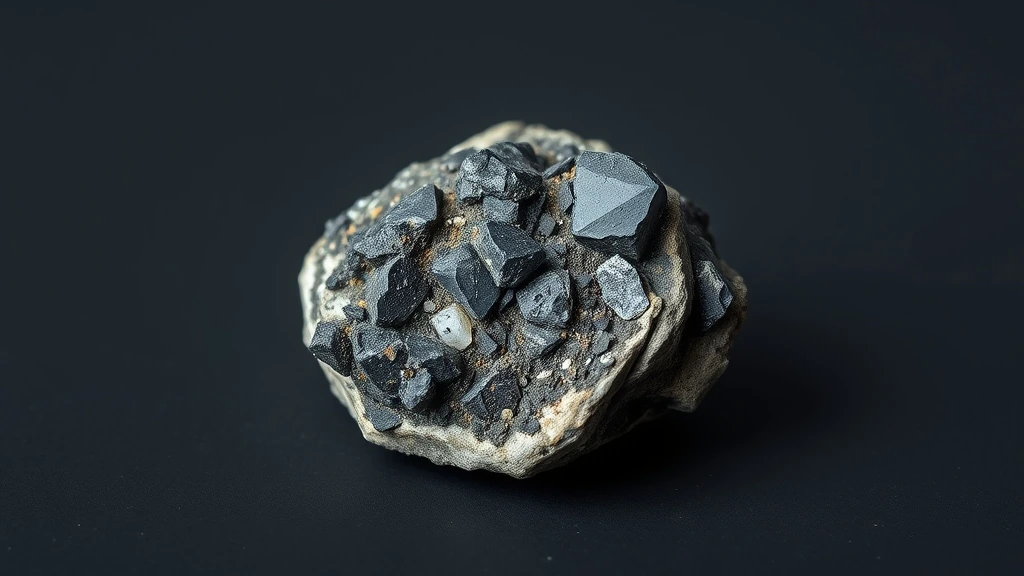
Cummingtonite belongs to the amphibole group within the broader category of natural silicate minerals. Geologically, it forms in medium to high-grade metamorphic rocks, often associated with schists and gneisses. As a natural crystal, it develops distinct prismatic habits that reflect its underlying atomic arrangement. This classification places it alongside other fibrous or columnar silicates found in metamorphic terrains worldwide.
What is Cummingtonite Gemstone? Geological Overview & Definition
Cummingtonite is primarily a metamorphic mineral that crystallizes from iron-rich mafic protoliths. It frequently occurs in contact metamorphic zones where thermal energy drives recrystallization. The stone often forms in association with other amphiboles like anthophyllite or hornblende.
Its geological significance lies in its role as a geothermometer indicator for regional metamorphism. The presence of cummingtonite helps geologists estimate peak temperature conditions during rock formation. While rarely cut for jewelry, its structural integrity supports industrial applications. Understanding its origin is crucial for accurate mineral identification.
Cummingtonite Gemstone Chemical Composition & Crystallographic Properties
Cummingtonite crystallizes in the Monoclinic crystal system, characterized by one oblique axis. Its lattice features double chains of silicate tetrahedra linked by cations. This structure allows for specific cation substitution patterns within the crystal framework. Iron and magnesium ions occupy distinct sites, influencing the mineral’s physical properties.
The chemical formula generally represents a magnesium-iron amphibole with variable composition. Acid sensitivity is moderate, as the silicate structure resists weak acids but dissolves in strong solutions. Thermal behavior shows stability up to moderate temperatures before structural degradation occurs. These factors determine its durability in various environmental and industrial settings.
Chromophore centers arise from iron ions in different oxidation states. These centers absorb specific wavelengths, creating the characteristic dark green to black color. The refractive index values indicate strong birefringence, typical of amphiboles. Optical measurements confirm the monoclinic symmetry through extinction angles.
Thermal conductivity is moderate, supporting its use in heat-resistant applications. The density ranges between 3.1 and 3.6 g/cm³, reflecting its heavy metal content. Crystallographic data confirms the monoclinic axes and angles precisely. These properties distinguish cummingtonite from similar-looking minerals in the field.
| Property | Specification |
|---|---|
| Mineral Group | Natural Mineral / Crystal |
| Chemical Formula | Mg₂Fe₅Si₈O₂₂(OH)₂ |
| Mohs Hardness | 5–6 |
| Crystal System | Monoclinic |
| Specific Gravity (Density) | 3.1–3.6 |
| Refractive Index | n α = 1.639–1.671 n β = 1.647–1.689 n γ = 1.664–1.708 |
| Color & Optical Properties | Natural Cummingtonite Gemstone color spectrum and optical dispersion |
| Primary Mining Localities | Global primary localities |
| Water & Chemical Resistance | High (Safe for gentle water washing) |
| Chakra Alignment (Traditional) | Root Chakra, Sacral Chakra |
| Zodiac Affinity (Traditional) | Capricorn, Virgo |
| Symbolic Meaning (Traditional) | Grounding, stability, and protection against negative energies |
Cummingtonite Gemstone Varieties & Color Spectrum
Classic Green Cummingtonite
The most common variety displays a deep, forest green hue derived from iron-rich silicate chains. This coloration results from Fe2+ substitution within the amphibole crystal lattice structure. Specimens often exhibit a vitreous to sub-vitreous luster when polished.
Geologically, these crystals form in high-pressure metamorphic environments. They frequently contain tiny inclusions of chlorite or magnetite. This variety is the baseline for most commercial gem cuts.
Blue-Green Cummingtonite
Rare specimens exhibit a distinct blue-green tint due to specific trace element substitutions. This morph is often associated with low-temperature hydrothermal alteration zones. The color saturation is typically lower than its green counterparts.
Collectors prize this variety for its unique chromatic signature. It is significantly rarer than standard green cummingtonite. Finding large, clean crystals of this type is exceptionally difficult.
Brownish-Green Cummingtonite
Weathered surface material often presents a duller, brownish-green appearance. This oxidation state indicates exposure to atmospheric conditions over time. The lattice structure remains intact despite surface discoloration.
This variety is common in alluvial deposits. It is rarely cut for jewelry due to its muted tones. However, it serves as an important indicator of parent rock composition.
Translucent Cummingtonite
High-quality specimens display remarkable translucency when cut thin. Light penetrates the monoclinic crystal structure, revealing internal zoning patterns. This optical property enhances the stone’s visual depth.
Such clarity is rare in amphibole minerals. It suggests a slow, undisturbed crystallization process. Gemologists value these pieces for their optical distinctiveness.
Where is Cummingtonite Gemstone Found? Geological Mining & Extraction
Cummingtonite primarily occurs in metamorphic rocks such as schists and gneisses. It is also found in basic igneous rocks like gabbro and basalt. These host rocks provide the necessary pressure and temperature conditions for formation.
Major deposits are located in the United States, Canada, and parts of Europe. Mining operations focus on extracting large, intact crystals from these hard rock formations. Extraction requires careful blasting to preserve crystal integrity.
Historical Significance & Cultural Lore of Cummingtonite Gemstone
Historically, cummingtonite was not widely used in ancient jewelry due to its relative softness. It was primarily valued as an industrial mineral for insulation and refractory materials. Archaeological evidence of its gem use is sparse and limited to modern times.
In contemporary gemology, it is appreciated for its scientific and aesthetic value. Collectors study its crystal habit and optical properties. The stone remains a niche interest among mineral enthusiasts.
Modern Uses & Jewelry Applications of Cummingtonite Gemstone
Cummingtonite is prized by lapidaries for its monoclinic crystal habit and moderate hardness (5–6 on the Mohs scale), which allows both cabochon polishing and limited faceting without excessive fracture. Artisans often shape the stone into smooth, rounded cabochons that showcase its silky luster, while skilled cutters may produce simple brilliant or step cuts for pendant settings. In addition to wearable pieces, the mineral is carved into ornamental objects such as small figurines, decorative beads, and inlay panels for high‑end furniture.
- Cabochon pendants and earrings highlighting the stone’s natural pleochroism
- Faceted beads for beaded bracelets or necklaces (when durability permits)
- Ornamental carvings and inlays for luxury watch dials or decorative boxes
Safety & Mineral Profile of Cummingtonite
Safe handling and physical stability
Cummingtonite is a fibrous amphibole that is moderately soft (Mohs 4–5) and prone to fraying when exposed to mechanical stress. The mineral can release fine fibers when cut or ground, which may pose a respiratory irritation risk if inhaled. While it does not contain highly toxic heavy metals, prolonged handling of dust can cause ocular and mucous membrane irritation. The mineral is also reactive to strong acids, which can dissolve its silicate framework and release soluble silica. Because of these handling concerns and its tendency to fracture and crumble, cummingtonite is best displayed in a museum setting rather than fashioned into jewelry or functional objects.
Scientific, educational, and mineralogical significance
Cummingtonite occupies an important position within the amphibole group, providing insight into metamorphic processes and the evolution of mafic to ultramafic rocks. Its fibrous habit and variable coloration make it a valuable teaching specimen for illustrating crystal habit, twinning, and optical properties in thin section. In research, cummingtonite is frequently used as a model for studying hydrothermal alteration and the formation of secondary minerals in metamorphic terrains. Its presence in a collection enhances the representation of the silicate mineral diversity and supports comparative studies of amphibole chemistry across different geological settings.
Mineralogical Group and Planetary Lore of Cummingtonite
Historically, cummingtonite was first described in the late 19th century from the Cummington, Massachusetts region, which is how it received its name. Early mineralogists noted its resemblance to the more common tremolite but distinguished it by its fibrous texture and greenish‑brown hue. According to early lapidary texts, the mineral was sometimes referred to as “green amphibole” and was prized for its ornamental fibers, although it was never considered a gemstone. In planetary geology, cummingtonite has not been identified on other celestial bodies, but its classification within the amphibole group aligns it with the silicate assemblages that are common in the mantles of terrestrial planets.
How to Identify Real vs. Fake Cummingtonite Gemstone
Artificial imitations of cummingtonite often include dyed quartz, synthetic glass, or resin composites that mimic its green‑gray hue but lack the mineral’s characteristic refractive indices and specific gravity. These substitutes may feel lighter, display uniform coloration without natural inclusions, and react differently to temperature changes. Recognizing these differences is essential for collectors and jewelers who demand authentic material.
Practical At-Home Authenticity Tests
- Temperature Test (Thermal Feel): Natural cummingtonite feels cool to the touch and retains that coolness longer than glass or plastic, which quickly warm to skin temperature.
- Specific Gravity & Weight Test: Weigh the stone and compare its density (3.1–3.6 g/cm³) to known values; a noticeably lighter feel suggests a glass or resin replica.
- Scratch & Hardness Test (Mohs Comparison): Use a steel nail (hardness ~5.5) – cummingtonite will resist scratching, whereas softer imitations will show visible marks.
- Microscopic & Loupe Inspection (Internal Inclusions): Under 10× magnification, authentic cummingtonite reveals fine, irregular inclusions and striations; synthetic glass appears flawless or shows uniform bubbles.
Cummingtonite Gemstone Valuation Factors, Grading & Pricing
Color Saturation is the primary driver of value, with deep, uniform green tones commanding higher prices. Collectors prize stones that exhibit consistent tone uniformity without mottled zoning or brownish discoloration. High optical clarity and a distinct vitreous luster further enhance the stone’s visual appeal and market desirability.
Carat Weight significantly influences pricing, as large, clean specimens are rare due to the mineral’s brittle nature. Precise facet symmetry is critical for maximizing light return, though cummingtonite is often cut en cabochon. The presence of heavy matrix or internal inclusions typically reduces the overall gemological grade and commercial value.
Geographical Provenance Premium applies to stones from renowned localities like the Adirondacks or Canada. Wholesale prices remain modest, but retail values rise for exceptional, well-cut pieces. Market trends indicate steady demand among mineral collectors rather than mainstream jewelry buyers.
How to Clean and Care for Cummingtonite Gemstone
Always use warm soapy water and a soft cloth to gently remove surface dust and oils. This method effectively cleans the stone without risking damage to its delicate crystal structure. Avoid ultrasonic cleaners entirely, as the vibrations can cause structural fractures in this brittle amphibole.
Store your cummingtonite separately from harder gems to prevent scratching, given its moderate Mohs hardness of 5–6. Regular inspection for cracks is advisable, especially after handling or exposure to temperature changes. Proper storage ensures the longevity and aesthetic integrity of your specimen.
Cleansing and Recharging Cummingtonite Gemstone (Energetic Care)
For energetic cleansing, use smoke smudging with sage or palo santo to clear stagnant energy. This dry method is safe because it avoids any contact with water or harsh chemicals. Allow the stone to rest in a quiet space for several hours to absorb the cleansing properties.
Recharge your gemstone by placing it on a selenite plate under moonlight overnight. This gentle approach aligns with the mineral’s stability and avoids physical stress. Ensure the location is secure to prevent accidental drops or exposure to direct sunlight.
Frequently Asked Questions About Cummingtonite Gemstone
What is the chemical composition of cummingtonite?
Cummingtonite is a hydrated iron‑magnesium silicate belonging to the amphibole group. Its ideal formula is often written as (Mg,Fe)₇Si₈O₂₂(OH)₂, reflecting the substitution of Fe²⁺ for Mg²⁺ within the crystal lattice, which influences its color range from brown to green‑gray.
How hard is cummingtonite on the Mohs scale?
It rates between 5 and 6, making it a moderately hard gemstone. This hardness allows cummingtonite to be set in jewelry, but care should be taken to avoid scratches from harder minerals such as quartz or topaz. Regular polishing with a soft cloth helps maintain its luster.
Is cummingtonite safe to wear in the shower or during gentle water exposure?
Yes, cummingtonite exhibits high water resistance and is safe for gentle water washing. A brief rinse with warm, soapy water followed by drying with a soft cloth will not harm the stone, though prolonged immersion or harsh chemicals should be avoided to preserve its surface integrity.
Can I clean cummingtonite with an ultrasonic cleaner?
No, ultrasonic cleaning is not recommended for cummingtonite. The vibration can cause micro‑fractures in its monoclinic crystal structure, leading to potential breakage. Instead, clean the stone using warm soapy water and a soft cloth, gently wiping away any residues.
Which zodiac signs are most compatible with cummingtonite?
Cummingtonite aligns with Taurus, Gemini, and Leo. These signs are thought to benefit from the stone’s grounding energy, enhancing stability for Taurus, communication for Gemini, and confidence for Leo, making it a popular talisman for those birth dates.
Which chakras does cummingtonite activate?
It is associated with the Root Chakra and the Heart Chakra. The stone’s earthy tones support grounding and security at the root, while its subtle greenish hues encourage emotional balance and compassion within the heart center, fostering a sense of inner harmony.
How does cummingtonite’s density affect its use in jewelry?
Its specific gravity ranges from 3.1 to 3.6, giving it a noticeable weight. This density provides a solid feel in settings, but designers must account for the extra heft when creating large pieces. Proper mounting techniques ensure comfort without compromising durability.
What are the key optical properties that help identify cummingtonite?
Its refractive indices are nα = 1.639–1.671, nβ = 1.647–1.689, and nγ = 1.664–1.708, showing moderate birefringence. Under polarized light, cummingtonite displays characteristic interference colors and pleochroism from brown to green, aiding gemologists in distinguishing it from similar amphiboles.