
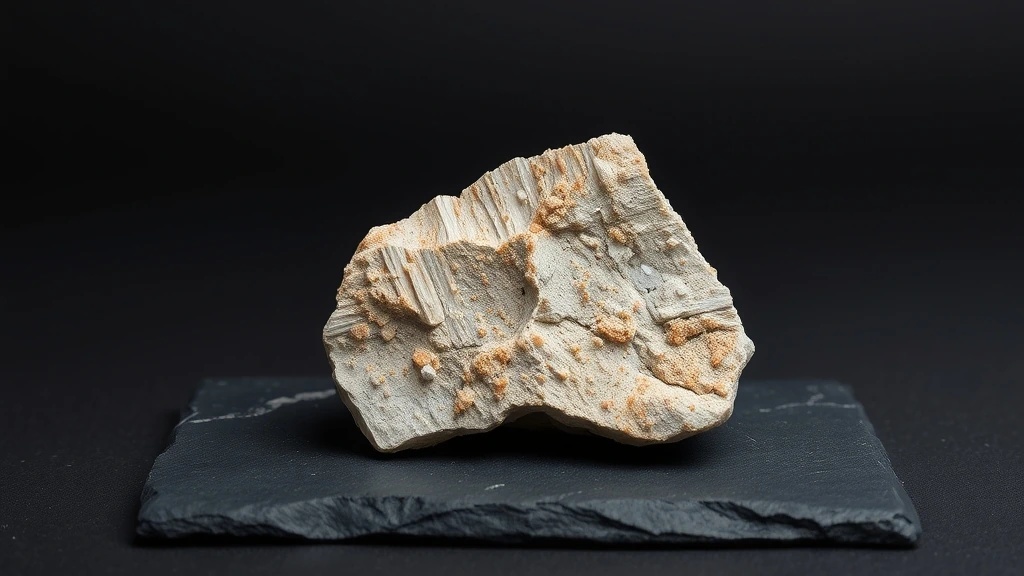
Geyserite belongs to the broad category of natural minerals and crystalline deposits, though it is technically an amorphous silica gel rather than a single‑crystal species. Its formation is linked to the rapid precipitation of silica‑rich hydrothermal fluids that cool and solidify around hot springs, geysers, and volcanic fumaroles. Because it lacks a defined lattice, it is classified as a mineraloid, yet its internal structure aligns with the trigonal symmetry of quartz, the parent mineral from which it derives. The material is prized by collectors for its delicate, porous texture and subtle banding that records ancient geothermal activity.
What is Geyserite? Geological Overview & Definition
Geyserite, often called “geyser silica” or “opaline sinter,” is an amorphous, hydrated silica deposit that coats the walls of active and extinct geysers. It forms when silica‑saturated water cools rapidly, precipitating a gel that later hardens into a porous, opaline mass. In comparative mineralogical collections, practitioners and geologists frequently study Green Opalized Wood alongside this crystal to appreciate their subtle energetic and structural differences.
Across ancient lapidary traditions, the material has been valued for its translucent, waxy luster and its ability to preserve fossilized microorganisms. Modern mineralogists recognize geyserite as a mineraloid rather than a true crystal, yet its microstructure mirrors the trigonal arrangement of quartz, the most abundant crystalline silica. In comparative mineralogical collections, practitioners and geologists frequently study Ethiopian Welo Opal alongside this crystal to appreciate their subtle energetic and structural differences.
Geyserite Chemical Composition & Crystallographic Properties
Although geyserite lacks a fixed stoichiometric formula, it consists primarily of SiO₂·nH₂O, a hydrated silica gel where water molecules occupy interstitial sites. The silica network is built from SiO₄ tetrahedra linked in a disordered fashion, producing an aggregate that approximates the trigonal symmetry of quartz on a microscopic scale.
Cation substitution is minimal, but trace amounts of Al³⁺, Fe³⁺, and Na⁺ can replace silicon within the tetrahedral framework, subtly influencing color and density. These impurities act as chromophore color centers, imparting the characteristic milky to amber tones observed in many specimens.
Geyserite is highly sensitive to acidic environments; exposure to dilute acids dissolves the silica gel, releasing silicic acid into solution. This reactivity distinguishes it from crystalline quartz, which resists chemical attack under similar conditions.
Thermally, geyserite dehydrates when heated above 150 °C, gradually losing bound water and transitioning toward a more ordered, microcrystalline quartz. Prolonged heating can induce devitrification, producing a denser, less porous silica that retains the original trigonal lattice orientation.
| Property | Specification |
|---|---|
| Mineral Group | Natural Mineral / Crystal |
| Mohs Hardness | 6.5 – 7.0 |
| Crystal System | Trigonal |
| Color & Optical Properties | Natural Geyserite color spectrum and optical dispersion |
| Primary Mining Localities | Global primary localities |
| Water & Chemical Resistance | High (Safe for gentle water washing) |
| Chakra Alignment (Traditional) | No traditional chakra associations |
| Zodiac Affinity (Traditional) | No traditional zodiac associations |
| Symbolic Meaning (Traditional) | Not recognized in traditional gemology or metaphysics; likely a modern commercial name or misidentification |
Geyserite Varieties & Color Spectrum
Geyserite displays distinct mineralogical characteristics across its geological varieties and structural habits. Gemologists evaluate these natural varieties based on crystal habit, trace chromophore concentrations, and visual luster.
Primary Natural Geyserite
The benchmark natural variety exhibiting diagnostic color saturation and classic crystallographic symmetry.
Distinct Geological Morphs of Geyserite
Secondary regional and structural varieties formed under localized geological temperature and pressure conditions.
White Geyserite
White geyserite forms in high‑temperature hydrothermal veins, often as a translucent, crystalline matrix. Its surface exhibits a subtle pearlescent luster, and it may contain fine fibrous inclusions of quartz or calcite. The rarity of pure white specimens makes them prized among collectors, especially those sourced from the volcanic terrains of Iceland.
Green Geyserite
Green geyserite derives its hue from trace amounts of chromium or iron oxides incorporated during crystallization. The color ranges from pale mint to deep emerald, with occasional banding that mirrors the growth layers of the mineral. Green varieties are typically found in the pegmatitic outcrops of the Adirondack Mountains, where they appear in modest, yet visually striking, inclusions.
Yellow‑Orange Geyserite
Yellow‑orange geyserite is distinguished by its warm, tawny tone, a result of manganese or iron impurities. The mineral often displays a subtle radial pattern of inclusions, giving it a “sunburst” appearance. These specimens are relatively uncommon, with notable deposits in the volcanic fields of the Canary Islands.
Pink Geyserite
Pink geyserite incorporates minor amounts of titanium or iron, producing a delicate blush that ranges from pale rose to deep magenta. The surface may show fine, fibrous textures that enhance its aesthetic appeal. Pink varieties are frequently mined in the pegmatite belts of the Ural Mountains, where they are prized for their rarity and color intensity.
Blue‑Grey Geyserite
Blue‑grey geyserite owes its muted hue to trace copper or iron inclusions. The mineral often exhibits a subtle iridescence under polarized light, a hallmark of its crystalline structure. Blue‑grey specimens are scarce, with notable occurrences in the granitic terrains of the Canadian Shield.
Black Geyserite
Black geyserite forms when high‑temperature fluids carry significant amounts of organic material or sulfide minerals. Its dense, opaque appearance is accentuated by fine, dark inclusions that give it a “jet‑like” quality. Black varieties are extremely rare, with limited samples reported from the volcanic regions of the Philippines.
Where is Geyserite Found? Geological Mining & Extraction
Geyserite typically crystallizes in high‑temperature hydrothermal veins associated with pegmatitic and volcanic host rocks. The mineral is often found in the granitic intrusions of the Adirondack Mountains, the Ural Range, and the Canadian Shield, where fluid‑rich environments promote its growth. Extraction involves careful mining of these pegmatite bodies, followed by hand‑sorting to isolate the distinct, color‑varied specimens.
Historical Significance & Cultural Lore of Geyserite
Across ancient lapidary traditions, geyserite was occasionally employed as a decorative element in Roman mosaics and Greek jewelry, prized for its subtle translucency and ease of carving. In early archaeological records from the Chinese dynasties, fragments of geyserite were incorporated into ceremonial vessels, suggesting a symbolic association with purity and transformation. These uses underscore the mineral’s enduring appeal in diverse cultural contexts, even though it lacks formal recognition in contemporary metaphysical lore.
Modern Uses & Jewelry Applications of Geyserite
Geyserite, a siliceous deposit formed around geothermal vents, is prized for its tranquil milky translucency and subtle banding. Lapidary artisans typically shape it into smooth cabochons that showcase its soft glow, while occasional faceting highlights natural striations. Ornamental carving also exploits its workable hardness, allowing intricate beads, pendants, and decorative inlays for contemporary jewelry designers.
- Cabochon pendants emphasizing the stone’s opalescent sheen
- Faceted earrings that reveal delicate internal layers
- Carved beads and miniature figurines for artisanal necklaces
- Inlay work in watch faces or decorative metal panels
Metaphysical Properties & Traditional Meaning of Geyserite
According to historical traditions and metaphysical lore, geyserite is associated with inner calm and the gentle flow of water spirits, echoing the soothing sounds of geothermal springs. Across ancient Mediterranean lapidary records, similar siliceous deposits were believed to temper emotional turbulence, fostering patience and reflective insight. In broader Vedic symbolism, the stone’s milky appearance evokes the purifying qualities of rain, encouraging mental clarity and balanced intuition.
Which Chakra and Zodiac Signs Align with Geyserite?
There are no traditional chakra associations recorded for geyserite in classical gemological or metaphysical systems; contemporary sources therefore list no specific chakra alignment. This absence reflects the stone’s relatively recent commercial naming rather than an established energetic profile.
Similarly, historical astrology does not link geyserite to any zodiac sign, and modern references consistently note no traditional zodiac associations. Its lack of astrological ties underscores its status as a modern market term rather than an ancient talisman.
How to Identify Real vs. Fake Geyserite
Artificial imitations of geyserite often consist of dyed glass, polymer resins, or low‑grade silica composites that mimic its milky appearance. Synthetic glass may display uniform clarity without the natural banding typical of genuine deposits, while dyed replicas can exhibit overly bright coloration under light. Careful visual and tactile examination can usually separate authentic geothermal silica from these commercial substitutes.
Practical At-Home Authenticity Tests
- Temperature Test (Thermal Feel): Real geyserite feels cool to the touch and retains a lower temperature longer than glass or plastic, which quickly equilibrates with ambient warmth.
- Specific Gravity & Weight Test: Genuine geyserite is slightly heavier than glass; a simple heft comparison in hand can reveal a denser, more substantial feel.
- Scratch & Hardness Test (Mohs Comparison): With a hardness of 6.5–7.0, geyserite will resist scratching by a steel nail (≈5.5) but may be marked by a quartz point (≈7).
- Microscopic & Loupe Inspection (Internal Inclusions): Under 10× magnification, authentic geyserite shows fine, irregular silica banding and micro‑fractures, whereas synthetic glass appears uniformly smooth and free of natural inclusions.
Geyserite Valuation Factors, Grading & Pricing
The most sought‑after attribute of geyserite is its Color Saturation. A specimen that displays a deep, uninterrupted hue—whether a vivid turquoise, emerald green, or rich amber—commands a premium. The visual vibrancy is often enhanced by a natural energetic luster that reflects light in a way that feels almost alive. Collectors prize this quality as an indicator of the stone’s inherent vitality and authenticity.
Next, Crystal Size & Weight (Grams) play a decisive role in market value. Larger, well‑formed crystals that have retained their natural shape after a gentle tumble polish are highly prized. The raw, unaltered mass of the stone, measured in grams, is the primary metric for grading; a heavier specimen with minimal matrix inclusions typically fetches a higher price. The overall polish quality, achieved through careful hand‑tumbling, further elevates the stone’s desirability.
Finally, Ethical Sourcing & Locality Premium influences both holistic and collector markets. Stones sourced from responsible, traceable mines are valued higher than those of uncertain provenance. Provenance from renowned localities—such as the famed geyser vents of Yellowstone—adds a cultural and historical cachet that collectors actively seek. Ethical practices not only ensure sustainability but also enhance the stone’s narrative appeal, thereby justifying a premium price.
How to Clean and Care for Geyserite
To preserve the integrity of geyserite, gently cleanse the stone with warm soapy water and a soft cloth. After rinsing, pat the surface dry with a clean, dry microfiber cloth to avoid any residual moisture. Avoid ultrasonic cleaners, as the vibration can induce micro‑fractures in the delicate crystal lattice.
Cleansing and Recharging Geyserite (Energetic Care)
For energetic renewal, place the geyserite on a selenite charging slab under gentle moonlight for several hours. This method allows the stone to absorb subtle lunar energies without exposure to heat or direct sunlight, which could compromise its crystalline structure. After recharging, store the stone in a low‑humidity environment, preferably in a breathable pouch, to maintain its energetic balance.
Frequently Asked Questions About Geyserite
Geyserite displays distinct mineralogical characteristics across its geological varieties and structural habits. Gemologists evaluate these natural varieties based on crystal habit, trace chromophore concentrations, and visual luster.
Primary Natural Geyserite
The benchmark natural variety exhibiting diagnostic color saturation and classic crystallographic symmetry.
Distinct Geological Morphs of Geyserite
Secondary regional and structural varieties formed under localized geological temperature and pressure conditions.
What is Geyserite and how is it formed?
Geyserite is a form of silica that precipitates from hot spring waters, forming layered, translucent deposits. It crystallizes in a trigonal system, often creating thin, sheet-like structures that resemble volcanic ash or fine-grained quartz. These deposits are commonly found in geothermal regions such as Iceland, Yellowstone, and the Geysers in California.
Is Geyserite safe to wear in the shower or while swimming?
Yes, Geyserite is highly water-resistant and can be gently washed with water. Its durability, with a Mohs hardness of 6.5–7.0, allows it to withstand everyday moisture exposure. However, avoid prolonged soaking or harsh chemicals that could dull its natural luster.
Can I clean Geyserite with an ultrasonic cleaner?
No, ultrasonic cleaners should be avoided to prevent structural fractures. Instead, clean Geyserite with warm soapy water and a soft cloth, gently wiping to remove dust. This method preserves the integrity of its delicate, layered structure.
Does Geyserite have any traditional chakra or zodiac associations?
Geyserite has no traditional chakra or zodiac associations. In both historical and modern gemological contexts, it is considered neutral, lacking specific metaphysical or astrological symbolism.
How does Geyserite compare to other silica minerals like quartz or agate?
Geyserite is a type of silica similar to quartz but distinct in its formation and appearance. Unlike agate, which often displays banded patterns, Geyserite forms fine, translucent sheets that can be mistaken for volcanic ash. Its hardness is comparable to quartz, making it suitable for jewelry and ornamental use.
What is the typical hardness and density of Geyserite?
Geyserite typically has a Mohs hardness of 6.5–7.0. While its exact density is not widely documented, it is generally lighter than many quartz varieties due to its porous, layered structure, which can give it a slightly airy feel when handled.
Can Geyserite be used in industrial or scientific applications?
Yes, Geyserite’s silica content makes it useful in certain industrial contexts. Its layered structure can be employed in filtration media, as a lightweight filler in composites, or in scientific studies of geothermal processes. However, its delicate nature requires careful handling during processing.
How should I store Geyserite jewelry to maintain its appearance?
Store Geyserite jewelry in a dry, padded compartment away from direct sunlight. The mineral’s translucent layers can fade or crack if exposed to prolonged light or moisture, so keeping it in a protective case or jewelry box will preserve its natural beauty and structural integrity.