
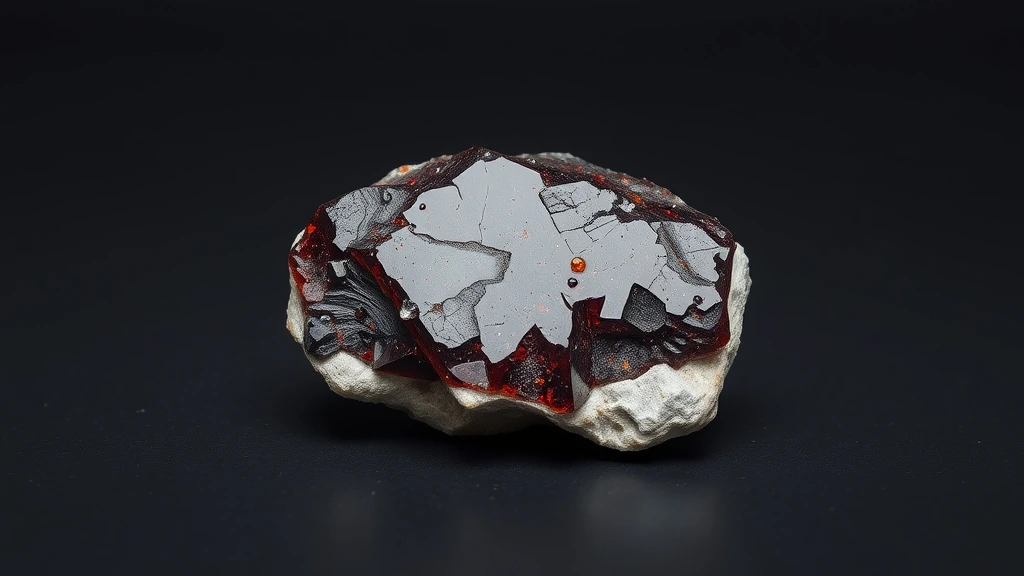
Hessonite garnet belongs to the silicate family, specifically the nesosilicate subclass of the garnet group. Its crystals form in the isometric (cubic) system, typically as dodecahedra or trapezohedra, and it occurs in metamorphic rocks such as granulites and high‑grade schists. The mineral’s distinctive coloration and robust hardness have made it a prized gemstone for centuries.
What is Hessonite Garnet Gemstone? Geological Overview & Definition
Hessonite is the calcium‑rich end‑member of the grossular–spessartine series, distinguished by its honey‑colored appearance. It forms in medium‑ to high‑temperature metamorphic environments where calcium and aluminum are abundant, often alongside pyroxenes and amphiboles.
The name “hessonite” derives from the Greek *hēssōn* (“inferior”), reflecting early confusion with inferior varieties of garnet. Modern mineralogists recognize it as a distinct species within the garnet group, valued both for its gemological qualities and its role as an indicator of specific metamorphic conditions.
Hessonite Garnet Gemstone Chemical Composition & Crystallographic Properties
The ideal formula Ca₃Al₂(SiO₄)₃ illustrates the dominance of calcium and aluminum on the X and Y sites of the garnet structure. Minor substitutions—such as Fe³⁺, Mn³⁺, or Ti⁴⁺—can occur, subtly shifting hue and density without altering the fundamental isometric lattice.
Crystals grow as dodecahedra or trapezohedra, reflecting the high symmetry of the cubic system; each unit cell contains eight formula units arranged in a tightly packed framework of SiO₄ tetrahedra linked to Ca and Al polyhedra. This geometry yields a uniform refractive index (≈1.74) and contributes to the stone’s brilliant luster.
Color in hessonite arises from chromophore centers where trace Fe³⁺ or Mn³⁺ replace Al³⁺, absorbing specific wavelengths and producing the characteristic amber tone. The presence of these transition‑metal ions also makes the mineral mildly acid‑sensitive, so prolonged exposure to strong acids can dull its surface.
Thermally, hessonite is stable up to ~1200 °C, beyond which the garnet structure begins to break down into perovskite‑type phases. Heating can temporarily enhance its color saturation, a property exploited in some heat‑treatment gem‑enhancement practices, though care must be taken to avoid lattice distortion.
| Property | Specification |
|---|---|
| Mineral Group | Silicates (Nesosilicates / Garnet Group) |
| Chemical Formula | X₃Y₂(SiO₄)₃ (Complex Silicate / Nesosilicate Group) |
| Mohs Hardness | 6.5 – 7.5 |
| Crystal System | Isometric / Cubic (Dodecahedral or trapezohedral crystals) |
| Specific Gravity (Density) | 3.50 – 4.30 |
| Refractive Index | 1.714 – 1.888 |
| Color & Optical Properties | Natural Hessonite Garnet Gemstone color spectrum and optical dispersion |
| Primary Mining Localities | India, Madagascar, Sri Lanka, Mozambique, USA |
| Water & Chemical Resistance | High (Water-resistant; safe for gentle warm water washing) |
| Chakra Alignment (Traditional) | Root Chakra (Muladhara) and Sacral Chakra |
| Zodiac Affinity (Traditional) | Capricorn, Aquarius, Aries |
| Symbolic Meaning (Traditional) | Grounding, passion, loyalty, physical vitality, and steadfast courage |
Garnet Varieties & Comprehensive Sub-Types
Almandine
Almandine forms in high‑grade metamorphic belts where iron‑rich silicates recrystallize under temperatures of 600–800 °C. Typical inclusions are magnetite needles and silica‑rich fluid bubbles, giving the crystal a speckled appearance. Banding often appears as fine, parallel lamellae of brown‑red and darker zones, a hallmark of slow cooling. Because it is the most abundant garnet, almandine dominates global trade and is graded from commercial to fine‑gem quality on the Mohs scale of 7.5‑8.5.
Pyrope
Pyrope crystallizes in mantle‑derived kimberlite pipes and ultramafic xenoliths, where magnesium‑rich melts infiltrate the host rock. Common inclusions include chromian spinel and olivine fragments, which can produce a subtle, metallic sheen. The stone exhibits a uniform, fiery red color with occasional growth zoning that creates faint concentric bands. High‑clarity pyrope is prized for its “blood‑red” hue and commands premium prices in the gemstone market, especially from historic Bohemian sources.
Spessartine
Spessartine originates in manganese‑rich skarn deposits and contact metamorphic zones adjacent to granitic intrusions. Inclusions of manganese oxides and rutile needles lend a distinctive sparkle and sometimes a hazy veil. Its crystal habit often shows radiating orange‑to‑mandarin bands that intensify toward the core. Because of its vivid color and rarity, fine spessartine is a collector’s favorite and fetches top‑tier values at auction.
Demantoid
Demantoid, the emerald‑green member of the andradite series, grows in low‑temperature, silica‑rich metamorphic rocks such as serpentinites and basaltic greenschists. The signature horsetail (needle‑like) inclusions of chromian spinel are diagnostic and enhance the stone’s fire. Banding is usually subtle, with pale green lamellae interleaved with deeper‑green zones, reflecting fluctuating oxidation conditions. Its extreme rarity and exceptional brilliance place demantoid among the most valuable garnets on the international market.
Tsavorite
Tsavorite forms in high‑grade metamorphic schists and gneisses of the East African Rift, where chromium‑bearing fluids infiltrate grossular garnet. Inclusions often consist of chromium‑rich spinel and minute mica flakes, giving a faint metallic glint. The crystal displays vivid, uniform chrome‑green color with occasional parallel growth bands that enhance its depth. Since its discovery in the 1960s, tsavorite has rivaled emeralds in price and is highly sought after for fine jewelry.
Rhodolite
Rhodolite is a solid‑solution series of pyrope and almandine that crystallizes in metamorphic marbles and limestone‑rich skarns. Typical inclusions are hematite crystals and silica‑rich fluid pockets, which can produce a subtle, reddish‑brown glow. The stone’s color ranges from raspberry pink to purplish‑red, often showing concentric zoning that creates a delicate banded pattern. High‑clarity rhodolite is favored for its romantic hue and commands strong demand in the gemstone trade.
Hessonite (Cinnamon Stone)
Hessonite develops in manganese‑rich, calcium‑bearing pegmatites and skarn environments, especially within the grossular garnet field. Inclusions are characteristically treacle‑like swirls of silica and microscopic fluid cavities, giving the stone a distinctive “cinnamon‑swirl” texture. Banding appears as soft, amber‑to‑honey gradients that fade outward, a visual cue of slow crystal growth. Although less common than other garnets, high‑clarity hessonite garnet is prized for its warm hue and is traded as a specialty gemstone for both collectors and metaphysical markets.
Comparative Summary – Gemologists differentiate these garnet varieties by examining color chemistry, inclusion types, and growth banding under 10× to 30× magnification. Almandine and pyrope are identified by iron‑ versus magnesium‑dominant spectra, while spessartine’s manganese signature produces orange hues. Demantoid’s horsetail spinel and tsavorite’s chromium‑rich inclusions are diagnostic, whereas rhodolite’s pyrope‑almandine solid‑solution zoning yields pink‑red tones. Hessonite’s treacle‑swirl inclusions and cinnamon coloration set it apart as the sole grossular member in the garnet family.
Where is Hessonite Garnet Gemstone Found? Geological Mining & Extraction
Hessonite is most frequently recovered from manganese‑rich pegmatitic veins that intersect calcium‑bearing schists in the Deccan Traps of India and the Kalahari Craton of South Africa. These deposits form under low‑pressure, high‑temperature conditions where hydrothermal fluids deposit grossular garnet alongside quartz and feldspar.
Modern extraction employs selective hand‑sorting and low‑impact open‑pit methods to preserve the delicate crystal habit. After mining, the ore is crushed, screened, and processed through dense‑media separation to isolate the amber‑colored hessonite crystals before they are cut for the gemstone market.
Historical Significance & Cultural Lore of Hessonite Garnet Gemstone
Ancient Indian texts describe hessonite as “the stone of the sun,” attributing it with protective powers for travelers and warriors. Archaeological excavations at the Harappa and Mohenjo‑Daro sites have uncovered hessonite beads set in gold, indicating its use in elite adornments as early as 2500 BCE.
In medieval Persian poetry, hessonite was called “the cinnamon stone,” symbolizing steadfast courage and physical vitality. Its association with the Root and Sacral chakras reinforced its reputation as a grounding talisman, a belief that persists in contemporary metaphysical practices.
Modern Uses & Jewelry Applications of Hessonite Garnet Gemstone
Lapidaries primarily cut hessonite into faceted stones for rings and pendants, though its moderate hardness often favors cabochon cuts for smoother, polished surfaces. The stone’s warm, honey-brown hue complements gold settings exceptionally well, enhancing its earthy aesthetic appeal.
- Faceted Cuts: Oval, cushion, and emerald cuts maximize the stone’s subtle brilliance and clarity.
- Cabochons: Smooth, domed cuts are ideal for vintage-style jewelry and bezel settings.
- Ornamental Carving: Historically used in intaglio carvings and cameos due to its workability.
- Industrial Use: Coarser grades serve as abrasive materials in polishing compounds.
Carat, Quality Grades & Value Factors of Hessonite Garnet
According to historical traditions and metaphysical lore, hessonite is revered as a stone of grounding and physical vitality. Practitioners believe it anchors the wearer to the earth, fostering a sense of stability during turbulent times.
This gemstone is also associated with passion and steadfast courage, encouraging users to pursue their desires with unwavering determination. Its energy is thought to promote loyalty in relationships, strengthening emotional bonds through consistent, reliable support.
Which Chakra and Zodiac Signs Align with Hessonite Garnet Gemstone?
In esoteric practice, hessonite resonates most powerfully with the Root Chakra (Muladhara). This alignment helps stabilize the wearer’s foundation, promoting feelings of safety and security. It also connects with the Sacral Chakra, enhancing creative flow and emotional balance.
Astrologically, this stone is canonically aligned with Capricorn, Aquarius, and Aries. These signs benefit from its grounding properties, which support their inherent drive and ambition. The stone’s energy complements their distinct elemental traits, fostering personal growth.
How to Identify Real vs. Fake Hessonite Garnet Gemstone
Artificial imitations of hessonite often include synthetic glass, dyed quartz, or cubic zirconia, which mimic the stone’s color but lack its natural character. These fakes may appear too perfect, lacking the subtle variations found in genuine mineral specimens.
Practical At-Home Authenticity Tests
- Temperature Test (Thermal Feel): Genuine hessonite feels cool to the touch initially and warms slowly, whereas plastic imitations warm up almost instantly.
- Specific Gravity & Weight Test: Hessonite has a specific gravity of 3.5–3.9, making it noticeably heavier than glass or plastic of the same size.
- Scratch & Hardness Test (Mohs Comparison): With a Mohs hardness of 6.5–7.5, hessonite can scratch glass but will not scratch quartz easily.
- Microscopic & Loupe Inspection (Internal Inclusions): Use a 10x loupe to look for natural inclusions like tiny crystals or fluid inclusions, which are rare in synthetic glass.
Hessonite Garnet Gemstone Valuation Factors, Grading & Pricing
The primary driver of value is Color Saturation, specifically a deep, uniform reddish-brown hue. Gemologists assess tone consistency across the entire stone to ensure no zoning or patchiness. High optical clarity and a vibrant vitreous luster significantly enhance the gem’s visual appeal and market desirability.
Carat Weight influences pricing, as larger, high-quality hessonite specimens are rarer than smaller stones. Facet symmetry and precise cutting proportions maximize light return, directly impacting the stone’s brilliance. The presence of visible matrix or internal inclusions can diminish value, though some minor inclusions are acceptable in commercial grades.
Geographical Provenance Premium often applies to stones from renowned mines like India or Brazil. Wholesale prices vary based on supply chains, while retail values reflect brand markup and certification costs. Market trends show steady demand for hessonite in traditional jewelry, supporting stable pricing for high-grade material.
How to Clean and Care for Hessonite Garnet Gemstone
To maintain brilliance, clean the gemstone with warm soapy water and a soft, lint-free cloth. This gentle method effectively removes oils and dust without risking surface damage or stress fractures. Avoid harsh chemicals or abrasive materials that could dull the polish or harm the setting.
Ultrasonic cleaners are generally safe for untreated hessonite garnets, provided the stone is free of fractures. Always inspect the gem for cracks before using an ultrasonic bath to prevent potential breakage. For maximum safety, professional cleaning by a certified gemologist is recommended for high-value pieces.
Cleansing and Recharging Hessonite Garnet Gemstone (Energetic Care)
For energetic maintenance, use smoke smudging with sage or palo santo to clear stagnant energy. This dry method avoids water exposure, respecting the stone’s physical integrity while addressing metaphysical beliefs. Ensure the smoke dissipates fully before storing the gemstone in a safe location.
Place the hessonite on a selenite plate or under moonlight for recharging purposes. These dry, non-invasive techniques align with the mineral’s solubility profile, preventing any risk of chemical alteration. Regular energetic care supports the stone’s perceived vibrancy and spiritual alignment.
Frequently Asked Questions About Hessonite Garnet Gemstone
Is hessonite garnet safe to wear in the shower?
Yes, hessonite garnet is highly water-resistant and safe for gentle warm water washing. The stone withstands moisture without damage, making it suitable for daily wear. However, avoid harsh soaps or extreme heat, as these can degrade the setting or affect the stone’s surface luster over time.
Can I clean hessonite garnet with an ultrasonic cleaner?
Ultrasonic cleaners should generally be avoided or used with extreme caution, as high-frequency vibrations can cause microscopic fissures. For the safest maintenance, clean the stone with warm soapy water and a soft cloth. Always verify the stone is untreated before using high-frequency vibrations to prevent potential micro-fractures.
Which zodiac signs are aligned with hessonite garnet?
Hessonite garnet is traditionally aligned with Capricorn, Aquarius, and Aries. These earth and fire signs resonate with the stone’s grounding energy. Wearing this gemstone is believed to enhance personal stability and courage for individuals born under these specific astrological signs.
What chakras does hessonite garnet activate?
This gemstone primarily activates the Root Chakra (Muladhara) and Sacral Chakra. It promotes physical vitality and emotional stability by connecting the wearer to the earth. This alignment supports feelings of security, passion, and steadfast courage in daily life.
What is the chemical composition of hessonite garnet?
Hessonite is a calcium-iron silicate mineral belonging to the garnet group. Its chemical formula is Ca₃Fe₂(SiO₄)₃, distinguishing it from other garnet varieties. This specific composition gives the stone its characteristic honey-brown to reddish-brown color and high hardness.
How hard is hessonite garnet on the Mohs scale?
Hessonite garnet rates between 6.5 and 7.5 on the Mohs hardness scale. This makes it durable enough for everyday jewelry use, such as rings and bracelets. While resistant to scratches, it is still softer than diamond or sapphire, so handle it with care.
What is the best way to store hessonite garnet?
Store hessonite garnet in a soft pouch or separate jewelry box compartment. This prevents the stone from scratching softer gems or being scratched by harder minerals. Keeping it away from direct sunlight also helps preserve the stone’s rich, warm brown color indefinitely.
Does hessonite garnet require special maintenance to retain its luster?
Regular cleaning with warm soapy water and a soft cloth maintains its brilliance. Avoid abrasive materials that could scratch the polished surface. Consistent care ensures the stone retains its natural fire and clarity, keeping it looking vibrant for years to come.