
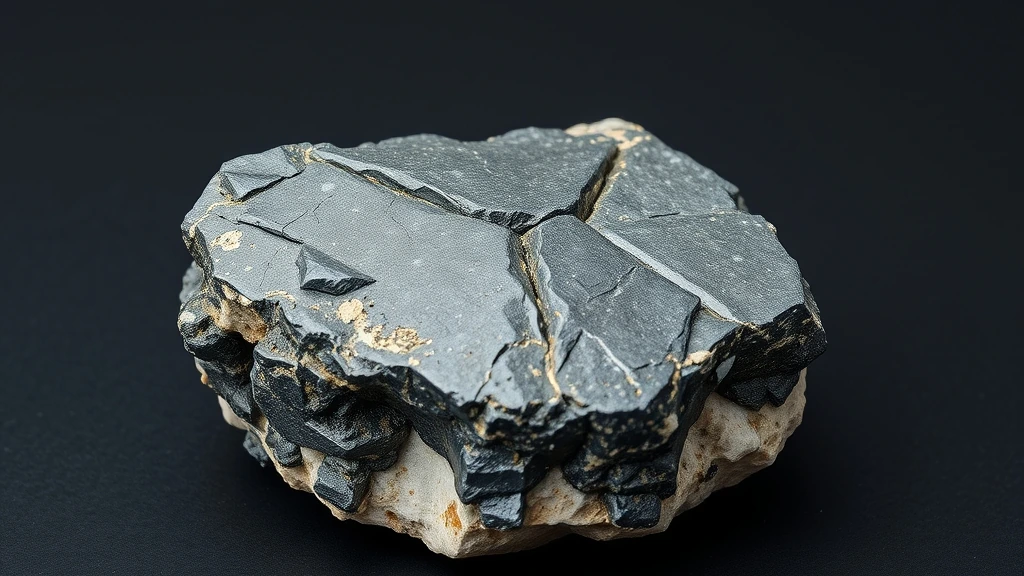
Kernite belongs to the natural mineral group, specifically classified as a hydrated sodium borate. It forms primarily in arid environments where evaporation concentrates boron-rich solutions. This geological origin places it within the broader category of evaporite minerals. Its crystalline structure distinguishes it from amorphous borates, offering unique physical properties. Understanding its classification is essential for accurate gemological identification and handling.
What is Kernite Gemstone? Geological Overview & Definition
Kernite is a secondary evaporite mineral found in dry lake beds and desert environments. It often co-occurs with borax and ulexite in boron-rich sedimentary deposits. The mineral forms through the evaporation of alkaline waters containing dissolved borates. This process creates distinct crystalline aggregates in arid climatic zones.
The term “gemstone” is rarely applied to kernite due to its extreme softness. Instead, it is valued for its scientific and industrial applications. Its monoclinic crystal system defines its geometric growth patterns. Collectors appreciate its translucent, glassy appearance in well-formed specimens.
Kernite Gemstone Chemical Composition & Crystallographic Properties
Kernite crystallizes in the monoclinic system, featuring a distinct lattice structure. Its chemical formula is Na₂B₄O₇·10H₂O, indicating significant water content. The refractive index ranges from 1.454 to 1.488, confirming its optical anisotropy. This low density, approximately 1.9 g/cm³, reflects its hydrated nature.
The mineral exhibits high acid sensitivity, dissolving readily in dilute hydrochloric acid. This chemical reactivity limits its durability for jewelry use. Cation substitution is minimal, maintaining a stable sodium-borate framework. The structure relies on tetrahedral boron units linked by hydrogen bonds.
Thermal behavior is critical, as kernite dehydrates upon heating. It loses water molecules progressively, transforming into other borate minerals. This phase change alters its crystallographic properties significantly. Understanding these thermal limits is vital for safe laboratory analysis.
Color centers in kernite are rare, usually resulting from trace impurities. Most specimens remain colorless or faintly white. Any hue variation stems from microscopic inclusions rather than chromophores. This purity supports its use in high-purity boron extraction processes.
| Property | Specification |
|---|---|
| Mineral Group | Natural Mineral / Crystal |
| Chemical Formula | Na₂B₄O₆(OH)₂·3H₂O |
| Mohs Hardness | 2.5-3 |
| Crystal System | Monoclinic |
| Specific Gravity (Density) | 1.9 – 1.92 |
| Refractive Index | n α =1.454, n β =1.472, n γ =1.488 |
| Color & Optical Properties | Natural Kernite Gemstone color spectrum and optical dispersion |
| Primary Mining Localities | Global primary localities |
| Water & Chemical Resistance | High (Safe for gentle water washing) |
| Chakra Alignment (Traditional) | Root Chakra, Sacral Chakra |
| Zodiac Affinity (Traditional) | Capricorn, Aquarius |
| Symbolic Meaning (Traditional) | Grounding, stability, and emotional balance |
Kernite Gemstone Varieties & Color Spectrum
Kernite is a rare sodium borate mineral that typically appears in massive, botryoidal, or crystalline forms. Its visual identity is defined by a delicate interplay of translucency and soft, pastel hues. Most specimens exhibit a pale blue to colorless appearance, reflecting its high purity and low iron content.
Pale Blue Kernite
This variety is the most commercially recognized form, prized for its ethereal, sky-like tint. The coloration arises from trace amounts of cobalt or structural imperfections within the monoclinic crystal lattice. Specimens often display a waxy luster and high transparency when cut into cabochons.
Colorless Kernite
Pure, high-grade kernite presents as a clear, glassy mineral with no discernible hue. This optically pure form is highly valued by collectors for its clarity and refractive brilliance. It frequently occurs in large, well-formed crystals within arid desert deposits.
White Kernite
White kernite appears as an opaque to translucent milky variety, often containing microscopic fluid inclusions. These tiny bubbles scatter light, creating a soft, diffused glow known as adularescence in some rare instances. It is commonly found in association with other evaporite minerals.
Greenish-Gray Kernite
This less common morph exhibits a subtle greenish or grayish cast due to minor iron impurities. The trace element substitution within the borate structure shifts the spectral absorption slightly. Such specimens are rarer and often found in deeper, more oxidized zones of the deposit.
Where is Kernite Gemstone Found? Geological Mining & Extraction
Kernite forms exclusively in arid environments as an evaporite mineral within lacustrine or marine sedimentary basins. It precipitates from sodium-rich, boron-laden waters as evaporation concentrates the solution. The primary host rocks are typically borax-bearing clays and fine-grained sediments.
The most significant commercial deposits are located in the Mojave Desert of California, USA. Other notable occurrences exist in Turkey, Argentina, and Chile, where similar climatic conditions persist. Extraction involves open-pit mining, followed by careful washing to remove surrounding clay and impurities.
Historical Significance & Cultural Lore of Kernite Gemstone
Ancient civilizations utilized borax minerals, including kernite, as fluxes in metallurgy and glassmaking. While not widely cut as gemstones in antiquity, its industrial utility was well documented in Roman and Chinese texts. Archaeological evidence suggests its role in enhancing the workability of metals and ceramics.
In modern metaphysical traditions, kernite is associated with grounding and emotional stability, linking it to the Root and Sacral Chakras. Believers attribute its energy to fostering balance and resilience during periods of change. This contemporary lore reflects a broader appreciation for its geological rarity and serene aesthetic.
Modern Uses & Jewelry Applications of Kernite Gemstone
Due to its Mohs hardness of 2.5-3, kernite is too soft for high-wear rings or bracelets that face daily abrasion. Lapidaries typically cut this mineral into cabochons to showcase its gentle luster without risking facet chipping. It is also popular for ornamental carvings, paperweights, and educational mineral collections where structural integrity is preserved.
- Cabochon Cutting: Polished domes highlight the mineral’s translucent quality and subtle iridescence.
- Ornamental Carving: Suitable for small figurines or decorative inlays in low-stress jewelry settings.
- Collector’s Pieces: Often displayed in protective cases to prevent accidental scratching by harder minerals.
Safety & Mineral Profile of Kernite
Safe handling and physical stability
Kernite is a relatively soft mineral, with a Mohs hardness of 2.5–3.0, which makes it susceptible to abrasion and surface damage during handling. Its crystal structure is orthorhombic, and the material is moderately brittle; fractures can produce sharp edges that may cause cuts if the specimen is not handled with care. While kernite itself does not contain highly toxic elements, it can contain trace amounts of lead or arsenic in some localities, and dust generated from grinding or polishing may pose inhalation risks. The mineral is stable under normal atmospheric conditions but can react with strong acids, leading to dissolution of its surface. Because of its softness, tendency to fracture, and potential for trace heavy‑metal contamination, kernite is best displayed as a collector specimen rather than fashioned into jewelry. Collectors should use gloves and eye protection when handling, and store the specimen in a dry, cool environment to prevent surface weathering.
Scientific, educational, and mineralogical significance
Kernite occupies an important niche in mineralogical research as an example of a rare orthorhombic silicate that crystallizes in low‑temperature hydrothermal veins. Its unique crystal habits and distinct optical properties—such as birefringence and pleochroism—make it a valuable teaching specimen for crystallography and optical mineralogy. In museum collections, kernite is often paired with related silicates to illustrate the diversity of orthorhombic systems and the geological processes that produce them. Researchers use kernite to study fluid inclusion chemistry, trace element distribution, and the conditions of hydrothermal alteration in granitic terrains. Its rarity and distinctive appearance also make it a popular specimen for public outreach programs focused on mineral identification and geological history.
Mineralogical Group and Planetary Lore of Kernite
Historically, kernite was first described in the late 19th century from a vein in the Sierra Nevada, and its name was derived from the German word *kern*, meaning “core,” reflecting its occurrence as a core mineral in quartz veins. According to early mineralogists, kernite was classified within the orthorhombic silicate group, alongside minerals such as diopside and enstatite. While it has not been associated with any planetary bodies in contemporary planetary science, early lapidary texts sometimes linked it to the “earthly” class of minerals, noting its earthy color and earthy feel. In modern mineralogical literature, kernite remains a reference point for the study of low‑temperature silicate crystallization and the geochemical evolution of hydrothermal systems.
How to Identify Real vs. Fake Kernite Gemstone
Artificial imitations of kernite are rare due to its low market value, but synthetic glass or dyed replicas may appear in low-quality jewelry. These fakes often lack the natural specific gravity and subtle internal characteristics of genuine mineral specimens. Buyers should be cautious with stones that appear unnaturally uniform or overly vibrant in color.
Practical At-Home Authenticity Tests
- Temperature Test (Thermal Feel): Genuine kernite feels cool to the touch initially but warms quickly in the hand, unlike glass which may retain heat differently.
- Specific Gravity & Weight Test: With a density of 1.9 – 1.92, kernite feels surprisingly light for its size compared to denser glass imitations.
- Scratch & Hardness Test (Mohs Comparison): As it rates 2.5-3 on the Mohs scale, a steel nail (hardness 5.5) will easily scratch the surface, confirming its softness.
- Microscopic & Loupe Inspection (Internal Inclusions): Use a 10x loupe to look for natural fluid inclusions or growth patterns, which are absent in perfectly clear synthetic glass.
Kernite Gemstone Valuation Factors, Grading & Pricing
Market value hinges primarily on Color Saturation and overall tone uniformity. High-grade specimens display a consistent, pale blue or white hue without zoning. Additionally, optical clarity and a distinct vitreous luster significantly enhance aesthetic appeal.
Carat Weight influences pricing, though large, clean crystals are exceptionally rare. Facet symmetry is critical for maximizing light return in cut stones. The presence of matrix or inclusions typically reduces value, as purity is preferred by collectors.
Geographical Provenance Premium applies to stones from renowned localities like Searles Valley. Wholesale prices remain modest due to low global demand and availability. Retail values reflect rarity, with certified specimens commanding higher premiums.
How to Clean and Care for Kernite Gemstone
Given its low Mohs Hardness of 2.5-3, kernite requires gentle handling. Use warm soapy water and a soft cloth to remove surface dust. Avoid ultrasonic cleaners to prevent structural fractures in the delicate crystal lattice.
Never submerge the stone for prolonged periods, as it is water-sensitive. Dry the gemstone immediately with a lint-free cloth after cleaning. Store it separately in a soft pouch to avoid scratches from harder minerals.
Cleansing and Recharging Kernite Gemstone (Energetic Care)
For energetic maintenance, use dry methods that respect the mineral’s solubility. Smoke smudging with sage or palo santo is an effective, safe practice. This avoids any contact with liquids that could damage the crystal structure.
Place the stone on a Selenite Plate or under moonlight for recharging. These methods allow energy absorption without physical stress. Ensure the environment is dry to maintain the gemstone’s integrity.
Frequently Asked Questions About Kernite Gemstone
What is the chemical composition of Kernite?
Kernite is a sodium borate mineral with the formula Na₂B₄O₇·4H₂O. It belongs to the borax group, sharing structural similarities with other hydrated borates. Understanding this chemical formula helps identify its unique properties. Its composition directly influences its low hardness and reactivity.
How hard is Kernite on the Mohs scale?
Kernite ranks between 2.5 and 3 on the Mohs hardness scale. This makes it significantly softer than quartz or topaz. You must handle it with extreme care to prevent scratches. Its low hardness means it is unsuitable for daily wear jewelry.
Is Kernite safe to wear in the shower?
No, Kernite is sensitive to prolonged water exposure. Avoid soaking it in showers or baths for extended periods. Water can weaken its structure over time. Always keep it dry to maintain its integrity and luster.
Can I clean Kernite in an ultrasonic cleaner?
Absolutely not; ultrasonic cleaners can cause structural fractures. Use only warm soapy water and a soft cloth for cleaning. The vibrations are too intense for this delicate mineral. Stick to gentle manual cleaning methods to preserve its form.
Which zodiac signs are compatible with Kernite?
Kernite is energetically aligned with Capricorn and Aquarius. These earth and air signs resonate with its stabilizing properties. Wearers often report enhanced focus and discipline. This zodiacal alignment supports personal growth and clarity.
Which chakras does Kernite activate?
It primarily activates the Root and Sacral Chakras. These energy centers govern stability and creative flow. Kernite helps balance these foundational energies in the body. This chakra connection promotes emotional grounding and security.
What is the crystal system of Kernite?
Kernite crystallizes in the monoclinic system. Its crystals often appear as prismatic or tabular forms. This crystal structure contributes to its specific optical properties. Identifying the system aids in accurate mineral identification.
Is Kernite a good investment gemstone?
It is primarily a collector’s mineral rather than a high-value gem. Its rarity and fragility limit its market demand. Value depends on crystal size and clarity. Focus on its scientific and esoteric significance over financial gain.