
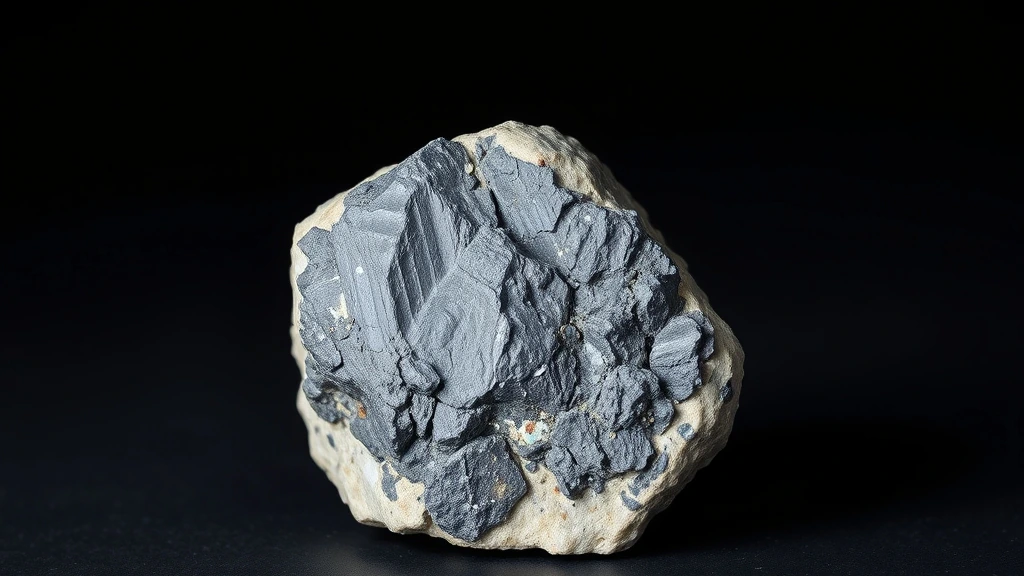
Leptynite belongs to the broad category of natural minerals that form as composite rocks, where intergrown quartz, potassium‑feldspar (both orthoclase and albite), and biotite mica create a unified matrix. This aggregate crystallizes in a Composite (Trigonal, Monoclinic, Orthorhombic) system, reflecting the distinct symmetry of each constituent mineral. Because it is not a single‑phase crystal but an interlocked assemblage, its physical properties—density, refractive index, and hardness—represent the weighted average of its components. The stone is prized for its grounding energy, aligning with the Root Chakra and the earth‑sign zodiac signs Taurus and Capricorn.
What is Leptynite Gemstone? Geological Overview & Definition
Leptynite is defined as a natural mineral aggregate formed in metamorphic environments where quartz, feldspar, and biotite grow together under directed pressure and temperature. The resulting rock exhibits a fine‑grained, often banded texture that can be cut and polished like a single gemstone.
In gemological circles, Leptynite is valued for its stable, earthy coloration and its durability, which stems from the combined hardness of its quartz and feldspar components. Its appearance can range from clear, glassy facets to creamy, opalescent surfaces, reflecting the interplay of light within the interlocked mineral grains.
Leptynite Gemstone Chemical Composition & Crystallographic Properties
The aggregate consists of Quartz (SiO₂), Potassium Feldspar (KAlSi₃O₈), Sodium Feldspar (NaAlSi₃O₈), and Biotite mica (K(Mg,Fe)₃(AlSi₃O₁₀)(OH)₂). Each mineral retains its own crystal lattice, resulting in a Composite (Trigonal, Monoclinic, Orthorhombic) overall symmetry. Quartz contributes a trigonal framework, feldspar adds monoclinic or orthorhombic cells, and biotite supplies a layered monoclinic structure.
Cation substitution is common, especially the Mg↔Fe exchange in biotite, which subtly shifts the stone’s density (2.65–2.75 g/cm³) and its refractive index (1.544–1.620). These substitutions also influence the formation of chromophore color centers, imparting the characteristic milky or pale hues.
Leptynite is relatively acid‑sensitive; prolonged exposure to strong acids can dissolve the quartz and feldspar phases, while biotite may leach potassium and iron. Thermally, the aggregate remains stable up to about 600 °C; beyond this, biotite dehydroxylates, and feldspar may undergo phase transitions, altering the stone’s optical properties.
Overall, Leptynite’s composite nature gives it a unique blend of mechanical strength and optical versatility, making it a distinctive choice for both collectors and metaphysical practitioners.
| Property | Specification |
|---|---|
| Mineral Group | Natural Mineral / Crystal |
| Chemical Formula | Composite rock: Quartz (SiO₂), Feldspar (KAlSi₃O₈ / NaAlSi₃O₈), Biotite (K(Mg,Fe)₃(AlSi₃O₁₀)(OH)₂) |
| Mohs Hardness | 6.0 – 7.0 |
| Crystal System | Composite (Trigonal, Monoclinic, Orthorhombic) |
| Specific Gravity (Density) | 2.65 – 2.75 |
| Refractive Index | 1.544 – 1.620 |
| Color & Optical Properties | Natural Leptynite Gemstone color spectrum and optical dispersion |
| Primary Mining Localities | Global primary localities |
| Water & Chemical Resistance | High (Safe for gentle water washing) |
| Chakra Alignment (Traditional) | Root Chakra |
| Zodiac Affinity (Traditional) | Taurus, Capricorn |
| Symbolic Meaning (Traditional) | Grounding, stability, and connection to the earth |
Leptynite Gemstone Varieties & Color Spectrum
Leptynite is a coarse-grained, felsic metamorphic rock rather than a single mineral species. Its visual appeal derives from the interlocking crystals of quartz and feldspar. The stone typically displays a banded or foliated texture that distinguishes it from igneous granites.
Classic Grey Leptynite
This variety features a balanced mix of white quartz and grey feldspar. Biotite mica flakes often appear as dark specks throughout the matrix. It is the most common trade form found in commercial lapidary markets.
Banded Leptynite
Distinct parallel layers of light and dark minerals define this morph. The banding results from metamorphic foliation under high pressure conditions. Collectors prize specimens with sharp, high-contrast stripe patterns.
Pink Leptynite
A rare coloration caused by high concentrations of potassium feldspar. The hue ranges from pale rose to deep salmon pink. This variety is highly sought after for its unique aesthetic appeal.
Black Leptynite
This dark variant contains a significant proportion of biotite and hornblende. The stone appears nearly opaque with a dense, granular texture. It is less common than the grey or pink forms.
Where is Leptynite Gemstone Found? Geological Mining & Extraction
Leptynite forms within the craton regions of ancient continental shields. These stable geological zones experienced intense metamorphism hundreds of millions of years ago. The rock is typically found in association with other high-grade metamorphic formations.
Primary extraction occurs in regions like the Fennoscandian Shield and parts of India. Miners extract large blocks from open-pit quarries for lapidary processing. The stone is then cut into slabs or cabochons for jewelry.
Historical Significance & Cultural Lore of Leptynite Gemstone
Ancient civilizations valued leptynite for its durability and distinctive banded patterns. Archaeological evidence suggests its use in ceremonial tools and architectural elements. The stone’s resistance to weathering made it ideal for long-lasting structures.
In modern metaphysical practices, it is associated with grounding and stability. Practitioners believe it connects the wearer to the root chakra. This lore emphasizes its role in providing emotional balance and earthy energy.
Modern Uses & Jewelry Applications of Leptynite Gemstone
Leptynite is primarily valued as an ornamental stone rather than a high-value gem, prized for its distinctive banded patterns. Lapidaries often cut these rocks into polished slabs or decorative tiles for architectural accents and tabletops. Due to its composite nature, it is rarely faceted into traditional gemstones but excels in cabochon forms that highlight its internal texture.
- Ornamental Carving: Skilled artisans carve leptynite into small figurines, paperweights, and decorative boxes, leveraging its durability and unique veining.
- Architectural Cladding: Thin slices are used in interior design for wall panels and flooring, offering a natural, earthy aesthetic.
- Collector’s Specimens: Geologists and collectors value well-preserved samples that display clear quartz-feldspar intergrowth structures.
Metaphysical Uses & Origins of Leptynite
According to historical traditions and metaphysical lore, leptynite is revered as a powerful stone of grounding and stability. Practitioners believe its dense, earthy composition helps anchor the user’s energy to the physical realm. This connection fosters a sense of security and resilience during times of chaos or uncertainty.
The stone is often associated with the Root Chakra, symbolizing deep roots and foundational strength. Its visual complexity, featuring interlocking minerals, represents the intricate balance required for personal stability. Users report feeling a heightened sense of connection to the earth, promoting calm and focused intention.
Which Chakra and Zodiac Signs Align with Leptynite Gemstone?
Leptynite is canonically aligned with the Root Chakra, also known as Muladhara. This energy center governs survival, security, and physical well-being. The stone’s heavy, grounded nature resonates with this chakra, helping to stabilize scattered energy. It encourages a firm sense of place and purpose in daily life.
In astrological terms, leptynite is strongly linked to the earth signs Taurus and Capricorn. Both signs value structure, reliability, and tangible achievements. This alignment suggests the stone supports their natural tendencies toward discipline and long-term planning. It serves as a talisman for those seeking stability and consistent progress.
How to Identify Real vs. Fake Leptynite Gemstone
While genuine leptynite is a natural composite rock, artificial imitations exist in the decorative market. These fakes may include synthetic glass or dyed quartzite designed to mimic the banded appearance. Understanding the subtle differences in texture and composition is crucial for buyers. Authentic specimens will display natural mineral variations that are difficult to replicate perfectly.
Practical At-Home Authenticity Tests
- Temperature Test (Thermal Feel): Hold the stone in your palm for thirty seconds. Genuine leptynite will feel cool to the touch initially and warm slowly. Glass imitations often warm up much faster due to lower thermal mass.
- Specific Gravity & Weight Test: Compare the stone’s weight to a similar-sized piece of glass. Leptynite has a density of 2.65 – 2.75 g/cm³, making it feel heavier than standard glass of the same volume.
- Scratch & Hardness Test (Mohs Comparison): Use a steel knife (Mohs 5.5) to gently scratch an inconspicuous area. The quartz component (Mohs 7) in leptynite will resist scratching, while softer imitations may show marks.
- Microscopic & Loupe Inspection (Internal Inclusions): Examine the stone with a 10x loupe. Look for natural mineral inclusions and irregular banding. Synthetic glass often contains tiny, perfectly round air bubbles or swirls.
Leptynite Gemstone Valuation Factors, Grading & Pricing
Market value is primarily driven by Color Saturation and overall tone uniformity across the specimen. Collectors prefer stones with a consistent, deep earthy hue rather than mottled or patchy appearances. High optical clarity and a distinct vitreous luster significantly enhance the stone’s visual appeal.
Carat Weight influences pricing, though large specimens are less common than smaller cabochons or rough pieces. Facet symmetry is critical for cut stones, as irregularities can detract from the composite mineral structure. The presence of visible matrix inclusions may lower value for jewelry but increase interest for collectors.
Geographical Provenance Premium applies to stones from historically significant mining regions, adding a layer of rarity. Wholesale prices remain modest, but retail values rise with certified documentation and unique geological features. Current market trends favor ethically sourced specimens with verified origin certificates.
How to Clean and Care for Leptynite Gemstone
To maintain the integrity of this composite rock, use warm soapy water and a soft cloth for gentle cleaning. This method effectively removes surface oils and dust without risking damage to the delicate mineral bonds. Always dry the stone thoroughly with a lint-free towel after washing.
You must strictly avoid ultrasonic cleaners as the vibrations can cause structural fractures in the leptynite. The composite nature of the stone makes it susceptible to internal stress from high-frequency sound waves. Regular inspection for loose inclusions is recommended to prevent potential breakage during wear.
Cleansing and Recharging Leptynite Gemstone (Energetic Care)
For energetic maintenance, place the stone on a selenite plate overnight to absorb negative energies safely. This dry method respects the mineral’s physical structure while facilitating spiritual cleansing. Avoid submerging the stone in water for extended periods during these rituals.
You can also perform smoke smudging using sage or palo santo to purify the stone’s energy field. Alternatively, exposing the leptynite to moonlight for several hours is a gentle, non-invasive recharging technique. These methods ensure the stone remains energetically balanced without physical risk.
Frequently Asked Questions About Leptynite Gemstone
Is Leptynite safe to wear while washing hands or in the shower?
Yes, Leptynite tolerates gentle water exposure. Its quartz‑based matrix and associated minerals are resistant to mild moisture, so routine hand‑washing or brief shower contact will not damage the stone, though prolonged soaking should be avoided to preserve any surface polish.
Can I clean Leptynite with an ultrasonic cleaner?
No, ultrasonic cleaning is not recommended. The composite nature of Leptynite—containing biotite mica layers—makes it vulnerable to micro‑fractures under high‑frequency vibrations; instead, use warm soapy water and a soft cloth to gently remove dirt without stressing the crystal lattice.
What is the typical hardness of Leptynite on the Mohs scale?
Leptynite rates between 6.0 and 7.0. This range reflects the silicate components (quartz and feldspar) that dominate its structure, providing good scratch resistance for everyday jewelry while still being workable for lapidary shaping.
Which zodiac signs are most compatible with Leptynite?
Taurus and Capricorn are the aligned signs. In astrological tradition, these earth signs appreciate Leptynite’s grounding energy, reinforcing their natural desire for stability, practicality, and a strong connection to the material world.
Which chakra does Leptynite primarily activate?
Leptynite is linked to the Root Chakra. This energy center governs grounding and physical security, and the stone’s earthy mineral composition is believed to amplify feelings of stability and a deep connection to the planet.
How dense is Leptynite compared with other gemstones?
Its specific gravity falls between 2.65 and 2.75. This density is typical for silicate rocks like quartz and feldspar, making Leptynite lighter than many precious stones such as sapphire or ruby, yet substantial enough to feel solid in the hand.
What is the refractive index range for Leptynite, and why does it matter?
Leptynite’s refractive index varies from 1.544 to 1.620. These values indicate how light bends within the composite crystal system, influencing brilliance and sparkle; the modest range yields a subtle sheen rather than high fire, suitable for understated elegance.
Does Leptynite exhibit any notable crystal habits or systems?
It displays a composite crystal system—Trigonal, Monoclinic, and Orthorhombic. This reflects the intergrowth of quartz, feldspar, and biotite, producing irregular aggregates rather than well‑formed single crystals, which gives the stone its characteristic mottled appearance.