
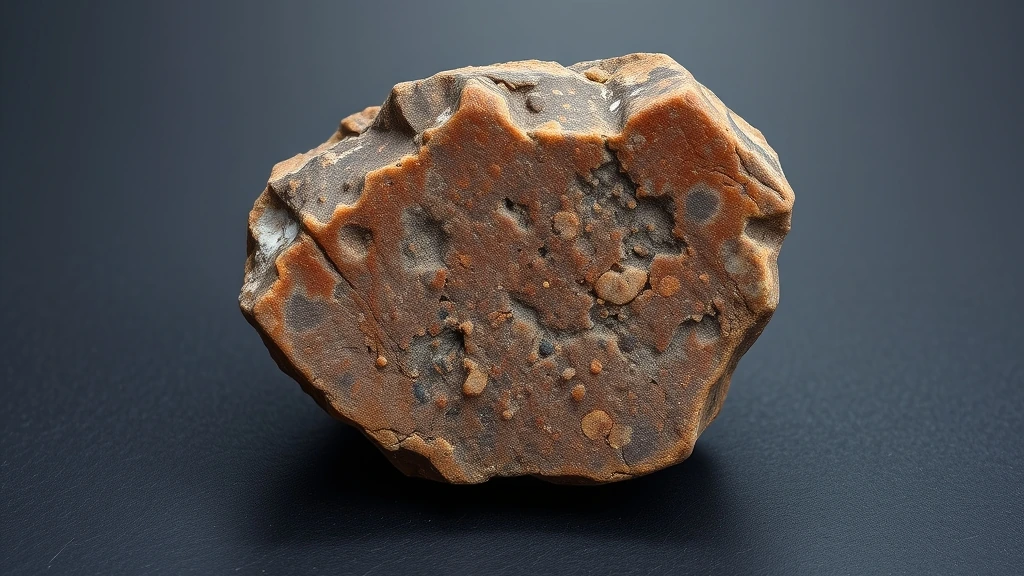
Magnesite belongs to the natural mineral family of carbonates and is classified as a crystalline solid rather than a rock or organic aggregate. Formed in low‑temperature hydrothermal veins, sedimentary basins, and metamorphic marbles, it crystallizes in the trigonal system and is prized for its subtle translucency and soothing pastel hues. Its occurrence as well‑formed prisms or massive nodules places it firmly within the Natural Mineral / Crystal parent group.
What is Magnesite Gemstone? Geological Overview & Definition
Magnesite is a carbonate mineral composed principally of magnesium, carbon, and oxygen, forming the formula MgCO₃. It commonly precipitates from magnesium‑rich fluids in evaporitic settings, producing white to cream‑colored crystals that can be faceted for jewelry.
In the gemstone market, magnesite is valued for its soft luster and ability to be polished to a gentle sheen. While its hardness limits use in high‑impact settings, it finds a niche in pendants, earrings, and therapeutic pieces where its subtle color and metaphysical associations are highlighted.
Magnesite Gemstone Chemical Composition & Crystallographic Properties
Magnesite crystallizes in the trigonal crystal system, adopting a rhombohedral lattice where each magnesium ion is octahedrally coordinated by carbonate groups. The unit cell parameters produce characteristic rhombohedral cleavage that can be observed under a microscope.
Cation substitution is limited but can include trace amounts of iron (Fe²⁺) or manganese (Mn²⁺), which subtly shift the hue toward yellow or brown. These minor impurities act as chromophore centers, influencing the stone’s pastel coloration without altering its fundamental formula.
The mineral is acid‑sensitive; exposure to dilute hydrochloric acid effervesces carbon dioxide, confirming its carbonate nature. This reaction is a diagnostic test for gemologists distinguishing magnesite from silicate look‑alikes.
Thermally, magnesite is stable up to about 350 °C, beyond which it decomposes to magnesium oxide and releases CO₂. This behavior informs both its geological formation environment and its care guidelines for jewelry, as prolonged heat can dull its luster.
| Property | Specification |
|---|---|
| Mineral Group | Natural Mineral / Crystal |
| Chemical Formula | MgCO₃ |
| Mohs Hardness | 3.5–4.5 |
| Crystal System | Trigonal |
| Specific Gravity (Density) | 3.0–3.2 |
| Refractive Index | n ω =1.508 – 1.510 n ε =1.700 |
| Color & Optical Properties | Natural Magnesite Gemstone color spectrum and optical dispersion |
| Primary Mining Localities | Global primary localities |
| Water & Chemical Resistance | High (Safe for gentle water washing) |
| Chakra Alignment (Traditional) | Heart Chakra, Root Chakra |
| Zodiac Affinity (Traditional) | Taurus, Virgo |
| Symbolic Meaning (Traditional) | Magnetic attraction, emotional stability, and grounding |
Magnesite Gemstone Varieties & Color Spectrum
Magnesite exhibits a diverse range of color morphs driven by trace impurities and geological conditions. The most common hues include white, gray, yellow, and brown, with rare pink and green specimens existing. Understanding these variations is crucial for accurate identification and valuation in the gem trade.
White Magnesite
Pure white magnesite represents the highest quality material for cabochon cutting and ornamental use. This variety forms in dolomite deposits where minimal iron or manganese contamination occurs during crystallization. The stone typically displays a waxy luster and high translucency, making it highly sought after.
Yellow Magnesite
Yellow magnesite derives its warm hue from trace amounts of iron oxides incorporated into the crystal lattice. This coloration is frequently observed in specimens from the Carpathian Mountains and certain Chinese deposits. The shade can range from pale lemon to deep honey, depending on impurity concentration.
Brown Magnesite
Brown magnesite often results from the presence of manganese or other transition metal contaminants. These stones may exhibit a duller luster compared to their white counterparts due to higher opacity. They are commonly found in metamorphic schists and are less valuable for fine jewelry.
Pink Magnesite
Pink magnesite is a rare variety attributed to specific trace element substitutions within the trigonal crystal structure. This delicate coloration is exceptionally uncommon and commands a premium in the collector’s market. Most pink specimens are small and rarely exceed a few carats in size.
Green Magnesite
Green magnesite is an extremely rare color morph, often confused with serpentine or other green minerals. The green tint may arise from microscopic inclusions or unique crystallographic distortions during formation. Authentic green magnesite is a significant find for mineralogists and gem collectors alike.
Where is Magnesite Gemstone Found? Geological Mining & Extraction
Magnesite primarily occurs in metamorphic rocks, specifically within dolomitic schists and marbles formed under high pressure. These deposits are often associated with ancient marine environments that underwent significant tectonic transformation. The mineral frequently replaces original carbonate minerals, creating distinct banding patterns visible in the raw stone.
Major commercial sources include the Carpathian Mountains in Romania, which yields high-quality white material. Other significant regions include China, Russia, and the United States, particularly in California and New York. Mining operations typically involve open-pit extraction, followed by careful sorting to isolate gem-quality crystals from matrix material.
Historical Significance & Cultural Lore of Magnesite Gemstone
Ancient civilizations valued magnesite for its magnetic properties, naming it after Magnesia, a region in Greece. The mineral was used in early experiments with magnetism and was believed to possess healing powers. Archaeological findings suggest its use in ritualistic contexts, where it served as a grounding stone for spiritual practices.
In modern times, magnesite has gained popularity in alternative medicine for its purported ability to promote emotional stability. It is often associated with the heart and root chakras, symbolizing balance and connection to the earth. This enduring cultural significance continues to drive demand in the metaphysical gemstone market.
Modern Uses & Jewelry Applications of Magnesite Gemstone
Magnesite is primarily valued for its smooth, waxy luster rather than brilliance, making it ideal for cabochon cutting in traditional jewelry settings. Lapidaries often polish the stone into ovals or beads to highlight its soft, pastel coloration and uniform texture. Due to its moderate Mohs hardness of 3.5–4.5, it requires careful handling to prevent chipping during the polishing process.
- Cabochon Jewelry: Frequently set in silver or gold rings, pendants, and earrings for a classic, understated aesthetic.
- Ornamental Carving: Used in decorative objects, inlays, and architectural accents due to its ease of carving and polishing.
- Beaded Accessories: Commonly strung into bracelets and necklaces, appealing to collectors who prefer organic, matte-finish gemstones.
Metaphysical Properties & Traditional Meaning of Magnesite Gemstone
According to historical traditions and metaphysical lore, magnesite is revered as a stone of emotional stability and profound grounding. Practitioners believe it helps anchor the wearer’s energy, providing a sense of calm during periods of stress or uncertainty. This mineral is often associated with magnetic attraction, believed to draw positive opportunities and harmonize interpersonal relationships.
- Emotional Resonance: Said to soothe anxiety and promote a balanced, peaceful state of mind.
- Spiritual Attributes: Viewed as a protective talisman that shields the wearer from negative environmental influences.
- Grounding Energy: Believed to connect the user to the earth, fostering patience and perseverance.
Which Chakra and Zodiac Signs Align with Magnesite Gemstone?
In esoteric practice, magnesite is strongly aligned with the Root Chakra, which governs security, survival, and physical stability. By stimulating this energy center, the stone is thought to enhance feelings of safety and rootedness in the physical world. This connection supports the wearer’s ability to maintain composure and resilience in daily life.
Additionally, magnesite resonates with the Heart Chakra, promoting emotional balance and compassionate connection. Astrologically, it is considered particularly beneficial for Taurus and Virgo, two earth signs that value stability and practicality. These zodiac signs are said to find enhanced clarity and grounding when wearing this mineral.
How to Identify Real vs. Fake Magnesite Gemstone
Distinguishing natural magnesite from imitations is crucial, as synthetic glass and dyed replicas are commonly sold in the market. Glass imitations often lack the natural inclusions and subtle color variations found in genuine stones. Furthermore, dyed quartz or other softer minerals may be treated to mimic the pale green or white hues of magnesite.
Practical At-Home Authenticity Tests
- Temperature Test (Thermal Feel): Genuine magnesite feels cool to the touch initially due to its thermal conductivity, whereas plastic imitations warm up quickly.
- Specific Gravity & Weight Test: With a density of 3.0–3.2, real magnesite feels heavier than similarly sized glass or plastic fakes.
- Scratch & Hardness Test (Mohs Comparison): Magnesite has a Mohs hardness of 3.5–4.5, so it will scratch glass (hardness 5.5) but can be scratched by a steel knife (hardness 5.5).
- Microscopic & Loupe Inspection (Internal Inclusions): Use a 10x loupe to look for natural internal inclusions or flow lines; glass often contains tiny air bubbles or swirls.
Magnesite Gemstone Valuation Factors, Grading & Pricing
Color Saturation is the primary driver of value, with deep, uniform green or brownish-gray tones commanding higher prices. Optimal specimens exhibit consistent tone uniformity across the entire stone, free from zoning or mottling. High-quality gems also display a distinct vitreous luster, enhancing their visual appeal significantly.
Carat Weight influences pricing, though large, flawless crystals are rare due to the mineral’s inherent brittleness. Facet symmetry is critical for maximizing light return, as poor cutting can accentuate internal weaknesses. The presence of matrix or significant inclusions typically reduces value, as they compromise both durability and aesthetic purity.
Geographical Provenance Premium applies to stones from renowned localities like the USA or Brazil, which often fetch higher market rates. Wholesale prices remain accessible, but retail margins increase for certified, high-clarity specimens. Current trends favor ethically sourced material, influencing both supply chains and final consumer pricing structures.
How to Clean and Care for Magnesite Gemstone
Always use warm soapy water and a soft cloth to gently remove surface oils and dust from the stone. This method effectively maintains the gem’s luster without risking damage to its delicate surface structure. Rinse thoroughly with clean water and dry immediately with a lint-free fabric.
You must strictly avoid ultrasonic cleaners and steam cleaners, as these vibrations can cause structural fractures. Magnesite has a relatively low Mohs hardness of 3.5–4.5, making it susceptible to shock and abrasion. Store the gem separately from harder minerals to prevent scratches during daily handling.
Cleansing and Recharging Magnesite Gemstone (Energetic Care)
For energetic maintenance, use smoke smudging with sage or palo santo to clear stagnant energy without exposing the stone to moisture. This dry method respects the mineral’s solubility, ensuring no chemical degradation occurs during the cleansing process. Allow the smoke to circulate around the gem for a few minutes before storing it.
Place the stone on a selenite plate or under moonlight to recharge its vibrational properties safely. These dry, passive methods align with the Heart Chakra and Root Chakra associations, promoting emotional stability. Avoid any liquid-based rituals that could compromise the stone’s physical integrity over time.
Frequently Asked Questions About Magnesite Gemstone
Is magnesite safe to wear in water or rain?
Yes, magnesite tolerates gentle water exposure. Its high water resistance allows safe cleaning with lukewarm soapy water, but prolonged soaking or harsh detergents can weaken surface luster. For daily wear, rinse briefly and pat dry with a soft cloth to maintain brilliance.
Can I clean magnesite with an ultrasonic cleaner?
No, avoid ultrasonic cleaning for magnesite. The mineral’s relatively low Mohs hardness (3.5–4.5) makes it vulnerable to micro‑fractures under ultrasonic vibration. Instead, use warm, mildly soapy water and a soft, lint‑free cloth to gently remove dirt without risking structural damage.
What zodiac signs are associated with magnesite?
Magnesite aligns with Taurus and Virgo. These earth‑signs are said to appreciate the stone’s grounding energy, reinforcing emotional stability and practical focus. Wearers often report enhanced perseverance in tasks that require steady, methodical effort.
Which chakras does magnesite influence?
It resonates with the Heart and Root Chakras. Activation of these centers promotes emotional balance and a sense of security, helping the wearer feel both centered and connected to the physical world. Meditation with magnesite can deepen this dual‑chakra effect.
How durable is magnesite for everyday jewelry?
Magnesite is moderately durable but requires care. With a hardness of 3.5–4.5, it can scratch against harder gemstones or metals. Choose protective settings and avoid contact with abrasive surfaces to preserve its smooth, creamy appearance over time.
What is the typical refractive index of magnesite?
Its refractive indices are nω=1.508–1.510 and nε=1.700. This birefringence gives magnesite a subtle play of light, especially in well‑cut cabochons. The contrast between ordinary and extraordinary rays contributes to its gentle sparkle.
Does magnesite have any notable metaphysical properties?
Yes, it is linked to magnetic attraction and grounding. Practitioners believe the stone enhances emotional stability and helps anchor personal intentions, making it popular in meditation and relationship work. Its energy is said to draw supportive connections while keeping the wearer rooted.
How can I identify genuine magnesite versus imitations?
Look for a creamy‑white to pale yellow hue with a low to medium specific gravity (3.0–3.2). Genuine magnesite feels cool to the touch and may display faint trigonal crystal habits** under magnification. Imitations often lack the characteristic birefringence and density range.