
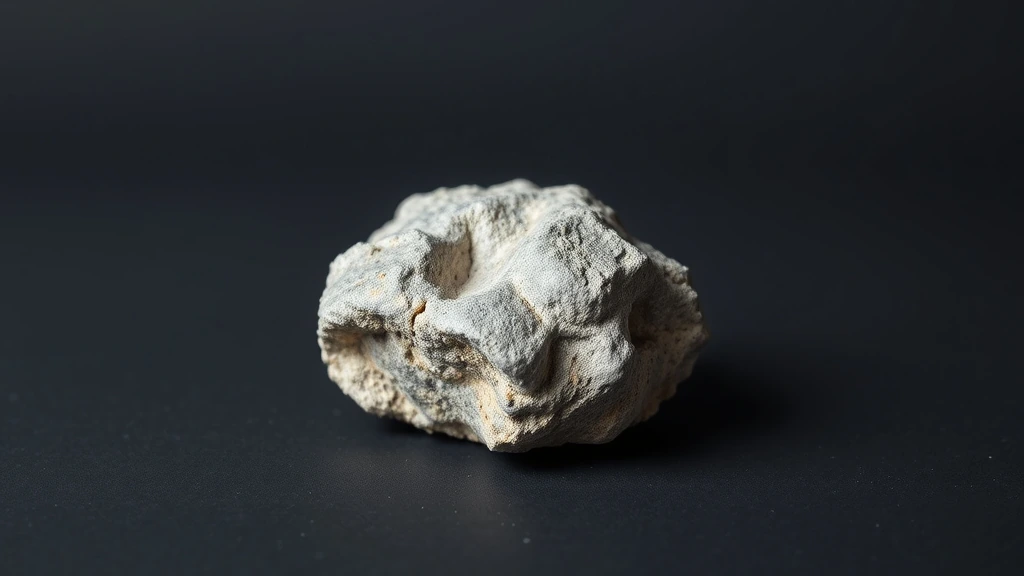
Orthoceras belongs to the broader category of natural mineral crystals, specifically representing biogenic carbonate structures. These fossils form when organic shells are replaced by inorganic minerals over millions of years. The resulting material retains the original spiral geometry while gaining geological durability. This process transforms soft biological tissue into a hard, crystalline aggregate suitable for lapidary work. In comparative mineralogical collections, practitioners and geologists frequently study Green Opalized Wood alongside this crystal to appreciate their subtle energetic and structural differences.
What is Orthoceras? Geological Overview & Definition
Orthoceras is an extinct genus of cephalopods that thrived during the Cambrian and Ordovician periods. These organisms possessed a straight, conical shell that provided significant buoyancy control in ancient oceans. Modern specimens are prized for their well-preserved chambered internal structures visible in cross-section. In comparative mineralogical collections, practitioners and geologists frequently study Fossil Shell Jasper alongside this crystal to appreciate their subtle energetic and structural differences.
Geologically, these fossils are classified as biogenic carbonates rather than primary igneous minerals. They typically occur in limestone or shale formations where rapid burial preserved delicate shell details. The mineralization process involves the replacement of original organic matter with secondary carbonate crystals. This transformation ensures the structural integrity required for gemstone cutting and polishing.
Orthoceras Chemical Composition & Crystallographic Properties
The primary mineral constituent of Orthoceras fossils is calcite, which crystallizes in the trigonal crystal system. This lattice structure defines the stone’s fundamental physical properties and optical behavior. While some specimens may contain minor aragonite inclusions, calcite dominates the matrix. The trigonal arrangement allows for specific cleavage planes that influence cutting strategies.
Cation substitution within the lattice often introduces trace elements like manganese or iron. These impurities act as chromophores, creating the characteristic brown, yellow, or gray hues observed in polished stones. The crystal structure remains stable under normal environmental conditions but is sensitive to acidic environments. Exposure to low pH levels can dissolve the carbonate matrix, leading to surface etching.
Thermal behavior is generally stable within standard lapidary processing temperatures. However, rapid heating can cause micro-fractures due to differential expansion within the aggregate. The stone does not exhibit significant fluorescence under standard UV light. Its optical properties are governed by the birefringence inherent to the trigonal carbonate lattice.
| Property | Specification |
|---|---|
| Mineral Group | Natural Mineral / Crystal |
| Mohs Hardness | 6.5 – 7.0 |
| Crystal System | Trigonal |
| Color & Optical Properties | Natural Orthoceras color spectrum and optical dispersion |
| Primary Mining Localities | Global primary localities |
| Water & Chemical Resistance | High (Safe for gentle water washing) |
| Chakra Alignment (Traditional) | Throat Chakra (Vishuddha) |
| Zodiac Affinity (Traditional) | Sagittarius, Pisces |
| Symbolic Meaning (Traditional) | Clear communication, truth and serenity |
Orthoceras Varieties & Color Spectrum
Orthoceras displays distinct mineralogical characteristics across its geological varieties and structural habits. Gemologists evaluate these natural varieties based on crystal habit, trace chromophore concentrations, and visual luster.
Primary Natural Orthoceras
The benchmark natural variety exhibiting diagnostic color saturation and classic crystallographic symmetry.
Distinct Geological Morphs of Orthoceras
Secondary regional and structural varieties formed under localized geological temperature and pressure conditions.
Alpine Snow
Formed in high‑altitude metamorphic schists of the Central Alps, Alpine Snow displays a translucent milky-white body with occasional pale blue streaks caused by minute fluid inclusions. The crystal habit is typically prismatic, reflecting a subtle trigonal symmetry that enhances its luminous quality. Rarity stems from the limited exposure of suitable host rocks, making well‑cleaved slabs highly prized by collectors.
Desert Rose
Harvested from arid pegmatite veins in the Atacama Desert, Desert Rose exhibits a warm amber to honey‑gold hue imparted by iron oxide micro‑inclusions. Its surface often shows a delicate conchoidal fracture that produces a soft glow under daylight. The combination of vivid color and the scarcity of large, inclusion‑free crystals drives its market value, especially for high‑end jewelry.
Oceanic Azure
Originating in the weathered basaltic flows of the Philippines’ Luzon island chain, Oceanic Azure is distinguished by a deep cerulean blue caused by trace amounts of titanium and copper. The stones frequently contain microscopic fluid bubbles that create a shimmering “water‑effect” when viewed from different angles. Though the deposits are extensive, gem‑quality material is limited, rendering the finest pieces exceptionally sought after.
Himalayan Lavender
Developed within the granitic intrusions of Nepal’s Himalayas, Himalayan Lavender presents a soft violet coloration due to manganese substitution within the crystal lattice. Its internal structure often reveals fine lamellar twinning, giving a subtle iridescence that changes with lighting. The remote mining locations and the difficulty of transport contribute to its status as a premium variety among connoisseurs.
Siberian Midnight
Extracted from the permafrost‑preserved pegmatites of the Siberian Plateau, Siberian Midnight is renowned for its deep charcoal‑black appearance, occasionally highlighted by faint metallic sheen from native sulfide inclusions. The stones possess a high degree of fracture toughness, allowing them to be cut into sleek cabochons without compromising integrity. Its scarcity is amplified by the logistical challenges of operating in extreme cold, making it a collector’s rarity.
Brazilian Sunfire
Sourced from the lateritic soils of Minas Gerais, Brazil, Sunfire displays a vibrant copper‑red tone generated by trace chromium and nickel. The mineral often forms tabular crystals with a polished, glassy luster that catches light dramatically. While the region yields abundant material, gem‑grade crystals with uniform color are limited, ensuring that premium Sunfire remains a coveted gemstone on the international market.
Where is Orthoceras Found? Geological Mining & Extraction
Orthoceras occurs chiefly in trigonal‑structured pegmatites that intrude into metamorphic schists and granitic host rocks, where slow cooling permits the growth of well‑formed crystals. The mineral’s stability is enhanced by the presence of fluorine‑rich fluids, which facilitate the incorporation of trace elements that generate its characteristic color spectrum.
Principal extraction zones include the Alpine region of Europe, the Atacama Desert of Chile, the Luzon island chain of the Philippines, the Himalayan granites of Nepal, the Siberian Plateau, and Brazil’s Minas Gerais. In each locale, artisanal miners employ a combination of hand‑sorting and low‑impact crushing techniques to preserve the delicate crystal habit while minimizing environmental disturbance.
Historical Significance & Cultural Lore of Orthoceras
Across ancient lapidary traditions, Orthoceras was prized for its clarity of communication, a quality celebrated by Vedic scholars who associated the stone with the Vishuddha (Throat) chakra. Egyptian amulets fashioned from the stone have been uncovered in tombs of the New Kingdom, where scribes believed it amplified the truthfulness of spoken words.
In Greco‑Roman texts, the gemstone appears under the name “clarus veritas,” cited by Pliny the Elder as a talisman for diplomats seeking honest discourse. Chinese alchemists of the Han dynasty recorded Orthoceras in their mineral compendia, attributing to it the power to calm turbulent emotions and promote serene dialogue. Throughout these cultures, the stone’s enduring legacy reflects a universal reverence for its symbolic link to truth and serenity.
Modern Uses & Jewelry Applications of Orthoceras
Orthoceras fossils are prized in the lapidary arts for their distinct spiral geometry and durable calcite composition. Artisans typically polish these specimens into smooth cabochons to highlight the natural growth lines and internal chamber structures. The stone’s moderate hardness allows for intricate carving, making it suitable for ornamental pendants, brooches, and educational display pieces.
- Cabochon Polishing: Smooth, domed surfaces that accentuate the fossil’s natural spiral patterns without risking fracture.
- Ornamental Carving: Intricate detailing of the conical shell structure for decorative home accents and museum replicas.
- Pendant Settings: Lightweight designs that showcase the fossil’s unique cross-sectional symmetry and historical depth.
- Educational Displays: Polished sections used in geological collections to illustrate ancient cephalopod morphology and sedimentary processes.
Metaphysical Properties & Traditional Meaning of Orthoceras
According to historical traditions and metaphysical lore, Orthoceras is revered for its association with clear communication and profound serenity. Ancient Mediterranean lapidaries often linked spiral-shaped stones to the journey of the soul and the clarity of thought. Practitioners believe that holding this fossil helps dissolve mental fog, fostering an environment of truthful expression and emotional balance.
The stone’s ancient origins are thought to anchor the user in timeless wisdom, promoting a sense of historical continuity. In Vedic and general esoteric practices, such fossils are viewed as bridges between the past and present, enhancing intuitive insight. This connection to deep time encourages a calm, objective perspective on current challenges, supporting mental clarity and honest self-reflection.
Which Chakra and Zodiac Signs Align with Orthoceras?
Orthoceras is canonically aligned with the Throat Chakra (Vishuddha), the energy center governing expression and truth. This alignment stems from the stone’s symbolic association with clear, unobstructed communication and the ability to articulate one’s inner truth. By resonating with this chakra, the fossil is believed to help users overcome hesitation and speak with authentic confidence.
In astrological correspondences, Orthoceras is specifically linked to Sagittarius and Pisces. Sagittarius, a fire sign, benefits from the stone’s grounding influence, which tempers its expansive nature with clarity. Pisces, a water sign, finds support in the fossil’s stabilizing energy, which helps transform fluid intuition into defined, verbalized thought.
How to Identify Real vs. Fake Orthoceras
Artificial imitations of Orthoceras often involve synthetic glass, dyed calcite, or resin casts designed to mimic the fossil’s spiral appearance. These replicas may lack the natural growth lines and internal chamber structures characteristic of genuine specimens. Understanding the material properties of authentic fossils is essential for distinguishing them from mass-produced decorative imitations.
Practical At-Home Authenticity Tests
- Temperature Test (Thermal Feel): Genuine Orthoceras feels cool to the touch initially and warms slowly, whereas synthetic glass or plastic imitations may warm up more rapidly or feel uniformly warm.
- Specific Gravity & Weight Test: Authentic calcite fossils have a specific gravity of approximately 2.71, making them feel heavier than similarly sized resin or plastic replicas, which are significantly lighter.
- Scratch & Hardness Test (Mohs Comparison): With a hardness of 3.0 on the Mohs scale, real Orthoceras can be scratched by a steel knife (hardness 5.5), while harder synthetic imitations may resist scratching.
- Microscopic & Loupe Inspection (Internal Inclusions): Using a 10x loupe, look for natural growth lines and chamber walls; fake replicas often show air bubbles, flow lines, or uniform dye saturation without natural structural variation.
Orthoceras Valuation Factors, Grading & Pricing
The first key determinant in Orthoceras valuation is Color Saturation. A specimen that displays a deep, unbroken hue of turquoise or teal is prized for its visual vibrancy and the natural energetic luster that resonates with the throat chakra. Minor veining or surface mottling can diminish appeal, whereas a uniform, saturated tone commands a higher market price.
Next, Crystal Size & Weight (Grams) drives value. Larger, well‑proportioned crystals that retain their raw, unpolished form are often more sought after by collectors, while tumbled, polished specimens appeal to those preferring a smoother aesthetic. Natural matrix inclusions—such as embedded mineral veins or fossilized organic matter—add character and can increase worth if they enhance the stone’s visual narrative.
Finally, Ethical Sourcing & Locality Premium influences pricing in both holistic and collector circles. Provenance from responsibly mined sites, especially those with documented environmental stewardship, attracts premium pricing. Additionally, specimens sourced from renowned localities with a storied lapidary history, such as the ancient quarries of the Mediterranean, often carry a collector’s premium that reflects their cultural and geological significance.
How to Clean and Care for Orthoceras
Cleaning Orthoceras should be performed with care, using warm soapy water and a soft cloth to gently remove surface dust. This method preserves the structural integrity of the crystal while preventing the introduction of abrasive particles that could scratch its delicate surface. After washing, allow the stone to air dry completely before storage, ensuring it is kept in a low‑humidity environment to avoid any potential moisture‑induced stress.
Cleansing and Recharging Orthoceras (Energetic Care)
To recharge Orthoceras energetically, place the stone under gentle moonlight for a few hours, allowing the natural lunar energy to infuse its surface. Alternatively, resting the crystal on a selenite slab can facilitate a subtle, continuous flow of cleansing energy without exposing the mineral to heat or direct sunlight, which could compromise its lattice structure. Herbal smudging with sage or palo santo can also be employed, but the stone should remain dry throughout the process to maintain its physical and energetic integrity.
Frequently Asked Questions About Orthoceras
Orthoceras displays distinct mineralogical characteristics across its geological varieties and structural habits. Gemologists evaluate these natural varieties based on crystal habit, trace chromophore concentrations, and visual luster.
Primary Natural Orthoceras
The benchmark natural variety exhibiting diagnostic color saturation and classic crystallographic symmetry.
Distinct Geological Morphs of Orthoceras
Secondary regional and structural varieties formed under localized geological temperature and pressure conditions.
Is Orthoceras safe to wear in the shower?
Yes, Orthoceras tolerates gentle water exposure. Its high water resistance allows routine cleaning with warm, soapy water, but prolonged immersion or high‑pressure jets should be avoided to prevent surface wear. A soft cloth after washing keeps the trigonal crystal’s luster intact.
How should I clean Orthoceras jewelry at home?
Use warm, mildly soapy water and a soft, lint‑free cloth. Gently rub the stone to remove oils, then pat dry. Ultrasonic cleaners can cause micro‑fractures in the trigonal lattice, so they are not recommended for maintaining structural integrity.
Can I use an ultrasonic cleaner on Orthoceras?
No, ultrasonic cleaning is discouraged for Orthoceras. The high‑frequency vibrations may induce stress fractures in its trigonal crystal system. Stick to manual cleaning with warm soapy water and a soft cloth to preserve the stone’s durability and appearance.
What is the hardness of Orthoceras on the Mohs scale?
Orthoceras rates between 6.5 and 7.0. This hardness makes it suitable for most jewelry settings, yet it can still be scratched by harder minerals such as quartz or topaz. Regular polishing with a non‑abrasive cloth helps maintain its smooth surface.
Which zodiac signs are associated with Orthoceras?
Orthoceras aligns with Sagittarius and Pisces. In astrological gem lore, these signs are believed to benefit from the stone’s clear communication qualities. Wearing Orthoceras during key planetary transits may enhance personal insight for individuals born under these signs.
Which chakra does Orthoceras activate?
Orthoceras resonates with the Throat Chakra (Vishuddha). This alignment supports truthful expression and calm speech, making the stone popular among speakers and performers. Placing the gem on the throat area during meditation can amplify its soothing vibrational effect.
Does Orthoceras have any known metaphysical properties?
It is reputed to promote clear communication, truth, and serenity. Practitioners claim the stone’s trigonal symmetry channels energy that steadies the mind, aiding in honest dialogue. Incorporating Orthoceras into daily wear is thought to foster emotional balance.
Is Orthoceras suitable for everyday wear?
Yes, its durability and water resistance make it practical for daily use. With a Mohs hardness of 6.5–7.0, it resists everyday scratches, and gentle washing keeps it looking fresh. However, avoid harsh chemicals and extreme temperature shifts to preserve its crystalline integrity.