
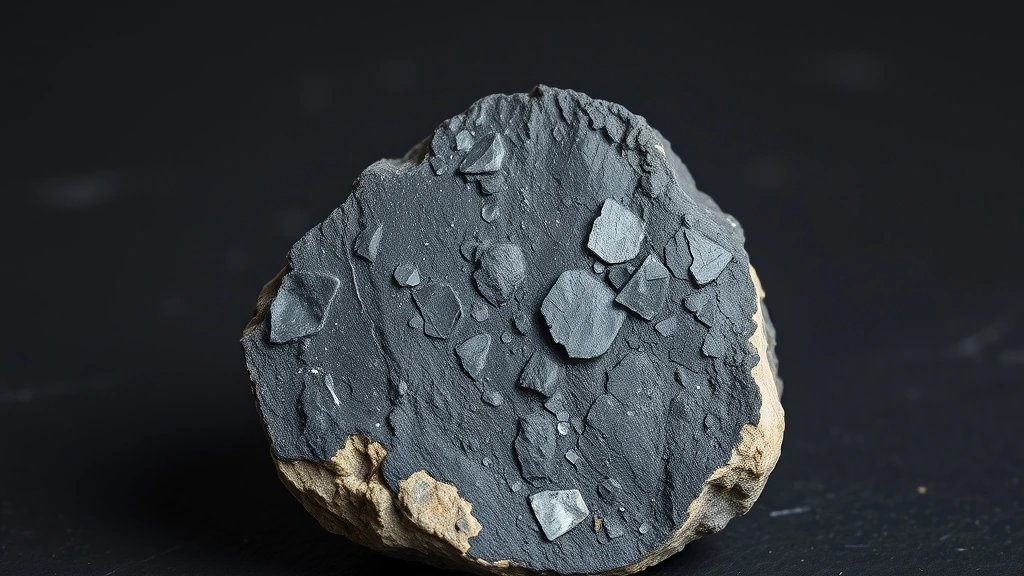
Painite belongs to the natural mineral group, specifically classified as a rare boroaluminate. It is not a rock or aggregate but a distinct crystalline species. Its geological origin is tightly restricted to specific metamorphic environments. This rarity elevates its status among collectors and scientists alike. In comparative mineralogical collections, practitioners and geologists frequently study Benitoite alongside this crystal to appreciate their subtle energetic and structural differences.
What is Painite ? Geological Overview & Definition
Painite was first identified in 1957 from a specific locality in Myanmar. It occurs in metamorphosed limestone associated with marble and garnet. The mineral forms under high-pressure conditions typical of regional metamorphism. Its discovery revolutionized the understanding of rare earth element distribution.
The gemstone is defined by its extreme scarcity and unique chemical signature. It is the rarest gemstone known to science, with limited deposits worldwide. Most specimens are found as small crystals or inclusions. This geological constraint makes verified specimens highly valuable for research. While Painite’s rarity is defined by its terrestrial chemical signature, the Campo Del Cielo Meteorite offers a contrasting example of extreme scarcity, where extraterrestrial origin and limited recovery sites similarly drive its value in the scientific community.
Painite Chemical Composition & Crystallographic Properties
Painite crystallizes in the Hexagonal crystal system, forming distinct prismatic structures. Its lattice is defined by the stoichiometric formula CaZrAl₉O₁₅(BO₃). The arrangement of atoms creates a stable, rigid framework. This structure contributes to its high density of 4.01 g/cm³.
The chromophore responsible for its red color is primarily due to trace iron impurities. These color centers interact with light to produce the characteristic hue. The mineral is optically uniaxial negative, with specific refractive indices of n_o = 1.8159 and n_e = 1.7875. This optical behavior aids in precise identification under polarized light.
Thermal behavior analysis shows painite is stable under standard gemological conditions. It does not exhibit significant cation substitution with other elements in its primary structure. The mineral is generally resistant to common acids used in cleaning. However, extreme heat can potentially alter its optical properties slightly.
| Property | Specification |
|---|---|
| Mineral Group | Natural Mineral / Crystal |
| Chemical Formula | CaZrAl₉ O₁₅ (BO₃ ) |
| Mohs Hardness | 7.5 – 8 |
| Crystal System | Hexagonal crystal system |
| Specific Gravity (Density) | 4.01 |
| Refractive Index | n o = 1.8159, n e = 1.7875 |
| Color & Optical Properties | Natural Painite Gemstone color spectrum and optical dispersion |
| Primary Mining Localities | Global primary localities |
| Water & Chemical Resistance | High (Safe for gentle water washing) |
| Chakra Alignment (Traditional) | Crown Chakra, Third Eye Chakra |
| Zodiac Affinity (Traditional) | Leo, Sagittarius |
| Symbolic Meaning (Traditional) | Rarity, protection, and spiritual awakening |
Painite Varieties & Color Spectrum
Painite is an exceptionally rare mineral with a highly restricted color palette, primarily manifesting in deep reds and oranges. Unlike common gemstones, it lacks significant chromatic diversity due to its specific chemical formula of CaZrAl9O15(BO3). The stone’s hue is dictated by trace impurities within its hexagonal crystal system structure. Consequently, collectors prize the intensity and saturation of its warm tones above all other visual attributes.
Classic Red Painite
This variety displays a vibrant, saturated red that is often compared to high-quality rubies. It forms in the specific host rock environments of the Mogok region in Myanmar. The color arises from iron impurities substituting within the crystal lattice. These specimens are exceptionally rare, with fewer than 200 crystals ever documented.
Orange-Red Painite
Characterized by a warm, fiery orange-red hue, this morph is slightly more common than the pure red variety. It typically exhibits a refractive index that enhances its internal brilliance and fire. The color shift is attributed to varying concentrations of manganese and iron. These stones often possess a distinct vitreous luster that catches the light.
Deep Crimson Painite
This rare morph presents an intense, dark crimson coloration that appears nearly black in low light. It is found in the same geological deposits as other Myanmar specimens. The depth of color is linked to higher concentrations of specific trace elements. Such stones are highly sought after by serious mineral collectors.
Pale Pink Painite
Occasionally, painite crystals exhibit a lighter, pinkish-red tone that is less saturated. These specimens are generally smaller in size and may contain more visible inclusions. The Mohs hardness remains consistent at 7.5 to 8, ensuring durability. This variety is often overlooked in favor of the deeper reds.
Where is Painite Found? Geological Mining & Extraction
Painite is exclusively found in the pegmatite deposits of the Mogok Valley in Myanmar. It occurs as small crystals embedded within a matrix of other minerals, including quartz and feldspar. The geological conditions required for its formation are extremely specific and rare. This limited geographic origin contributes significantly to its status as the world’s rarest gemstone.
Extraction is challenging due to the stone’s fragility and the difficulty of locating small crystals. Miners must carefully hand-pick the stones from the host rock to avoid damage. The density of 4.01 helps distinguish it from similar-looking minerals during sorting. Most commercial specimens are recovered from artisanal mining operations in the region.
Historical Significance & Cultural Lore of Painite
Painite was not known to ancient civilizations, as it was first discovered in the 1960s. It was initially misidentified as spinel or ruby by early collectors and gemologists. The mineral was formally described in 1967, marking a significant moment in modern gemology. Its discovery challenged existing assumptions about the diversity of rare minerals.
The stone is named after J. D. Pain, a British mineralogist who first identified it. In modern esoteric traditions, it is associated with the Crown Chakra and spiritual awakening. Its extreme rarity has led to a lore of protection and exclusivity among collectors. This cultural narrative reinforces its value beyond mere aesthetic appeal.
Modern Uses & Jewelry Applications of Painite
Due to its extreme rarity, Painite is primarily valued as a collector’s mineral rather than a common jewelry stone. Lapidaries typically cut small, high-quality crystals into faceted gems to maximize brilliance, though larger specimens are often preserved in their natural hexagonal form for museum display.
- Faceted Cuts: Standard round, oval, or cushion cuts are used to highlight the stone’s vibrant red-orange hue and high refractive index.
- Cabochons: Smooth, polished domes are occasionally crafted for larger, inclusion-free pieces to showcase the stone’s unique luster.
- Ornamental Carving: Rarely, large, clean crystals are carved into small pendants or brooches for high-end bespoke jewelry collections.
Safety & Mineral Profile of Painite
Painite is chemically stable and poses no significant health risks during standard handling or cutting. Its Mohs hardness of 7.5–8 makes it durable enough for jewelry but requires care to avoid chipping during polishing. It is essential to recognize that Painite is a scientific specimen valued for its geological significance, not for therapeutic or crystal healing properties.
- Handling: Use standard gemological gloves to prevent oil transfer, which can obscure the stone’s clarity.
- Stability: The mineral is resistant to most household chemicals but should be cleaned with mild soap and water only.
- Epistemic Caution: While modern metaphysical communities associate it with spiritual awakening, there is no scientific evidence supporting these claims. Prioritize mineralogical appreciation over pseudoscientific lore.
Mineralogical Group and Planetary Lore of Painite
Painite belongs to the hexagonal crystal system and is a rare calcium-zirconium-aluminum borate. It was first described in 1957, making it one of the rarest gemstones ever discovered, surpassing even the diamond in terms of scarcity per specimen produced.
Traditional astrological alignments link Painite to Leo and Sagittarius, reflecting its fiery red-orange color. It is also associated with the Crown and Third Eye Chakras, symbolizing protection and higher consciousness, though these connections remain strictly esoteric and non-scientific.
How to Identify Real vs. Fake Painite
Given its astronomical value, synthetic imitations and dyed replicas are common in the secondary market. Synthetic glass and lab-created spinel are the primary fakes, often mimicking Painite’s color and brilliance. Buyers must rely on certified gemological reports, as visual inspection alone is insufficient for definitive identification.
Practical At-Home Authenticity Tests
- Temperature Test (Thermal Feel): Genuine Painite feels cool to the touch initially due to its high thermal conductivity. Imitations like plastic warm up quickly, while glass retains a different thermal signature.
- Specific Gravity & Weight Test: With a specific gravity of 4.01, Painite feels significantly heavier than glass or plastic of the same size. Use a precision scale to compare weight against known standards.
- Scratch & Hardness Test (Mohs Comparison): Painite has a Mohs hardness of 7.5–8. It will scratch quartz (7) but may be scratched by topaz (8). Be careful, as this test is destructive.
- Microscopic & Loupe Inspection (Internal Inclusions): Use a 10x loupe to look for natural inclusions or growth patterns. Synthetic glass often contains bubbles, while dyed stones show color concentration along cracks.
Painite Valuation Factors, Grading & Pricing
The primary driver of value is Color Saturation, which must exhibit a deep, uniform orange-red hue. Gemologists assess tone consistency across the entire stone to ensure no zoning or pale areas exist. High optical clarity and a brilliant luster significantly enhance the gem’s visual appeal and market desirability.
Specimen Dimensions & Matrix Intactness is the most critical factor, as large, transparent specimens are exceptionally rare. crystal cluster integrity must be precise to maximize light return and minimize the visibility of internal flaws. The presence of matrix or inclusions drastically reduces value, as pristine, inclusion-free crystals command the highest premiums.
Geographical Provenance Premium heavily influences pricing, with stones from the original Mogok region in Myanmar fetching top-tier rates. Wholesale values remain stable but low due to extreme scarcity, while retail prices for certified stones are exceptionally high. Market trends indicate that verified, high-quality painite continues to appreciate steadily among serious collectors.
How to Clean and Care for Painite
To maintain the integrity of your painite, always use warm soapy water and a soft, lint-free cloth for gentle cleaning. This method effectively removes surface oils and dust without risking damage to the delicate crystal structure. Ensure the gemstone is thoroughly dried with a soft towel after washing to prevent water spots.
It is strictly necessary to avoid ultrasonic cleaners when handling painite to prevent potential structural fractures. The hexagonal crystal system can be sensitive to intense vibrations, which may cause internal stress or cracking. Stick to manual, low-impact cleaning methods to preserve the stone’s long-term durability and brilliance.
Cleansing and Recharging Painite (Energetic Care)
For energetic maintenance, utilize dry methods that respect the mineral’s physical stability and solubility limits. Smoke smudging with sage or palo santo is an excellent way to clear negative energy without exposing the stone to moisture. This practice aligns with the gem’s association with the Crown and Third Eye chakras.
Alternatively, place the gemstone on a selenite plate or under moonlight for passive recharging. These methods allow the crystal to absorb ambient energy safely, avoiding any risk of physical stress. Regular, gentle energetic care helps maintain the stone’s spiritual resonance and protective qualities.
Frequently Asked Questions About Painite
Is Painite safe to wear in the shower?
Yes, Painite is safe for gentle water exposure. Its high water resistance allows it to withstand brief contact with water without damage. However, avoid prolonged soaking or harsh chemical soaps. Always dry the stone thoroughly after washing to maintain its luster and prevent any potential surface residue buildup on the gem.
Can I clean Painite with an ultrasonic cleaner?
No, you must avoid ultrasonic cleaners for this gemstone. The vibrations can cause structural fractures due to its brittle nature despite its hardness. Instead, use warm soapy water and a soft cloth for cleaning. This gentle method ensures the stone remains intact while effectively removing dirt and oils from its surface.
What is the chemical formula of Painite?
The formula is CaZrAl9O15(BO3). This complex composition defines its unique mineralogical identity. It belongs to the hexagonal crystal system, which influences its optical properties. Understanding this formula helps gemologists distinguish Painite from other rare borosilicate minerals found in metamorphic rocks.
How hard is Painite on the Mohs scale?
Painite rates between 7.5 and 8 on the Mohs scale. This makes it quite durable for daily wear. However, its cleavage planes can make it susceptible to chipping if struck. Proper setting and care are essential to protect the stone from impact damage during everyday activities.
Which zodiac signs are compatible with Painite?
Leo and Sagittarius are the primary aligned signs. These fire signs resonate with Painite’s energy of rarity and protection. Wearing this stone may enhance confidence and spiritual insight for these individuals. It serves as a powerful talisman for those seeking spiritual awakening and personal strength.
Which chakras does Painite align with?
It aligns with the Crown and Third Eye chakras. These connections support intuition and higher consciousness. The stone’s rarity symbolizes a rare spiritual journey. Meditating with Painite can help open these energy centers, fostering protection and deeper mental clarity for the wearer.
Where is Painite primarily found?
Myanmar is the only known natural source. Specifically, it occurs in the Mogok Valley region. This extreme rarity makes it one of the most valuable gemstones in the world. Most specimens are small, and large, faceted stones are exceedingly rare and highly sought after by collectors.
What is the refractive index of Painite?
The indices are n_o = 1.8159 and n_e = 1.7875. These values indicate high brilliance and dispersion. The hexagonal crystal structure contributes to its distinct optical behavior. Gemologists use these precise measurements to verify authenticity and distinguish Painite from synthetic or look-alike minerals in the lab.