
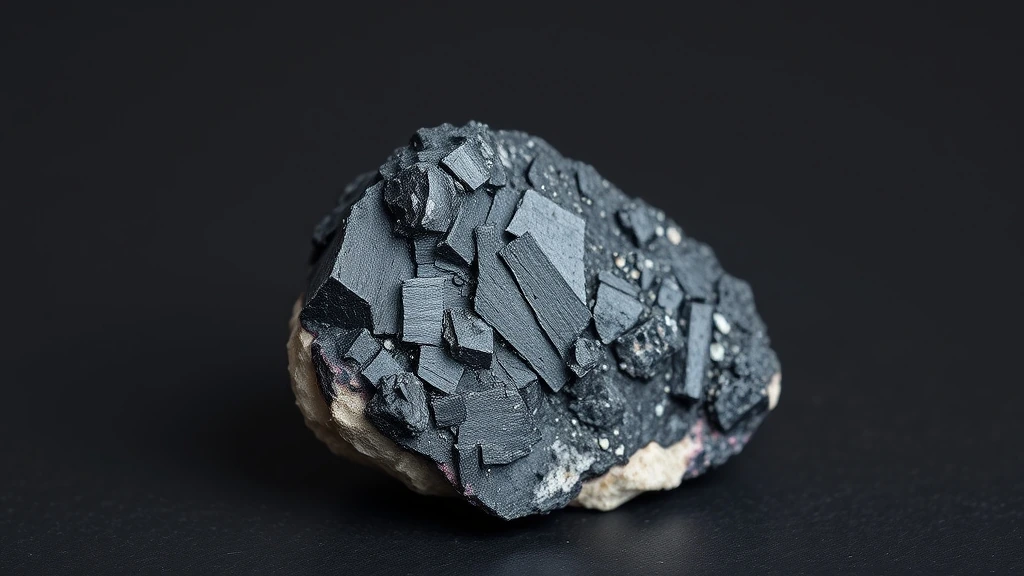
Spinel belongs to the natural mineral family of oxides and is classified as a cubic crystal within the broader oxide group. Formed in high‑temperature metamorphic and magmatic environments, it often occurs as well‑formed octahedral crystals or granular aggregates, reflecting its robust lattice and resistance to weathering.
What is Spinel? Geological Overview & Definition
Spinel is a binary oxide mineral composed principally of magnesium, aluminum, and oxygen, crystallizing in the cubic crystal system. Its name derives from the Latin *spina* (spine) due to the sharp, angular crystal habit observed in many specimens.
In nature, spinel occurs as isolated crystals, massive aggregates, or as inclusions within other rocks such as kimberlites and metamorphic schists. The mineral’s stability at high temperatures makes it a key indicator of deep‑earth processes and mantle-derived magmas.
Spinel Chemical Composition & Crystallographic Properties
The ideal formula MgAl₂O₄ reflects a spinel‑type lattice where Mg²⁺ occupies tetrahedral sites and Al³⁺ fills octahedral positions within a close‑packed oxygen framework. This arrangement yields a highly symmetrical isometric (cubic) unit cell with a lattice parameter near 8.08 Å.
Cation substitution is common: Fe²⁺, Zn²⁺, Cr³⁺, and Mn²⁺ can replace Mg or Al, producing a range of colors and densities. For example, Zn‑rich spinel can reach a specific gravity of 4.40, whereas typical specimens range from 3.58 to 3.61.
Spinel is chemically resistant but can be attacked by strong acids at elevated temperatures, a property used in laboratory dissolution studies. Its chromophore centers—primarily Cr³⁺ for red and Fe²⁺/Ti⁴⁺ for blue—absorb specific wavelengths, creating the gemstone’s vivid hues.
Thermally, spinel exhibits a high melting point (~2100 °C) and retains its crystal symmetry up to about 1200 °C before undergoing a reversible order‑disorder transition that can affect its optical properties. This thermal stability underpins its use in refractory applications and high‑temperature research.
| Property | Specification |
|---|---|
| Mineral Group | Natural Mineral / Crystal |
| Mohs Hardness | 7.5–8.0 |
| Crystal System | Cubic crystal system |
| Specific Gravity (Density) | (Depending on the composition) The rare Zn-rich spinel can be as high as 4.40, otherwise it averages from 3.58 to 3.61. |
| Refractive Index | 1.719 |
| Color & Optical Properties | Natural Spinel color spectrum and optical dispersion |
| Primary Mining Localities | Global primary localities |
| Water & Chemical Resistance | High (Safe for gentle water washing) |
| Chakra Alignment (Traditional) | Heart Chakra, Crown Chakra |
| Zodiac Affinity (Traditional) | Leo, Sagittarius |
| Symbolic Meaning (Traditional) | Vitality, passion, and spiritual awakening |
Spinel Varieties & Color Spectrum
Red Spinel
Formed in magmatic mafic rocks and high‑temperature metamorphic zones, red spinel derives its vivid hue from trace chromium. In Burmese deposits the crystals often display minute rutile needles that create a silky sheen, while Tanzanian red spinel is prized for its deep, uniform saturation. The rarity of gem‑quality red spinel rivals that of ruby, driving high market values.
Blue Spinel
Blue spinel acquires its color from iron‑bearing inclusions and occasional vanadium, crystallizing in the cobalt‑rich pegmatites of Sri Lanka. The stones typically exhibit a trichroic effect, shifting from deep sapphire to lighter teal under different lighting. Large, clear blue spinels are scarce, making Sri Lankan and Tanzanian specimens especially coveted by collectors.
Pink Spinel
Pink spinel forms in the ultramafic xenoliths of the Pamir Mountains, where manganese substitutes for magnesium in the crystal lattice. The gems often show a delicate, glassy luster with occasional feather‑like inclusions that enhance their romantic appeal. While pink spinel is more abundant than red, high‑clarity stones from Afghanistan remain among the most sought after.
Black Spinel
Black spinel is a product of iron‑rich environments, commonly occurring in the kimberlitic pipes of the Central African Republic. Its opaque, metallic luster results from abundant Fe³⁺ ions, and the stones may contain microscopic inclusions of garnet or olivine. Though abundant in bulk, gem‑grade black spinel with flawless clarity is relatively rare and prized for avant‑garde jewelry.
Purple Spinel
Rare purple spinel originates from the chromite‑bearing ultramafic complexes of Myanmar, where trace amounts of manganese and chromium produce a regal violet hue. The crystals often display a subtle pleochroism, shifting from deep plum to lavender, and may contain tiny spinel‑in‑spinel inclusions that intrigue gemologists. Limited production and high demand keep Myanmar purple spinel among the most exclusive colors.
Zn‑Rich Spinel (Zinc Spinel)
The zinc‑rich variety, identified in the Zn‑bearing skarn deposits of the Zaire region, can reach densities as high as 4.40 g/cm³, distinguishing it from typical spinel. Its color ranges from pale yellow to bright orange, and the high zinc content imparts a distinctive fluorescence under UV light. Because of its unusual chemistry and limited occurrence, Zn‑rich spinel is a collector’s specialty.
Where is Spinel Found? Geological Mining & Extraction
Spinel crystals grow in high‑temperature, low‑pressure environments such as mafic and ultramafic pegmatites, kimberlite pipes, and skarn deposits. In these settings, magnesium‑rich fluids infiltrate host rocks, allowing MgAl₂O₄ to crystallize alongside corundum, garnet, and peridotite, often accompanied by rutile or spinel‑in‑spinel inclusions that aid identification.
Major mining districts include the Mogok region of Myanmar, the Tanzanian coastal deposits near Tanga, the Pamir‑Alay range of Afghanistan, and the Central African Republic’s kimberlite fields. Modern extraction combines selective hand‑sorting of alluvial gravels with mechanized open‑pit methods, followed by careful gravity separation to preserve the delicate crystal habit of gem‑quality spinel.
Historical Significance & Cultural Lore of Spinel
Ancient Romans prized red spinel as “balas ruby,” embedding it in imperial signet rings and the famed Crown of the Holy Roman Empire; archaeological surveys reveal spinel beads in Egyptian tombs dating to the New Kingdom, indicating early trade along the Red Sea corridor. Medieval manuscripts describe spinel’s ability to protect warriors, a belief that persisted into the Renaissance when alchemists associated the stone with the philosopher’s fire.
In Eastern traditions, blue and pink spinels were linked to the Heart and Crown Chakras, believed to amplify vitality and spiritual awakening, while ancient Persian and Indian lapidary lore claimed that dark spinel gemstones could ward off misfortune and negative energy. The gemstone’s enduring allure across cultures underscores its dual role as a material of exquisite beauty and a talisman of esoteric power.
Modern Uses & Jewelry Applications of Spinel
Spinel’s exceptional luster and vibrant color palette make it a premier choice for high-end jewelry design. Lapidaries typically cut these stones into brilliant or oval faceted shapes to maximize their optical fire and brilliance. The gem’s durability allows for intricate settings that showcase its natural beauty without excessive protective measures.
- Faceted Cuts: Ideal for engagement rings and solitaire pendants due to high brilliance.
- Cabochons: Used for rare star spinel varieties to display asterism effects.
- Ornamental Carving: Historical use in cameos and intaglios, particularly in Asian markets.
Carat, Quality Grades & Value Factors of Spinel
The market value of spinel is primarily driven by its color saturation and hue purity. The most coveted shades are vivid reds, known as “rubellite,” and intense blues, often compared to sapphire. Stones with secondary hues or muddy tones command significantly lower prices in the global gem trade.
Clarity and cut precision further influence the final valuation of the gemstone. Eye-clean stones with excellent proportions reflect light more efficiently, enhancing perceived color intensity. Large, flawless specimens over five carats are rare and fetch premium prices at major auctions.
Zodiac and Astrological Lore of Spinel
In traditional astrological systems, spinel is strongly associated with the fire signs of Leo and Sagittarius. These alignments reflect the stone’s energetic vibrancy and its capacity to stimulate personal power and adventure. Wearers of these signs often select spinel to amplify their innate confidence and creative drive.
The gemstone also resonates deeply with the Heart Chakra and Crown Chakra. This dual connection suggests a balance between emotional vitality and higher spiritual awareness. Historically, it was believed to foster passion while simultaneously opening pathways to intuitive insight.
How to Identify Real vs. Fake Spinel
Distinguishing natural spinel from imitations requires careful examination of physical properties and internal characteristics. Common fakes include synthetic glass, dyed quartz, and lab-created corundum, which can mimic spinel’s appearance. Understanding these differences is crucial for consumers to avoid purchasing misidentified or artificially treated stones.
Practical At-Home Authenticity Tests
- Temperature Test (Thermal Feel): Real spinel feels cool to the touch initially but warms up quickly due to its thermal conductivity. Glass imitations, however, tend to warm up faster and retain heat differently, offering a subtle tactile distinction.
- Specific Gravity & Weight Test: Spinel has a density ranging from 3.58 to 3.61 g/cm³, making it noticeably heavier than glass of the same size. Comparing the stone’s weight against a known reference can help identify lighter fakes.
- Scratch & Hardness Test (Mohs Comparison): With a Mohs hardness of 7.5–8.0, spinel will scratch quartz (7.0) but not topaz (8.0). A gentle scratch test on a safe surface can confirm its relative hardness against common gemstones.
- Microscopic & Loupe Inspection (Internal Inclusions): Use a 10x loupe to look for natural inclusions like fingerprint-like fluid inclusions or crystal fragments. Glass imitations often contain circular bubbles or swirl marks that are not found in natural spinel.
Spinel Valuation Factors, Grading & Pricing
The primary driver of market value is Color Saturation, where deep, vivid hues command the highest premiums. Uniformity across the stone ensures visual consistency, while high optical clarity eliminates distracting inclusions. A strong, glassy luster further enhances the gem’s brilliance and overall aesthetic appeal.
Carat Weight significantly influences pricing, as larger, flawless specimens are exponentially rarer than smaller stones. Precise facet symmetry maximizes light return, adhering to rigorous lapidary standards. The 4Cs framework, adapted from diamond grading, provides a standardized metric for evaluating cut, clarity, and color.
Geographical Provenance Premium reflects the historical significance and scarcity of specific mining origins. Certified gem market value trends show substantial appreciation for stones from renowned localities. Independent laboratory reports verify origin, ensuring buyers receive accurate information regarding the stone’s pedigree.
How to Clean and Care for Spinel
Spinel possesses a Mohs hardness of 7.5 to 8.0, making it durable for daily wear. For routine maintenance, immerse the gem in warm soapy water and gently scrub with a soft cloth. This method effectively removes oils and dust without damaging the surface.
Always avoid ultrasonic cleaners, as high-frequency vibrations can induce structural fractures in certain specimens. Rinse thoroughly under lukewarm running water to eliminate any residual soap. Dry the stone immediately with a lint-free microfiber cloth to prevent water spots.
Cleansing and Recharging Spinel (Energetic Care)
To cleanse the stone energetically, place it in a dry, well-ventilated area for gentle moonlight exposure. This method allows the crystal to absorb ambient energy without risking thermal shock or lattice damage. Avoid direct sunlight, which can cause uneven heating and potential discoloration over time.
For deeper recharging, rest the spinel on a selenite slab or use herbal smudging with sage. These dry holistic techniques respect the mineral’s physical integrity while addressing metaphysical intentions. Ensure the environment remains cool and stable to preserve the gem’s structural stability.
Frequently Asked Questions About Spinel
Is spinel safe to wear in the shower?
Yes, spinel is highly water-resistant and safe for gentle water washing. Its durable cubic crystal structure allows it to withstand occasional exposure to water without significant risk. However, prolonged soaking in hot water with chemical shampoos is not recommended.
How should I clean my spinel jewelry?
Use warm soapy water and a soft cloth for routine cleaning. This gentle method effectively removes oils and dirt while preserving the stone’s integrity. Avoid ultrasonic cleaners entirely to prevent potential structural fractures within the gemstone.
What is the chemical composition of spinel?
Spinel belongs to the oxide mineral group with the formula MgAl₂O₄. While magnesium and aluminum are the primary elements, trace impurities create its diverse color range. The specific chemical formula dictates its physical properties and optical behavior.
How hard is spinel on the Mohs scale?
Spinel rates between 7.5 and 8.0 on the Mohs hardness scale. This makes it exceptionally durable for daily wear in rings and bracelets. It is harder than topaz but slightly softer than corundum, offering excellent scratch resistance for jewelry.
What is the refractive index of spinel?
The refractive index of spinel is approximately 1.719. This high value contributes to its impressive brilliance and fire when cut correctly. It is a key metric gemologists use to distinguish spinel from similar-looking stones like ruby.
Which zodiac signs are associated with spinel?
Spinel is traditionally aligned with Leo and Sagittarius. These fire signs resonate with the stone’s energetic properties. Wearing spinel is believed to enhance the natural vitality and passion inherent in these zodiacal alignments.
Which chakras does spinel activate?
Spinel is primarily associated with the Heart Chakra and Crown Chakra. It is thought to facilitate emotional balance and spiritual connection. This dual alignment supports both emotional healing and higher consciousness in metaphysical practices.
What is the density of spinel?
Spinel typically averages a density between 3.58 and 3.61 g/cm³. Rare zinc-rich varieties can reach up to 4.40 g/cm³. This specific gravity helps gemologists differentiate spinel from other gemstones with similar visual characteristics.