
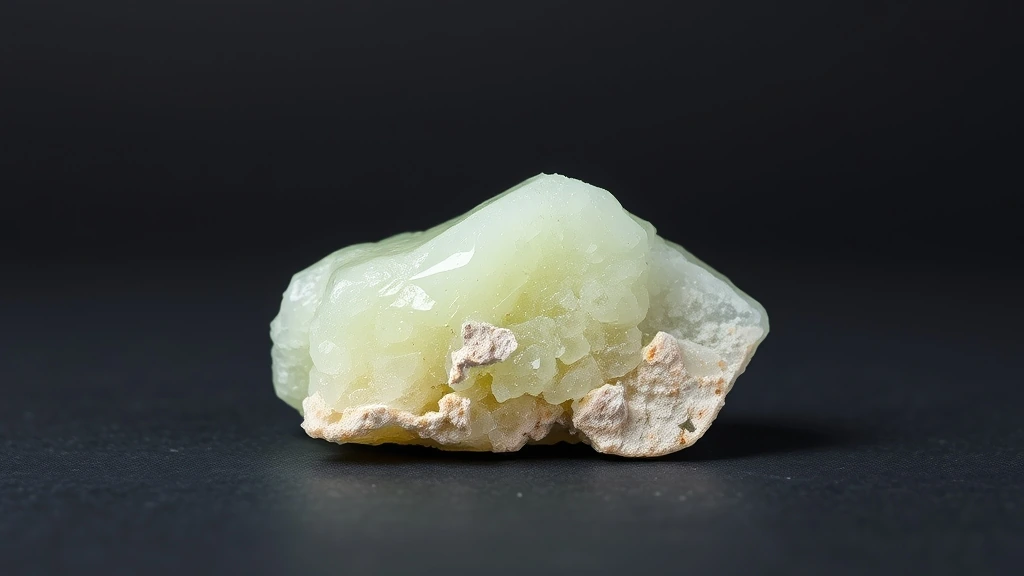
Pistachio Calcite belongs to the broader Natural Mineral family, specifically within the carbonate group. It is not a synthetic material but a naturally occurring crystalline formation. This classification places it alongside other geologically significant carbonates. Its distinct coloration arises from specific trace element inclusions during formation.
What is Pistachio Calcite? Geological Overview & Definition
Pistachio Calcite is defined by its characteristic pistachio green coloration, which sets it apart from common white or clear calcite. This hue results from microscopic inclusions of iron or other transition metals. Geologists classify it as a variety rather than a distinct mineral species. It forms in metamorphic and sedimentary environments over millions of years. If you’re drawn to the vibrant green of pistachio calcite, you may also appreciate the complementary pink hues of Strawberry Calcite, which share a similar crystal structure while offering a distinct energetic profile.
The stone’s geological provenance often involves high-pressure conditions. These environments facilitate the incorporation of chromophores into the lattice. Understanding this context is crucial for accurate identification. It helps distinguish authentic specimens from dyed imitations. In a similar vein, Lakelandite also forms under high‑pressure conditions, embedding chromophores that help differentiate genuine stones from dyed copies.
Pistachio Calcite Chemical Composition & Crystallographic Properties
The fundamental chemical composition is calcium carbonate (CaCO₃), though trace impurities dictate its color. The crystal structure follows the Trigonal system, characterized by a rhombohedral lattice. This arrangement influences its optical properties and cleavage patterns. The lattice is stable under standard geological conditions.
Cation substitution plays a minor role in color development. Trace amounts of iron or manganese replace calcium ions within the structure. These chromophore color centers absorb specific wavelengths of light. This process creates the observed pistachio green appearance.
The mineral exhibits moderate acid sensitivity, reacting with dilute hydrochloric acid. This reaction produces effervescence, a key diagnostic test for carbonates. Thermal behavior is generally stable at low temperatures. However, extreme heat may alter surface luster without breaking the lattice.
| Property | Specification |
|---|---|
| Mineral Group | Natural Mineral / Crystal |
| Chemical Formula | CaCO₃ |
| Mohs Hardness | 6.5 – 7.0 |
| Crystal System | Trigonal |
| Specific Gravity (Density) | 2.71 |
| Refractive Index | 1.486 – 1.658 |
| Color & Optical Properties | Natural Pistachio Calcite color spectrum and optical dispersion |
| Primary Mining Localities | Global primary localities |
| Water & Chemical Resistance | EXTREMELY SENSITIVE: Water Soluble / Moisture Sensitive! (Avoid liquids) |
| Chakra Alignment (Traditional) | Heart Chakra (Anahata) |
| Zodiac Affinity (Traditional) | Aquarius, Gemini |
| Symbolic Meaning (Traditional) | Creativity, motivation and self-confidence |
Pistachio Calcite Varieties & Color Spectrum
Pistachio calcite is a distinct morph of calcium carbonate (CaCO₃) prized for its unique greenish-yellow hue. This specific coloration arises from trace impurities, primarily iron oxides, within the crystal lattice. The stone typically exhibits a translucent to semi-transparent quality with a vitreous luster.
Classic Pistachio Green
This primary variety displays a soft, muted green reminiscent of fresh pistachio nuts. The color intensity varies from pale sage to a deeper olive tone depending on iron content. It often features subtle internal banding that enhances its visual depth and appeal.
Yellow-Green Bi-Color
Some specimens exhibit a gradient where yellow tones blend seamlessly into green areas. This bi-color effect is caused by uneven distribution of chromophores during crystal growth. Collectors highly value these stones for their dynamic and shifting appearance under light.
Translucent Clear Morph
Rarely, pistachio calcite forms with high clarity and minimal internal fractures. This translucent variety allows light to pass through, revealing intricate geometric patterns. Such clarity is uncommon due to the stone’s inherent brittleness and tendency to cleave.
Inclusive Matrix Specimens
Certain deposits yield calcite crystals embedded directly in their host rock matrix. These matrix specimens showcase the geological context of formation, often featuring dark shale or limestone backgrounds. They are popular among mineral collectors for their educational and aesthetic value.
Where is Pistachio Calcite Found? Geological Mining & Extraction
Pistachio calcite primarily forms in metamorphic limestone environments where heat and pressure facilitate recrystallization. It is frequently found in association with other carbonate minerals like dolomite and quartz. These geological settings provide the necessary chemical conditions for the development of its distinctive color.
Major commercial deposits are located in regions with extensive carbonate rock formations, such as parts of Europe and North America. Extraction typically involves careful hand-mining to preserve the integrity of the delicate crystals. The stone’s relatively low hardness requires gentle handling to prevent chipping during the mining process.
Historical Significance & Cultural Lore of Pistachio Calcite
Ancient civilizations valued calcite for its optical properties, using it in early forms of polarized light experiments. In Greco-Roman traditions, calcite was associated with clarity of thought and spiritual insight. Artifacts from these periods occasionally feature calcite inlays, reflecting its status as a stone of perception.
In Vedic and Chinese metaphysical traditions, green-hued calcite is linked to the heart chakra and emotional balance. Historical texts suggest it was used in meditation practices to foster creativity and self-confidence. These cross-cultural beliefs highlight the stone’s enduring role in spiritual and lapidary practices.
Modern Uses & Jewelry Applications of Pistachio Calcite
Pistachio calcite is prized for its striking green‑yellow hue and moderate hardness, making it suitable for a range of decorative objects. Skilled lapidarists cut the stone into smooth cabochons or delicate facets, preserving its translucency while enhancing brilliance. The mineral is also fashioned into ornamental carvings, such as small figurines or carved panels, where its subtle color complements metal or glass settings.
- Cabochon and faceted earrings, pendants, and rings
- Decorative carvings for home décor or ceremonial objects
- Small ornamental pieces for collectors and lapidary displays
Metaphysical Properties & Traditional Meaning of Pistachio Calcite
According to historical traditions and metaphysical lore, pistachio calcite is associated with the Heart Chakra (Anahata), symbolizing compassion, love, and emotional balance. Across ancient Mediterranean and Vedic lapidary lore, this stone is believed to encourage creativity, inspire motivation, and bolster self‑confidence, fostering a harmonious blend of heart and mind. Its gentle green tone is thought to soothe emotional turbulence, inviting calmness and renewal in the wearer’s inner life.
Which Chakra and Zodiac Signs Align with Pistachio Calcite?
The Heart Chakra (Anahata) is the focal point of pistachio calcite’s energetic influence, promoting emotional healing and compassionate connection. This alignment resonates strongly with the zodiac signs Aquarius and Gemini, both of which value intellectual curiosity and social harmony, complementing the stone’s supportive energy.
How to Identify Real vs. Fake Pistachio Calcite
Artificial imitations of pistachio calcite often involve dyed glass, synthetic glass, or painted natural stones. These replicas may lack the subtle internal inclusions and characteristic thermal properties of genuine calcite, and they typically exhibit a different hardness profile.
Practical At-Home Authenticity Tests
- Temperature Test (Thermal Feel): Hold the stone against your wrist; real calcite feels noticeably cooler than synthetic glass.
- Specific Gravity & Weight Test: Compare the stone’s weight to a known sample of calcite; genuine pistachio calcite should be slightly heavier due to its density.
- Scratch & Hardness Test (Mohs Comparison): Use a standard Mohs kit; pistachio calcite should scratch glass (Mohs 5.5) but be scratched by a steel file (Mohs 6.5–7.0).
- Microscopic & Loupe Inspection (Internal Inclusions): Under magnification, real calcite often shows fine fibrous or needle‑like inclusions, whereas synthetic glass appears uniformly clear.
Pistachio Calcite Valuation Factors, Grading & Pricing
Market value is primarily driven by Color Saturation, where deep, uniform pistachio green hues command premium prices. Stones exhibiting consistent, vibrant tones without muddy or pale patches are highly sought after by collectors. Natural energetic luster further enhances aesthetic appeal, distinguishing high-grade specimens from duller commercial variants.
Pricing structures rely heavily on Crystal Size & Weight (Grams), as these stones are valued by mass and dimension rather than carats. Raw specimens with natural matrix inclusions often carry a collector’s premium over standard tumbled stones. High-quality polish on tumbled pieces ensures optimal light reflection, significantly increasing their retail value in the gemstone market.
Ethical Sourcing & Locality Premium plays a critical role in holistic and collector markets today. Buyers increasingly prioritize stones from verified, environmentally responsible mines to ensure sustainability and ethical labor practices. Provenance from renowned localities can significantly elevate the perceived and actual value of the mineral.
How to Clean and Care for Pistachio Calcite
Pistachio Calcite is extremely sensitive to water and moisture, as liquid exposure can dissolve or permanently damage the crystal structure. Never wash this mineral with water, liquid soap, or damp cloths, as even brief contact poses a severe risk. Ultrasonic cleaning is strictly forbidden due to the mineral’s vulnerability to vibration and liquid immersion.
To maintain its integrity, gently dust the specimen using a completely dry, soft microfiber cloth or a camel-hair brush. Store the stone in a low-humidity environment, ensuring it remains away from all liquids and high-moisture areas. This dry maintenance protocol is essential for preserving the stone’s structural stability and visual clarity over time.
Cleansing and Recharging Pistachio Calcite (Energetic Care)
Safe energetic cleansing methods must remain strictly dry to protect the mineral’s lattice structure. Herbal smudging with sage or palo santo is an effective technique for clearing residual energies without introducing moisture. This method allows for thorough energetic purification while maintaining the physical safety of the delicate crystal.
For recharging, place the stone on a selenite charging slab or expose it to gentle moonlight overnight. These dry, low-impact methods restore vibrational balance without subjecting the mineral to harmful heat or liquid exposure. Avoid direct intense sunlight, as excessive heat can destabilize the crystal lattice and cause irreversible damage.
Frequently Asked Questions About Pistachio Calcite
Pistachio Calcite displays distinct mineralogical characteristics across its geological varieties and structural habits. Gemologists evaluate these natural varieties based on crystal habit, trace chromophore concentrations, and visual luster.
Primary Natural Pistachio Calcite
The benchmark natural variety exhibiting diagnostic color saturation and classic crystallographic symmetry.
Distinct Geological Morphs of Pistachio Calcite
Secondary regional and structural varieties formed under localized geological temperature and pressure conditions.
What is Pistachio Calcite and how does it form?
Pistachio Calcite is a green‑ish variety of calcite that crystallizes in the trigonal system. It forms in sedimentary environments where magnesium‑rich waters precipitate calcite, often in association with other carbonate minerals. The green hue results from trace iron or manganese impurities, giving it a distinctive pistachio‑like appearance.
Is Pistachio Calcite safe to wear in everyday life?
Yes, but it should be handled with care because it is extremely moisture sensitive. Exposure to sweat, rain, or humid environments can cause the crystal to dissolve or develop surface pitting. Wear it only when you can keep it dry, and remove it before showering or swimming.
How should I clean a Pistachio Calcite?
Clean it with a dry, soft microfiber cloth or a gentle brush. Avoid any liquid, including water or soap, as moisture can dissolve the mineral. Light dusting removes surface grime without risking damage.
Can I use an ultrasonic cleaner on Pistachio Calcite?
No, ultrasonic cleaning is strictly forbidden for this mineral. The vibration and water exposure will dissolve the calcite, leading to loss of clarity and structural integrity. Stick to dry cleaning methods only.
What is the hardness of Pistachio Calcite on the Mohs scale?
Its hardness ranges from 6.5 to 7.0 on the Mohs scale. This makes it relatively durable for jewelry, but still susceptible to scratching by harder materials. Handle with care to preserve its luster.
Which zodiac signs are associated with Pistachio Calcite?
The stone aligns with Aquarius and Gemini. In astrological traditions, these signs are believed to resonate with the mineral’s energetic properties, enhancing creativity and communication.
Which chakra does Pistachio Calcite correspond to?
It is linked to the Heart Chakra (Anahata). This association is thought to promote emotional balance, compassion, and self‑confidence, aligning with the stone’s gentle green tone.
Does Pistachio Calcite have any historical or cultural significance?
Across ancient lapidary traditions, calcite has been prized for its translucency and ease of carving. While pistachio‑colored varieties are rarer, they have been used in decorative objects and symbolic jewelry in various cultures, reflecting the stone’s connection to life‑affirming energies.