
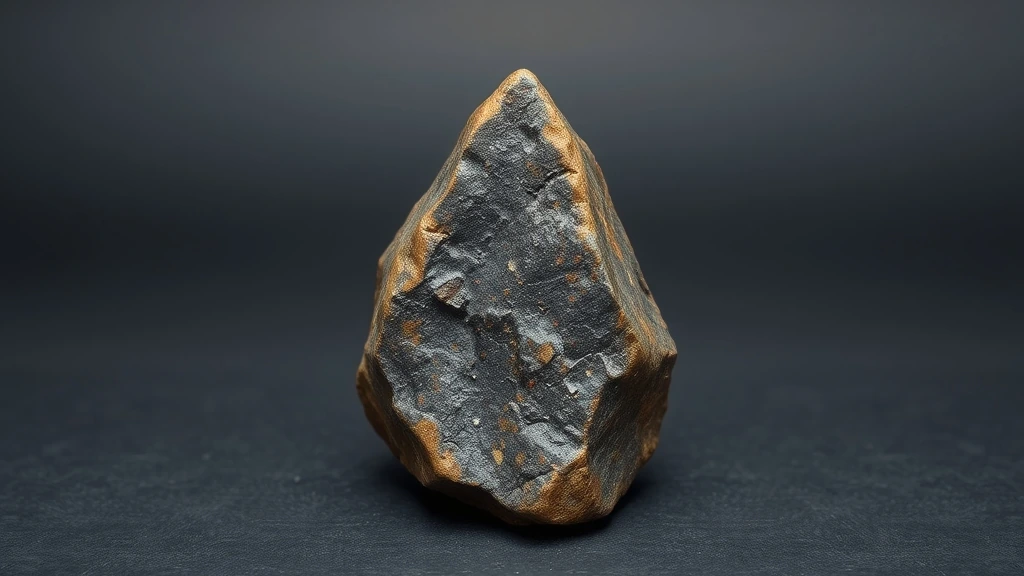
The Shiva Lingam is not a single mineral species but a Natural Mineral / Crystal aggregate used in religious iconography. Geologically, it consists of various silicate minerals carved into a specific shape. These stones are selected for their durability and spiritual significance rather than gemological rarity. Understanding its composition requires analyzing the underlying mineral phases. In comparative mineralogical collections, practitioners and geologists frequently study Green Tanzurine alongside this crystal to appreciate their subtle energetic and structural differences.
What is Shiva Lingam? Geological Overview & Definition
The term refers to an aniconic representation of the Hindu deity Shiva, typically crafted from durable silicate minerals. It is not a distinct geological specimen but a cultural artifact made from available hard stones. The primary material is usually Quartz or Chalcedony due to their structural integrity.
Occasionally, other minerals like Sphene or Apatite are used, though less commonly. The stone’s value lies in its symbolic form rather than its gemological properties. It serves as a focal point for meditation and ritual. This classification distinguishes it from standard gemstones.
Shiva Lingam Chemical Composition & Crystallographic Properties
The dominant phase is Quartz, which crystallizes in the Trigonal system. Its lattice structure consists of a continuous framework of silicon-oxygen tetrahedra. This arrangement provides the stone with its characteristic Mohs hardness of 7.0. The structural stability makes it resistant to mechanical wear.
If Sphene (Titanite) is present, it belongs to the Monoclinic crystal system. Its chemical formula, TiSiO₄, indicates a complex silicate structure with titanium cations. This mineral exhibits higher density and distinct optical properties compared to quartz. The presence of Sphene alters the overall physical characteristics of the artifact.
Apatite may also be found, crystallizing in the Hexagonal system. Its formula, Ca₅(PO₄)₃(F,Cl,OH), involves calcium phosphate with halide substitutions. This mineral is softer and more chemically reactive than quartz. It is susceptible to acid dissolution, unlike the silica-based components.
Color variations arise from trace element impurities and chromophore centers. For instance, iron impurities can produce yellow or brown hues in quartz. Thermal behavior varies by mineral, with quartz exhibiting high thermal stability. Sphene and Apatite may show different refractive indices, ranging from 1.544 to 1.730.
| Property | Specification |
|---|---|
| Mineral Group | Natural Mineral / Crystal |
| Chemical Formula | Composite: Primarily Quartz (SiO₂) or Chalcedony; occasionally Sphene (TiSiO₄), Apatite (Ca₅(PO₄)₃(F,Cl,OH)), or Serpentine (Mg₃Si₂O₅(OH)₄) |
| Mohs Hardness | 6.5 – 7.0 |
| Crystal System | Trigonal (Quartz) / Monoclinic (Sphene) / Hexagonal (Apatite) |
| Specific Gravity (Density) | 2.65 – 3.20 |
| Refractive Index | 1.544 – 1.730 |
| Color & Optical Properties | Natural Shiva Lingam color spectrum and optical dispersion |
| Primary Mining Localities | Global primary localities |
| Water & Chemical Resistance | High (Safe for gentle water washing) |
| Chakra Alignment (Traditional) | Root Chakra, Sacral Chakra |
| Zodiac Affinity (Traditional) | Virgo, Capricorn |
| Symbolic Meaning (Traditional) | Divine masculine energy, spiritual awakening, and cosmic consciousness |
Shiva Lingam Varieties & Color Spectrum
The term “Shiva Lingam” in gemology refers to a specific composite mineral assemblage rather than a single species. These objects are typically carved from durable stones like Quartz (SiO₂) or Chalcedony. The aesthetic value depends heavily on the clarity and color zoning of the primary matrix.
White Chalcedony Lingam
This variety features a milky-white to translucent body composed of microcrystalline Silicon Dioxide (SiO₂). Its high Mohs hardness of 7.0 ensures exceptional resistance to abrasion during ritualistic handling. Pure white specimens are highly prized for their symbolic purity and spiritual neutrality.
Black Obsidian Lingam
Although technically a volcanic glass, obsidian is frequently carved into lingam forms for its vitreous luster. The deep black color results from rapid cooling of silica-rich lava, trapping minimal volcanic gases. This variety is distinguished by its conchoidal fracture and intense, mirror-like surface finish.
Red Jasper Lingam
Characterized by its opaque, earthy red hue, this variety derives color from iron oxide (Fe₂O₃) impurities. The stone exhibits a fine-grained cryptocrystalline texture that allows for smooth, detailed carving. It is valued for its grounding properties and robust structural integrity.
Sphene (Titanite) Lingam
Rarely, lingams are crafted from Sphene (TiSiO₄), a monoclinic mineral with high refractive index values. These specimens often display a golden-brown or olive-green tint with strong pleochroism. Their rarity stems from the mineral’s relative softness and brittleness compared to quartz.
Serpentine Lingam
This variety consists of Serpentine (Mg₃Si₂O₅(OH)₄), a hydrous magnesium silicate with a waxy luster. The stone typically appears in shades of green, brown, or black with a fibrous internal structure. Its lower density makes it easier to carve intricate details than harder silicates.
Where is Shiva Lingam Found? Geological Mining & Extraction
Shiva Lingam stones are primarily sourced from pegmatite deposits and volcanic regions where silica-rich fluids cool slowly. The host rock often contains large, clear crystals suitable for precise lapidary work. Geologists identify these sites by mapping zones of high silica saturation and mineral purity.
Major extraction regions include the Deccan Traps in India and volcanic belts in Mexico and Indonesia. Artisans in these areas utilize traditional methods to extract raw blocks from alluvial gravels or bedrock. The geological stability of these formations ensures a consistent supply of high-quality chalcedony and jasper.
Historical Significance & Cultural Lore of Shiva Lingam
Archaeological evidence traces the use of aniconic stone forms to the Indus Valley Civilization dating back to 3000 BCE. These early artifacts suggest a deep-rooted tradition of aniconic worship predating classical Hinduism. The transition from natural stones to carved forms reflects evolving theological interpretations.
Throughout history, the lingam has served as a focal point for cosmic consciousness and divine masculine energy. Ritualistic practices involve the application of sacred substances to the stone’s surface, enhancing its esoteric resonance. This enduring tradition highlights the material’s central role in South Asian spiritual heritage.
Modern Uses & Jewelry Applications of Shiva Lingam
Lapidaries typically shape Shiva Lingam stones into smooth cabochons or intricate ornamental carvings rather than standard faceted gems. The stone’s moderate Mohs hardness of 6.5 to 7.0 allows for detailed sculpting while retaining structural integrity for daily wear.
- Cabochon Cutting: Polished domes highlight the stone’s waxy luster and subtle internal patterns without risking fracture.
- Ornamental Carving: Skilled artisans sculpt traditional lingam forms for home altars, leveraging the material’s resistance to chipping.
- Jewelry Settings: Rings and pendants often use bezel settings to protect the softer edges of the carved stone.
Metaphysical Properties & Traditional Meaning of Shiva Lingam
According to historical traditions and metaphysical lore, the Shiva Lingam represents divine masculine energy and the union of cosmic principles. Practitioners believe this stone facilitates spiritual awakening by grounding higher consciousness into physical reality.
The stone is revered for its ability to stabilize emotional states and enhance meditative focus. It is traditionally associated with cosmic consciousness, helping users align their personal energy with universal rhythms.
Which Chakra and Zodiac Signs Align with Shiva Lingam?
In esoteric practice, this stone primarily activates the Root Chakra, anchoring the user’s energy to the earth. This connection promotes a sense of security, stability, and physical vitality within the body.
It also resonates with the Sacral Chakra, stimulating creative flow and emotional balance. Astrologically, it is canonically aligned with Virgo and Capricorn, signs that value structure, discipline, and tangible results.
How to Identify Real vs. Fake Shiva Lingam
The market for spiritual stones often contains synthetic glass imitations and dyed replicas designed to mimic natural quartz or chalcedony. These fakes may look visually similar but lack the distinct physical properties of genuine mineral specimens.
Practical At-Home Authenticity Tests
- Temperature Test (Thermal Feel): Genuine stone feels cool to the touch initially and warms slowly, whereas synthetic glass often feels warmer and retains heat differently.
- Specific Gravity & Weight Test: Real Shiva Lingam stones have a density of 2.65 to 3.20, making them feel heavier than similarly sized glass or plastic imitations.
- Scratch & Hardness Test (Mohs Comparison): A genuine stone with Mohs hardness of 6.5-7.0 will scratch glass but may be scratched by a steel knife (hardness 5.5) if it is lower-end quartz.
- Microscopic & Loupe Inspection (Internal Inclusions): Use a 10x loupe to look for natural internal inclusions like fluid bubbles or mineral veins, which are absent in perfectly clear synthetic glass.
Shiva Lingam Valuation Factors, Grading & Pricing
The market places great emphasis on Color Saturation, as a vivid, uniform hue signals minimal alteration and a strong natural energetic luster. Deep, saturated tones of milky white, translucent gray, or subtle amber are prized for their visual vibrancy, while uneven or faded coloration can lower demand. Collectors often correlate intense saturation with a higher perceived spiritual potency, which directly influences price.
Crystal Size & Weight (Grams) is the second decisive metric; larger lingams with greater mass command premium rates, especially when the stone retains its natural dimensions without excessive trimming. Raw specimens are valued for their untouched form, whereas tumbled, high‑polish pieces gain additional merit for display appeal. Natural matrix inclusions, such as serpentine veining or sphene specks, can enhance uniqueness when they are well‑integrated rather than disruptive fractures.
The final driver is Ethical Sourcing & Locality Premium, reflecting both holistic authenticity and collector ethics. Lingams extracted from traditional mining regions in India or Nepal, with documented fair‑trade practices, often fetch higher prices due to cultural provenance. Buyers also reward responsibly sourced stones that avoid environmental damage, creating a market niche where provenance can outweigh purely physical attributes.
How to Clean and Care for Shiva Lingam
Cleaning a Shiva Lingam is straightforward: gently wash the surface with warm soapy water, using a soft cloth to remove dust and residues. Rinse briefly with clean lukewarm water and pat dry with a lint‑free microfiber towel, ensuring no water pools in any crevices. Avoid ultrasonic cleaners entirely, as the vibrations can induce micro‑fractures in the quartz or serpentine matrix, compromising structural integrity.
Cleansing and Recharging Shiva Lingam (Energetic Care)
For energetic maintenance, place the lingam in a clean, dry area and perform a brief herbal smudging ritual using sage or palo santo, allowing the gentle smoke to pass over the stone without direct contact. This method clears stagnant energy while preserving the mineral’s crystal lattice, and the ritual can be repeated weekly or after intense use.
Alternatively, expose the lingam to soft moonlight for several hours or rest it on a clean selenite charging slab, both of which transmit subtle vibrational frequencies that revitalize the stone’s inherent energy. These dry, low‑impact techniques avoid heat or moisture, ensuring the lingam remains physically intact while its spiritual qualities are refreshed.
Frequently Asked Questions About Shiva Lingam
Is a Shiva Lingam safe to wear in the shower?
Yes, it can be worn in the shower with gentle water exposure. The stone is primarily quartz (SiO₂) or chalcedony, both of which have a high resistance to water and will not dissolve or degrade under mild rinsing. Avoid prolonged submersion in hot water to prevent thermal shock.
How should I clean my Shiva Lingam without damaging it?
Clean with warm soapy water and a soft cloth, never use ultrasonic cleaners. The composite nature of the lingam—often containing sphene or apatite—makes it vulnerable to micro‑fractures under ultrasonic vibration. Gently wipe the surface, rinse, and pat dry with a lint‑free cloth.
Can I use an ultrasonic cleaner on a Shiva Lingam?
No, ultrasonic cleaning is not recommended. The rapid cavitation can create stress points in the trigonal quartz lattice or any monoclinic sphene inclusions, leading to cracks. Stick to manual cleaning methods to preserve structural integrity.
What zodiac signs are associated with the Shiva Lingam?
Virgo and Capricorn are the aligned zodiac signs. These earth‑sign energies are believed to harmonize with the lingam’s grounding properties, enhancing divine masculine energy and supporting practical, disciplined pursuits in the wearer’s life.
Which chakras does the Shiva Lingam balance?
It works primarily with the Root Chakra and Sacral Chakra. Activation of the Root promotes stability and security, while the Sacral stimulates creativity and emotional flow, aligning with the stone’s reputed ability to foster spiritual awakening.
Is the Shiva Lingam suitable for daily wear as jewelry?
Yes, it is suitable for everyday use when handled with care. Its Mohs hardness of 6.5–7.0 offers good scratch resistance, and the typical density of 2.65–3.20 g/cm³ provides a comfortable weight. Regular cleaning as described will keep it luminous.
Does the Shiva Lingam have any known metaphysical benefits?
It is said to amplify divine masculine energy and promote cosmic consciousness. Practitioners report enhanced meditation focus, a deeper sense of inner grounding, and heightened intuition, especially when the stone is placed on the Root or Sacral chakras during practice.
Can the Shiva Lingam be used in crystal grids or meditation altars?
Absolutely, it is a popular centerpiece for grids and altars. Its refractive index of 1.544–1.730 helps disperse light, creating a subtle glow that supports spiritual awakening. Position it near earth‑element symbols to maximize its grounding influence.