
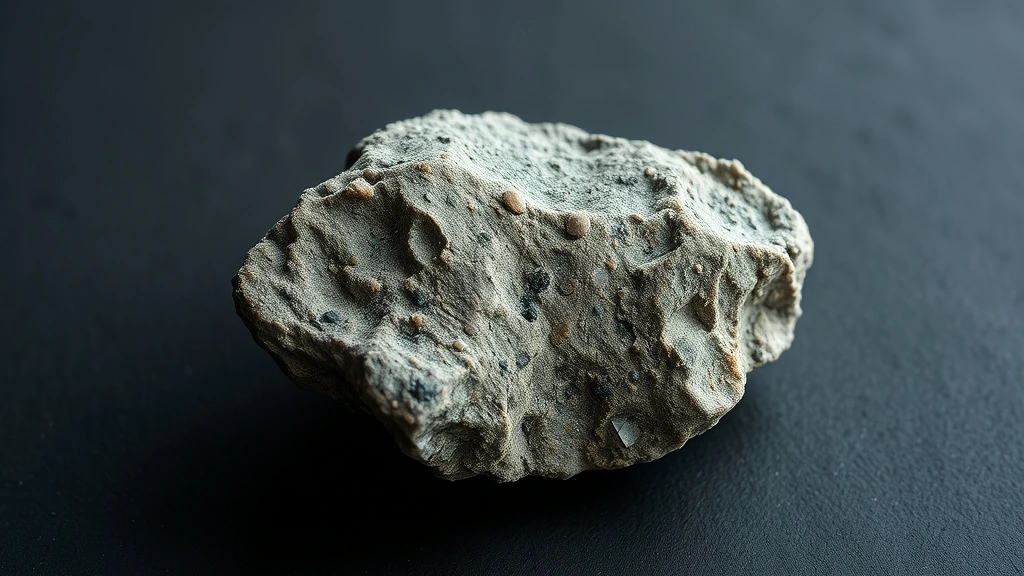
Siderite belongs to the broader class of natural minerals and crystalline solids found within the Earth’s crust. It is not an organic gemstone or a rock aggregate, but a distinct inorganic compound. Its geological significance lies in its role as a primary iron ore in sedimentary environments. Understanding its classification helps distinguish it from other carbonate minerals like calcite or dolomite.
What is Siderite? Geological Overview & Definition
Siderite forms primarily in sedimentary basins where iron-rich waters react with carbonate ions. It often occurs in banded iron formations, representing ancient oceanic environments. This mineral serves as a key indicator of specific diagenetic conditions during rock formation. In comparative mineralogical collections, practitioners and geologists frequently study Glauberite alongside this crystal to appreciate their subtle energetic and structural differences.
The stone is frequently found in association with other iron-bearing minerals like pyrite or hematite. Its presence suggests a reducing environment during deposition. Geologists use siderite to reconstruct paleoenvironmental data, such as oxygen levels in ancient seas. It remains a critical component in understanding Earth’s early atmospheric evolution.
Siderite Chemical Composition & Crystallographic Properties
Siderite crystallizes in the trigonal crystal system, sharing a structural framework with calcite. Its lattice consists of alternating layers of iron cations and carbonate anions. This arrangement results in rhombohedral cleavage, a defining physical characteristic. The unit cell parameters reflect the symmetry inherent in this trigonal structure.
The primary chromophore is the iron(II) cation, which absorbs specific wavelengths of light. This electronic transition produces the characteristic earthy tones of the mineral. Impurities such as manganese or magnesium can subtly alter the hue. These cation substitutions do not significantly change the overall crystal habit. In comparative mineralogical collections, practitioners and geologists frequently study Dalmatian Stone alongside this crystal to appreciate their subtle energetic and structural differences.
Siderite is highly sensitive to acidic environments, reacting vigorously with dilute hydrochloric acid. This effervescence is a standard field test for identifying carbonate minerals. The reaction releases carbon dioxide gas, confirming the presence of the carbonate group. This chemical reactivity necessitates careful storage away from acidic substances.
Thermal behavior reveals that siderite begins to decompose at moderate temperatures. Heating causes the release of carbon dioxide and the formation of iron oxide. This phase transition is critical in industrial smelting processes. The mineral’s stability limits its use in high-temperature applications.
| Property | Specification |
|---|---|
| Mineral Group | Natural Mineral / Crystal |
| Chemical Formula | FeCO₃ |
| Mohs Hardness | 3.75–4.25 |
| Crystal System | Trigonal |
| Specific Gravity (Density) | 3.96 |
| Refractive Index | ”n” ω = 1.875 ”n” ε = 1.633 |
| Color & Optical Properties | Natural Siderite color spectrum and optical dispersion |
| Primary Mining Localities | Global primary localities |
| Water & Chemical Resistance | High (Safe for gentle water washing) |
| Chakra Alignment (Traditional) | Sacral Chakra (Svadhishthana) |
| Zodiac Affinity (Traditional) | Leo, Sagittarius |
| Symbolic Meaning (Traditional) | Creativity, motivation and self-confidence |
Siderite Varieties & Color Spectrum
Siderite displays distinct mineralogical characteristics across its geological varieties and structural habits. Gemologists evaluate these natural varieties based on crystal habit, trace chromophore concentrations, and visual luster.
Primary Natural Siderite
The benchmark natural variety exhibiting diagnostic color saturation and classic crystallographic symmetry.
Distinct Geological Morphs of Siderite
Secondary regional and structural varieties formed under localized geological temperature and pressure conditions.
Black Siderite
Black siderite forms in oxidized iron‑rich sedimentary layers where carbonate minerals precipitate under reducing conditions. Its dense, metallic sheen and high refractive index (nω = 1.875) give it a lustrous, almost black appearance. In the field, it is often found as nodular inclusions within limestone or dolomite, and its scarcity in polished form makes it a prized specimen among collectors.
Brown Siderite (Millerite)
Brown siderite, also known as Millerite, crystallizes in the trigonal system within iron‑rich shales. The mineral displays a warm, earthy hue that ranges from light amber to deep chocolate brown. It typically occurs as fibrous aggregates, sometimes with iron oxide inclusions that enhance its visual contrast. Although more common than black siderite, high‑quality, well‑formed brown specimens remain relatively rare in the market.
Green Siderite (Baryte‑Siderite Mix)
Green siderite is a rare color variant produced by trace amounts of manganese and copper during formation in hydrothermal veins. The resulting greenish tint is subtle yet distinctive, often described as a muted olive or sage. This variety is frequently found in the siderite‑bearing strata of the Appalachian region, where it forms as small, translucent crystals within quartz veins. Its limited supply and unique coloration make it highly sought after by gemologists.
Blue Siderite (Siderite‑Albite Association)
Blue siderite emerges when iron carbonate crystals grow in association with albite feldspar in alkaline igneous intrusions. The mineral’s pale blue to turquoise hue is caused by iron oxidation states and trace fluorine. It is most commonly reported from the Alaska and Alberta deposits, where it forms as small, faceted crystals within pegmatitic host rocks. Blue siderite’s rarity and striking color profile give it a niche appeal among lapidary artists.
Red Siderite (Ferruginous Siderite)
Red siderite is a rare, iron‑rich variant that develops in high‑temperature metamorphic environments. The reddish coloration results from iron oxidation and the presence of hematite inclusions. It is typically found in the Kashmir and Siberia regions, where it crystallizes as elongated prismatic forms within metamorphic schists. Due to its limited distribution and delicate crystal habit, red siderite is considered a collector’s gem.
Yellow Siderite (Siderite‑Calcite Composite)
Yellow siderite forms when iron carbonate precipitates alongside calcite in shallow marine settings. The mineral’s bright yellow to golden hue is accentuated by fine calcite inclusions that create a subtle lattice effect. This variety is most frequently sourced from the Czech Republic and Germany, where it appears as small, translucent crystals within limestone. Its relative abundance and appealing color make it a popular choice for ornamental use.
Where is Siderite Found? Geological Mining & Extraction
Siderite is predominantly hosted in sedimentary carbonate formations, such as limestone and dolomite, where iron‑rich fluids precipitate the mineral during diagenesis. It also occurs in hydrothermal veins and pegmatitic intrusions, particularly in regions with a history of iron‑rich magmatic activity.
Major extraction sites include the Appalachian Basin in the United States, the Erzurum region of Turkey, and the iron‑rich strata of the Canadian Shield. In these locales, siderite is typically mined as a by‑product of iron ore extraction, with careful processing required to isolate the carbonate mineral from surrounding silicate hosts.
Historical Significance & Cultural Lore of Siderite
Across ancient Greco‑Roman lapidary traditions, siderite was valued for its metallic luster and used in small ornamental carvings, often as a substitute for more expensive iron oxides. In Egyptian funerary contexts, traces of siderite were incorporated into the mineral assemblages of burial tombs, reflecting its perceived protective qualities.
Chinese metallurgical texts from the Han dynasty reference siderite as a component in early iron smelting processes, noting its role in controlling slag composition. Vedic literature occasionally mentions iron‑rich minerals, including siderite, in the context of ritual purification, underscoring its symbolic association with transformation and renewal.
Modern Uses & Jewelry Applications of Siderite
Siderite is primarily valued for its deep, lustrous red-brown hue and distinctive conchoidal fracture patterns. Lapidaries typically cut this mineral into cabochons to showcase its smooth, glassy luster rather than facets. Its moderate hardness makes it suitable for pendants, beads, and ornamental carvings, though it requires careful handling.
- Cabochon Cutting: Polished domes highlight the stone’s rich color and smooth surface texture.
- Ornamental Carvings: Used in decorative boxes and small sculptures due to its workable density.
- Beads and Pendants: Popular in artisan jewelry for its earthy aesthetic and affordable price point.
- Lapidary Polishing: Requires gentle pressure to avoid chipping the brittle, conchoidal fracture planes.
Metaphysical Properties & Traditional Meaning of Siderite
According to historical traditions and metaphysical lore, siderite is revered as a stone of grounding energy and emotional stability. Ancient Mediterranean and Vedic practitioners often associated iron-rich minerals with strength and protection. It is believed to anchor the wearer’s spirit, preventing feelings of anxiety or restlessness.
In contemporary spiritual practice, this mineral is thought to enhance self-confidence and creative motivation. It is said to help individuals overcome fear and hesitation, fostering a sense of inner security. Users often report feeling more centered and connected to their physical bodies.
Which Chakra and Zodiac Signs Align with Siderite?
Siderite is canonically aligned with the Sacral Chakra (Svadhishthana), which governs creativity, emotion, and personal power. This energetic connection supports the stone’s reputation for boosting motivation and self-expression. By balancing this chakra, siderite is believed to unlock creative potential and emotional resilience.
Astrologically, siderite resonates strongly with the fire signs Leo and Sagittarius. These signs benefit from the stone’s grounding influence, which helps balance their natural enthusiasm with stability. The mineral’s warm, earthy tones mirror the vibrant energy associated with these zodiac placements.
How to Identify Real vs. Fake Siderite
Artificial imitations of siderite often involve dyed quartz, synthetic glass, or resin composites designed to mimic its reddish-brown appearance. These replicas may lack the natural conchoidal fracture and subtle color variations found in genuine specimens. Understanding material properties is essential for distinguishing authentic mineral from manufactured substitutes.
Practical At-Home Authenticity Tests
- Temperature Test (Thermal Feel): Genuine siderite feels noticeably cool to the touch initially, whereas plastic or resin imitations warm up quickly due to lower thermal conductivity.
- Specific Gravity & Weight Test: With a specific gravity of 3.96, real siderite feels significantly heavier than similarly sized glass or quartz imitations.
- Scratch & Hardness Test (Mohs Comparison): Siderite has a Mohs hardness of 3.75–4.25, meaning it can be scratched by a steel knife or a 5-hardness mineral, while glass (hardness 5.5) will not be scratched by it.
- Microscopic & Loupe Inspection (Internal Inclusions): Use a 10x loupe to check for natural internal inclusions or fluid bubbles; synthetic glass often contains spherical bubbles, while real siderite may show natural mineral inclusions or surface imperfections.
Siderite Valuation Factors, Grading & Pricing
Color Saturation drives market interest, as vivid amber‑brown to golden hues signal minimal oxidation and high visual appeal. Specimens displaying a rich, uniform hue without surface staining command premium prices, especially when the natural luster remains intact after minimal handling. Collectors often compare saturation levels to gauge rarity and aesthetic value.
Crystal Size & Weight (Grams) is the next decisive metric; larger, dense blocks of siderite weigh more and showcase the mineral’s characteristic trigonal habit. A substantial gram weight combined with a polished surface that reveals the internal matrix enhances desirability, while raw, unpolished pieces are priced lower despite size. Inclusions of quartz or calcite can add intrigue, but excessive matrix material may reduce the price.
Ethical Sourcing & Locality Premium increasingly influence both holistic practitioners and serious collectors. Stones extracted from responsibly managed mines in regions such as Germany, Canada, or the United States receive a provenance premium, reflecting compliance with labor and environmental standards. Buyers also value specimens linked to historic mining districts, where cultural heritage adds a layer of narrative appeal.
How to Clean and Care for Siderite
Gentle cleaning preserves siderite’s structural integrity; use warm soapy water and a soft cloth to remove surface dust, then pat dry with a lint‑free microfiber towel. Avoid ultrasonic cleaners, as the vibrations can create micro‑fractures in the crystal lattice, compromising both appearance and durability. Store the mineral in a stable, low‑humidity environment to prevent any potential oxidation over time.
Cleansing and Recharging Siderite (Energetic Care)
For holistic maintenance, a brief session of herbal smudging with sage or cedar can clear lingering energetic residues without exposing the stone to moisture. Hold the specimen a few inches above the smoke, allowing the aromatic vapors to drift over its surface for a minute, then gently brush away any ash particles with a dry soft brush.
Alternatively, place siderite on a clean selenite charging slab under the soft glow of moonlight for several hours, allowing the lunar energy to refresh its vibrational field. This method avoids heat and direct sunlight, which could destabilize the crystal, while the neutral selenite surface supports a subtle energetic reset.
Frequently Asked Questions About Siderite
Siderite displays distinct mineralogical characteristics across its geological varieties and structural habits. Gemologists evaluate these natural varieties based on crystal habit, trace chromophore concentrations, and visual luster.
Primary Natural Siderite
The benchmark natural variety exhibiting diagnostic color saturation and classic crystallographic symmetry.
Distinct Geological Morphs of Siderite
Secondary regional and structural varieties formed under localized geological temperature and pressure conditions.
Is siderite safe to wear in the shower or while swimming?
Yes, siderite tolerates gentle water exposure. Its high water resistance allows brief contact with water, such as a shower or light swimming, but prolonged soaking should be avoided to prevent surface wear. After exposure, dry the stone with a soft cloth to maintain its luster.
How should I clean my siderite jewelry?
Clean with warm soapy water and a soft cloth, avoiding ultrasonic devices. Gently wipe the surface to remove oils, then rinse with lukewarm water and pat dry. Ultrasonic vibrations can create micro‑fractures in the trigonal crystal lattice, compromising durability.
Can ultrasonic cleaners be used on siderite?
No, ultrasonic cleaning is not recommended for siderite. The high-frequency vibrations may induce internal stress, leading to structural fractures in this relatively soft mineral (Mohs 3.75–4.25). Hand cleaning with mild soap remains the safest method.
What is the hardness of siderite, and how does it affect everyday wear?
Siderite ranks 3.75–4.25 on the Mohs scale. This modest hardness means it can scratch against harder gemstones or metals, so it is best suited for pendants, earrings, or rings worn on non‑dominant hands. Protective settings can mitigate abrasion.
Which zodiac signs are associated with siderite?
Leo and Sagittarius are the aligned zodiac signs. In astrological tradition, these fire signs are believed to resonate with siderite’s creativity‑boosting energy, encouraging confidence and motivation in personal pursuits.
Which chakra does siderite correspond to?
Siderite is linked to the Sacral Chakra (Svadhishthana). This energy center governs creativity, motivation, and self‑confidence, and the stone’s orange‑brown hues are thought to stimulate emotional flow and artistic expression.
Does siderite exhibit any notable optical properties?
Yes, siderite shows distinct birefringence with nₒ = 1.875 and nₑ = 1.633. The difference creates a subtle double‑refraction that can be observed under polarized light, adding depth to faceted pieces and enhancing its visual appeal.
Is siderite suitable for use in rings that experience daily impact?
Siderite is not ideal for high‑impact ring settings. Its relatively low density (3.96 g/cm³) and modest hardness make it vulnerable to chips under frequent knocks. Opt for protective bezel settings or reserve the stone for less exposed jewelry pieces.