
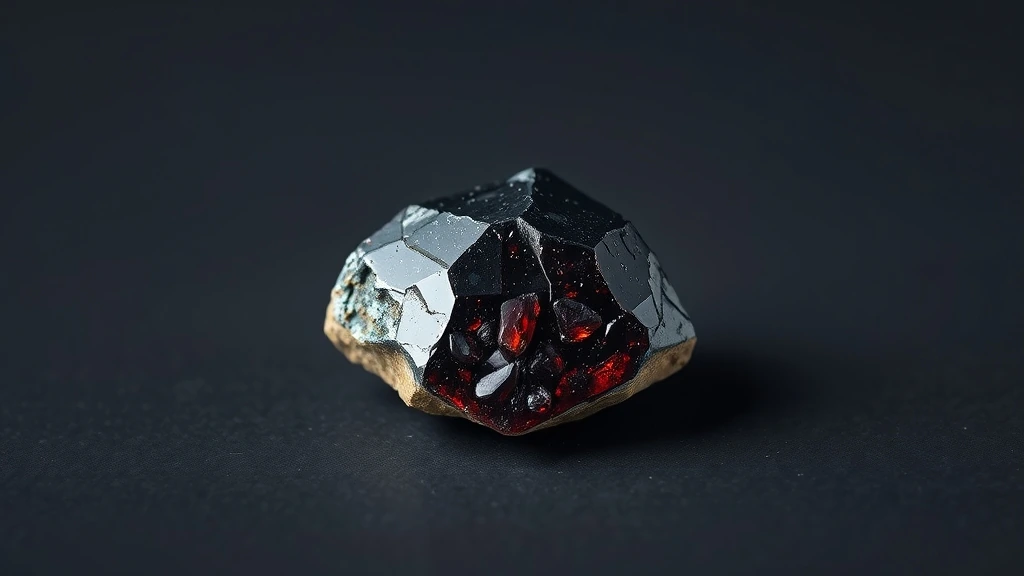
Spessartine belongs to the garnet supergroup, a major class of nesosilicate minerals within the broader silicate family. These minerals share a common isometric crystal structure but differ in their specific cationic compositions. The garnet group is defined by the general formula X₃Y₂(SiO₄)₃, where X and Y represent varying metal cations. Spessartine specifically features manganese in the X-site and aluminum in the Y-site. This chemical distinction places it firmly within the pyrope-almandine-spessartine series. Its geological occurrence is typically associated with metamorphic and igneous environments. Understanding this classification is essential for accurate identification.
What is Spessartine Garnet? Geological Overview & Definition
Spessartine is a manganese aluminum silicate that forms primarily in metamorphic rocks and certain igneous settings. It often coexists with other garnet species, creating complex solid solution series in nature. The most famous deposits are found in Germany, particularly in the Hessische Bergstraße region. This area has historically produced high-quality gem material. Mineralogists frequently examine specimens of Garnet In Biotite to understand the metamorphic conditions that drive the formation of these intricate solid solution series.
The mineral’s name derives from Philipp Spessart, a German mineralogist. It is distinct from other garnets due to its higher manganese content. This specific composition results in its characteristic orange coloration. Geologically, it forms under specific pressure and temperature conditions. These conditions favor the stability of the isometric lattice. Proper identification requires distinguishing it from pyrope and almandine.
Spessartine Garnet Chemical Composition & Crystallographic Properties
The crystal structure of spessartine is strictly isometric or cubic, often forming dodecahedral or trapezohedral crystals. This symmetry is a defining feature of the entire garnet group. The unit cell contains eight formula units arranged in a specific pattern. This arrangement dictates the mineral’s optical properties and cleavage behavior. The lattice parameters are consistent across pure spessartine specimens.
The chemical formula is Mn₃Al₂(SiO₄)₃, representing a complex silicate structure. The chromophore responsible for the orange color is the Mn²⁺ ion. This cation absorbs specific wavelengths of light, resulting in the observed hue. Cation substitution with iron or magnesium can shift the color towards red or yellow. The refractive index ranges from 1.714 to 1.888, indicating high brilliance.
Spessartine exhibits isotropy in its optical properties due to its cubic symmetry. It lacks cleavage, which contributes to its conchoidal fracture when broken. The mineral is generally stable in acids, though prolonged exposure to strong reagents may affect surface luster. Thermal behavior is stable under normal jewelry conditions. It does not exhibit pleochroism, appearing the same color in all directions. The specific gravity ranges from 3.50 to 4.30, aiding in physical identification.
| Property | Specification |
|---|---|
| Mineral Group | Silicates (Nesosilicates / Garnet Group) |
| Chemical Formula | X₃Y₂(SiO₄)₃ (Complex Silicate / Nesosilicate Group) |
| Mohs Hardness | 6.5 – 7.5 |
| Crystal System | Isometric / Cubic (Dodecahedral or trapezohedral crystals) |
| Specific Gravity (Density) | 3.50 – 4.30 |
| Refractive Index | 1.714 – 1.888 |
| Color & Optical Properties | Natural Spessartine Garnet color spectrum and optical dispersion |
| Primary Mining Localities | India, Madagascar, Sri Lanka, Mozambique, USA |
| Water & Chemical Resistance | High (Water-resistant; safe for gentle warm water washing) |
| Chakra Alignment (Traditional) | Root Chakra (Muladhara) and Sacral Chakra |
| Zodiac Affinity (Traditional) | Capricorn, Aquarius, Aries |
| Symbolic Meaning (Traditional) | Grounding, passion, loyalty, physical vitality, and steadfast courage |
Spessartine Garnet Varieties & Color Spectrum
Classic Hessonite
This variety exhibits a deep, fiery orange hue derived from high manganese content within the crystal lattice. It is the most commercially recognized form, prized for its intense saturation and clarity.
Tangerine Spessartine
Characterized by a bright, citrus-like orange color, this morph often displays exceptional brilliance under natural light. Its vivid tone distinguishes it from darker, reddish-orange counterparts in the garnet family.
Salmon Pink Spessartine
Rarely found, this variety features a soft, rosy-pink to salmon hue caused by specific trace element substitutions. Its delicate coloration makes it highly sought after by collectors and high-end jewelry designers.
Yellow-Orange Spessartine
This geological morph presents a warm, golden-orange appearance, often associated with lower iron impurities. It offers a unique alternative to traditional red garnets, appealing to modern aesthetic preferences.
Deep Reddish-Orange Spessartine
Found in specific deposits, this variety leans toward a darker, wine-like orange-red shade. Its rich tone provides a striking contrast against white gold or platinum settings in fine jewelry.
Where is Spessartine Garnet Found? Geological Mining & Extraction
Spessartine typically forms in alkaline pegmatites and carbonatite complexes, where specific geochemical conditions favor manganese-rich silicate growth. These host rocks provide the necessary volatile components and heat for the development of large, gem-quality crystals.
Primary mining regions include Namibia, particularly the Erongo region, which yields some of the world’s finest specimens. Additional significant deposits are located in Brazil, Madagascar, and the United States, specifically in the states of California and Arkansas.
Historical Significance & Cultural Lore of Spessartine Garnet
Ancient civilizations often confused spessartine with other orange stones, limiting its distinct historical recognition compared to red almandine. However, its vibrant color has long been associated with vitality and passion in various cultural traditions.
Archaeological findings suggest that orange garnets were valued in trade routes connecting the Middle East and Asia. Modern lore reinforces its connection to physical vitality and steadfast courage, aligning it with the energy of the root chakra.
Modern Uses & Jewelry Applications of Spessartine Garnet
Spessartine garnet is highly prized in the lapidary arts for its exceptional brilliance and vibrant orange-red hues. Its isometric crystal system allows for precise faceting, maximizing light return and fire. Lapidaries often select high-clarity specimens for engagement rings and fine jewelry settings.
- Faceted Cuts: Round, oval, and cushion cuts are standard to enhance the stone’s natural saturation and optical dispersion.
- Cabochon Polishing: Opaque or slightly included stones are polished into smooth domes to showcase their unique internal patterns.
- Ornamental Carving: Larger, lower-grade material is carved into beads, pendants, and decorative objects for artisanal markets.
Carat, Quality Grades & Value Factors of Spessartine Garnet
The market value of spessartine is primarily driven by its color saturation, with deep orange-red tones commanding the highest premiums. Stones exhibiting a pure, vivid hue without brownish or purplish overtones are considered top-tier. Clarity is equally critical, as eye-clean specimens significantly increase desirability and price per carat.
Cut quality and carat weight further influence valuation, with larger, well-proportioned stones being rare and expensive. Durability is a key advantage, as the Mohs hardness of 6.5 to 7.5 makes it suitable for everyday wear in rings and bracelets. Professional grading standards assess these four factors holistically to determine the final commercial grade.
Zodiac and Astrological Lore of Spessartine Garnet
In astrological tradition, spessartine garnet is strongly aligned with Capricorn, Aquarius, and Aries. These earth and fire signs resonate with the stone’s grounding energy and passionate nature. Wearers believe it enhances physical vitality and steadfast courage during challenging life transitions.
The stone is also linked to the Root Chakra (Muladhara) and Sacral Chakra. This connection supports themes of stability, security, and creative passion. Culturally, it is seen as a talisman for loyalty and resilience, helping individuals remain anchored during periods of change.
How to Identify Real vs. Fake Spessartine Garnet
Distinguishing natural spessartine from imitations requires careful observation of optical and physical properties. Common fakes include synthetic glass, dyed quartz, and lab-created corundum. Glass often contains bubble inclusions and lacks the natural fluidal patterns found in genuine garnets. Dyed stones may show color concentration along crystal fractures or surface irregularities.
Practical At-Home Authenticity Tests
- Temperature Test (Thermal Feel): Genuine spessartine feels cool to the touch initially due to its high thermal conductivity. Glass imitations warm up much faster when held in the palm, providing a quick, though not definitive, initial check.
- Specific Gravity & Weight Test: Spessartine has a density of 3.50 to 4.30, making it noticeably heavier than glass or quartz of the same size. A real stone will feel dense and substantial, while fakes often feel lighter or less balanced.
- Scratch & Hardness Test (Mohs Comparison): With a Mohs hardness of 6.5 to 7.5, spessartine can scratch glass (hardness 5.5) but cannot be scratched by a steel knife (hardness 5.5). If the stone is easily scratched by metal, it is likely a softer imitation.
- Microscopic & Loupe Inspection (Internal Inclusions): Use a 10x loupe to examine the stone’s interior. Natural spessartine often displays fluidal inclusions or color zoning, while synthetic glass typically contains spherical bubbles or swirls. Dyed stones may show color bleeding along cracks or surface pits.
Spessartine Garnet Valuation Factors, Grading & Pricing
Market valuation heavily depends on Color Saturation, where deep, vivid orange-red hues command the highest premiums. Uniformity across the stone ensures visual consistency, preventing dull or zoned appearances that lower desirability. High optical clarity and strong vitreous luster further enhance the gem’s brilliance, making it more attractive to collectors.
Carat Weight significantly influences price, as larger, inclusion-free spessartines are increasingly rare in global deposits. Precise facet symmetry is critical for maximizing light return and overall scintillation within the stone. Lapidary experts apply rigorous 4Cs grading standards to evaluate cut quality, ensuring the gem meets international aesthetic benchmarks.
Geographical Provenance Premium often elevates value, with stones from renowned mines like Mali or Namibia fetching higher prices. Certified gem market value trends show steady appreciation for high-quality, untreated specimens from these sources. Buyers should prioritize GIA or AGS certifications to verify origin and treatment status accurately.
How to Clean and Care for Spessartine Garnet
Spessartine garnet is water-resistant, allowing safe cleaning with gentle warm water and mild soap. Use a soft cloth to remove surface oils without scratching the polished facets. Ultrasonic cleaners are generally safe for untreated gems, provided no fractures or inclusions compromise structural integrity.
Avoid harsh chemicals or abrasive materials that could damage the surface or degrade the stone’s luster. Store the gem separately from harder minerals to prevent accidental scratching during handling. Regular inspection ensures long-term preservation of the crystal’s optical properties and aesthetic appeal.
Cleansing and Recharging Spessartine Garnet (Energetic Care)
Holistic practitioners often use herbal smudging with sage or palo santo to clear energetic residue from the stone. This dry method avoids moisture exposure, preserving the mineral’s physical structure while addressing metaphysical beliefs. Ensure the area is well-ventilated to disperse smoke effectively and safely.
Gentle moonlight exposure overnight is another popular technique for recharging the gem’s vibrational energy. Alternatively, resting the stone on a selenite slab allows for passive energetic renewal without physical stress. These methods respect the crystal lattice, avoiding heat or intense sunlight that could cause thermal shock or discoloration.
Frequently Asked Questions About Spessartine Garnet
Is spessartine garnet safe to wear in the shower?
Yes, spessartine garnet is highly water-resistant and safe for gentle warm water exposure. The stone’s robust chemical structure prevents degradation from moisture, making it suitable for daily wear. However, avoid harsh soaps or abrasive scrubbing that could damage the metal setting. This durability ensures the gem retains its brilliance even after repeated contact with water.
How should I clean my spessartine garnet jewelry?
Use warm soapy water and a soft cloth for routine maintenance. For deeper cleaning, Ultrasonic cleaners should generally be avoided or used with extreme caution, as high-frequency vibrations can cause microscopic fissures. Avoid harsh chemicals that might affect the metal setting. Regular gentle cleaning preserves the stone’s natural luster and prevents the buildup of oils and dirt.
What is the Mohs hardness of spessartine garnet?
Spessartine garnet measures between 6.5 and 7.5 on the Mohs scale. This high hardness makes it resistant to scratching during everyday activities, ideal for rings and bracelets. It is durable enough for active lifestyles but still requires care against hard impacts. Understanding this hardness helps in selecting appropriate jewelry settings for long-term wear.
Which zodiac signs are compatible with spessartine garnet?
Capricorn, Aquarius, and Aries are the primary zodiac signs aligned with this gemstone. These earth and fire signs resonate with the stone’s energetic properties. Wearing spessartine is believed to enhance personal traits associated with these constellations. This alignment supports individuals seeking to amplify their natural strengths and emotional balance.
What chakras does spessartine garnet activate?
It primarily activates the Root Chakra (Muladhara) and the Sacral Chakra. These energy centers govern stability, survival instincts, and creative passion. The stone’s deep orange hues are thought to stimulate these specific areas. Balancing these chakras can promote a sense of groundedness and emotional vitality in the wearer.
What is the chemical formula of spessartine garnet?
The formula is X₃Y₂(SiO₄)₃, classifying it as a complex silicate nesosilicate. This structure defines its isometric crystal system and physical properties. The manganese content specifically gives spessartine its characteristic orange color. Understanding this chemistry helps distinguish it from other garnet varieties like almandine or pyrope.
How dense is spessartine garnet compared to other gems?
Its specific gravity ranges from 3.50 to 4.30, indicating significant weight. This density contributes to the stone’s substantial feel in the hand. It is heavier than quartz but lighter than some other heavy gemstones. This property aids in preliminary identification and distinguishes it from lighter lookalikes.
What is the refractive index of spessartine garnet?
The refractive index spans 1.714 to 1.888, contributing to its high brilliance. This optical property allows the stone to reflect light intensely, creating vivid sparkle. The range varies slightly based on the specific manganese concentration. High refractive index values are key to the gem’s visual appeal and fire.