
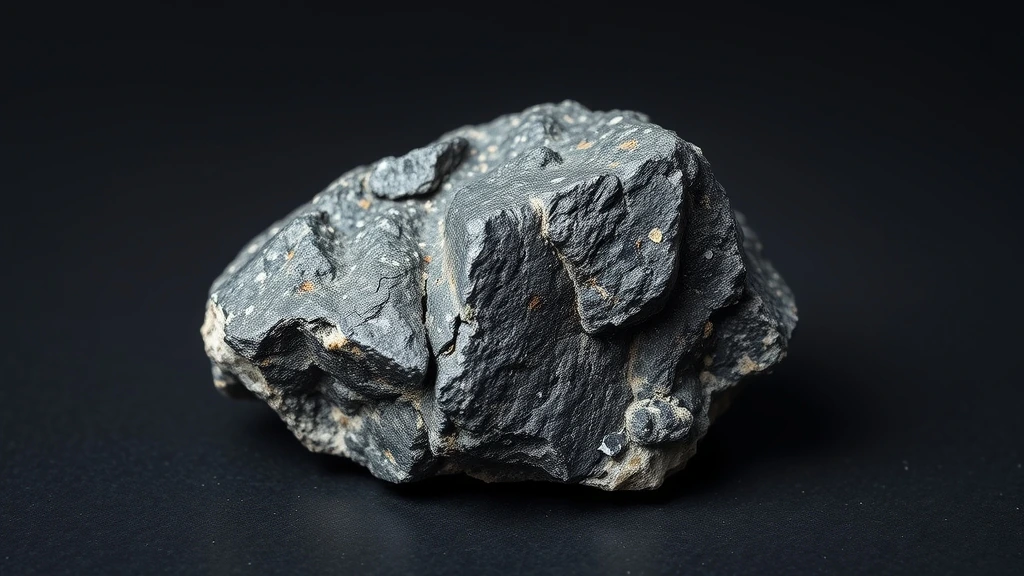
Strontianite belongs to the natural mineral group of carbonates, forming distinct crystals within sedimentary and hydrothermal environments. As a Natural Mineral / Crystal, it shares structural similarities with calcite and dolomite but is distinguished by its specific cation composition. This classification places it firmly within the inorganic crystallographic family, where atomic arrangement dictates its physical properties. Geologists identify it through its specific gravity and refractive indices, confirming its status as a primary strontium-bearing species.
What is Strontianite? Geological Overview & Definition
Strontianite forms primarily in sedimentary basins and hydrothermal veins, often associated with limestone and dolomite deposits. Its geological occurrence reflects the migration of strontium-rich fluids through porous rock matrices over millions of years. These environments facilitate the precipitation of stable carbonate crystals, creating well-formed specimens. Understanding this context is vital for assessing the provenance and rarity of gem-quality material.
The mineral is named after the element strontium, first isolated in 1790 from a sample found in Strontian, Scotland. This etymological link underscores its historical significance in the discovery of new chemical elements. Modern gemology recognizes it as a niche collector’s stone due to its limited occurrence. Its presence in specific geological formations helps trace ancient environmental conditions and mineral fluid dynamics. In comparative mineralogical collections, practitioners and geologists frequently study Garnierite alongside this crystal to appreciate their subtle energetic and structural differences.
Strontianite Chemical Composition & Crystallographic Properties
Strontianite crystallizes in the Orthorhombic system, characterized by three mutually perpendicular axes of unequal length. This lattice structure supports a specific arrangement of strontium and carbonate ions, influencing its cleavage and fracture patterns. The chemical formula SrCO₃ dictates its stoichiometric balance, ensuring consistent physical properties across specimens. Deviations from this formula are rare, as the crystal lattice strictly enforces cation-anion ratios.
The mineral exhibits a specific gravity ranging from 3.74 to 3.78, making it noticeably heavier than many other carbonates. Its refractive index varies between 1.52 and 1.67, contributing to a moderate luster and optical behavior. Cation substitution with calcium or barium can occur, slightly altering density and optical constants. These substitutions do not change the fundamental orthorhombic symmetry but affect the mineral’s precise physical metrics.
Color variations in strontianite stem from chromophore color centers, often involving trace impurities or structural defects. Pink and red hues are common, resulting from specific lattice distortions rather than major elemental additions. The mineral is sensitive to acids, dissolving readily in hydrochloric acid to release carbon dioxide. This acid sensitivity is a key diagnostic test for gemologists and mineralogists alike.
Thermal behavior of strontianite remains stable under normal cutting and polishing conditions, though it lacks high-temperature resistance. The Mohs hardness of 6.5 to 7.0 allows for faceting without excessive wear, though it remains susceptible to abrasion. Proper handling ensures the preservation of its optical clarity and structural integrity. These properties make it suitable for jewelry, provided it is protected from harsh chemicals and impacts.
| Property | Specification |
|---|---|
| Mineral Group | Natural Mineral / Crystal |
| Chemical Formula | SrCO₃ |
| Mohs Hardness | 6.5 – 7.0 |
| Crystal System | Orthorhombic |
| Specific Gravity (Density) | 3.74 to 3.78 Transparent versions are heavier than the other ones |
| Refractive Index | n α = 1.52, n β = 1.66, n γ = 1.67 |
| Color & Optical Properties | Natural Strontianite color spectrum and optical dispersion |
| Primary Mining Localities | Global primary localities |
| Water & Chemical Resistance | High (Safe for gentle water washing) |
| Chakra Alignment (Traditional) | Heart Chakra |
| Zodiac Affinity (Traditional) | Taurus |
| Symbolic Meaning (Traditional) | Emotional balance, harmony, and the strengthening of interpersonal bonds |
Strontianite Varieties & Color Spectrum
White (Pure) Strontianite
Formed in low‑temperature hydrothermal veins, pure white strontianite crystallizes as well‑developed orthorhombic prisms. The absence of transition‑metal impurities yields a high specific gravity (3.78 g/cm³) and a nearly colorless appearance. This variety is rare in gem markets because it often occurs as small, translucent inclusions within calcite or barite matrices.
Yellow‑Brown (Siderite‑Stained) Strontianite
Yellow to brown hues arise when trace iron substitutes for strontium in the lattice, creating Fe²⁺ color centers. These stones typically develop in sedimentary carbonate platforms where oxidizing fluids percolate through dolomitic layers. The coloration is often mottled, with fine‑grained inclusions of quartz or clay, making each specimen visually distinct. Commercially, this variety is more abundant but still prized for its warm tone.
Blue‑Green (Copper‑Colored) Strontianite
Copper ions impart a striking blue‑green tint, especially in deposits near volcanic arcs where copper‑rich fluids interact with strontianite. The crystals display a pleochroic shift under polarized light, ranging from deep teal to pale turquoise. Inclusions of rutile or sphalerite are common, adding subtle sparkle. This morph is among the most sought after for high‑end jewelry due to its vivid coloration and relative scarcity.
Pink (Manganese‑Stained) Strontianite
Trace manganese produces delicate pink to rose shades, often found in metamorphic skarn environments where strontianite replaces calcite. The pink hue is uniform, with occasional zoned growth bands that reveal episodic fluid influx. These crystals are typically small, embedded in garnet‑bearing assemblages, limiting their availability on the gem market.
Red (Rare) Strontianite
Extremely rare red specimens result from combined manganese and iron oxidation states, yielding a deep ruby‑like color. They form in highly oxidizing, sulfate‑rich brines associated with evaporite basins. The crystals are usually heavily included with gypsum and anhydrite, giving a highly opaque appearance that challenges faceting. Their rarity makes them prized by collectors rather than mainstream jewelers.
Regional Trade Variety: “Czech Blue”
Originating from the Ore Mountains of the Czech Republic, this variety exhibits a vivid cobalt‑blue hue due to localized copper enrichment. The stones are often found as well‑formed tabular crystals within limestone‑dominated veins. Trade names emphasize the consistent chromatic intensity and relatively larger crystal size, distinguishing them from other blue‑green specimens.
Where is Strontianite Found? Geological Mining & Extraction
Strontianite occurs chiefly in low‑temperature hydrothermal veins, skarn deposits, and evaporite sequences where strontium‑rich fluids precipitate the mineral alongside calcite, barite, and fluorite. In these settings, the mineral commonly fills fracture fillings and replaces limestone, producing orthorhombic prisms that can reach several centimeters.
Major extraction zones include the Strontian district of Scotland (the type locality), the Carpathian Basin of Romania, and the carbonate platforms of the Czech Republic and China’s Hunan province. Mining is typically artisanal or small‑scale, with ore crushed and processed by gravity separation followed by flotation to isolate the relatively dense strontianite crystals.
Historical Significance & Cultural Lore of Strontianite
The ancient Greeks recognized strontianite as “strontian stone,” using it as a source of strontium for early glassmaking and medicinal preparations. Roman texts describe its use in pigments for frescoes, where the mineral’s yellow‑brown variants provided a subtle ochre tone. Archaeological sites in the Balkans have yielded strontianite beads, indicating its role as a decorative material in trade networks.
In regional European and Scottish folk traditions where it was first discovered, strontianite is associated with the Heart Chakra and the zodiac sign Taurus, believed to promote emotional balance and strengthen interpersonal bonds. Legends speak of the stone’s ability to “anchor the soul,” a motif reflected in poetry that likens its steady density to steadfast love. These esoteric attributes continue to influence contemporary crystal healing practices.
Modern Uses & Jewelry Applications of Strontianite
Strontianite’s orthorhombic crystals lend themselves to both cabochon and faceted cutting, though the mineral’s perfect cleavage demands careful orientation to avoid fracture. Artisans favor the transparent, high‑density varieties for statement rings, while the more opaque forms are set in pendants and earrings. Ornamental carving—often into miniature busts or decorative beads—exploits its pearly luster and subtle color range.
- Cabochon cuts showcase the stone’s silky sheen and internal striations.
- Faceted pieces highlight the modest refractive index contrast (nα = 1.52, nγ = 1.67).
- Carved ornaments are popular in mineral collections and boutique décor.
Safety & Mineral Profile of Strontianite
Handling strontianite is straightforward: the mineral is chemically stable, non‑toxic, and does not release hazardous gases under normal conditions. Collectors should store specimens in padded trays to protect the brittle orthorhombic crystals from shock, and wear gloves when cleaning to avoid skin oils that can promote surface staining. Although historic lore occasionally links strontianite to emotional balance, modern gemology emphasizes its scientific value over any crystal‑healing claims.
Mineralogical Group and Planetary Lore of Strontianite
Strontianite belongs to the carbonate mineral group, sharing structural features with calcite and aragonite while incorporating strontium (Sr) in its lattice. Its orthorhombic symmetry and relatively high density (3.74–3.78 g/cm³) make it a diagnostic marker for strontium‑rich geological environments, such as hydrothermal veins and evaporite deposits.
In traditional planetary symbolism, strontianite has been associated with the Heart Chakra and the zodiac sign Taurus, reflecting themes of stability and grounded emotional energy. These associations are cultural artifacts rather than scientifically validated properties, and they do not influence the mineral’s physical behavior or safety considerations.
How to Identify Real vs. Fake Strontianite
Artificial imitations of strontianite include dyed quartz, synthetic glass, and resin composites that mimic its translucency and color. Such replicas often lack the characteristic orthorhombic crystal habit and display uniform clarity without the natural inclusions typical of genuine specimens. Careful testing can quickly separate authentic material from these substitutes.
Practical At-Home Authenticity Tests
- Temperature Test (Thermal Feel): Real strontianite feels cool to the touch and retains that coolness longer than glass or plastic, due to its higher thermal conductivity.
- Specific Gravity & Weight Test: With a density of 3.74–3.78 g/cm³, authentic strontianite feels noticeably heavier than quartz (2.65 g/cm³) of comparable size; a simple water‑displacement test can confirm this.
- Scratch & Hardness Test (Mohs Comparison): Using a steel file (hardness ~6.5) will leave a faint scratch on strontianite but not on harder glass; a copper coin (hardness ~3) will not damage it, helping to gauge the 6.5–7.0 Mohs range.
- Microscopic & Loupe Inspection (Internal Inclusions): Under 10×–30× magnification, genuine strontianite shows minute growth striations, fluid inclusions, or occasional twin lamellae, whereas synthetic glass appears uniformly flawless.
Strontianite Valuation Factors, Grading & Pricing
The primary driver of market value is Specimen Aesthetic Quality, which prioritizes optical clarity and color saturation. Collectors seek crystals that are transparent or exhibit vibrant pink to red hues without internal inclusions. The perfection of the crystal habit is equally critical, favoring well-formed, sharp-edged terminations over rounded or eroded surfaces. An undamaged matrix further enhances desirability by providing geological context and structural stability for display.
Rarity & Specimen Dimensions significantly influence pricing, with larger, intact crystal clusters commanding premium prices in the collector market. Measurements are strictly recorded in centimeters and grams, as strontianite is valued as a scientific specimen rather than a gemstone. The absence of handling damage, such as chipped edges or surface scratches, ensures long-term preservation and structural integrity. High-quality specimens from limited deposits often appreciate in value over time due to their scarcity.
Mineralogical Provenance & Locality Value plays a decisive role in determining the final appraisal of a specimen. Famous localities, such as the historic mines in Ireland or specific sites in China, carry substantial prestige among scientific collectors. Museum-grade pieces require documented origin to verify their geological significance and rarity. A well-documented provenance certificate can increase the monetary value by demonstrating the specimen’s unique formation history.
How to Clean and Care for Strontianite
Strontianite possesses a Mohs hardness of 6.5 to 7.0, making it durable enough for gentle maintenance with liquids. To clean the specimen, use warm soapy water and a soft cloth to remove surface dust and grime effectively. This method safely lifts contaminants without abrading the crystal faces or damaging delicate matrix features. Always ensure the mineral is thoroughly dried with a lint-free cloth after washing to prevent water spots.
It is essential to avoid ultrasonic cleaners when maintaining strontianite specimens to prevent structural fractures. The high-frequency vibrations can exploit natural cleavage planes, leading to irreversible damage or shattering of the crystal lattice. Instead, rely on manual cleaning with a soft brush for intricate areas or hard-to-reach matrix crevices. Regular, gentle care preserves the optical properties and physical integrity of the mineral for future generations.
Cleansing and Recharging Strontianite (Energetic Care)
For holistic energetic maintenance, practitioners often employ herbal smudging to clear perceived negative energies from the specimen. Passing the mineral through the smoke of sage or palo santo is a traditional method that requires no physical contact. This dry technique ensures the crystal remains free from moisture, preserving its structural stability and optical clarity. The process is quick and non-invasive, respecting the mineral’s physical limitations while addressing metaphysical intentions.
Alternatively, resting the strontianite on a selenite charging slab allows for passive energetic renewal without external stressors. This method leverages the purported self-cleansing properties of selenite to harmonize the surrounding energy field. It is crucial to avoid direct intense sunlight or heat sources, as thermal expansion can compromise the crystal lattice. Gentle moonlight exposure is also considered a safe, low-impact alternative for those preferring natural celestial energy.
Frequently Asked Questions About Strontianite
Is strontianite safe to wear in the shower or while swimming?
Yes, strontianite tolerates gentle water exposure. Its high water resistance allows brief contact with water, such as a shower or light swimming, without immediate damage. However, prolonged immersion or harsh detergents can weaken surface luster, so rinse with clean water and pat dry promptly.
How should I clean a strontianite at home?
Clean strontianite with warm, soapy water and a soft cloth. Gently soak the stone in lukewarm water mixed with a mild soap, then wipe with a microfiber cloth to remove residues. Avoid abrasive pads, as the orthorhombic crystal structure can develop micro‑scratches under pressure.
Can I use an ultrasonic cleaner on strontianite jewelry?
No, ultrasonic cleaning is not recommended for strontianite. The high-frequency vibrations can cause micro‑fractures within the crystal lattice, leading to chipping or loss of transparency. Stick to manual cleaning methods to preserve structural integrity.
What is the hardness of strontianite and how does it affect everyday wear?
Strontianite rates 6.5–7 on the Mohs scale. This hardness makes it suitable for pendants and earrings but less ideal for rings subjected to frequent impact. The carbonate composition offers moderate durability, so protect it from hard knocks.
Which zodiac sign is associated with strontianite?
Strontianite is linked to the zodiac sign Taurus. In astrological tradition, Taurus benefits from the stone’s grounding energy, enhancing stability and material confidence. Wearing the gem is believed to harmonize the sign’s earthy nature.
Which chakra does strontianite resonate with?
Strontianite aligns with the Heart Chakra. Activation of this chakra promotes emotional balance and deeper interpersonal connections. The stone’s subtle pinkish hue is thought to amplify love‑centered meditations.
Does strontianite exhibit any notable optical properties?
Yes, it displays strong birefringence with refractive indices nα = 1.52, nβ = 1.66, nγ = 1.67. This causes noticeable double‑refraction, especially in well‑cut facets, giving the gem a lively play of light that enhances its visual depth.
Is strontianite suitable for use in high‑impact jewelry designs?
It is best reserved for low‑impact pieces. While its density of 3.74–3.78 g/cm³ provides a pleasant weight, the mineral’s relative brittleness makes it vulnerable to shock. Opt for settings that cushion the stone, such as bezel or prong mounts with protective backing.