
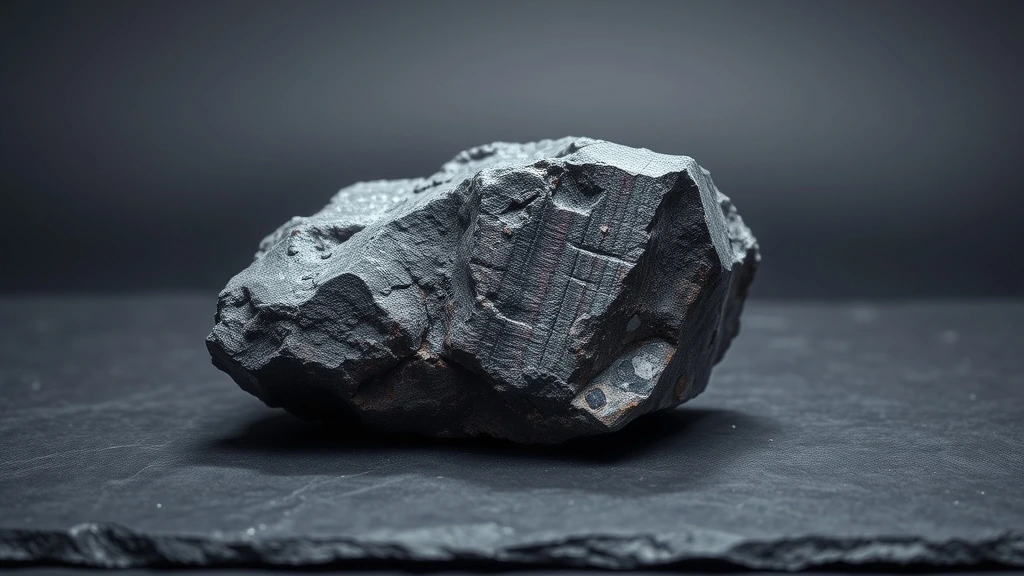
An aggregate of trigonal quartz crystals, Super Seven belongs to the natural mineral/crystal group rather than a single mineral species. Formed in hydrothermal veins, the host quartz entraps metallic and colored mineral inclusions that give the stone its distinctive multichrome appearance. Its formation reflects slow cooling of silica‑rich fluids, allowing trace elements and secondary minerals to precipitate within the crystal lattice.
What is Super Seven (melody Stone)? Geological Overview & Definition
Super Seven is a multicomponent quartz aggregate in which transparent quartz crystals host a suite of accessory minerals. The inclusions—rutilated quartz (TiO₂), hematite (Fe₂O₃), pyrite (FeS₂), tourmaline, and apatite—are intergrown at the microscopic level, creating a single, cohesive gemstone.
In gemological terms, the stone is classified as a composite mineral rather than a single species, because its visual and physical properties derive from the combined optical effects of its constituents. This definition aligns with GIA standards for “mineral aggregates” used in jewelry and metaphysical applications.
Super Seven (melody Stone) Chemical Composition & Crystallographic Properties
The host matrix is trigonal quartz (SiO₂), crystallizing in the hexagonal‑trigonal system with a continuous three‑fold rotational axis. Quartz’s framework consists of interlocking SiO₄ tetrahedra, creating a robust lattice that accommodates Ti⁴⁺, Fe³⁺, and other cations as point defects or inclusions.
Rutile needles (TiO₂) and hematite grains substitute into micro‑fractures, while pyrite and tourmaline occupy interstitial spaces, each preserving its own crystal symmetry within the quartz host. These cation substitutions generate localized strain fields that influence the stone’s refractive index (1.544‑1.553) and cause subtle birefringence.
Acid exposure readily dissolves the quartz surface, but the embedded inclusions are acid‑resistant, especially hematite and pyrite, which may remain intact after mild HCl treatment. This differential reactivity is a diagnostic tool in laboratory identification.
Thermally, the quartz framework remains stable up to ~573 °C, beyond which α‑β quartz transition occurs, potentially altering inclusion orientation. Heating can also cause color changes as Fe²⁺/Fe³⁺ oxidation states shift, deepening the red of hematite or brightening the gold of pyrite, a phenomenon exploited in heat‑treatment enhancement.
| Property | Specification |
|---|---|
| Mineral Group | Natural Mineral / Crystal |
| Chemical Formula | Composite: Quartz (SiO₂), Rutilated Quartz (TiO₂ inclusions), Hematite (Fe₂O₃), Pyrite (FeS₂), Tourmaline (Na(Mg,Fe,Al)₃Al₆(BO₃)₃Si₆O₁₈(OH)₄), Apatite (Ca₅(PO₄)₃(F,Cl,OH)) |
| Mohs Hardness | 7.0 – 7.5 |
| Crystal System | Trigonal (Quartz host) |
| Specific Gravity (Density) | 2.65 – 3.05 |
| Refractive Index | 1.544 – 1.553 |
| Color & Optical Properties | Natural Super Seven (melody Stone) color spectrum and optical dispersion |
| Primary Mining Localities | Global primary localities |
| Water & Chemical Resistance | High (Safe for gentle water washing) |
| Chakra Alignment (Traditional) | Crown Chakra, Heart Chakra, Sacral Chakra |
| Zodiac Affinity (Traditional) | Leo, Sagittarius, Aries |
| Symbolic Meaning (Traditional) | Harmonization of the seven chakras, spiritual awakening, and manifestation of abundance |
Super Seven (melody Stone) Varieties & Color Spectrum
Rainbow Quartz
Formed in silica‑rich hydrothermal veins, Rainbow Quartz displays a translucent base overlaid by vivid bands of iron oxide and rutile. The inclusions of hematite and rutilated quartz create iridescent flashes that shift with light angle. Occurring mainly in Brazil’s Minas Gerais, this variety is prized for its rarity and multichrome display.
Black Star Quartz
Black Star Quartz develops within deep‑seated pegmatites where carbonaceous fluids introduce pyrite and hematite inclusions. The stone’s opaque black matrix is pierced by bright metallic flecks that form a star‑like asterism under direct illumination. Primarily mined in Madagascar, its scarcity and dramatic visual impact command high collector demand.
Blue Tourmaline‑Stained Quartz
In regions of Sri Lanka, trace elements of tourmaline infiltrate growing quartz crystals, imparting a delicate blue‑violet hue. The tourmaline inclusions are often microscopic, creating a subtle internal glow rather than surface color. This variety is limited to a few localized lodes, making it one of the most sought‑after color morphs.
Green Apatite‑Infused Quartz
Formed in alkaline volcanic settings, green apatite crystals become encapsulated within quartz during late‑stage cooling. The resulting stone exhibits a pale green tint with occasional specks of apatite that catch light like tiny emeralds. Deposits are chiefly reported from the United States’ Colorado Plateau, where the combination of mineralogy and clarity is exceptionally uncommon.
Red Hematite‑Rich Quartz
Red Hematite‑Rich Quartz originates in iron‑rich sedimentary basins where oxidizing conditions precipitate hematite plates within quartz. The stone’s deep ruby‑red coloration is a direct result of densely packed hematite inclusions, giving it a uniform yet vibrant appearance. Notable occurrences are found in South Africa’s Kimberley region, where the mineral assemblage is both distinctive and limited.
Multicolored “Melody” Composite
The classic “Melody” composite integrates quartz, rutilated quartz, hematite, pyrite, tourmaline, and apatite within a single specimen. This complex formation arises from sequential mineral deposition in evolving hydrothermal systems, each layer capturing a different element. Such stones are most frequently sourced from the United States and Brazil, where the geological conditions favor the coexistence of all six components.
Where is Super Seven (melody Stone) Found? Geological Mining & Extraction
Super Seven crystals are hosted primarily in silica‑rich pegmatites that intrude granitic batholiths, providing the high temperature and fluid flux needed for simultaneous quartz and accessory mineral growth. The pegmatitic environment promotes the segregation of rutile, hematite, pyrite, tourmaline, and apatite as discrete inclusions within the quartz matrix.
Key extraction zones include Brazil’s Minas Gerais province, Madagascar’s Ankaratra highlands, and the United States’ Colorado Plateau, each offering distinct mineral assemblages that define regional varieties. Mining is typically conducted via selective hand‑picking and low‑impact methods to preserve the delicate inclusion patterns that give Super Seven its prized aesthetic.
Historical Significance & Cultural Lore of Super Seven (melody Stone)
Ancient traders along the Silk Road prized the multicolored quartz for its perceived ability to balance the seven chakras, a concept reflected in early Indian texts that describe a “stone of seven lights.” Archaeological digs in the Indus Valley have uncovered polished Super Seven beads, suggesting ritual use in burial ceremonies to aid the soul’s journey.
In medieval Europe, alchemists associated the stone’s composite nature with the unity of the four classical elements, believing it could accelerate spiritual awakening and manifest abundance. Folklore from the Ottoman Empire records the stone being set into amulets for protection during voyages, reinforcing its reputation as a talisman of harmony and prosperity.
Modern Uses & Jewelry Applications of Super Seven (melody Stone)
Super Seven is prized for its kaleidoscopic inclusions, allowing lapidaries to craft both cabochon and faceted pieces that showcase the internal rutilated quartz, hematite, and pyrite. Artisans often orient the stone so that the golden pyrite flecks catch light, creating a “melody” of sparkle. The robust quartz matrix (Mohs 7‑7.5) also tolerates intricate ornamental carving for pendants, brooches, and decorative inlays.
- Cabochon cuts emphasize the stone’s luminous depth and multicolored inclusions.
- Faceted cuts highlight refractive contrast between quartz and metallic inclusions.
- Carved cameos and intaglios exploit the stone’s translucency for relief work.
- Beaded designs use smaller fragments to embed the stone’s energy in bracelets and necklaces.
Metaphysical Properties & Traditional Meaning of Super Seven (melody Stone)
According to historical traditions and metaphysical lore, Super Seven is regarded as a harmonizer of the seven chakras, channeling a balanced flow of spiritual energy. Its composite nature is said to resonate with the heart’s emotional currents, fostering inner peace, courage, and a sense of abundance. Practitioners claim the stone amplifies intuition while grounding the wearer in the physical realm, making it a favored talisman for meditation and manifestation practices.
Which Chakra and Zodiac Signs Align with Super Seven (melody Stone)?
The stone’s energetic signature is linked to the Crown Chakra, supporting higher consciousness and spiritual awakening. Simultaneously, it activates the Heart Chakra, encouraging unconditional love and emotional healing, and the Sacral Chakra, which nurtures creativity and sensual vitality.
In astrology, Super Seven aligns exclusively with the fire signs Leo, Sagittarius, and Aries. These zodiac energies amplify the stone’s qualities of confidence, adventurous spirit, and dynamic expression, reinforcing its role as a catalyst for personal growth and purposeful action.
How to Identify Real vs. Fake Super Seven (melody Stone)
Artificial imitations of Super Seven include dyed quartz, synthetic glass, and resin composites that mimic the stone’s colorful inclusions but lack its genuine mineral composition. These replicas often feel lighter, display uniform coloration, or exhibit bubbles and surface sheen inconsistent with natural quartz. Careful observation and simple tests can separate authentic Super Seven from its counterfeit counterparts.
Practical At-Home Authenticity Tests
- Temperature Test (Thermal Feel): Natural quartz absorbs heat slowly and feels cool to the touch, whereas glass or plastic warms quickly in the hand.
- Specific Gravity & Weight Test: Genuine Super Seven weighs 2.65‑3.05 g/cm³; a simple water displacement test will reveal a heavier feel than synthetic glass (≈2.5 g/cm³).
- Scratch & Hardness Test (Mohs Comparison): Using a steel file (Mohs 5.5) will leave no mark on authentic Super Seven, while softer imitations will show scratches.
- Microscopic & Loupe Inspection (Internal Inclusions): A 10× loupe reveals natural rutilated quartz needles, hematite specks, and pyrite crystals; synthetic stones display uniform bubbles or lack the complex mineral intergrowths.
Super Seven (melody Stone) Valuation Factors, Grading & Pricing
Market valuation primarily hinges on Color Saturation and the visual vibrancy of the composite inclusions. A high-quality specimen displays distinct, unclouded zones of hematite, pyrite, and tourmaline against a clear quartz matrix. The natural energetic luster must remain intact, free from surface abrasions or cloudy veils that obscure the internal mineral architecture.
Pricing is strictly determined by Crystal Size & Weight (Grams) rather than specimen weight (grams) or tumbled polish and natural crystal geometry. Collectors prioritize raw specimens or high-quality tumbled stones that showcase the natural matrix inclusions clearly. The polish quality on tumbled pieces significantly impacts value, as a smooth finish enhances the visibility of the seven distinct mineral components.
Ethical Sourcing & Locality Premium plays a critical role in the holistic and collector markets. Buyers often seek provenance documentation ensuring the stone was extracted from responsible mines in Brazil or other verified regions. This transparency supports premium pricing, as ethical practices align with the spiritual integrity valued by practitioners and serious mineral collectors.
How to Clean and Care for Super Seven (melody Stone)
Super Seven is robust enough to withstand warm soapy water and gentle washing with a soft cloth. The composite nature of the stone, anchored by the Mohs hardness of the quartz host, allows for safe liquid cleaning without risking structural damage. Ensure the water is lukewarm to prevent thermal shock to the internal mineral inclusions during the cleaning process.
This stone is also safe for ultrasonic cleaning, which effectively removes stubborn oils and debris from crevices in the matrix. After any cleaning method, dry the specimen thoroughly with a lint-free cloth to prevent water spots. Regular maintenance preserves the optical clarity and luster of the hematite and pyrite inclusions within the quartz.
Cleansing and Recharging Super Seven (melody Stone) (Energetic Care)
For holistic energetic maintenance, practitioners often employ herbal smudging using sage or palo santo to clear stagnant energy. This dry method respects the mineral structure while aligning with traditional metaphysical practices for spiritual cleansing. Alternatively, placing the stone in gentle moonlight overnight is a popular technique believed to restore its energetic balance without physical contact.
Resting the specimen on a selenite charging slab provides a passive, low-risk method for recharging the stone’s vibrational frequency. This approach avoids any thermal stress that could potentially damage the delicate inclusion boundaries within the quartz matrix. These dry, ambient methods ensure the stone remains energetically potent while preserving its physical integrity for long-term display.
Frequently Asked Questions About Super Seven (melody Stone)
What minerals compose Super Seven?
It is a composite stone containing seven distinct mineral inclusions. The primary host is clear quartz, which hosts rutilated quartz, hematite, pyrite, tourmaline, apatite, and lepidolite. This unique combination creates the stone’s characteristic multi-colored appearance.
Is Super Seven safe for ultrasonic cleaning?
Yes, it is generally safe for ultrasonic cleaning. You can use a standard ultrasonic cleaner to remove deep-seated dirt. However, always follow with a rinse in warm soapy water and a soft cloth to ensure no residue remains on the surface.
Can I wear Super Seven in the shower?
Yes, it is safe for gentle water washing. The stone has high water resistance due to its quartz host structure. Prolonged exposure to harsh soaps should be avoided, but brief contact with shower water will not damage the mineral matrix or inclusions.
Which zodiac signs align with this stone?
Leo, Sagittarius, and Aries are the primary aligned signs. These fire signs resonate with the stone’s energetic properties. Wearing Super Seven is believed to enhance personal power and creative expression for individuals born under these astrological signs.
Which chakras does Super Seven activate?
It primarily activates the Crown, Heart, and Sacral Chakras. The stone is valued for its ability to harmonize these specific energy centers. This alignment supports spiritual awakening and emotional balance, facilitating a deeper connection to one’s inner self.
What is the Mohs hardness of Super Seven?
The hardness ranges from 7.0 to 7.5 on the Mohs scale. This durability makes it suitable for daily wear in jewelry. The quartz matrix provides structural integrity, though the softer inclusions like apatite require careful handling to prevent chipping.
How should I clean Super Seven at home?
Use warm soapy water and a soft cloth for routine care. Gently scrub the surface to remove oils and dust. Avoid abrasive materials that could scratch the polished finish. Rinse thoroughly and dry with a lint-free towel to maintain its luster.
What is the chemical composition of the stone?
It features a complex composite chemical formula. The base is silicon dioxide (SiO₂) from quartz. Inclusions include titanium dioxide, iron oxide, iron sulfide, and complex borosilicates from tourmaline, creating a diverse mineralogical profile within a single specimen.