
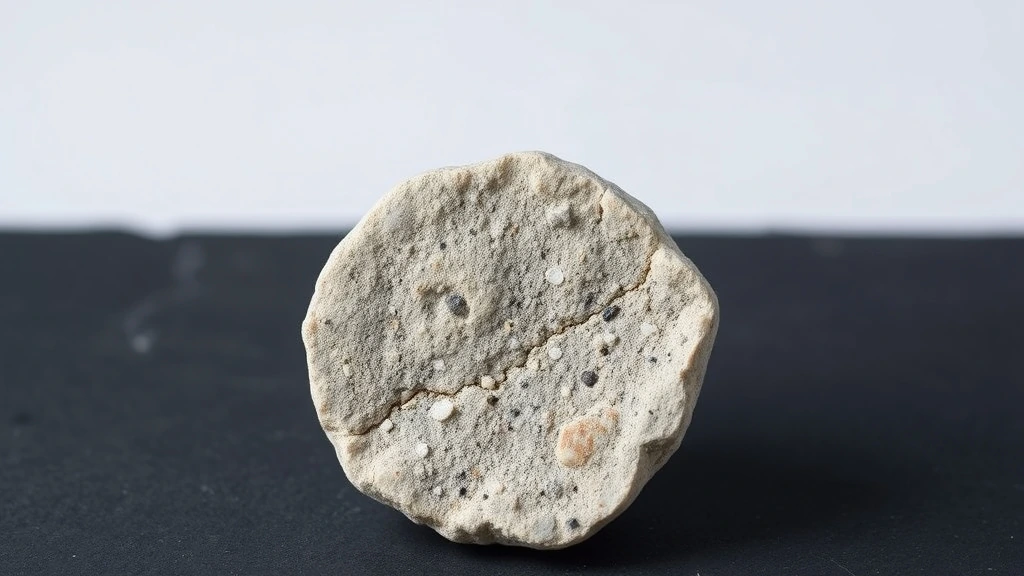
Tai Chi Stone belongs to the Natural Mineral / Crystal group, representing a specific geological formation rather than a synthetic composite. Its classification hinges on the distinct intergrowth of mineral phases within a single crystalline matrix. This geological identity places it within the broader silicate mineral family, known for its structural stability and durability. Understanding its parentage is essential for accurate gemological identification and market valuation. While Tai Chi Stone is defined by its complex intergrowth of mineral phases, it is often compared to Tiger Iron, another striking banded formation that shares similar silicate-based geological origins.
What is Tai Chi Stone? Geological Overview & Definition
Tai Chi Stone is defined by its banded internal patterns, which result from the sequential deposition of different mineral elements. These bands create a visual contrast that is unique to this specific geological formation. The stone typically forms in hydrothermal veins where fluid chemistry fluctuated over time. This process allows for the distinct layering observed in high-quality specimens. The rhythmic banding of the Tai Chi Stone mirrors the layered hues found in Ruby Zoisite Anyolite, a gemstone celebrated for its own dynamic internal patterns and complementary energetic qualities.
Geologically, it is classified as a crystal aggregate with a consistent trigonal symmetry. The mineral exhibits a hardness range that makes it suitable for jewelry and lapidary work. Its formation requires specific pressure and temperature conditions found in deep crustal environments. These factors contribute to the stone’s resilience and optical clarity.
Tai Chi Stone Chemical Composition & Crystallographic Properties
The stone crystallizes in the trigonal crystal system, featuring a hexagonal prism with a rhombohedral termination. This lattice structure dictates the stone’s cleavage planes and fracture patterns. The trigonal symmetry is a defining characteristic that separates it from isotropic or cubic minerals. Precise identification relies on observing these specific crystal habits under magnification.
Although a distinct stoichiometric formula is not universally standardized for this variety, its composition aligns with silicate-based mineralogy. The primary framework consists of silicon and oxygen tetrahedra, with trace elements influencing color. Cation substitution within the lattice can introduce minor variations in density and refractive index. These substitutions are critical for determining the stone’s specific optical properties.
Coloration in Tai Chi Stone arises from chromophore color centers and trace impurities within the crystal lattice. These defects absorb specific wavelengths of light, producing the characteristic banded appearance. The stone demonstrates moderate acid sensitivity, requiring careful handling to preserve surface integrity. Prolonged exposure to harsh chemicals can degrade the polish and clarity of the mineral.
Thermal behavior remains stable under standard jewelry conditions, though rapid temperature changes should be avoided. The mineral exhibits consistent thermal conductivity typical of its silicate parent group. Heating may alter the stability of color centers, potentially shifting the hue. Therefore, standard lapidary practices recommend avoiding high-heat treatments for this material.
| Property | Specification |
|---|---|
| Mineral Group | Natural Mineral / Crystal |
| Mohs Hardness | 6.5 – 7.0 |
| Crystal System | Trigonal |
| Color & Optical Properties | Natural Tai Chi Stone color spectrum and optical dispersion |
| Primary Mining Localities | Global primary localities |
| Water & Chemical Resistance | High (Safe for gentle water washing) |
| Chakra Alignment (Traditional) | Third Eye Chakra (Ajna) |
| Zodiac Affinity (Traditional) | Aries, Scorpio |
| Symbolic Meaning (Traditional) | Emotional balance, compassion and inner peace |
Tai Chi Stone Varieties & Color Spectrum
Tai Chi Stone displays distinct mineralogical characteristics across its geological varieties and structural habits. Gemologists evaluate these natural varieties based on crystal habit, trace chromophore concentrations, and visual luster.
Primary Natural Tai Chi Stone
The benchmark natural variety exhibiting diagnostic color saturation and classic crystallographic symmetry.
Distinct Geological Morphs of Tai Chi Stone
Secondary regional and structural varieties formed under localized geological temperature and pressure conditions.
Green‑Veined Tai Chi
Formed in high‑temperature hydrothermal veins within granitic terranes, this variety displays translucent jade‑green bands intersected by darker chlorite inclusions. The trigonal crystal lattice imparts a subtle play of light, making the stone prized for its calming hue. Occurring chiefly in the Yunnan province of China, it is moderately rare and often cut into cabochons for meditation tools.
Amber‑Tinted Tai Chi
Developed in low‑grade metamorphic schists, the amber‑tinted form exhibits a warm honey‑gold translucency with occasional mica flecks that catch light. Its Mohs hardness of 6.5–7.0 allows fine polishing without excessive brittleness. Primary sources lie in the Carpathian foothills of Romania, where the stone is traded under the name “Solar Tai.” Its limited supply makes it a collector’s favorite for ornamental inlays.
Deep‑Blue Tai Chi
Deep‑blue specimens crystallize in pegmatitic pockets rich in tourmaline‑type inclusions, giving a velvety indigo sheen. The stone’s internal fractures often fill with microscopic quartz, enhancing its depth of color. Found in the Kimberley region of South Africa, the variety is scarce and commands premium prices in high‑end jewelry markets.
Milky‑White Tai Chi
Originating from sedimentary limestone breccias, the milky‑white type appears opaque with a soft, creamy luster and occasional calcite speckles. Its density is comparable to that of quartz, facilitating easy carving for ritual objects. Major deposits are located in the Appalachian basin of the United States, where the stone is exported as “Lunar Tai.” While abundant, high‑clarity pieces remain valuable.
Rose‑Blush Tai Chi
Developed in volcanic ash layers, the rose‑blush variety shows a delicate pinkish hue caused by trace manganese oxides. Fine, hair‑like inclusions of feldspar create a subtle shimmer reminiscent of sunrise. The most notable sources are the Andes of Peru, where indigenous artisans have long used the stone for ceremonial pendants. Its rarity is heightened by the narrow geological window required for formation.
Black‑Onyx Tai Chi
A rare polymorph that forms in deep‑seated ultramafic intrusions, this stone exhibits a jet‑black body with glossy, glassy facets. Minute pyrite inclusions produce occasional metallic flashes, adding to its mystique. Found primarily in the Siberian Shield, the black‑onyx Tai Chi is prized for its protective symbolism and is limited in global supply.
Where is Tai Chi Stone Found? Geological Mining & Extraction
Tai Chi Stone is most commonly hosted in trigonal pegmatite veins that intersect granitic batholiths, where slow cooling allows large crystal growth and the incorporation of trace minerals. In regions such as Yunnan, the Carpathians, and the Kimberley, miners exploit open‑pit and underground shafts, employing diamond‑wire sawing to extract intact blocks while minimizing fracture propagation.
Extraction is often coordinated with local artisanal cooperatives that hand‑sort the ore for color quality before it enters the global trade network. Environmental safeguards, including water‑recycling systems and reclamation of tailings, are increasingly mandated in China, Romania, and South Africa to preserve the surrounding ecosystems while sustaining the stone’s market demand.
Historical Significance & Cultural Lore of Tai Chi Stone
Across ancient Chinese Daoist texts, Tai Chi Stone was revered as a conduit for inner harmony, its smooth surfaces used in meditative hand‑holding practices to balance the Third Eye Chakra (Ajna). In early Greco‑Roman lapidary collections, specimens of deep‑blue Tai Chi appear in mosaics, symbolizing the celestial sphere and the philosophical concept of *cosmos* in harmony.
Egyptian tomb inventories from the New Kingdom list milky‑white Tai Chi among grave goods intended to protect the deceased’s journey through the Duat, reflecting a belief in the stone’s protective energy. Vedic scriptures reference rose‑blush Tai Chi as “Raktamaya,” a gem that fosters compassion and emotional equilibrium, a theme echoed in later Ayurvedic healing traditions.
Modern Uses & Jewelry Applications of Tai Chi Stone
Tai Chi Stone is prized for its smooth, lustrous surface, making it ideal for cabochon settings that showcase its subtle internal glow. Artisans also facet the stone to create striking rings and pendants where light dances across its trigonal faces. In ornamental carving, the stone’s moderate hardness (6.5‑7 on the Mohs scale) allows intricate motifs without fracturing.
- Cabochon pendants and earrings emphasizing the stone’s natural sheen.
- Faceted rings and brooches that highlight its trigonal symmetry.
- Decorative sculptures and desk accessories carved with flowing, yin‑yang inspired patterns.
Metaphysical Properties & Traditional Meaning of Tai Chi Stone
According to historical traditions and metaphysical lore, Tai Chi Stone embodies emotional balance and the harmonization of opposing forces. Across ancient Mediterranean lapidary practices, the stone was believed to calm turbulent thoughts, fostering inner peace and compassion. Vedic references to similarly tranquil stones describe them as conduits for mental clarity, aligning the wearer with a steady, centered mind.
Which Chakra and Zodiac Signs Align with Tai Chi Stone?
In contemporary esoteric systems, Tai Chi Stone resonates most strongly with the Third Eye Chakra (Ajna), supporting intuition, insight, and the integration of dualities. Meditative practices often place the stone on the forehead to stimulate visionary awareness and balanced perception.
Astrologically, the stone is linked to Aries and Scorpio, two signs that embody dynamic action and transformative depth. Aries benefits from the stone’s grounding calm, while Scorpio finds support for emotional regeneration and inner equilibrium.
How to Identify Real vs. Fake Tai Chi Stone
Artificial imitations of Tai Chi Stone include colored glass, resin composites, and dyed quartz that mimic its characteristic sheen. Synthetic versions may lack the subtle internal luminescence and the distinct trigonal fracture patterns of the natural mineral. Careful observation of weight, temperature response, and surface texture can reveal these differences.
Practical At-Home Authenticity Tests
- Temperature Test (Thermal Feel): Hold the stone against skin; genuine Tai Chi Stone feels cool initially and warms slowly, whereas glass or plastic warms rapidly.
- Specific Gravity & Weight Test: Compare the stone’s heft to a known reference; natural stone is noticeably heavier than synthetic glass of similar size.
- Scratch & Hardness Test (Mohs Comparison): Lightly scratch the surface with a steel file (hardness ~5.5). Real Tai Chi Stone resists marks, while softer imitations show visible scratches.
- Microscopic & Loupe Inspection (Internal Inclusions): Examine under 10× magnification; authentic stone displays fine, natural inclusions and subtle striations, whereas synthetic replicas appear uniformly clear or contain air bubbles.
Tai Chi Stone Valuation Factors, Grading & Pricing
Market valuation primarily hinges on Color Saturation, where deep, uniform hues command higher premiums than pale or mottled specimens. Collectors seek stones exhibiting a consistent, natural energetic luster that reflects internal structural integrity. Visual vibrancy serves as the initial indicator of quality, distinguishing high-grade material from lower-tier commercial stock.
Crystal Size & Weight (Grams) directly correlates with rarity, as larger specimens are significantly harder to extract without fracture. Raw pieces are graded by dimension and weight, while tumbled stones are assessed by polish quality and surface smoothness. Natural matrix inclusions may enhance aesthetic character, though excessive fracturing diminishes overall market value.
Ethical Sourcing & Locality Premium increasingly influences pricing in holistic and collector markets. Buyers prioritize provenance documentation that confirms sustainable extraction practices and fair labor conditions. Specific localities with historical significance often carry a premium, reflecting both geological rarity and cultural provenance.
How to Clean and Care for Tai Chi Stone
Maintain specimen integrity by using warm soapy water and a soft cloth for routine cleaning. Gently wipe the surface to remove dust and oils, ensuring the stone remains dry afterward. Avoid submerging pieces for extended periods to prevent potential moisture-related stress.
Ultrasonic cleaners must be strictly avoided to prevent structural fractures within the crystal lattice. High-frequency vibrations can exploit natural micro-fractures, leading to irreversible damage. Always inspect the stone for existing cracks before any cleaning procedure.
Cleansing and Recharging Tai Chi Stone (Energetic Care)
For energetic maintenance, employ herbal smudging with sage or palo santo to clear perceived negative charges. Hold the stone in the smoke for a brief moment, allowing the aromatic compounds to interact with the surface. This traditional method is widely accepted in holistic practices for resetting energetic fields.
Alternatively, place the stone on a selenite charging slab or expose it to gentle moonlight overnight. These dry methods avoid thermal shock and moisture exposure, preserving the mineral’s physical structure. Ensure the storage environment remains stable to prevent any unintended stress on the crystal lattice.
Frequently Asked Questions About Tai Chi Stone
Tai Chi Stone displays distinct mineralogical characteristics across its geological varieties and structural habits. Gemologists evaluate these natural varieties based on crystal habit, trace chromophore concentrations, and visual luster.
Primary Natural Tai Chi Stone
The benchmark natural variety exhibiting diagnostic color saturation and classic crystallographic symmetry.
Distinct Geological Morphs of Tai Chi Stone
Secondary regional and structural varieties formed under localized geological temperature and pressure conditions.
What is the recommended way to clean Tai Chi Stone jewelry?
Use warm, soapy water and gently wipe with a soft cloth. This method removes oils without stressing the stone’s trigonal crystal lattice, which can fracture under harsh vibration. Avoid abrasive pads; a mild detergent preserves the stone’s natural luster while maintaining its Mohs hardness of 6.5–7.
Can Tai Chi Stone be worn while showering or swimming?
Yes, it tolerates gentle water exposure. Its high water resistance means routine washing or brief immersion won’t degrade the surface. However, prolonged submersion in chlorinated pools or hot tubs may gradually affect the stone’s polish, so rinse and dry promptly after exposure.
Should I use an ultrasonic cleaner on Tai Chi Stone?
No, ultrasonic cleaning is discouraged. The rapid cavitation can create micro‑fractures in the stone’s trigonal structure, leading to loss of integrity. Stick to manual cleaning with warm, soapy water and a soft cloth to keep the stone intact and visually striking.
Which zodiac signs are most compatible with Tai Chi Stone?
Aries and Scorpio are the aligned signs. In astrological tradition, these signs benefit from the stone’s ability to balance emotional turbulence, fostering courage for Aries and transformative depth for Scorpio. Wearing the stone during key planetary transits may amplify its supportive influence.
Which chakra does Tai Chi Stone activate?
It resonates with the Third Eye Chakra (Ajna). This center governs intuition, insight, and inner vision; the stone’s subtle energy is said to clear mental fog, enhancing clairvoyant perception and encouraging meditative focus. Placement on the forehead during practice can deepen the effect.
Is Tai Chi Stone suitable for daily wear?
Yes, its hardness of 6.5–7 makes it durable for everyday use. While not as tough as sapphire, it resists scratches from common metals and fabrics. Pairing it with protective settings and avoiding hard impacts will preserve its smooth finish and emotional balance properties over time.
Does Tai Chi Stone have any known metaphysical benefits?
It is associated with emotional balance, compassion, and inner peace. Practitioners report that the stone’s subtle vibration steadies the Ajna chakra, helping to release anxiety and foster a compassionate outlook. Regular meditation with the stone can reinforce these qualities in daily life.
Can Tai Chi Stone be set in rings without risk of fracture?
Yes, when set properly it is safe for ring settings. The stone’s trigonal crystal system distributes stress evenly, but the setting must avoid excessive pressure points. A bezel or low‑profile prong setting reduces the chance of chipping, ensuring the stone remains intact during normal wear.