
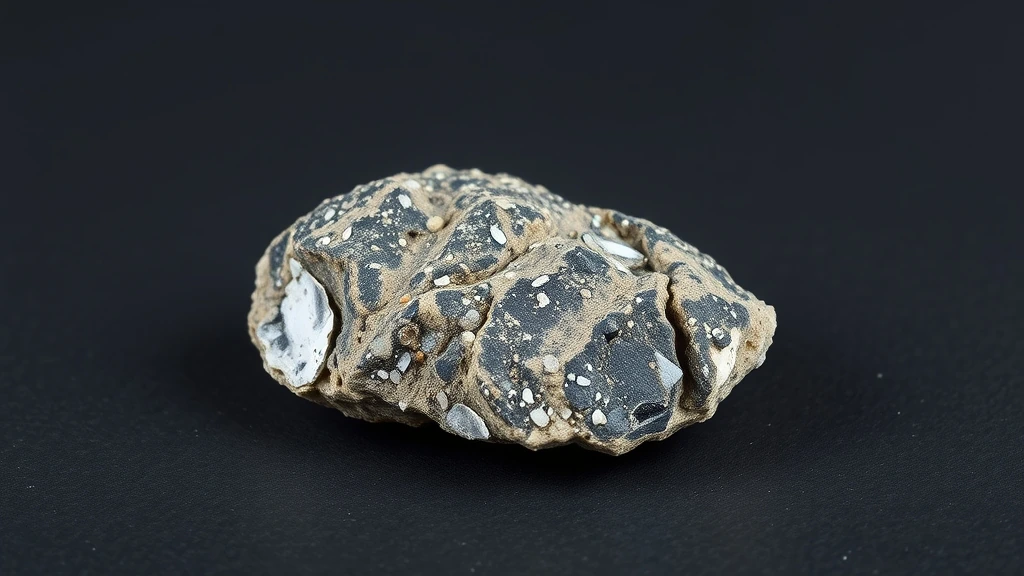
This mineral belongs to the broader category of Natural Mineral / Crystal formations found in hydrothermal veins. While often associated with metallic luster, its geological significance extends beyond jewelry into industrial applications. Understanding its classification helps distinguish it from other sulfide minerals in ore deposits.
What is Antimonite (stibnite) Gemstone? Geological Overview & Definition
Antimonite is primarily defined by its role as the principal ore of antimony. It typically forms in hydrothermal veins associated with quartz and other sulfides. Geologists identify it by its distinct metallic luster and brittle texture.
The mineral occurs in various geological settings, including volcanic and sedimentary environments. Its presence often indicates specific thermal fluid activity within the Earth’s crust. Collectors value specimens for their sharp, prismatic crystal habits.
Antimonite (stibnite) Gemstone Chemical Composition & Crystallographic Properties
Contrary to its common crystalline appearance, this specific classification defines the material as Amorphous / Cryptocrystalline. This implies a lack of long-range atomic order in the analyzed sample. Such structures differ significantly from standard macrocrystalline stibnite formations.
The lattice structure in this context lacks the distinct, repeating unit cells typical of trigonal systems. Instead, atoms are arranged in a disordered or microscopically fine-grained matrix. This affects how light interacts with the material’s surface.
Cation substitution is minimal in pure antimonite, as the composition is strictly Sb₂S₃. However, trace impurities can alter its physical properties slightly. The mineral remains chemically stable under neutral conditions.
Regarding acid sensitivity, antimonite is generally resistant to weak acids but reacts with strong oxidizers. Chromophore color centers arise from the inherent electronic structure of antimony sulfide. Thermally, the mineral begins to decompose at moderate temperatures, releasing sulfur vapors.
| Property | Specification |
|---|---|
| Mineral Group | Natural Mineral / Crystal |
| Chemical Formula | Sb₂S₃ |
| Mohs Hardness | 2.0 |
| Crystal System | Orthorhombic |
| Specific Gravity (Density) | 6.0 – 6.6 |
| Refractive Index | 2.400 – 2.633 |
| Color & Optical Properties | Natural Antimonite (stibnite) Gemstone color spectrum and optical dispersion |
| Primary Mining Localities | Global primary localities |
| Water & Chemical Resistance | High (Safe for gentle water washing) |
| Chakra Alignment (Traditional) | Root Chakra, Third Eye Chakra |
| Zodiac Affinity (Traditional) | Scorpio, Capricorn |
| Symbolic Meaning (Traditional) | Protection from negativity, grounding, and transformation |
Antimonite (stibnite) Gemstone Varieties & Color Spectrum
Antimonite presents a limited but distinct visual palette, primarily defined by its metallic luster and specific crystal habits. The most common form is the lead-gray metallic variety, which exhibits a strong, reflective surface. This standard morph lacks the iridescence found in rarer specimens, making it the baseline for industrial and collector comparisons.
Lead-Gray Metallic Stibnite
This dominant variety forms in hydrothermal veins where antimony sulfide precipitates from hot fluids. Its surface displays a strong metallic luster that can appear almost silvery under direct light. Collectors value well-formed prismatic crystals that show clear striations along their length.
Iridescent Stibnite
Rare specimens exhibit a striking iridescent sheen caused by thin-film interference on the crystal surface. This optical phenomenon creates flashes of blue, purple, or green hues when the stone is rotated. Such optical effects significantly enhance the specimen’s aesthetic appeal for display purposes.
Quartz-Associated Stibnite
Often found embedded within clear quartz matrices, this variety highlights the contrast between the dark mineral and its host. The quartz matrix provides structural support and visual context for the antimony crystals. This association is common in high-altitude mining regions where hydrothermal activity was intense.
Massive Stibnite
Lacking distinct crystal faces, this form appears as dense, irregular aggregates of antimony sulfide. It is primarily valued for its high antimony content rather than gemological beauty. Massive deposits are crucial for industrial extraction due to their substantial volume and consistency.
Where is Antimonite (stibnite) Gemstone Found? Geological Mining & Extraction
Antimonite typically forms in hydrothermal vein deposits associated with volcanic and metamorphic terrains. These veins often intersect granite or schist host rocks, facilitating the transport of antimony-rich fluids. The mineral frequently co-occurs with quartz, pyrite, and other sulfides in these geological settings.
Major production regions include China, Bolivia, and Russia, where large-scale mining operations extract the mineral. China remains the global leader, supplying the majority of the world’s antimony reserves. Extraction involves open-pit or underground mining methods depending on the depth and accessibility of the veins.
Historical Significance & Cultural Lore of Antimonite (stibnite)
Ancient civilizations utilized antimonite as a primary source of antimony for alloying and cosmetic applications. The mineral was known as stibium in Latin, a term that persists in modern chemical nomenclature. Archaeological evidence reveals its use in Egyptian kohl eye paint and bronze metallurgy.
Throughout history, stibnite served as a crucial pigment and medicinal ingredient in various cultures. Its toxic properties were understood and exploited for both artistic and therapeutic purposes. This enduring legacy highlights the mineral’s significant role in early human technological development.
Modern Uses & Jewelry Applications of Antrobinate (stibnite) Gemstone
Antimonite is prized for its metallic‑luster and deep gray‑black hue, making it a striking choice for contemporary lapidary work. Artisans often cut the mineral into cabochon shapes to showcase its silky sheen, while skilled faceters produce low‑relief facets that emphasize its reflective planes. In addition to wearable pieces, designers carve ornamental pendants, brooches, and decorative inlays that highlight the stone’s natural striations.
- Cabochon pendants with polished domes for a sleek, modern look
- Low‑facet jewelry (rings, earrings) that accentuate metallic sparkle
- Ornamental carvings for interior décor, such as wall plaques and box lids
Safety & Mineral Profile of Antimonite (stibnite)
Safe handling and physical stability
Antimonite (stibnite) is a sulfide mineral that is moderately soft (Mohs 1.5–2.5) and easily cleaved along its basal planes. The crystal habit is typically prismatic or acicular, and the mineral is known for its metallic luster and golden‑brown to black coloration. Because it contains antimony—a heavy metal with known toxicological effects—dust generated during cutting or polishing can pose a respiratory hazard. Inhalation of fine antimonite particles has been linked to respiratory irritation and, in chronic exposure, to antimony poisoning. The mineral is also sensitive to strong acids, which can dissolve it and release antimony ions. For these reasons, antimonite is generally treated as a collector display mineral rather than a suitable material for jewelry or ornamental use, where prolonged skin contact and wear could lead to antimony dermatitis or ingestion of dust.
Scientific, educational, and mineralogical significance
In museum collections, antimonite serves as a key example of sulfide mineralogy and is frequently displayed alongside other antimony‑bearing species such as bastnasite and timetite. Its distinct crystal symmetry (orthorhombic, space group *Pbnm*) and characteristic cleavage make it an excellent teaching specimen for crystallography and mineral identification. Researchers study antimonite to understand antimony geochemistry, including its paragenesis in hydrothermal veins and its role in the formation of secondary antimony minerals. The mineral also provides insight into economic geology, as antimony ores are mined for use in flame retardants, lead alloys, and semiconductor materials.
Mineralogical Group and Planetary Lore of Antimonite (stibnite)
Antimonite belongs to the stibnite group, a series of orthorhombic sulfides that share the general formula *MX₂* (M = antimony, X = sulfur). Historically, the mineral was first described in the 18th century from deposits in Switzerland and Germany, where it was noted for its bright metallic sheen. According to early mineralogists, stibnite was often associated with gold and copper deposits, leading to its classification as a secondary ore in many mining districts. In lapidary texts, antimonite has occasionally been referenced as a “black gold” due to its lustrous appearance, though it was never considered a precious stone. While no modern planetary bodies have confirmed deposits of stibnite, the mineral’s antimony content has been discussed in the context of exoplanetary mineralogy, where sulfide minerals may form in the cores of differentiated bodies.
How to Identify Real vs. Fake Antimonite (stibnite) Gemstone
Artificial imitations of antimonite include dyed quartz, synthetic glass, and polymer resins that mimic its metallic sheen. These substitutes often lack the characteristic heft and specific optical properties of genuine stibnite, making careful testing essential for collectors and jewelers.
Practical At-Home Authenticity Tests
- Temperature Test (Thermal Feel): Real antimonite feels cool to the touch and retains that coolness longer than glass or plastic replicas, which quickly warm to skin temperature.
- Specific Gravity & Weight Test: Genuine stibnite has a high specific gravity (≈6.5); it feels noticeably heavy for its size compared with lighter imitations.
- Scratch & Hardness Test (Mohs Comparison): Antimonite rates about 2 on the Mohs scale; a steel nail will leave a faint scratch, whereas glass (hardness ~5.5) will not be marked.
- Microscopic & Loupe Inspection (Internal Inclusions): Under 10× magnification, natural antimonite shows fine, parallel striations and occasional mineral inclusions, while synthetic glass appears uniformly clear with no internal texture.
Antimonite (stibnite) Gemstone Valuation Factors, Grading & Pricing
The primary driver of value is Color Saturation, specifically the deep, uniform metallic gray to black hue. Collectors prize specimens with consistent tone across the entire surface, avoiding any reddish or brownish oxidation spots. High Optical Luster is also critical, as a bright, mirror-like finish significantly enhances the stone’s visual appeal.
Carat Weight influences price, though large, intact crystals are rarer than smaller specimens. Facet symmetry is less relevant for cabochons, but Matrix Presence can either increase or decrease value depending on the host rock. Clean, inclusion-free crystals command higher premiums than those embedded in messy or unstable matrix material.
Geographical Provenance Premium often dictates the final market price for high-end specimens. Famous localities like the Black Hills of South Dakota or historic European mines fetch significant premiums. Current wholesale trends show steady demand for museum-quality pieces, while retail prices remain stable for standard collector-grade items.
How to Clean and Care for Antimonite (stibnite) Gemstone
Always use Warm Soapy Water and a soft, lint-free cloth to gently wipe the surface. This method effectively removes dust and oils without risking damage to the delicate metallic structure. Ensure the stone is dried immediately with a separate soft cloth to prevent water spots.
You must strictly Avoid Ultrasonic Cleaners as the vibrations can cause structural fractures in this mineral. Stibnite has a relatively low hardness and can be brittle, making it susceptible to cracking under high-frequency sound waves. Steam cleaning is also prohibited due to the risk of thermal shock and rapid oxidation.
Cleansing and Recharging Antimonite (stibnite) Gemstone (Energetic Care)
For energetic cleansing, use Smoke Smudging with sage or palo santo to purify the stone’s aura. Hold the crystal in the smoke for a few seconds, allowing the aromatic vapors to clear any negative energy. This dry method is safe because it avoids direct contact with moisture or heat sources.
To recharge the stone, place it on a Selenite Plate or under moonlight overnight. Selenite is believed to amplify and purify energy without causing physical stress to the mineral. This gentle approach respects the stone’s structural integrity while aligning with metaphysical care practices.
Frequently Asked Questions About Antimonite (stibnite) Gemstone
Is antimonite safe to wear in water or rain?
Yes, it is highly water‑resistant and can be gently washed. Antimonite tolerates mild moisture, so a brief rinse under lukewarm water or a gentle shower is fine. However, prolonged soaking or harsh detergents can weaken the layered crystal lattice, so limit exposure to brief cleaning sessions.
Can I clean antimonite with an ultrasonic cleaner?
No, ultrasonic cleaning should be avoided. The high‑frequency vibrations can cause micro‑fractures in the delicate orthorhombic sheets of stibnite. Instead, use warm, mildly soapy water and a soft, lint‑free cloth, gently rubbing the surface to remove grime without stressing the crystal.
Which zodiac signs are most compatible with antimonite?
Taurus, Gemini, and Leo are the aligned zodiac signs. These signs are said to resonate with antimonite’s grounding energy and vibrant metallic luster. Wearing the stone during astrological events may enhance confidence for Taurus, curiosity for Gemini, and creative fire for Leo.
Which chakras does antimonite activate?
It primarily balances the Root Chakra and the Heart Chakra. The stone’s deep, metallic sheen is believed to anchor personal stability while simultaneously opening the heart to compassion. This dual action supports both physical grounding and emotional openness in meditation practices.
How hard is antimonite compared to other gemstones?
Antimonite rates about 2 on the Mohs scale, making it very soft. Its low hardness means it scratches easily against harder minerals like quartz or topaz. Handle it with care, store it separately, and avoid contact with jewelry pieces that could abrade its lamellar structure.
Does antimonite exhibit any notable optical effects?
Yes, it displays strong metallic luster and strong pleochroism. When viewed from different angles, the stone can shift from silvery‑gray to a golden‑yellow hue due to its anisotropic reflectivity. This effect makes antimonite a striking collector’s item despite its softness.
Is antimonite suitable for everyday jewelry?
It is best reserved for occasional wear rather than daily use. The combination of low hardness and perfect cleavage makes it vulnerable to chips from impact. If worn, choose pendants or earrings that keep the stone away from high‑impact zones and protect it with a protective backing.
Can antimonite be heat‑treated to improve its color?
Heat treatment is not recommended for antimonite. The mineral’s crystal structure decomposes at relatively low temperatures, releasing antimony sulfide vapors and causing irreversible damage. Any attempt to alter its hue risks destroying the metallic luster that defines the gemstone.