
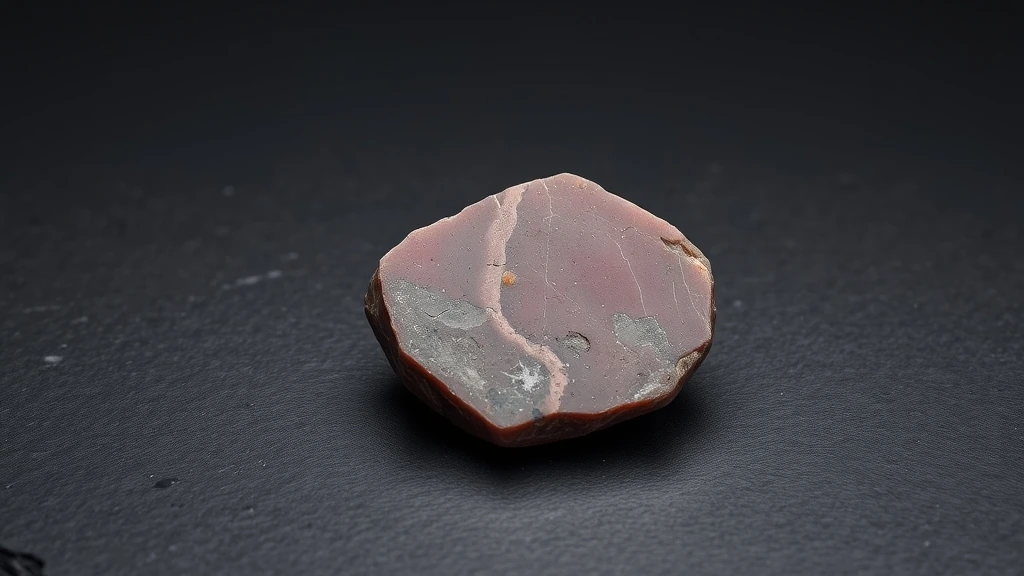
Bloodstone is not a single mineral species but a natural mineral aggregate classified under the chalcedony group. It belongs to the broader quartz family, which defines its fundamental structural properties. Geologically, it forms through the infiltration of silica-rich fluids into volcanic or sedimentary host rocks. This process traps various secondary minerals, creating its distinctive speckled appearance. Understanding its composite nature is essential for accurate gemological identification and valuation.
What is Bloodstone (heliotrope) Gemstone? Geological Overview & Definition
Bloodstone is primarily composed of chalcedony, a microcrystalline variety of quartz. This fine-grained matrix provides the stone’s structural integrity and base color. The characteristic red spots are inclusions of hematite, an iron oxide mineral. These inclusions scatter light, creating the stone’s famous “bloody” appearance against the green background.
The green hue often results from actinolite, a calcium magnesium iron silicate. This amphibole mineral contributes to the stone’s overall density and visual complexity. Bloodstone forms in specific geological environments, typically associated with volcanic activity. Its formation involves the slow precipitation of silica around existing mineral seeds. This geological history dictates its unique aesthetic and physical characteristics.
Bloodstone (heliotrope) Gemstone Chemical Composition & Crystallographic Properties
The primary matrix consists of chalcedony, which crystallizes in the trigonal system. This crystal structure features a hexagonal close-packed arrangement of silicon and oxygen tetrahedra. The lattice is defined by its microcrystalline nature, lacking large visible crystals. This fine-grained texture contributes significantly to the stone’s toughness and resistance to fracture.
The chemical composition is heterogeneous, dominated by SiO₂ in the matrix. Inclusions of Fe₂O₃ (hematite) provide the red coloration through iron oxidation. Actinolite inclusions introduce cation substitution with calcium, magnesium, and iron. This complex mineral assemblage means there is no single stoichiometric formula for the entire rock. Instead, the properties are an aggregate of its constituent minerals.
Thermal behavior is stable due to the high bond strength of the quartz matrix. The stone exhibits low thermal conductivity, feeling cool to the touch initially. Acid sensitivity is minimal for the silica matrix, which is highly resistant to corrosion. However, the hematite inclusions may react slowly with strong acids over time. This stability makes bloodstone suitable for long-term jewelry wear without significant degradation.
| Property | Specification |
|---|---|
| Mineral Group | Natural Mineral / Crystal |
| Chemical Formula | Composite rock: Chalcedony (SiO₂) matrix with inclusions of jasper (SiO₂), hematite (Fe₂O₃), and actinolite (Ca₂(Mg,Fe)₅Si₈O₂₂(OH)₂) |
| Mohs Hardness | 6.5 – 7.0 |
| Crystal System | Trigonal (Chalcedony matrix) |
| Specific Gravity (Density) | 2.60 – 2.65 |
| Refractive Index | 1.530 – 1.543 |
| Color & Optical Properties | Natural Bloodstone (heliotrope) Gemstone color spectrum and optical dispersion |
| Primary Mining Localities | Global primary localities |
| Water & Chemical Resistance | High (Safe for gentle water washing) |
| Chakra Alignment (Traditional) | Root Chakra |
| Zodiac Affinity (Traditional) | Aries, Leo, Scorpio |
| Symbolic Meaning (Traditional) | Courage, vitality, and emotional grounding |
Bloodstone (heliotrope) Gemstone Varieties & Color Spectrum
Bloodstone is a composite chalcedony rock rather than a single mineral species, characterized by its deep green base. The matrix typically consists of chalcedony or jasper, which provides the structural foundation for the stone. Embedded within this green ground are distinct red or brown spots that define its visual identity. These inclusions are primarily composed of hematite, an iron oxide mineral responsible for the characteristic “blood” appearance.
Classic Green Bloodstone
This is the most commercially common variety, featuring a dark olive-green background. The hematite inclusions appear as small, scattered red flecks or larger patches. Geologically, these stones form in hydrothermal veins where iron-rich fluids precipitated within silica-rich cavities. The chalcedony matrix usually exhibits a waxy luster and moderate translucency. This variety is abundant and widely available in the global gem market.
Red-Speckled Bloodstone
In this morph, the red inclusions are significantly more prominent and densely distributed. The hematite spots can range from fine dust to coarse, distinct grains. This variety often commands a higher price due to its vivid contrast and visual impact. The chalcedony base may appear slightly lighter green, enhancing the visibility of the red speckles. Collectors often prefer stones with a balanced distribution of these inclusions.
Translucent Bloodstone
Rare specimens exhibit a higher degree of translucency, allowing light to pass through the matrix. The chalcedony structure is finer-grained, resulting in a glassier appearance compared to opaque types. Hematite inclusions may appear as suspended clouds rather than solid spots. This variety is highly sought after for cabochon cutting due to its depth and clarity. It is typically found in specific high-quality deposits in Myanmar and Brazil.
Black Bloodstone
This rare variety features a very dark, almost black-green matrix with subtle red inclusions. The high concentration of carbonaceous material or iron impurities darkens the chalcedony base. Hematite spots are often less distinct, blending into the dark background. This morph is considered exotic and is rarely seen in standard jewelry collections. It appeals to collectors seeking unique, low-luminosity gemstones.
Brazilian Bloodstone
Stones from Brazil often display a vibrant, bright green hue with sharp red inclusions. The chalcedony matrix is typically fine-grained and highly polished. Hematite inclusions are well-defined, creating a striking visual contrast. This regional variety is known for its consistent quality and durability. It is a popular choice for modern jewelry designs due to its lively color palette.
Myanmar Bloodstone
Myanmar produces some of the finest bloodstone, characterized by a deep, forest-green tone. The chalcedony matrix is often exceptionally pure and uniform in texture. Hematite inclusions are finely dispersed, giving the stone a speckled appearance. This variety is prized for its rich color saturation and clarity. High-quality specimens are often reserved for high-end gemological collections.
Where is Bloodstone (heliotrope) Gemstone Found? Geological Mining & Extraction
Bloodstone is primarily extracted from alluvial deposits and hydrothermal veins associated with basaltic lava flows. The chalcedony matrix forms in cracks and cavities within volcanic rocks. Hematite inclusions precipitate from iron-rich hydrothermal fluids that permeate these structures. Mining operations typically involve open-pit excavation to access these near-surface deposits.
Major production regions include Myanmar, Brazil, India, and Germany. Myanmar is renowned for producing high-quality, translucent specimens with vivid coloration. Brazil contributes significantly to the global supply of classic green varieties. India has a long history of bloodstone mining, particularly in the state of Madhya Pradesh. These regions provide the majority of the commercial supply for the jewelry industry.
Historical Significance & Cultural Lore of Bloodstone (heliotrope) Gemstone
Bloodstone has been revered since antiquity, with references dating back to ancient Greek and Roman civilizations. It was believed to possess protective powers and to strengthen the wearer’s courage in battle. Hematite inclusions were thought to represent the blood of Christ, linking the stone to Christian symbolism. Medieval alchemists associated it with the element of earth and the root chakra.
Archaeological findings reveal bloodstone artifacts in Egyptian tombs and Celtic burial sites. These items often served as amulets for protection and vitality. The stone was also used in traditional medicine to treat blood-related ailments. Its enduring legacy reflects a deep cultural connection to themes of resilience and life force.
Modern Uses & Jewelry Applications of Bloodstone (heliotrope) Gemstone
Bloodstone is primarily fashioned into cabochons due to its opaque nature and intricate internal patterns. Lapidaries often carve it into beads, pendants, and ornamental plaques to showcase its distinctive green matrix with red hematite spots. Its durability makes it suitable for daily wear in rings and bracelets without significant risk of chipping.
- Cabochon Cutting: Polished into smooth, domed stones to highlight the natural “blood” inclusions.
- Carved Ornaments: Used in intaglio carvings for seals, signets, and decorative architectural elements.
- Beadwork: Commonly strung in necklaces and bracelets, often paired with silver or gold settings.
Metaphysical Properties & Traditional Meaning of Bloodstone (heliotrope) Gemstone
According to historical traditions and metaphysical lore, bloodstone is revered as a stone of courage and vitality. It is believed to stimulate the flow of energy, helping wearers overcome fear and emotional stagnation. Practitioners often associate it with emotional grounding, providing a sense of stability during turbulent times.
The stone’s deep green and red hues symbolize the union of nature and life force. It is traditionally used to enhance emotional grounding, allowing individuals to remain calm and focused. This resonance supports personal growth by encouraging resilience and a strong connection to the earth.
Which Chakra and Zodiac Signs Align with Bloodstone (heliotrope) Gemstone?
In metaphysical practice, bloodstone is strictly aligned with the Root Chakra. This energy center governs survival, security, and physical connection to the earth. The stone’s grounding properties help stabilize this chakra, fostering a sense of safety and physical well-being for the wearer.
Astrologically, bloodstone resonates deeply with Aries, Leo, and Scorpio. These fire and water signs benefit from the stone’s ability to channel intense energy constructively. It supports their natural passion while providing the necessary stability to manage their powerful emotional landscapes.
How to Identify Real vs. Fake Bloodstone (heliotrope) Gemstone
Artificial imitations of bloodstone are common, including synthetic glass, dyed jasper, and plastic replicas. These fakes often lack the natural irregularity and depth of genuine chalcedony matrices. Understanding the subtle differences in texture and inclusion patterns is crucial for accurate identification.
Practical At-Home Authenticity Tests
- Temperature Test (Thermal Feel): Genuine bloodstone feels cool to the touch initially and warms slowly. Plastic imitations tend to feel warm immediately and do not retain coolness for long.
- Specific Gravity & Weight Test: Real bloodstone has a specific gravity of 2.60 – 2.65, making it feel heavier than its size suggests. Glass imitations are often lighter or significantly heavier depending on the material used.
- Scratch & Hardness Test (Mohs Comparison): With a hardness of 6.5 – 7.0, bloodstone can scratch glass but may be scratched by quartz. Softer fakes like plastic or dyed agate will show visible scratches when rubbed against steel.
- Microscopic & Loupe Inspection (Internal Inclusions): Use a 10x loupe to look for natural hematite spots and actinolite fibers. Fakes often show air bubbles, uniform color distribution, or artificial dye bleeding into cracks.
Bloodstone (heliotrope) Gemstone Valuation Factors, Grading & Pricing
The primary determinant of value is Color Saturation, specifically the intensity of the deep green background. High-grade specimens exhibit uniform tone without muddy or brownish undertones. Additionally, a smooth, vitreous luster significantly enhances the stone’s overall visual appeal.
Market pricing heavily depends on Carat Weight and the precision of the cut. Larger, well-proportioned cabochons command higher premiums due to their rarity. Facet symmetry is less critical for this opaque material, but the distribution of matrix/inclusion patterns must be aesthetically pleasing.
Geographical Provenance Premium plays a significant role in collector markets, with Indian and Brazilian sources often valued higher. Wholesale prices remain modest, but retail margins increase for polished, high-quality pieces. Current trends favor stones with distinct, sharp iron oxide speckles against a vibrant green base.
How to Clean and Care for Bloodstone (heliotrope) Gemstone
To maintain the integrity of this composite rock, always use warm soapy water and a soft cloth for routine cleaning. This gentle method effectively removes surface oils and dust without damaging the delicate structure. Ensure the stone is dried thoroughly with a lint-free towel afterward.
It is crucial to avoid ultrasonic cleaners entirely, as the vibrations can cause structural fractures in the chalcedony matrix. The stone’s moderate hardness makes it susceptible to impact damage during aggressive cleaning processes. Never expose the gemstone to harsh chemical solvents or extreme temperature changes.
Cleansing and Recharging Bloodstone (heliotrope) Gemstone (Energetic Care)
For energetic maintenance, place the stone on a selenite plate overnight to absorb ambient lunar energy. This method is safe because it avoids direct water contact, preserving the stone’s physical stability. The gentle, dry environment ensures no mineral solubility issues arise during the recharging process.
Alternatively, use smoke smudging with sage or palo santo to clear stagnant energy. Hold the stone above the smoke for a few seconds, allowing the aromatic vapors to circulate around it. This dry technique respects the mineral’s composition while fulfilling traditional esoteric care practices.
Frequently Asked Questions About Bloodstone (heliotrope) Gemstone
Is bloodstone safe to wear in the shower?
Yes, bloodstone is highly water-resistant and safe for gentle exposure. The stone’s dense chalcedony matrix provides excellent structural integrity against moisture. However, avoid harsh soaps that may leave residue on the surface. Regular rinsing helps maintain its natural luster and clarity.
Can I clean bloodstone in an ultrasonic cleaner?
No, you must avoid ultrasonic cleaners for this stone. High-frequency vibrations can cause structural fractures within the composite rock structure. Instead, use warm soapy water and a soft cloth for safe maintenance. This gentle approach preserves the integrity of the inclusions.
What is the chemical composition of bloodstone?
It is a composite rock with a chalcedony base. The primary matrix consists of SiO₂ containing jasper and hematite inclusions. Green actinolite crystals often appear as distinct spots within the stone. This unique combination creates its characteristic deep green and red appearance.
What is the Mohs hardness of bloodstone?
Bloodstone rates between 6.5 and 7.0 on the Mohs scale. This makes it durable enough for everyday jewelry use. It resists scratching from common materials like steel or glass. Proper care ensures the surface remains smooth and unblemished over time.
Which zodiac signs are associated with bloodstone?
Aries, Leo, and Scorpio are the primary aligned signs. These individuals are believed to benefit from the stone’s energy. It supports their natural traits of passion and strength. Wearing it may enhance personal confidence and emotional stability for these signs.
Which chakra does bloodstone activate?
Bloodstone is exclusively aligned with the Root Chakra. This connection grounds the wearer and promotes a sense of security. It helps anchor energy to the earth. This alignment supports physical vitality and emotional stability in daily life.
What is the refractive index of bloodstone?
The refractive index ranges from 1.530 to 1.543. This optical property determines how light bends within the stone. It contributes to the stone’s subtle, waxy luster. Understanding this helps distinguish it from other green gemstones.
Does bloodstone have specific esoteric meanings?
It symbolizes courage, vitality, and emotional grounding. These attributes support the wearer during challenging times. The stone is believed to boost confidence. It encourages a strong, resilient mindset in personal and professional spheres.