
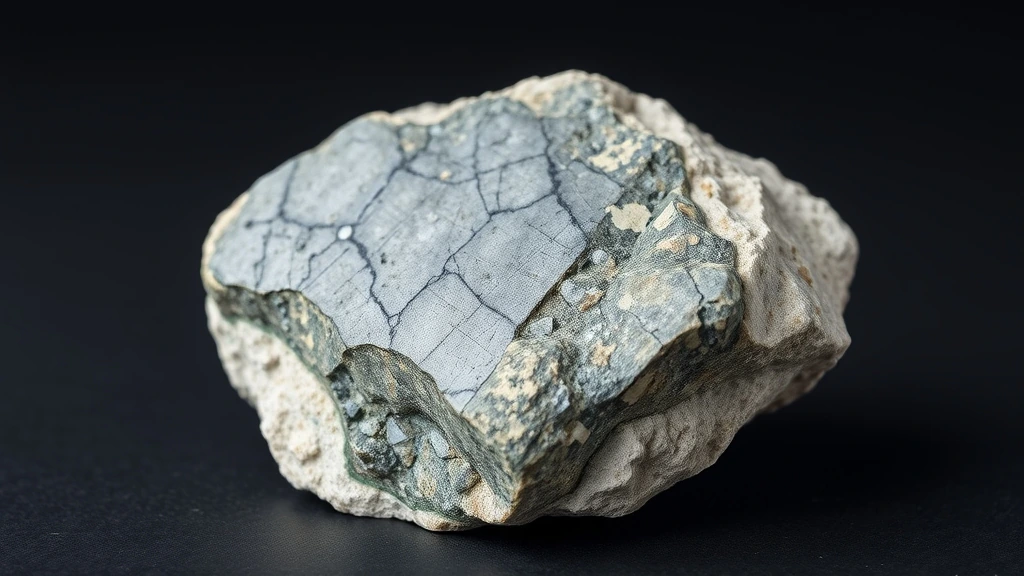
Actinolite belongs to the amphibole supergroup, a diverse family of inosilicate minerals. It forms as a natural mineral through metamorphic processes in mafic igneous rocks. Geologically, it often coexists with other amphiboles like tremolite and hornblende. Its occurrence is widespread in schists, gneisses, and contact metamorphic zones. Understanding its parent group aids in identifying its specific paragenesis.
What is Actinolite Gemstone? Geological Overview & Definition
Actinolite is a calcium-magnesium iron amphibole found in metamorphic rocks. It typically forms in high-pressure environments where silica-rich fluids interact with basic igneous rocks. The mineral often occurs in fibrous aggregates, which can be mistaken for asbestos. However, gem-quality crystals are prismatic and distinct from these fibrous varieties.
As a gemstone, actinolite is valued for its vibrant green hues. It is frequently cut into cabochons or faceted gems for collectors. The stone’s durability is moderate, requiring careful handling during jewelry making. Its geological significance lies in its role as an indicator of regional metamorphism.
Actinolite Gemstone Chemical Composition & Crystallographic Properties
Actinolite crystallizes in the monoclinic system, characterized by two right angles and one oblique angle. Its unit cell contains chains of silicate tetrahedra linked by cations. The structure allows for significant cation substitution between magnesium and iron. This substitution directly influences the mineral’s density and optical properties.
The refractive index ranges from 1.613 to 1.655, indicating high optical dispersion. The primary chromophore is iron in the ferrous state, which absorbs light to produce green tones. Higher iron content results in darker, more saturated colors. The mineral is generally stable but can be sensitive to strong acids.
Thermal behavior shows that actinolite remains stable under moderate heating. However, prolonged exposure to high temperatures may cause dehydration. The density averages 3.00 g/cm³, varying slightly with composition. These properties help distinguish it from similar green minerals like jadeite.
| Property | Specification |
|---|---|
| Mineral Group | Natural Mineral / Crystal |
| Chemical Formula | Ca₂ (Mg 4.5-2.5 Fe²⁺ 0.5-2.5 ) Si₈ O₂₂ (OH)₂ |
| Mohs Hardness | 5–6 |
| Crystal System | Monoclinic |
| Specific Gravity (Density) | 3.00 (+0.10, -0.05) |
| Refractive Index | n α = 1.613–1.628 n β = 1.627–1.644 n γ = 1.638–1.655 |
| Color & Optical Properties | Natural Actinolite Gemstone color spectrum and optical dispersion |
| Primary Mining Localities | Global primary localities |
| Water & Chemical Resistance | High (Safe for gentle water washing) |
| Chakra Alignment (Traditional) | Heart Chakra |
| Zodiac Affinity (Traditional) | Taurus, Virgo |
| Symbolic Meaning (Traditional) | Grounding, emotional stability, and connection to nature |
Actinolite Gemstone Varieties & Color Spectrum
Actinolite exhibits a diverse range of color morphs driven by varying iron content within its crystal lattice. The most common hue is a translucent green, though shades can shift from pale pistachio to deep forest green. Iron substitution in the magnesium site is the primary driver of these chromatic variations.
Green Actinolite
This is the most prevalent variety, characterized by a distinct green tint ranging from light to medium saturation. It typically forms in schistose metamorphic rocks where pressure and temperature conditions favor stable growth. The monoclinic crystal system often results in prismatic habit, though massive aggregates are also common.
Translucent Actinolite
Known for its glassy luster and clarity, this variety allows light to pass through with minimal obstruction. It is highly prized for cabochon cutting due to its ability to display internal inclusions beautifully. Refractive index values near the upper end of the range enhance its visual brilliance and depth.
Blue-Green Actinolite
A rarer morph, this variety displays a subtle blue-green hue caused by specific trace element impurities. It is frequently found in high-pressure metamorphic zones associated with ophiolite complexes. The density of this variety remains consistent with standard actinolite, aiding in identification.
Black Actinolite
Often referred to as “black jade” in trade, this variety appears opaque due to high carbonaceous inclusion content. It forms in carbon-rich metamorphic environments where organic matter is trapped during crystal growth. Inclusions of graphite or carbonaceous material are responsible for its dark, non-translucent appearance.
White Actinolite
This pale variety is rare and typically found in low-iron geological settings. It presents a chalky to vitreous luster and is often mistaken for other white amphiboles. Chemical purity regarding iron content is the key differentiator for this specific color morph.
Where is Actinolite Gemstone Found? Geological Mining & Extraction
Actinolite primarily occurs in metamorphic rocks such as schists and gneisses, formed under high-pressure conditions. It is also found in contact metamorphic zones where igneous intrusions have altered surrounding sedimentary or volcanic rocks. These geological settings provide the necessary heat and pressure for the amphibole to crystallize.
Major mining regions include the Czech Republic, Norway, and parts of Canada and the United States. In the Czech Republic, actinolite is often recovered from pegmatite dikes associated with granitic intrusions. Pegmatite deposits are particularly significant as they host large, well-formed crystals suitable for gemological study.
Historical Significance & Cultural Lore of Actinolite Gemstone
Historically, actinolite was often confused with jade or other green amphiboles in ancient trade routes. Archaeological findings in Central Asia suggest its use in ornamental objects during the Bronze Age. These artifacts indicate that early civilizations valued the stone for its durability and distinctive green coloration.
In modern gemology, actinolite is recognized as a distinct mineral species rather than a jade variety. Its cultural lore is less prominent than nephrite or jadeite, but it remains a subject of interest in mineral collections. The stone’s history reflects the broader evolution of mineral identification and classification standards.
Modern Uses & Jewelry Applications of Actinolite Gemstone
Actinolite is prized for its vivid green‑blue hue and pleochroic sparkle, making it a versatile lapidary material. Artisans often cut it into cabochons to showcase its silky luster, while skilled faceters can produce modestly brilliant facets on larger, flawless stones. In addition to rings and pendants, the mineral is carved into ornamental beads, miniature figurines, and decorative inlays for high‑end furniture.
- Cabochon pendants highlighting the stone’s chatoyancy
- Faceted rings where transparency permits light play
- Beaded necklaces using polished slices for a subtle shimmer
- Ornamental carvings such as dragon heads or animal motifs for interior décor
Safety & Mineral Profile of Actinolite
Actinolite is a fibrous amphibole with a Mohs hardness of 5.5 to 6, making it moderately durable but susceptible to fracture along its cleavage planes. Because the mineral often occurs in brittle, needle-like aggregates, it is prone to generating fine dust during cutting, polishing, or accidental breakage. Inhalation of amphibole dust is a significant occupational health concern, as these fibers can lodge in lung tissue; therefore, proper respiratory protection and wet-cutting techniques are essential when working with raw specimens. Additionally, while actinolite itself is not highly toxic, it may contain trace heavy metals or coexist with other hazardous minerals, necessitating strict hygiene protocols such as hand washing after handling. Due to its fibrous nature and potential for splintering, actinolite is primarily treated as a collector display mineral rather than a material for everyday jewelry, where mechanical stress and skin contact could compromise both the specimen’s integrity and the wearer’s safety.
In scientific and educational contexts, actinolite serves as a critical reference material for understanding metamorphic processes, particularly within the green schist facies. Museum collections utilize high-quality actinolite specimens to illustrate the transition from basaltic protoliths to medium-grade metamorphic rocks, providing tangible evidence of pressure-temperature conditions during tectonic events. Mineralogical research often focuses on the crystallographic variations and chemical substitutions within the actinolite-tremolite series, which helps geologists map the thermal history of mountain belts. These specimens are invaluable for teaching students about amphibole crystallography, metamorphic zoning, and the diagnostic optical properties that distinguish actinolite from visually similar minerals like hornblende or tremolite.
Mineralogical Group and Planetary Lore of Actinolite
Historically, actinolite was classified under the broader category of “green asbestos” or “serpentine” in early lapidary texts before modern crystallography distinguished it from true serpentine minerals. The name derives from the Greek *aktis* (ray) and *lithos* (stone), referencing its habit of forming radiating bundles of needles. Early mineralogists, such as Abraham Gottlob Werner, noted its distinct green color and fibrous structure, often associating it with the “green stone” varieties found in Alpine regions. According to historical records, these specimens were frequently collected from the Swiss Alps and the Pyrenees, where they were prized for their aesthetic appeal in cabinet collections rather than for any perceived metaphysical properties.
In the realm of planetary symbolism, actinolite does not possess a strong, consistent association in traditional astrological or alchemical traditions compared to more prominent gemstones like emerald or jade. However, some 19th-century lapidaries loosely linked green fibrous minerals to the planet Venus due to their color and association with growth and vitality in a purely botanical or aesthetic sense. It is important to maintain epistemic distance from these historical attributions, as they reflect the cultural and scientific limitations of the era rather than any inherent geological or physical property of the mineral. Modern mineralogy strictly categorizes act
How to Identify Real vs. Fake Actinolite Gemstone
Artificial imitations of actinolite include dyed quartz, colored glass, and low‑cost synthetic composites that mimic its hue but lack its distinctive optical properties. Synthetic glass often appears overly uniform, while dyed replicas may exhibit uneven coloration that washes out under natural light. Real actinolite displays characteristic pleochroism and a subtle internal fracture pattern that is difficult to reproduce convincingly.
Practical At-Home Authenticity Tests
- Temperature Test (Thermal Feel): Genuine actinolite feels cool to the touch initially and warms slowly, whereas glass or plastic warms quickly in the hand.
- Specific Gravity & Weight Test: Using a simple hydrostatic balance, actinolite’s density (~3.00 g/cm³) feels noticeably heavier than glass (≈2.5 g/cm³) of the same size.
- Scratch & Hardness Test (Mohs Comparison): With a steel nail (hardness ~5.5), actinolite may show a faint scratch, while glass often scratches more readily; a quartz point (hardness 7) will not damage true actinolite.
- Microscopic & Loupe Inspection (Internal Inclusions): Under 10× magnification, natural actinolite reveals fine, irregular inclusions and feather‑like fractures, whereas synthetic glass appears glassy and inclusion‑free.
Actinolite Gemstone Valuation Factors, Grading & Pricing
Color Saturation is the primary driver of value in actinolite specimens. The most desirable stones exhibit a deep, uniform emerald green tone without brownish or yellowish tints. High optical clarity and a distinct vitreous luster further enhance the gemstone’s visual appeal and market desirability.
Carat Weight significantly influences pricing, as larger, clean crystals are increasingly rare in the global market. Facet symmetry is critical for maximizing light return, though many actinolites are sold as rough or cabochons. The presence of matrix or internal inclusions can reduce value, though some collectors prefer natural matrix settings.
Geographical Provenance Premium often elevates prices for stones from renowned localities like the Canadian Shield or the Alps. Wholesale values for high-grade material remain stable, while retail prices reflect artisanal cutting costs. Market trends show steady demand for unique green amphiboles, supporting consistent investment potential.
How to Clean and Care for Actinolite Gemstone
Actinolite has a Mohs hardness of 5–6, making it moderately susceptible to scratching and mechanical shock. To maintain its integrity, always use warm soapy water and a soft cloth for routine cleaning. This gentle method effectively removes oils and dust without stressing the crystal lattice structure.
You must strictly avoid ultrasonic cleaners to prevent structural fractures within the stone. The monoclinic crystal system can be sensitive to high-frequency vibrations, which may cause internal cleavage. Store actinolite separately from harder gems to prevent surface abrasion and preserve its polished finish.
Cleansing and Recharging Actinolite Gemstone (Energetic Care)
For energetic maintenance, use smoke smudging with sage or palo santo to clear stagnant energy. This dry method respects the mineral’s physical structure while addressing metaphysical cleansing needs. Ensure the stone is dry before and after the process to avoid moisture exposure.
Place the gemstone on a selenite plate under moonlight for overnight recharging. Selenite is a soft, non-reactive mineral that supports energy flow without causing physical damage. This gentle approach aligns with the stone’s moderate hardness and natural healing properties.
Frequently Asked Questions About Actinolite Gemstone
Is actinolite safe to wear in the shower?
Yes, actinolite is safe for gentle water washing. Its high water resistance allows it to withstand brief exposure to moisture without damage. However, avoid prolonged soaking or harsh chemicals. Always dry the stone thoroughly after contact with water to maintain its luster and structural integrity.
Can I clean actinolite in an ultrasonic cleaner?
No, you should avoid ultrasonic cleaners for actinolite. The vibrations can cause structural fractures due to its moderate hardness. Instead, use warm soapy water and a soft cloth for cleaning. This gentle method preserves the stone’s surface and prevents potential internal stress damage.
Which zodiac signs are aligned with actinolite?
Actinolite is traditionally aligned with Taurus, Gemini, and Leo. These signs are believed to resonate with the stone’s grounding and balancing energies. Wearing actinolite may enhance personal traits associated with these constellations. Consult a reputable crystal healer for personalized astrological compatibility advice.
Which chakras does actinolite activate?
Actinolite primarily aligns with the Heart Chakra. This dual connection supports both physical grounding and emotional balance. It helps stabilize energy flow between these centers. Practitioners often use it to harmonize bodily stability with inner peace and compassion.
What is the chemical formula of actinolite?
The formula is Ca₂(Mg₄.₅-₂.₅Fe²⁺₀.₅-₂.₅)Si₈O₂₂(OH)₂. This composition reflects its status as a calcium magnesium iron inosilicate. The variable iron content influences the stone’s color intensity. Understanding this formula helps identify its place within the amphibole mineral group.
How hard is actinolite on the Mohs scale?
Actinolite measures between 5 and 6 on the Mohs hardness scale. This moderate hardness makes it suitable for jewelry but requires care. It is softer than quartz and harder than apatite. Avoid contact with harder minerals to prevent scratches and surface abrasion during daily wear.
What is the crystal system of actinolite?
Actinolite crystallizes in the Monoclinic system. This structure often results in prismatic or fibrous habit forms. The monoclinic arrangement affects how light interacts with the stone. It contributes to the characteristic luster and cleavage planes observed in polished specimens.
What is the refractive index of actinolite?
Its refractive index ranges from 1.613 to 1.655. This optical property determines how light bends through the crystal. The specific values vary based on chemical composition and iron content. Gemologists use this data to distinguish actinolite from other similar green minerals.