
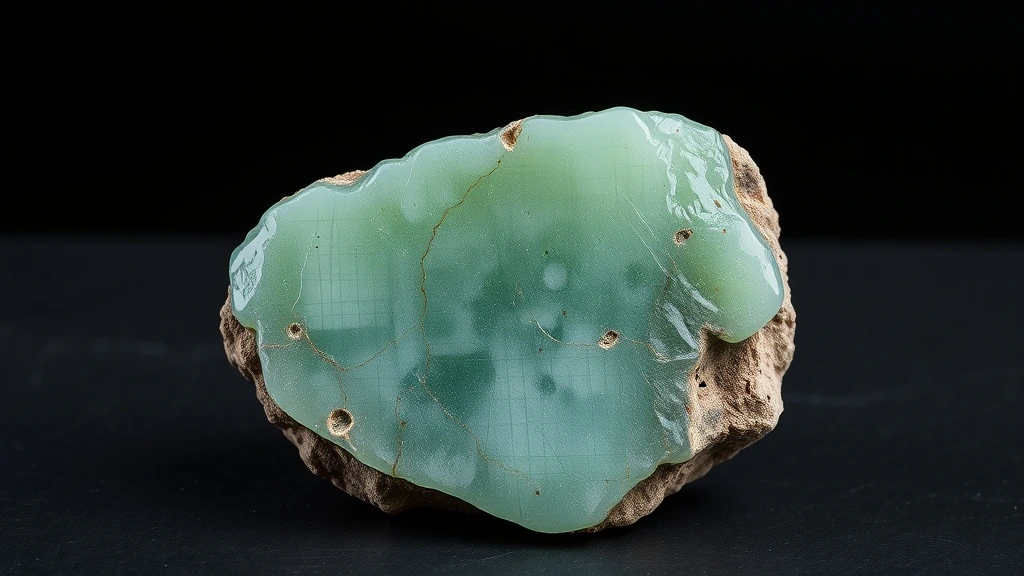
Jade is not a single mineral but a commercial term for two distinct silicate minerals. Both nephrite and jadeite belong to the Natural Mineral / Crystal parent group. They form through high-pressure metamorphism in tectonic plate boundaries. This geological process creates dense, interlocking crystal structures. Consequently, jade exhibits exceptional toughness despite moderate hardness.
What is Jade Gemstone? Geological Overview & Definition
Jade is defined by its unique toughness, which often exceeds its measured hardness. Nephrite forms from actinolite, while jadeite develops from pyroxene minerals. Both require intense pressure and heat to crystallize properly. This formation process results in a fibrous or granular texture.
The distinction between the two types is critical for valuation. Jadeite is generally rarer and commands higher market prices. Nephrite is more abundant and often found in larger deposits. Understanding this geological origin helps identify authentic specimens. It also explains why jade resists fracturing under stress.
Jade Gemstone Chemical Composition & Crystallographic Properties
Jadeite crystallizes in the Monoclinic system, distinct from nephrite’s monoclinic actinolite structure. The lattice features a specific arrangement of silicon-oxygen tetrahedra. This structural geometry contributes to its high density, ranging from 2.9 to 3.38 g/cm³. Precise identification requires careful crystallographic analysis.
The primary chemical formula for jadeite is NaAlSi₂O₆, representing a sodic pyroxene. Nephrite follows a similar but distinct composition. Cation substitution of aluminum and sodium creates the stable framework. These elements lock into specific lattice sites. This stability ensures long-term durability in jewelry applications.
Color variations stem from chromophore impurities like chromium or iron. These trace elements occupy interstitial sites within the crystal lattice. The concentration of these ions dictates the shade intensity. Thermal treatment can alter these color centers. Such modifications must be disclosed during gemological certification.
Jade exhibits low acid sensitivity, resisting common corrosive agents. Its thermal behavior remains stable under normal environmental conditions. However, extreme heat may cause micro-fractures. Proper care ensures the preservation of optical properties. Regular cleaning maintains the stone’s luster and clarity.
| Property | Specification |
|---|---|
| Mineral Group | Natural Mineral / Crystal |
| Chemical Formula | NaAlSi₂O₆ (Nephrite) / NaAlSi₂O₆ – Ca₂Al₄Si₄O₁₂ (Jadite) |
| Mohs Hardness | 6–7 |
| Crystal System | Monoclinic |
| Specific Gravity (Density) | 2.9–3.38 |
| Refractive Index | 1.600–1.688 |
| Color & Optical Properties | Natural Jade Gemstone color spectrum and optical dispersion |
| Primary Mining Localities | Global primary localities |
| Water & Chemical Resistance | High (Safe for gentle water washing) |
| Chakra Alignment (Traditional) | Heart Chakra |
| Zodiac Affinity (Traditional) | Taurus, Libra |
| Symbolic Meaning (Traditional) | Harmony, balance, emotional healing, and protection |
Jade Varieties & Comprehensive Sub-Types
Jadeite
Jadeite is a sodium-rich pyroxene mineral that forms under high-pressure metamorphic conditions, typically within subduction zones. Its vibrant imperial green hue results from chromium impurities, though lavender and red varieties also occur.
This variety exhibits a Mohs hardness of 6.5 to 7.0 and often displays distinct banding patterns. Due to its rarity and intense color saturation, jadeite commands the highest market value in the global gemstone trade.
Nephrite
Nephrite consists of a dense aggregate of tremolite-actinolite amphibole fibers, creating a unique interlocking crystal structure. This morphology grants the stone exceptional fracture toughness, making it highly resistant to chipping during carving.
The material typically features an oily luster and ranges in color from spinach green to mutton-fat white. It is widely sourced from metamorphic deposits and remains a popular choice for traditional Asian jewelry and ornamental objects.
Omphacite Jade
Omphacite is a deep green pyroxene mineral closely related to jadeite, often found in eclogite facies metamorphic rocks. Its dark, uniform coloration makes it particularly prized for fine carving and polished cabochons.
While less common in the commercial jewelry market than traditional jadeite, omphacite offers distinct aesthetic qualities for lapidaries. Its structural similarity to jadeite allows for comparable working properties, though it is generally less transparent.
Gemologists differentiate these varieties primarily by chemical composition and crystal structure during lapidary assessment. Jadeite is identified as a pyroxene, while nephrite is an amphibole aggregate. Omphacite is distinguished by its specific iron-rich green color and dense, non-fibrous texture.
Where is Jade Gemstone Found? Geological Mining & Extraction
Jade deposits are primarily located in metamorphic terranes associated with ancient tectonic plate collisions. Jadeite is famously extracted from the Jade River in Myanmar, where it forms within eclogite facies rocks.
Nephrite is found in various ultramafic host rocks, with significant deposits in Canada, New Zealand, and Russia. These regions feature specific geological conditions that facilitate the formation of the fibrous amphibole aggregates characteristic of this variety.
Historical Significance & Cultural Lore of Jade Gemstone
In ancient Chinese culture, jade was revered as a symbol of moral virtue and spiritual purity, often surpassing gold in value. Archaeological artifacts, such as ritual bi discs and jade burial suits, highlight its central role in imperial ceremonies and afterlife beliefs.
Across other civilizations, including the Maya and Mesoamerican cultures, jade served as a sacred material for funerary offerings and status symbols. Its enduring legacy reflects a universal human appreciation for its durability, beauty, and profound cultural resonance.
Modern Uses & Jewelry Applications of Jade Gemstone
Jade is primarily valued for its exceptional toughness rather than just hardness, making it ideal for intricate ornamental carving and durable jewelry pieces. Lapidaries often prefer cabochon cuts for nephrite and jadeite to showcase the stone’s rich, waxy luster and subtle color variations. Faceted cuts are rarer due to the material’s brittleness during polishing, but high-quality jadeite can be faceted for high-end gemological display.
- Carvings: Traditional Chinese and Mesoamerican artifacts feature detailed figurines, vases, and ritual objects.
- Jewelry: Beads, pendants, and rings are popular, with jadeite commanding higher prices for vivid “imperial green” hues.
- Lapidary Technique: Stones are ground with diamond-impregnated tools to achieve a smooth, glassy finish without fracturing.
Metaphysical Properties & Traditional Meaning of Jade Gemstone
According to historical traditions and metaphysical lore, jade is revered as a stone of emotional healing and profound spiritual protection. It is believed to promote inner peace by balancing the wearer’s energy field and fostering harmony in interpersonal relationships. Many cultures view it as a talisman that absorbs negative energy, leaving the holder feeling grounded and centered.
The stone’s association with the heart makes it a powerful symbol for love, compassion, and emotional resilience. Practitioners often use jade during meditation to open the heart center, encouraging forgiveness and self-acceptance. Its enduring presence in ancient rituals underscores its role as a bridge between the physical and spiritual realms.
Which Chakra and Zodiac Signs Align with Jade Gemstone?
Jade is canonically aligned with the Heart Chakra, which governs love, empathy, and emotional balance. This connection stems from the stone’s traditional use in healing heart-related ailments and promoting compassionate energy. Wearing jade is thought to stimulate this chakra, helping individuals release emotional blockages and cultivate a deeper sense of inner peace.
In astrological terms, jade resonates most strongly with Taurus and Libra. Both signs are earth and air elements, respectively, that value stability, beauty, and harmony. Taurus appreciates jade’s grounding nature, while Libra finds its balancing properties beneficial for maintaining equilibrium in relationships and decisions.
How to Identify Real vs. Fake Jade Gemstone
The jade market is saturated with artificial imitations, including synthetic glass, dyed quartz, and polymer-filled stones designed to mimic natural jade’s appearance. These fakes often lack the consistent density and optical properties of genuine nephrite or jadeite. Buyers must remain vigilant, as visual inspection alone is rarely sufficient to distinguish high-quality replicas from authentic mineral specimens.
Practical At-Home Authenticity Tests
- Temperature Test (Thermal Feel): Genuine jade feels noticeably cool to the touch and retains that coldness longer than glass or plastic imitations. Hold the stone in your palm for several seconds; if it warms up rapidly, it is likely a fake.
- Specific Gravity & Weight Test: Real jade has a high specific gravity (2.9–3.38), making it feel significantly heavier than its size suggests. Compare it to a similarly sized piece of glass; jade should feel denser and more substantial.
- Scratch & Hardness Test (Mohs Comparison): Jade rates 6–7 on the Mohs hardness scale, meaning it will not be scratched by a steel knife (hardness 5.5). However, avoid testing valuable stones, as this method is destructive and not recommended for appraisal.
- Microscopic & Loupe Inspection (Internal Inclusions): Use a 10x loupe to examine the stone’s interior. Genuine jade often displays fibrous inclusions or a “jelly-like” texture, whereas glass imitations may contain tiny, round air bubbles or swirls.
Jade Gemstone Valuation Factors, Grading & Pricing
The primary driver of value is Color Saturation, specifically the vivid, imperial green hue. Uniformity across the stone significantly enhances its aesthetic appeal and market desirability. High-grade specimens also exhibit a distinct glassy to waxy luster and exceptional optical clarity.
Carat Weight directly influences pricing, as larger, flawless stones are exponentially rarer. Facet symmetry and precise cutting maximize light return and visual impact. The presence of visible matrix or internal inclusions typically reduces the overall valuation.
Geographical Provenance Premium often dictates the final price, with Myanmar jade commanding the highest rates. Wholesale prices fluctuate based on global supply chains and mining regulations. Retail values generally include a significant markup over wholesale benchmarks.
How to Clean and Care for Jade Gemstone
To maintain the stone’s integrity, use warm soapy water and a soft cloth for gentle cleaning. This method effectively removes surface oils and dust without causing damage. Always dry the gemstone thoroughly with a lint-free fabric.
You must strictly avoid ultrasonic cleaners to prevent structural fractures in the mineral. Jade’s fibrous structure can be compromised by high-frequency vibrations. Regular inspection for cracks ensures long-term durability and safety.
Cleansing and Recharging Jade Gemstone (Energetic Care)
For energetic maintenance, place the stone on a selenite plate to absorb negative energy. Alternatively, expose it to moonlight overnight for a gentle, natural recharge. These dry methods respect the mineral’s physical stability.
Smoke smudging with sage or palo santo is another safe, traditional practice. Ensure the stone is completely dry before storing it in a soft pouch. This preserves both its metaphysical properties and physical condition.
Frequently Asked Questions About Jade Gemstone
Is jade safe to wear in the shower?
Yes, jade is highly water-resistant and safe for gentle washing. The stone’s dense structure allows it to withstand exposure to water without damage. However, avoid harsh chemicals found in some soaps. Rinse it thoroughly after showering to maintain its natural luster and prevent soap residue buildup on the surface.
Can I clean jade in an ultrasonic cleaner?
No, you should strictly avoid ultrasonic cleaners for jade. The high-frequency vibrations can cause structural fractures within the stone, especially if it has existing inclusions. Instead, use warm soapy water and a soft cloth for gentle cleaning. This method preserves the integrity of the mineral while effectively removing dirt and oils.
Which zodiac signs are compatible with jade?
Jade is traditionally aligned with Taurus and Libra. These earth and air signs resonate with the stone’s energy of harmony and balance. Wearing jade can enhance the natural traits associated with these zodiacs. It supports emotional stability and fosters a sense of equilibrium in personal relationships and daily life.
What chakra does jade correspond to?
Jade is primarily associated with the Heart Chakra. This connection supports emotional healing and the development of compassion. By aligning with this energy center, jade helps open the heart to love and understanding. It is often used in meditation to promote inner peace and emotional resilience.
What is the chemical composition of jade?
Jade consists of two distinct minerals: nephrite and jadeite. Nephrite has the formula NaAlSi₂O₆, while jadeite is a pyroxene. Both share a monoclinic crystal system but differ in density and hardness. Understanding this distinction is crucial for accurate identification and valuation in gemological contexts.
How hard is jade on the Mohs scale?
Jade rates between 6 and 7 on the Mohs hardness scale. This makes it durable enough for everyday jewelry use. However, it is still susceptible to scratching from harder materials like diamond or sapphire. Proper care and storage are essential to maintain the stone’s polished surface and aesthetic appeal.
What is the refractive index of jade?
Jade exhibits a refractive index ranging from 1.600 to 1.688. This optical property helps distinguish it from lookalikes like quartz or chalcedony. Gemologists use this measurement alongside density to verify authenticity. Accurate identification ensures buyers receive genuine jade rather than synthetic imitations.
Does jade require special maintenance or care?
Jade requires minimal maintenance but benefits from regular gentle cleaning. Use a soft cloth and mild soap to remove oils. Avoid exposing it to extreme temperature changes or direct sunlight for prolonged periods. Proper storage prevents accidental impacts that could compromise the stone’s structural integrity.