
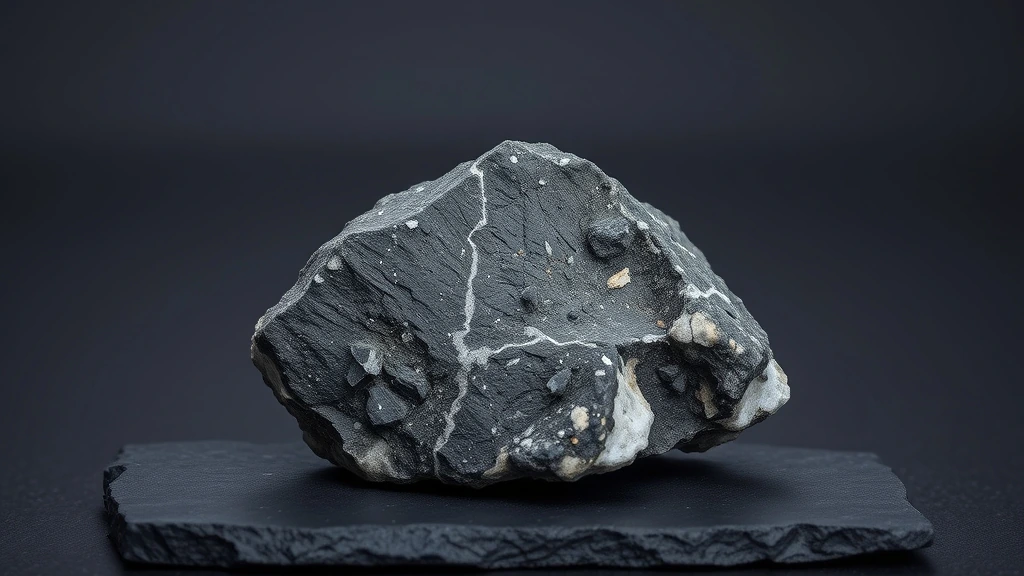
Kornerupine belongs to the broader family of natural minerals and crystals, specifically classified as a member of the epidote group. This geological classification places it within the orthorhombic crystal system, distinguishing it from its monoclinic relatives. As a natural mineral, it forms through metamorphic processes in specific geological settings. Its rarity stems from limited global occurrences, primarily in regions with unique tectonic histories.
What is Kornerupine Gemstone? Geological Overview & Definition
Kornerupine is defined as a rare calcium aluminum silicate hydroxide that forms in metamorphic rocks. It is distinct from common epidote due to its specific chemical substitution patterns. This mineral typically occurs in schists and gneisses, often associated with other rare earth elements. Its formation requires precise pressure and temperature conditions during regional metamorphism.
The gemstone is valued for its orthorhombic crystal habit and distinct optical properties. Unlike its monoclinic counterparts, kornerupine displays unique cleavage and luster characteristics. It is found in locations such as Norway and the United States. These occurrences are limited, making high-quality gem material exceptionally scarce.
Kornerupine Gemstone Chemical Composition & Crystallographic Properties
Kornerupine crystallizes in the orthorhombic system, featuring a complex lattice structure. Its chemical formula, Ca₂Al₂Si₃O₁₀(OH)₂, indicates a specific arrangement of cations and anions. The structure involves chains of silicate tetrahedra linked by aluminum and calcium ions. This arrangement contributes to its distinct physical properties and stability.
Cation substitution plays a key role in its formation, where aluminum replaces silicon in specific sites. This substitution affects the mineral’s refractive index, ranging from 1.660 to 1.684. The presence of hydroxyl groups influences its acid sensitivity and thermal behavior. Kornerupine is generally stable under normal conditions but can dehydrate at high temperatures.
The color of kornerupine is attributed to chromophore centers, often involving trace impurities. These centers absorb specific wavelengths of light, resulting in pale green or yellow tones. The mineral’s density, between 3.29 and 3.35 g/cm³, reflects its dense atomic packing. Thermal expansion is moderate, making it suitable for standard gemstone cutting.
| Property | Specification |
|---|---|
| Mineral Group | Natural Mineral / Crystal |
| Chemical Formula | Ca₂Al₂Si₃O₁₀(OH)₂ |
| Mohs Hardness | 6 to 7 |
| Crystal System | Orthorhombic |
| Specific Gravity (Density) | 3.29–3.35 |
| Refractive Index | n α = 1.660 – 1.671 n β = 1.673 – 1.683 n γ = 1.674 – 1.684 |
| Color & Optical Properties | Natural Kornerupine Gemstone color spectrum and optical dispersion |
| Primary Mining Localities | Global primary localities |
| Water & Chemical Resistance | High (Safe for gentle water washing) |
| Chakra Alignment (Traditional) | Heart Chakra |
| Zodiac Affinity (Traditional) | Taurus, Virgo |
| Symbolic Meaning (Traditional) | Emotional balance, clarity of thought, and grounding |
Kornerupine Gemstone Varieties & Color Spectrum
Kornerupine exhibits a limited but distinct color palette, primarily ranging from pale green to deep olive. The hue is driven by trace impurities within the orthorhombic crystal lattice, specifically iron and manganese substitutions. Most gem-quality material appears as a translucent, light green stone with a vitreous luster.
Pale Green Kornerupine
This is the most common variety, characterized by a delicate, almost minty green tone. It typically forms in alkaline pegmatites where fluid inclusions are minimal, allowing for high clarity. The stone often displays a soft, ethereal glow under natural light, making it popular for cabochon cutting.
Deep Olive Kornerupine
Richer in iron content, this variety presents a darker, more earthy olive-green appearance. The increased chromophore concentration absorbs shorter wavelengths, resulting in a deeper, more saturated visual signature. Such stones are rarer and often exhibit slight internal zoning visible to the naked eye.
Blue-Green Kornerupine
Occasionally, specimens display a subtle blue-green tint, attributed to specific structural defects or minor titanium traces. This morph is exceptionally rare and highly sought after by collectors for its unique refractive index dispersion. The color shift is subtle, requiring precise lighting to distinguish from standard green varieties.
Translucent White Kornerupine
While less common, colorless to pale white kornerupine occurs in high-purity silicate environments with negligible trace element contamination. These stones are valued for their clarity and potential use in high-end jewelry settings. The absence of strong chromophores allows the stone’s high density to be the primary visual characteristic.
Where is Kornerupine Gemstone Found? Geological Mining & Extraction
Kornerupine is predominantly found in alkaline granitic pegmatites, often associated with other rare minerals like beryl and topaz. These deposits form during the final stages of magma crystallization, where volatile-rich fluids concentrate specific elements. The mineral typically occurs as euhedral crystals within the coarse-grained matrix of these intrusive bodies.
Primary extraction regions include the United States (Maine and New Hampshire), Canada, and parts of Europe. Mining operations focus on locating specific pegmatite zones that yield gem-quality crystals rather than bulk industrial material. Due to its moderate Mohs hardness of 6 to 7, careful extraction is required to prevent fracturing during the initial removal process.
Historical Significance & Cultural Lore of Kornerupine Gemstone
Historically, kornerupine was not widely recognized in ancient civilizations due to its relative rarity and late formal description. It was named after the Danish mineralogist Jørgen Kornerup in the 19th century, marking its entry into scientific literature. Unlike more common gemstones, it lacks extensive archaeological artifacts or ancient trade records.
In modern esoteric traditions, kornerupine is associated with the Heart Chakra, promoting emotional balance and clarity of thought. Practitioners believe its grounding properties align with the earth element, supporting mental stability during stressful periods. This contemporary lore reflects a broader trend of assigning metaphysical significance to lesser-known minerals.
Modern Uses & Jewelry Applications of Kornerupine Gemstone
Kornerupine is primarily valued for its unique optical properties and durable physical characteristics in the lapidary arts. Due to its orthorhombic crystal system, it often exhibits strong double refraction, making it ideal for faceted cuts that maximize brilliance. Lapidaries typically favor step cuts or mixed cuts to highlight its high refractive index and distinct pleochroism.
- Faceted Jewelry: Suitable for rings, pendants, and earrings due to its Mohs hardness of 6 to 7.
- Cabochon Cutting: Used to showcase its chatoyancy or iridescence in opaque specimens.
- Ornamental Carving: Employed in decorative objects where its greenish-yellow hue provides visual contrast.
Safety & Mineral Profile of Kornerupine
Safe handling and physical stability
Kornerupine is a relatively soft mineral, with a Mohs hardness of 4.5–5.5, and it is prone to scratching and abrasion. Its crystals are typically translucent to opaque and can exhibit a waxy or greasy luster, but they are not resistant to prolonged exposure to moisture or acidic solutions; prolonged contact with acids can lead to surface etching. The mineral does not contain significant amounts of hazardous heavy metals, but dust generated during cutting or polishing can be inhaled and may cause respiratory irritation. Because of its moderate hardness, tendency to cleave, and lack of durable surface, Kornerupine is generally treated as a collector display mineral rather than a suitable material for jewelry. Handling should involve gloves and eye protection, and specimens should be stored in a dry, dust‑free environment to preserve their surface integrity.
Scientific, educational, and mineralogical significance
Kornerupine occupies an important position in the spinel group of silicate minerals, providing insight into high‑temperature crystallization processes in igneous and metamorphic rocks. Its unique chemical composition—rich in magnesium, iron, and aluminum—makes it a valuable reference material for studying trace element partitioning and crystal chemistry. In museum collections, Kornerupine specimens are frequently used to illustrate the diversity of the spinel group and to demonstrate the relationship between crystal structure and physical properties. Researchers also employ Kornerupine as a model system for investigating the effects of pressure and temperature on silicate mineral stability, contributing to broader understandings of Earth’s interior processes.
Mineralogical Group and Planetary Lore of Kornerupine
Historically, Kornerupine was first described in the late 19th century from a locality in the Kornerupine region of Greenland, and it was named after the Danish mineralogist Kornerup who first documented its distinctive greenish‑brown hue. According to early mineralogists, the mineral was initially classified within the spinel family due to its similar crystal system and general appearance, although later analyses clarified its distinct chemical signature. In lapidary texts, Kornerupine has occasionally been associated with planetary symbolism, being described as a “stone of the earth’s hidden depths” because of its formation in high‑temperature, high‑pressure environments. While no direct planetary analogues have been identified, its presence in deep‑seated igneous complexes has led some scholars to speculate about analogous mineral assemblages on other terrestrial planets, though such claims remain purely theoretical.
How to Identify Real vs. Fake Kornerupine Gemstone
Distinguishing genuine kornerupine from imitations requires careful observation of physical and optical traits. Common fakes include synthetic glass, dyed quartz, or other greenish minerals like chlorite. These replicas often lack the specific specific gravity and birefringence of natural kornerupine.
Practical At-Home Authenticity Tests
- Temperature Test (Thermal Feel): Genuine kornerupine feels cool to the touch initially and warms slowly. Glass imitations often warm up faster and feel less dense.
- Specific Gravity & Weight Test: Kornerupine has a density of 3.29–3.35. It should feel noticeably heavier than glass or quartz of the same size.
- Scratch & Hardness Test (Mohs Comparison): With a Mohs hardness of 6 to 7, it can scratch glass (5.5) but may be scratched by quartz (7). Test carefully on a corner.
- Microscopic & Loupe Inspection (Internal Inclusions): Use a 10x loupe to look for natural inclusions or fluid bubbles. Glass often contains circular bubbles, while natural stones show irregular mineral traces.
Kornerupine Gemstone Valuation Factors, Grading & Pricing
Market value hinges primarily on Color Saturation, where deep, uniform green tones command the highest premiums. Experts assess tone consistency across the entire stone to ensure visual harmony. High optical clarity and a strong vitreous luster further elevate the gemstone’s aesthetic appeal.
Carat Weight significantly influences pricing, as larger, high-quality specimens are increasingly rare in the global market. Precise facet symmetry maximizes light return, enhancing the stone’s overall brilliance and visual impact. The presence of matrix or inclusions can reduce value, though some collectors appreciate natural character.
Geographical Provenance Premium often dictates final retail prices, with stones from renowned localities fetching higher bids. Wholesale trends indicate steady demand for certified, high-clarity kornerupine in the luxury sector. Retail margins typically reflect the scarcity of large, flawless, and well-cut specimens.
How to Clean and Care for Kornerupine Gemstone
For routine maintenance, immerse the stone in warm soapy water to dissolve surface oils and dirt. Gently scrub the facets using a soft cloth to restore its natural luster without causing abrasion. This method effectively removes residues while preserving the mineral’s structural integrity.
You must strictly avoid ultrasonic cleaners to prevent potential structural fractures within the crystal lattice. Kornerupine’s orthorhombic structure can be sensitive to high-frequency vibrations, leading to internal stress. Always dry the gemstone thoroughly with a lint-free cloth after washing.
Cleansing and Recharging Kornerupine Gemstone (Energetic Care)
To energetically cleanse the stone, use smoke smudging with sage or palo santo for a dry purification ritual. This method avoids moisture entirely, ensuring the mineral’s chemical stability remains uncompromised. Allow the smoke to circulate around the gemstone for several minutes.
For recharging, place the kornerupine on a selenite plate under natural moonlight overnight. This dry, passive method aligns with the stone’s association with the Heart Chakra. Ensure the environment is dry to prevent any accidental exposure to humidity.
Frequently Asked Questions About Kornerupine Gemstone
What is the chemical composition of kornerupine?
Kornerupine is a calcium-aluminum silicate with the formula Ca₂Al₂Si₃O₁₀(OH)₂. This specific stoichiometry defines its classification within the epidote group of minerals. The presence of hydroxyl groups contributes to its distinct crystallographic properties. Understanding this formula helps identify its geological origins accurately.
How hard is kornerupine on the Mohs scale?
Kornerupine rates between 6 and 7 on the Mohs hardness scale. This moderate hardness makes it suitable for jewelry but requires careful handling. It is harder than apatite but softer than quartz. Wearers should avoid exposing it to abrasive surfaces to prevent scratching.
Can I wear kornerupine in the shower?
Yes, kornerupine is safe for gentle water washing due to its high water resistance. It does not dissolve or degrade when exposed to moisture. However, you should avoid harsh soaps or high-pressure jets. Rinse it thoroughly with clean water after any exposure to chemicals.
Is kornerupine safe to clean in an ultrasonic cleaner?
No, you must avoid ultrasonic cleaners to prevent structural fractures in the stone. The vibrations can exploit natural cleavage planes within the crystal lattice. Instead, use warm soapy water and a soft cloth for cleaning. This gentle method preserves the integrity of the gemstone over time.
Which zodiac signs are aligned with kornerupine?
Kornerupine is traditionally aligned with the zodiac signs of Taurus and Virgo. These earth signs resonate with the stone’s grounding and stabilizing energies. Wearing kornerupine may enhance the natural traits of these individuals. It supports their connection to practical and emotional balance.
Which chakra does kornerupine activate?
Kornerupine is specifically aligned with the Heart Chakra. This association promotes emotional balance and clarity of thought. It helps users connect with their core feelings and intuition. The stone supports healing and openness in the heart center.
What crystal system does kornerupine belong to?
Kornerupine crystallizes in the orthorhombic system, forming distinct prismatic crystals. This structure influences its optical properties and cleavage patterns. The orthorhombic arrangement contributes to its unique refractive index values. Collectors often appreciate the geometric precision of these formations.
What is the refractive index of kornerupine?
Kornerupine exhibits a refractive index ranging from 1.660 to 1.684. These values indicate a high level of brilliance and fire. The dispersion of light within the stone creates a captivating visual effect. Gemologists use these metrics to distinguish it from similar minerals.