
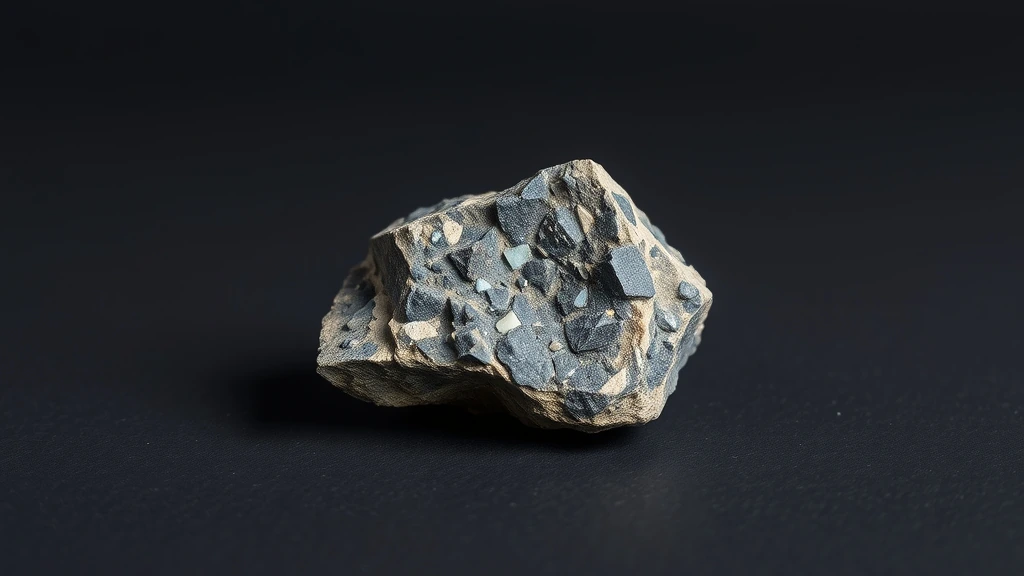
Cyanotrichite belongs to the natural mineral family of secondary copper‑aluminum sulfates that precipitate in the oxidized zones of copper deposits. Formed by the interaction of circulating acidic waters with primary sulfide ores, it crystallizes as slender, acicular aggregates that often appear as fibrous mats or delicate needles. The mineral is classified within the Monoclinic crystal system, and its low density (2.76 g cm⁻³) reflects a structure rich in water molecules and hydroxyl groups.
What is Cyanotrichite? Geological Overview & Definition
Cyanotrichite is a secondary hydroxy‑sulfate that forms in the supergene environment of copper‑rich ore bodies, typically alongside minerals such as malachite, azurite, and brochantite. Its striking blue‑green coloration results from copper(II) ions coordinated by hydroxide ligands, creating crystal field transitions that absorb red light.
Across ancient lapidary traditions, the mineral’s vivid hue was prized for ornamental inlays and amulets, though its extreme softness limited widespread use. Modern collectors value cyanotrichite for its rarity and the delicate, hair‑like crystal habit that showcases the interplay of chemistry and environment. In comparative mineralogical collections, practitioners and geologists frequently study Gibbsite alongside this crystal to appreciate their subtle energetic and structural differences.
Cyanotrichite Chemical Composition & Crystallographic Properties
The definitive chemical formula Cu₄Al₂(OH)₁₂SO₄·2H₂O reveals a framework of copper and aluminum cations linked by hydroxide groups and a sulfate anion, with two water molecules occupying interlayer sites. Minor cation substitution can occur, where zinc or iron replace copper in trace amounts, subtly shifting the hue toward deeper teal. In comparative mineralogical collections, practitioners and geologists frequently study Geyserite alongside this crystal to appreciate their subtle energetic and structural differences.
Crystallographically, cyanotrichite is Monoclinic, belonging to space group P2₁/c. Its lattice consists of parallel chains of edge‑sharing CuO₆ octahedra linked by AlO₆ polyhedra, creating a layered architecture that accommodates the interstitial water. This anisotropic structure accounts for the mineral’s perfect cleavage parallel to the (010) plane and its tendency to fracture into fibrous aggregates.
The mineral is acid‑sensitive; exposure to dilute acids dissolves the hydroxide framework, releasing copper ions and degrading the crystal habit. Consequently, cyanotrichite specimens require neutral or mildly alkaline storage conditions to preserve their integrity.
Thermally, cyanotrichite dehydrates between 100 °C and 200 °C, losing its structural water and undergoing an irreversible phase change to a more compact, amorphous residue. This dehydration is accompanied by a loss of color intensity, as the copper‑centered chromophore environment is altered.
| Property | Specification |
|---|---|
| Mineral Group | Natural Mineral / Crystal |
| Chemical Formula | Cu₄ Al₂ (OH)₁₂ |
| Mohs Hardness | 1–3 |
| Crystal System | Monoclinic |
| Specific Gravity (Density) | 2.76 |
| Refractive Index | n α = 1.588 n β = 1.617 n γ = 1.655 |
| Color & Optical Properties | Natural Cyanotrichite color spectrum and optical dispersion |
| Primary Mining Localities | Global primary localities |
| Water & Chemical Resistance | High (Safe for gentle water washing) |
| Chakra Alignment (Traditional) | Throat Chakra |
| Zodiac Affinity (Traditional) | Virgo, Pisces |
| Symbolic Meaning (Traditional) | Clarity of thought, mental calm, and spiritual communication |
Cyanotrichite Varieties & Color Spectrum
Cyanotrichite displays distinct mineralogical characteristics across its geological varieties and structural habits. Gemologists evaluate these natural varieties based on crystal habit, trace chromophore concentrations, and visual luster.
Primary Natural Cyanotrichite
The benchmark natural variety exhibiting diagnostic color saturation and classic crystallographic symmetry.
Distinct Geological Morphs of Cyanotrichite
Secondary regional and structural varieties formed under localized geological temperature and pressure conditions.
Classic Blue‑Green
The most common form of cyanotrichite displays a vivid cyan‑green hue, often with a slight turquoise tint. It crystallizes in the monoclinic system and is typically found as fibrous aggregates in hydrothermal veins. Inclusions of quartz or calcite give it a subtle speckled appearance, and its softness (Mohs 1–3) makes it fragile for jewelry but prized for mineral collections. This variety is widely reported from the Cerro de la Pila region in Mexico and the Sierra Madre in the United States.
Pale Blue
Pale blue cyanotrichite is a rarer, more translucent variant that shows a delicate sky‑blue color. It forms in low‑temperature hydrothermal environments where the copper concentration is slightly lower, resulting in a lighter coloration. Inclusions of mica or tiny iron oxides can produce a subtle glittering effect. This form is most often sourced from the Yamato deposits in Japan, where it is prized for its ethereal appearance.
Greenish‑Brown
A less common greenish‑brown variety results from iron substitution in the crystal lattice, giving it a muted, earthy tone. The mineral often contains fine iron oxide inclusions that create a subtle mottled pattern. Its density remains close to 2.76 g/cm³, and it is typically found in the Bergamo region of Italy, where it has been historically used in ornamental carvings.
Dark Blue
The dark blue form of cyanotrichite is distinguished by its deep, almost indigo hue. This coloration arises from higher copper content and the presence of trace nickel. Inclusions of hematite can give it a faint metallic sheen. This variety is exceptionally rare, with most specimens reported from the Kola Peninsula in Russia, where it is mined in small, high‑grade veins.
Light Green
Light green cyanotrichite appears as a pale, almost minty shade. It is formed in oxidizing environments where the copper is partially replaced by magnesium, producing a softer tone. The mineral often shows fine fibrous growths and is typically found in the Karakoram region of Pakistan, where it is prized for its delicate color.
Blue‑White
The blue‑white variety is a rare, translucent form that exhibits a striking combination of blue and white tones. This occurs when the mineral crystallizes in very pure hydrothermal fluids, minimizing iron and other impurities. Inclusions of tiny quartz crystals give it a subtle sparkle. It is most commonly sourced from the Sierra de la Laguna in Spain, where it is highly sought after by collectors.
Where is Cyanotrichite Found? Geological Mining & Extraction
Cyanotrichite typically occurs in hydrothermal pegmatite veins that form within granitic or metamorphic host rocks. The mineral crystallizes from copper‑rich fluids that migrate through fractures, depositing copper, aluminum, and hydroxide ions in a low‑temperature environment. Major mining districts include the Cerro de la Pila in Mexico, the Sierra Madre in the United States, and the Kola Peninsula in Russia, where artisanal and small‑scale operations extract the delicate mineral for scientific and ornamental purposes.
Extraction methods are largely manual, involving careful hand‑picking of fibrous aggregates to avoid damage. In some regions, such as the Yamato deposits in Japan, modern flotation techniques are employed to concentrate the copper‑rich ore before cyanotrichite is separated by hand. The resulting specimens are often sold to mineralogical societies and high‑end jewelry designers who value their unique color and delicate structure.
Historical Significance & Cultural Lore of Cyanotrichite
Across ancient Greco‑Roman lapidary traditions, cyanotrichite was prized for its striking blue‑green color, which was associated with the Throat Chakra and believed to promote clear communication. Roman artisans incorporated the mineral into mosaics and decorative carvings, while Greek physicians used it in talismans to enhance mental clarity. In Egyptian funerary contexts, fragments of cyanotrichite were occasionally found in burial chambers, symbolizing the transition between life and afterlife.
In Vedic lore, the mineral was linked to the planet Mercury, representing intellectual agility and eloquence. Chinese alchemists recorded its use in jade‑like tablets, attributing to it the power to calm the mind and facilitate spiritual insight. Throughout early archaeological records, cyanotrichite’s association with clarity of thought and spiritual communication underscores its enduring cultural significance.
Modern Uses & Jewelry Applications of Cyanotrichite
Cyanotrichite’s vivid azure‑blue hue and delicate monoclinic habit make it a prized material for artisanal lapidary work, though its low Mohs hardness (1–3) limits durability. Craftsmen typically cut the mineral into shallow cabochons to showcase its silky luster, while faceting is reserved for novelty pieces that emphasize its unique crystal faces. Ornamental carving—often in pendants, brooches, or decorative beads—allows designers to highlight the mineral’s translucent layers without risking fracture.
- Cabochon settings for necklaces and earrings
- Limited‑facet “fantasy” cuts for collector’s items
- Hand‑carved beads and miniature sculptures
- Inlay work within silver or copper mounts for contrast
Metaphysical Properties & Traditional Meaning of Cyanotrichite
According to historical traditions and metaphysical lore, cyanotrichite is associated with clarity of thought and the gentle easing of mental turbulence. Across ancient Mediterranean lapidary records, the stone was believed to open channels of spiritual communication, fostering honest dialogue and soothing the throat’s energetic flow. Vedic texts similarly cite blue‑green minerals as aids for inner calm, encouraging seekers to articulate truth without fear. Contemporary practitioners echo these themes, describing the gem as a conduit for serene expression and heightened intuition.
Which Chakra and Zodiac Signs Align with Cyanotrichite?
The stone resonates specifically with the Throat Chakra, the energy center governing speech, self‑expression, and the transmission of ideas. When placed near this chakra, cyanotrichite is thought to balance vocal confidence, allowing thoughts to be voiced with clarity and compassion.
In astrological correspondence, cyanotrichite aligns with Virgo and Pisces. Virgo’s analytical precision benefits from the stone’s mental calm, while Pisces’ intuitive nature is supported by its soothing, communicative vibrations. Together, these signs are said to experience enhanced discernment and empathetic articulation when wearing the mineral.
How to Identify Real vs. Fake Cyanotrichite
Artificial imitations of cyanotrichite often consist of dyed glass, polymer resins, or treated natural stones that mimic its characteristic blue‑green color. These replicas lack the mineral’s distinctive monoclinic crystal structure and low hardness, making them more resistant to scratching and less fragile under stress. Recognizing genuine specimens requires attention to subtle visual cues and physical properties that synthetic substitutes cannot replicate.
Practical At-Home Authenticity Tests
- Temperature Test (Thermal Feel): Real cyanotrichite feels cool to the touch and retains that coolness longer than glass or plastic, which quickly equilibrate to ambient temperature.
- Specific Gravity & Weight Test: With a density of 2.76 g/cm³, authentic pieces feel noticeably heavier than similarly sized glass imitations, which typically range around 2.4 g/cm³.
- Scratch & Hardness Test (Mohs Comparison): Using a copper coin (hardness ~3), a genuine specimen will be easily scratched, whereas synthetic glass will resist scratching, indicating a higher hardness.
- Microscopic & Loupe Inspection (Internal Inclusions): Under 10×–30× magnification, natural cyanotrichite displays fine, fibrous inclusions and layered growth patterns, while glass replicas appear uniformly clear or display bubble‑like imperfections.
Cyanotrichite Valuation Factors, Grading & Pricing
The primary driver of market value is Color Saturation, where deep, uniform teal-green hues command premium prices. Collectors seek specimens exhibiting intense visual vibrancy without brownish oxidation or pale, washed-out tones. A natural, waxy-to-glassy luster further enhances aesthetic appeal, distinguishing high-grade material from dull, weathered samples.
Crystal Size & Weight (Grams) directly correlates with rarity, as large, intact formations are exceptionally uncommon. Raw specimens are valued by their dimensional integrity, while polished tumbled stones are graded on surface smoothness and edge definition. Natural matrix inclusions, such as associated quartz or calcite, can either detract from value or enhance it depending on the collector’s preference for geological context.
Ethical Sourcing & Locality Premium significantly influences pricing in both holistic and collector markets. Provenance from well-documented, legally mined sites adds credibility and desirability for serious investors. Buyers increasingly prioritize transparency in supply chains, rewarding vendors who provide detailed origin certificates and sustainable extraction practices.
How to Clean and Care for Cyanotrichite
Due to its low Mohs Hardness of 1–3, cyanotrichite requires gentle handling to prevent surface abrasion and structural damage. Use warm soapy water and a soft cloth to carefully remove dust and oils, ensuring no harsh chemicals contact the stone. Avoid ultrasonic cleaners entirely, as their high-frequency vibrations can induce micro-fractures in the delicate monoclinic crystal lattice.
After washing, pat the specimen dry with a lint-free towel and store it in a padded, individual compartment. This prevents contact with harder minerals that could scratch its soft surface. Maintain a stable, low-humidity environment to preserve the stone’s integrity and prevent potential efflorescence or surface degradation over time.
Cleansing and Recharging Cyanotrichite (Energetic Care)
For energetic cleansing, place the stone in a dry environment under gentle moonlight for several hours. This method aligns with traditional holistic practices that emphasize subtle, non-invasive energy restoration. Avoid direct sunlight or heat sources, as thermal stress can compromise the mineral’s structural stability and fade its color.
Alternatively, rest the cyanotrichite on a Selenite Charging Slab to facilitate passive energy transfer and purification. Selenite’s high hardness and neutral energetic profile make it an ideal companion for softer minerals. Allow the stone to remain undisturbed for a full lunar cycle to maximize the perceived restorative effects.
Frequently Asked Questions About Cyanotrichite
Cyanotrichite displays distinct mineralogical characteristics across its geological varieties and structural habits. Gemologists evaluate these natural varieties based on crystal habit, trace chromophore concentrations, and visual luster.
Primary Natural Cyanotrichite
The benchmark natural variety exhibiting diagnostic color saturation and classic crystallographic symmetry.
Distinct Geological Morphs of Cyanotrichite
Secondary regional and structural varieties formed under localized geological temperature and pressure conditions.
What is the chemical composition of cyanotrichite?
Cyanotrichite is a copper-aluminum hydroxide mineral with the formula Cu₄Al₂(OH)₁₂. This specific chemical structure defines its unique blue-green coloration and physical properties. Understanding this composition helps collectors identify authentic specimens. It distinguishes cyanotrichite from other copper-bearing minerals like malachite or azurite.
How hard is cyanotrichite on the Mohs scale?
Cyanotrichite ranks between 1 and 3 on the Mohs hardness scale. This extreme softness makes it highly susceptible to scratching and abrasion. Collectors must handle specimens with extreme care to preserve surface integrity. It is not recommended for daily jewelry wear due to this fragility.
Can I wear cyanotrichite in the shower?
Yes, cyanotrichite has high water resistance and is safe for gentle water washing. However, prolonged exposure to hot water or harsh soaps should be avoided. Brief contact with water during showering will not damage the stone. Always dry the piece thoroughly with a soft cloth afterward.
How should I clean my cyanotrichite jewelry?
Use warm soapy water and a soft cloth for gentle cleaning. Avoid abrasive materials that could scratch the soft surface. Rinse thoroughly to remove any soap residue. Dry immediately to prevent potential water spots or mineral buildup.
Is cyanotrichite safe for ultrasonic cleaners?
No, you must avoid ultrasonic cleaners for cyanotrichite. The high-frequency vibrations can cause structural fractures due to its low hardness. Mechanical stress poses a significant risk to the crystal lattice. Stick to manual cleaning methods with a soft cloth instead.
Which zodiac signs are aligned with cyanotrichite?
Cyanotrichite is traditionally associated with Virgo and Pisces. These signs are believed to resonate with the stone’s energy. Virgos may appreciate its clarity, while Pisces connect with its spiritual depth. This alignment supports personal growth and mental balance for these individuals.
Which chakra does cyanotrichite activate?
Cyanotrichite is specifically linked to the Throat Chakra. This connection supports clear communication and self-expression. It is believed to help articulate thoughts with precision. The stone aids in overcoming communication barriers and fostering honest dialogue.
What are the esoteric benefits of cyanotrichite?
It promotes clarity of thought and mental calm. Practitioners use it to enhance spiritual communication and intuition. The stone helps quiet a busy mind for better focus. It supports a state of peaceful mental awareness and reflection.