
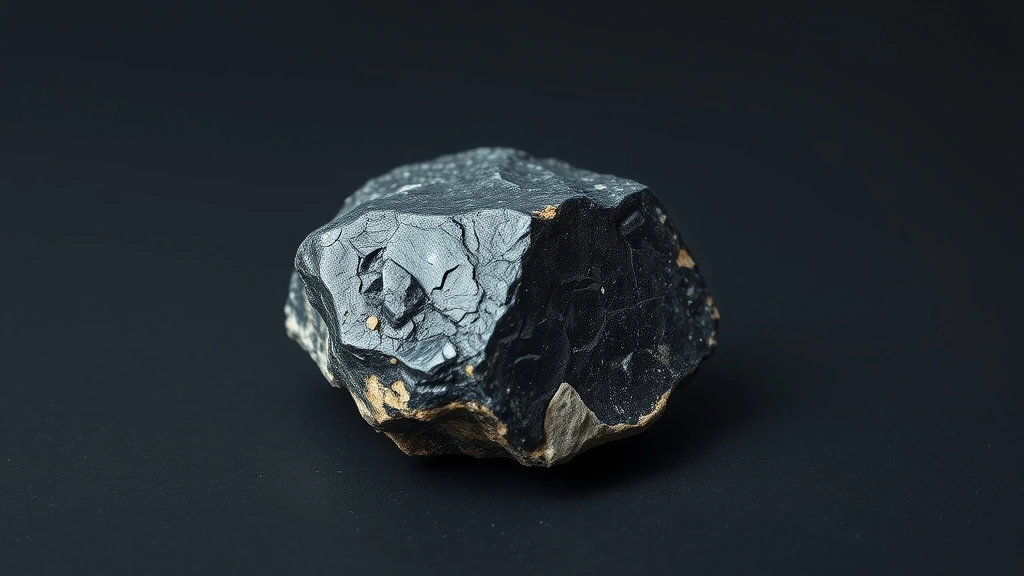
Gibbsite belongs to the natural mineral/crystal family and is the principal component of many bauxite deposits worldwide. Its monoclinic symmetry distinguishes it from other aluminum hydroxides, and it forms through intense weathering of aluminosilicate rocks in tropical climates. The mineral’s low density of 2.35 g cm⁻³ and refractive index ranging from 1.567 to 1.590 reflect its fine‑grained, often massive habit, which can appear as fibrous, platy, or botryoidal aggregates.
What is Gibbsite? Geological Overview & Definition
Gibbsite is an aluminum hydroxide that crystallizes in the monoclinic system, commonly occurring as the dominant phase in lateritic bauxite ores. It forms under acidic, high‑rainfall conditions where silica is leached away, leaving behind aluminum‑rich residues that precipitate as Al(OH)₃. In comparative mineralogical collections, practitioners and geologists frequently study Cyanotrichite alongside this crystal to appreciate their subtle energetic and structural differences.
Across ancient lapidary traditions, the mineral’s soft, waxy texture was noted for its ease of carving, though its rarity as a gem material limited widespread use. Modern mineralogists classify it within the hydroxide group, distinguishing it from related phases such as boehmite and diaspore, which share the same chemical formula but differ in crystal symmetry.
Gibbsite Chemical Composition & Crystallographic Properties
The crystal lattice of gibbsite is monoclinic, characterized by one axis inclined to the others, producing a layered arrangement of AlO₆ octahedra linked by hydroxyl groups. This structure permits limited cation substitution, where trace amounts of Fe³⁺ or Ti⁴⁺ may replace Al³⁺, subtly altering color from pure white to pale yellow or brown. While gibbsite’s lattice relies on hydroxyl bridges to maintain its structural integrity, the distinct banding patterns seen in Azurite Malachite arise from a different mechanism involving the intergrowth of copper-based mineral phases.
Gibbsite is highly acid‑sensitive; exposure to strong acids dissolves the hydroxide layers, a property exploited in laboratory extraction of aluminum. Its coloration arises from chromophore color centers associated with these minor impurities, rather than intrinsic pigment.
Thermally, gibbsite dehydrates near 250 °C, converting to γ‑alumina and releasing water vapor, a reaction central to the Bayer process for alumina production. Upon heating above 500 °C, the material undergoes further phase transitions, eventually forming α‑alumina (corundum) at temperatures exceeding 1,000 °C.
These crystallographic and chemical behaviors underscore gibbsite’s role as both a geological indicator of intense weathering and a critical industrial precursor, while its modest hardness and translucent habit occasionally attract collectors seeking rare hydroxide gemstones.
| Property | Specification |
|---|---|
| Mineral Group | Natural Mineral / Crystal |
| Chemical Formula | Al(OH)₃ |
| Mohs Hardness | 2.5–3 |
| Crystal System | Monoclinic |
| Specific Gravity (Density) | 2.35 |
| Refractive Index | 1.567 – 1.590 |
| Color & Optical Properties | Natural Gibbsite color spectrum and optical dispersion |
| Primary Mining Localities | Global primary localities |
| Water & Chemical Resistance | High (Safe for gentle water washing) |
| Chakra Alignment (Traditional) | Root Chakra |
| Zodiac Affinity (Traditional) | Virgo, Capricorn |
| Symbolic Meaning (Traditional) | Grounding, stability, and purification |
Gibbsite Varieties & Color Spectrum
Gibbsite typically presents as a soft, earthy mineral with limited gemological appeal due to its low hardness. However, specific geological conditions produce distinct visual morphs that collectors and mineralogists prize for their unique luster and formation patterns.
Pure White Gibbsite
This variety appears as massive, fibrous aggregates with a pearly sheen, often found in laterite soils. The pure white coloration results from the absence of iron impurities, allowing the intrinsic pearly luster to dominate the visual profile.
Yellowish Gibbsite
Iron oxide inclusions tint this morph a pale yellow, creating a subtle contrast against the host rock matrix. These specimens frequently exhibit botryoidal growth habits, forming rounded, grape-like clusters that are highly sought after by mineral collectors.
Banded Gibbsite
Distinctive alternating bands of white and gray indicate periodic changes in sedimentation or fluid chemistry during formation. This banded texture provides a striking visual rhythm, making it a favorite for display specimens in mineralogy collections.
Fibrous Gibbsite
Characterized by needle-like crystals radiating from a central point, this variety displays a satin luster when viewed from the side. The fibrous structure often forms in cavities within lateritic bauxite, creating intricate, hair-like clusters that catch the light beautifully.
Where is Gibbsite Found? Geological Mining & Extraction
Gibbsite is primarily extracted from laterite bauxite deposits, which form through intense tropical weathering of aluminum-rich rocks. These deposits are concentrated in regions with high rainfall and heat, such as Australia, Brazil, and Guinea, where chemical weathering is most active.
Mining operations focus on open-pit extraction to access the rich, near-surface layers of gibbsite-rich bauxite. The mineral is often processed alongside other aluminum hydroxides to produce alumina, with byproduct specimens occasionally entering the mineral collector market.
Historical Significance & Cultural Lore of Gibbsite
Ancient civilizations utilized bauxite, the primary host rock for gibbsite, for pigment production and early metallurgical experiments. In ancient Egyptian and Greco-Roman contexts, aluminum compounds were valued for their white pigments, though the mineral itself was not cut into gemstones due to its fragility.
Archaeological records indicate that Vedic and Chinese traditions recognized the earthy, grounding qualities of aluminum-rich soils. These cultures associated the mineral with stability and purification, embedding it in broader metaphysical frameworks related to the earth element.
Modern Uses & Jewelry Applications of Gibbsite
Due to its low hardness and soft texture, gibbsite is rarely cut into high-clarity faceted gems for daily wear. Instead, lapidaries typically polish it into smooth cabochons to showcase its subtle luster and earthy tones. These stones are often set in protective bezels or used in ornamental carvings where durability is less critical than aesthetic form.
- Cabochon Polishing: The primary cutting method, emphasizing the stone’s gentle sheen rather than brilliance.
- Ornamental Carvings: Used in decorative objects and small sculptures due to its ease of carving.
- Novelty Jewelry: Incorporated into costume pieces or educational displays for mineral enthusiasts.
- Bezel Settings: Recommended to protect the soft surface from accidental chipping or abrasion.
Metaphysical Properties & Traditional Meaning of Gibbsite
According to historical traditions and metaphysical lore, gibbsite is associated with deep grounding and structural stability. Practitioners believe its earthy composition helps anchor the wearer’s energy to the physical plane. This alignment fosters a sense of calm and resilience during periods of transition or uncertainty.
In broader lapidary history, such hydroxide minerals are often linked to purification and emotional balance. The stone’s gentle nature is thought to support purification of the aura, clearing stagnant energies. It serves as a subtle reminder of the enduring strength found in natural, unadorned forms.
Which Chakra and Zodiac Signs Align with Gibbsite?
Gibbsite is canonically aligned with the Root Chakra, the energy center located at the base of the spine. This connection reflects the stone’s association with security, survival, and physical well-being. By resonating with this chakra, the mineral is believed to enhance feelings of safety and rootedness in daily life.
Astronomically, the stone resonates with the earth signs of Virgo and Capricorn. Both signs value discipline, practicality, and long-term stability, traits mirrored in gibbsite’s humble yet enduring character. This alignment suggests the stone supports individuals seeking to build solid foundations in both personal and professional spheres.
How to Identify Real vs. Fake Gibbsite
Because gibbsite is soft and relatively uncommon in high-end jewelry, it is frequently imitated by synthetic glass or dyed quartz. These fakes often mimic the stone’s pale color but lack its specific physical properties. Careful examination is essential to distinguish genuine specimens from artificial replicas.
Practical At-Home Authenticity Tests
- Temperature Test (Thermal Feel): Genuine gibbsite feels cool to the touch initially but warms up quickly due to its low thermal conductivity. Glass imitations tend to retain their initial temperature longer.
- Specific Gravity & Weight Test: With a density of 2.35 g/cm³, gibbsite feels lighter than most quartz-based fakes. Compare it against a similar-sized piece of clear quartz to notice the weight difference.
- Scratch & Hardness Test (Mohs Comparison): Gibbsite has a Mohs hardness of 2.5–3, meaning it can be scratched by a copper coin or fingernail. If the stone resists scratching, it is likely a harder imitation like quartz.
- Microscopic & Loupe Inspection (Internal Inclusions): Use a 10x loupe to check for internal inclusions or flow lines. Synthetic glass often contains tiny bubbles, while natural gibbsite may show subtle mineral traces or a matte finish.
Gibbsite Valuation Factors, Grading & Pricing
The market first assesses color saturation, noting that vivid, deep hues of white‑to‑pale green command higher prices. Specimens displaying a uniform, luminous sheen are prized for their natural energetic luster, which collectors associate with grounding properties. Even subtle variations in translucency can shift valuation by several percent in auction listings.
Next, crystal size & weight (grams) dominate pricing calculations, with larger, well‑formed blocks fetching premium rates. Raw gibbsite is typically sold by gram, while tumbled pieces with a high‑gloss polish attract a modest markup for the labor involved. Inclusions of native matrix or secondary minerals are disclosed, as they may either enhance uniqueness or reduce the perceived purity of the specimen.
Finally, ethical sourcing & locality premium influences both holistic and collector markets, especially when the material originates from responsibly managed bauxite deposits. Provenance from regions with transparent mining practices can add a noticeable surcharge, reflecting consumer demand for sustainable gemstones. Buyers often verify certificates of origin to ensure that the stone aligns with both environmental standards and cultural heritage considerations.
How to Clean and Care for Gibbsite
Gibbsite tolerates gentle water exposure, so cleaning with warm soapy water and a soft cloth is safe and effective. Apply a mild, pH‑neutral soap, rinse with lukewarm water, and pat dry with a lint‑free microfiber cloth to avoid surface streaks. Ultrasonic cleaners should be avoided, as the vibration can cause micro‑fractures in the monoclinic lattice. Store the mineral in a low‑humidity environment, away from direct heat sources, to maintain its density and refractive stability.
Cleansing and Recharging Gibbsite (Energetic Care)
For energetic maintenance, a brief herbal smudging with sage or cedar can clear residual static without introducing moisture. Hold the stone at a safe distance from the flame, allowing the aromatic smoke to envelop the surface for a few breaths, then gently wipe any ash with a dry cloth.
Alternatively, place the specimen on a clean selenite charging slab under soft moonlight for several hours. The neutral selenite field and lunar illumination are believed to restore the stone’s grounding vibration while preserving its crystal integrity. Both methods respect the mineral’s physical limits and support its metaphysical attributes.
Frequently Asked Questions About Gibbsite
Gibbsite displays distinct mineralogical characteristics across its geological varieties and structural habits. Gemologists evaluate these natural varieties based on crystal habit, trace chromophore concentrations, and visual luster.
Primary Natural Gibbsite
The benchmark natural variety exhibiting diagnostic color saturation and classic crystallographic symmetry.
Distinct Geological Morphs of Gibbsite
Secondary regional and structural varieties formed under localized geological temperature and pressure conditions.
Is gibbsite suitable for everyday jewelry wear?
Yes, gibbsite can be worn daily, but it should be handled with care. Its low hardness (2.5–3) makes it vulnerable to scratches from harder stones and metal. Protect it by avoiding rough surfaces and removing it during high-impact activities.
Can I clean gibbsite with a dishwasher or ultrasonic cleaner?
No, ultrasonic cleaners should be avoided. Use warm soapy water and a soft cloth for cleaning, then dry immediately. The delicate crystal structure can fracture under ultrasonic vibrations, compromising the stone’s integrity.
Is gibbsite water-resistant for use in a shower or pool?
Yes, gibbsite is water-resistant and safe for gentle washing. It can be rinsed with mild water, but prolonged exposure to harsh chemicals or high pressure may cause surface erosion due to its softness.
Does gibbsite react to household cleaners or acids?
Gibbsite is sensitive to strong acids and alkaline solutions. Avoid bleach, vinegar, or commercial stone cleaners. A mild soap solution is sufficient; the chemical composition (Al(OH)₃) can dissolve if exposed to aggressive reagents.
What zodiac signs are associated with gibbsite?
Gibbsite is linked to the zodiac signs Virgo and Capricorn. These signs emphasize practicality and grounding, qualities that resonate with the stone’s earthy symbolism and its role in stabilizing energy.
Which chakra does gibbsite correspond to?
Gibbsite aligns with the Root Chakra. This chakra governs grounding and stability, and gibbsite’s earthy hues and grounding properties reinforce its use in meditation and healing practices.
Is gibbsite suitable for children’s jewelry or educational displays?
Yes, but supervision is advised. While it is safe for educational purposes, its low hardness means it can chip or break if handled roughly. Display it in a protective case or on a soft backing.
How should I store gibbsite to preserve its appearance?
Store gibbsite separately from harder gemstones. Use a soft pouch or lined jewelry box to prevent scratching. Keep it away from direct sunlight, which can fade its natural color, and avoid stacking with abrasive materials.