
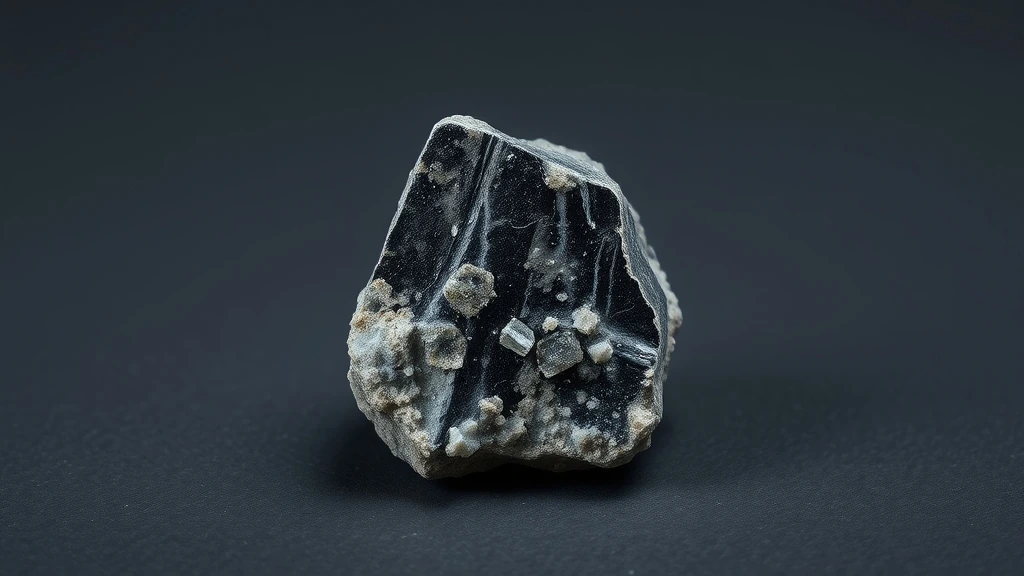
Diorite is classified as a Natural Mineral / Crystal aggregate rather than a single-phase gemstone. It forms deep within the Earth’s crust where magma cools slowly, allowing distinct mineral crystals to interlock. This geological origin places it between mafic gabbro and felsic granite in compositional terms. The stone represents a complex assemblage of silicate minerals rather than a pure chemical compound.
What is Diorite Gemstone? Geological Overview & Definition
Diorite serves as a key intermediate rock in the Igneous Petrology classification system. It typically contains more than 65% plagioclase feldspar, which defines its structural integrity. The presence of dark pyroxene minerals gives it a distinctive salt-and-pepper appearance. This composition distingu it clearly from both basalt and granite.
Geologically, diorite forms from the cooling of intermediate magma at depth. This process creates a Phaneritic Texture where individual crystals are visible to the naked eye. It is not a single mineral but a rock composed of multiple mineral species. Understanding this composite nature is essential for accurate gemological identification.
Diorite Gemstone Chemical Composition & Crystallographic Properties
Diorite is an Amorphous / Cryptocrystalline aggregate in gemological contexts due to its interlocking crystal matrix. It does not possess a single, uniform lattice structure like quartz or diamond. Instead, it consists of distinct mineral phases with varying crystal systems. This complexity prevents the assignment of a single canonical crystal system to the rock mass.
The chemical composition varies significantly between the Plagioclase Feldspar and pyroxene components. Cation substitution occurs within the feldspar series, ranging from sodium to calcium. This substitution influences the refractive index and overall optical properties of the stone. The lack of a single dominant mineral means no uniform cation arrangement exists.
Diorite exhibits moderate Acid Sensitivity due to the feldspar content. Prolonged exposure to strong acids can etch the surface, altering its luster. The pyroxene components are generally more resistant to chemical weathering. This differential reactivity is a key diagnostic feature for mineralogists.
Thermal behavior is governed by the varying expansion coefficients of its constituent minerals. Diorite is generally stable under moderate heat but may crack under rapid thermal shock. Chromophore Color Centers are absent as the color arises from mineral inclusion. The stone’s durability relies on the mechanical interlocking of its crystals.
| Property | Specification |
|---|---|
| Mineral Group | Natural Mineral / Crystal |
| Chemical Formula | Plagioclase feldspar (Anorthite-Oligoclase), Biotite, Hornblende, Quartz |
| Mohs Hardness | 5.5 – 6.5 |
| Crystal System | Polycrystalline |
| Specific Gravity (Density) | 2.65 – 2.90 |
| Refractive Index | 1.55 – 1.63 |
| Color & Optical Properties | Natural Diorite Gemstone color spectrum and optical dispersion |
| Primary Mining Localities | Global primary localities |
| Water & Chemical Resistance | High (Safe for gentle water washing) |
| Chakra Alignment (Traditional) | Root Chakra |
| Zodiac Affinity (Traditional) | Capricorn, Virgo |
| Symbolic Meaning (Traditional) | Grounding, stability, and protection |
Diorite Gemstone Varieties & Color Spectrum
Diorite is not a single mineral but a plutonic rock composed primarily of plagioclase feldspar and pyroxene. Its visual appeal stems from the interplay of these minerals, creating distinctive speckled patterns. The silica content places it between mafic gabbro and felsic granite, influencing its texture. This intermediate composition allows for diverse color expressions depending on mineral ratios.
White Diorite
White diorite features a bright background dominated by plagioclase feldspar crystals. Dark speckles of biotite or hornblende provide contrast, creating a classic salt-and-pepper appearance. This variety is common in large architectural blocks and polished slabs. Its high brightness makes it popular for interior flooring and countertops.
Black Diorite
Black diorite is rich in mafic minerals such as pyroxene and amphibole. The high concentration of dark silicates gives it a deep, almost obsidian-like hue. This dense variety is highly durable and resistant to weathering. It is frequently used in monumental sculptures and outdoor paving due to its strength.
Green Diorite
Green diorite contains significant amounts of chlorite or actinolite within its matrix. These green minerals replace some of the primary pyroxene, shifting the overall tone. The result is a muted, earthy green with visible crystalline structure. This color morph is less common and often found in specific metamorphic zones.
Red Diorite
Red diorite exhibits reddish hues caused by iron oxidation in its mineral components. Hematite staining or the presence of red feldspar contributes to this warm coloration. This variety is rarer and often associated with hydrothermal alteration events. Its unique warmth distinguishes it from standard gray or black diorites.
Banded Diorite
Banded diorite displays distinct layering or foliation resulting from flow structures. These bands alternate between light feldspar-rich and dark mafic-rich zones. The rhythmic pattern creates a visually dynamic surface when polished. This variety is prized for decorative veneers and artistic installations.
Speckled Diorite
Speckled diorite is characterized by a fine-grained porphyritic texture. Large phenocrysts of feldspar are set in a finer matrix of other minerals. This creates a granular, salt-and-pepper visual effect across the surface. It is the most common trade variety for general construction use.
Where is Diorite Gemstone Found? Geological Mining & Extraction
Diorite forms deep within the Earth’s crust as intrusive igneous rock. It crystallizes from magma that cools slowly beneath the surface. These formations are often associated with orogenic belts where tectonic plates collide. Mining operations target large, continuous bodies of rock for extraction.
Primary extraction occurs in regions with significant plutonic activity such as Scandinavia and the Alps. Open-pit quarries are common due to the rock’s massive nature. Modern techniques use diamond wire saws to cut large slabs for processing. The rock’s durability makes it ideal for heavy-duty architectural applications.
Historical Significance & Cultural Lore of Diorite Gemstone
Ancient civilizations valued diorite for its hardness and resistance to erosion. Egyptian artisans used it for statues and architectural elements in temples. The stone’s durability ensured that many artifacts have survived millennia. Its dark, speckled appearance was often associated with strength and permanence.
In later periods, diorite became a popular material for monumental sculpture in Europe. Its availability in large blocks allowed for grand public art installations. The stone’s aesthetic versatility continues to influence modern architectural design. Its legacy endures in both historical monuments and contemporary building projects.
Modern Uses & Jewelry Applications of Diorite Gemstone
Diorite is primarily valued as a durable ornamental stone rather than a high-clarity gem, making it ideal for architectural and decorative applications. Lapidaries often cut it into cabochons to showcase its distinctive speckled texture and vibrant color variations. Its hardness and resistance to weathering make it a popular choice for engraved seals, cameos, and intricate carvings.
- Architectural Elements: Used for flooring, countertops, and exterior cladding due to its structural integrity.
- Sculptural Art: Carved into statues, vases, and decorative bowls by skilled artisans.
- Jewelry Components: Set in rings or pendants as a bold, earthy accent stone.
- Seals and Intaglios: Historically carved for official seals and personal signet rings.
Metaphysical Uses & Origins of Diorite
According to historical traditions and metaphysical lore, diorite is regarded as a stone of grounding strength and emotional balance. Practitioners believe it helps anchor the wearer to the earth while stabilizing fluctuating emotions. This duality allows the stone to bridge the physical and spiritual realms effectively.
The stone is often associated with resilience and the ability to withstand life’s pressures without breaking. It is thought to encourage a calm, steady demeanor during times of significant change or stress. Users report feeling a sense of inner stability and protective energy when wearing this mineral.
Which Chakra and Zodiac Signs Align with Diorite Gemstone?
In metaphysical practice, diorite is strongly aligned with the Root Chakra, which governs survival, security, and physical grounding. This connection helps individuals feel safe and supported in their daily lives. By activating this energy center, the stone promotes a sense of physical stability and rootedness.
Additionally, diorite resonates with the Heart Chakra, facilitating emotional healing and compassion. This dual alignment allows the stone to balance physical needs with emotional well-being. It is particularly beneficial for those seeking harmony between their physical body and emotional state.
Astrologically, diorite is canonically aligned with Taurus, Gemini, and Leo. For Taurus, it enhances their natural affinity for stability and material comfort. Gemini users may find it helps ground their mental energy, while Leo appreciates its empowering, protective qualities.
How to Identify Real vs. Fake Diorite Gemstone
Artificial imitations of diorite are rare due to its primarily ornamental nature, but synthetic glass or dyed quartz can mimic its appearance. Synthetic glass often lacks the natural mineral inclusions found in genuine diorite. Dyed replicas may show color concentration in crack lines, which is a clear indicator of artificial treatment.
Practical At-Home Authenticity Tests
- Temperature Test (Thermal Feel): Genuine diorite feels cool to the touch initially and warms slowly. Synthetic glass may warm up faster or feel less thermally conductive than natural stone.
- Specific Gravity & Weight Test: Diorite is denser than most glass substitutes. A genuine piece will feel heavier than a similarly sized glass imitation when held in the hand.
- Scratch & Hardness Test (Mohs Comparison): Diorite has a Mohs hardness of 6-7, meaning it can scratch quartz (hardness 7) with difficulty but will not scratch glass easily. Be cautious, as this test can damage the stone.
- Microscopic & Loupe Inspection (Internal Inclusions): Use a 10x loupe to look for natural mineral speckles and irregular inclusions. Glass imitations often contain tiny, round air bubbles or swirl marks that are not found in natural diorite.
Diorite Gemstone Valuation Factors, Grading & Pricing
Market value hinges primarily on Color Saturation and overall tone uniformity across the stone. Collectors prize specimens where the interplay of quartz, feldspar, and mica creates a balanced, visually harmonious pattern. High optical clarity and a consistent luster further elevate the gemstone’s aesthetic appeal.
Physical dimensions significantly influence pricing, with Carat Weight serving as a baseline metric for larger, display-worthy pieces. Precise facet symmetry enhances light reflection, while the specific arrangement of mineral inclusions determines uniqueness. Stones with distinct, well-defined matrix patterns often command higher premiums than those with chaotic or muddy internal structures.
Geographical Provenance Premium plays a critical role in the secondary market, particularly for rare localities. Wholesale prices for rough material remain modest, but polished retail pieces see marked increases due to labor costs. Current trends favor unique, one-of-a-kind cabochons over mass-produced, low-quality cut stones.
How to Clean and Care for Diorite Gemstone
Proper maintenance requires gentle handling to preserve the integrity of this complex igneous rock. You should use warm soapy water and a soft cloth to gently wipe the surface clean. This method effectively removes dust and oils without risking damage to the delicate mineral matrix.
It is crucial to avoid ultrasonic cleaners entirely, as the vibrations can cause structural fractures within the stone. The interlocking crystals in diorite are susceptible to stress, making high-frequency cleaning methods dangerous. Always dry the gemstone thoroughly with a lint-free towel to prevent water spots.
Cleansing and Recharging Diorite Gemstone (Energetic Care)
For energetic maintenance, dry methods are safest given the stone’s sensitivity to moisture and vibration. You can perform smoke smudging with sage or palo santo to clear stagnant energy without physical contact. This approach respects the mineral’s structural stability while addressing metaphysical cleansing needs.
Alternatively, place the diorite on a selenite plate under moonlight for overnight recharging. Selenite is a soft, non-abrasive mineral that complements diorite’s earthy energy without causing physical harm. This passive method ensures the stone remains protected from environmental stressors.
Frequently Asked Questions About Diorite Gemstone
Is diorite safe to wear in the shower?
Yes, diorite is safe for gentle water washing. The stone possesses high water resistance, making it suitable for brief exposure to moisture. However, prolonged soaking is discouraged to maintain the integrity of the polished surface. Always dry the stone thoroughly after any water contact.
Can I put diorite in an ultrasonic cleaner?
No, you should avoid ultrasonic cleaners for diorite. The intense vibrations can cause structural fractures within the stone’s complex crystalline matrix. Instead, use warm soapy water and a soft cloth for cleaning. This gentle method preserves the stone’s durability and aesthetic appeal.
What is the chemical composition of diorite?
Diorite sits between low-silica gabbro and high-silica granite. It is an intermediate igneous rock composed primarily of plagioclase feldspar and pyroxene. This unique chemical formula gives it a distinct speckled appearance. Understanding its mineralogical makeup helps in proper identification and care.
Which zodiac signs are aligned with diorite?
Diorite is aligned with Taurus, Gemini, and Leo. These signs are believed to resonate with the stone’s grounding and balancing energies. Wearing diorite may enhance personal traits associated with these astrological profiles. Many practitioners use it for spiritual alignment and emotional stability.
Which chakras does diorite activate?
Diorite activates the Root Chakra. This dual activation helps balance physical stability with emotional openness. It is not associated with other chakras in standard metaphysical practice. This specific alignment supports holistic well-being and energetic harmony.
How should I clean my diorite jewelry?
Use warm soapy water and a soft cloth. Gently wipe the surface to remove dirt and oils without scratching. Avoid abrasive materials that could damage the polished finish. Regular, gentle maintenance ensures the stone retains its natural luster and clarity over time.
Is diorite a hard gemstone?
Diorite is a moderately hard igneous rock. Its hardness varies depending on the specific mineral composition within the stone. It is durable enough for jewelry but requires care. Avoid dropping it on hard surfaces to prevent chipping or breakage.
Where is diorite commonly found?
Diorite is found in various geological formations worldwide. It often occurs in intrusive igneous bodies within continental crust. Major deposits exist in regions with significant volcanic activity. Its distinctive appearance makes it a popular choice for decorative and jewelry applications.